
New Zealand’s Ministry for Primary Industries (MPI) requires all wooden souvenirs from New Caledonia to be declared upon arrival. Items must be free of bark, insects, and fungal growth. While most processed wooden items are permitted, raw or unfinished wood, including certain Kanak carvings, requires strict inspection and potential treatment to prevent the introduction of invasive wood-boring pests.
Understanding MPI Rules for Wooden Souvenirs New Caledonia
When traveling back from the pristine shores of New Caledonia to New Zealand, many tourists are eager to bring back a piece of the archipelago’s rich cultural heritage. However, New Zealand’s unique ecosystem is highly vulnerable to exotic pests and diseases. Consequently, the Ministry for Primary Industries (MPI) enforces some of the world’s strictest biosecurity regulations regarding wooden items. The primary concern is the accidental introduction of wood-boring insects, such as the Asian longhorned beetle or various termite species, which could devastate New Zealand’s forestry industry and native bush.
The MPI rules for wooden souvenirs New Caledonia specifically target any item made of plant material. This includes not just large carvings, but also small trinkets, woven items, and even items containing seeds or dried flowers. The fundamental rule is transparency: every wooden item must be declared on your New Zealand Passenger Arrival Card. Failure to do so can result in immediate fines or legal action, regardless of whether the item is eventually deemed safe.

Types of Wood Allowed from New Caledonia
New Caledonia is home to diverse timber species, many of which are used in traditional craftsmanship. Understanding which types of wood are generally permitted can help you make informed purchasing decisions. Generally, MPI categorizes wooden items into ‘low risk’ and ‘high risk’ based on their level of processing.
Processed and Finished Wood
Items that have been heavily processed are usually cleared quickly. This includes wood that has been turned on a lathe, sanded smooth, and finished with a protective coating. Specific examples include:
- Varnished or Painted Items: A thick layer of varnish, lacquer, or paint acts as a barrier, making it difficult for insects to inhabit the wood.
- Kiln-Dried Timber: Wood that has undergone a professional drying process is significantly less likely to harbor live larvae.
- Laminated Wood: Items made from glued layers of wood are generally considered safe as the manufacturing process kills most biological threats.
Raw and Unfinished Wood
This category presents the highest risk. If you purchase a souvenir that still has bark attached or feels ‘raw’ to the touch, it will undergo a much more rigorous inspection. Bark is a particular concern because it is the primary habitat for many invasive beetles. If possible, avoid buying any wooden items from New Caledonia that still have bark on them, as MPI will likely require its removal or the destruction of the item.
Treatment and Inspection Procedures
Upon arrival in New Zealand, any wooden item you declare will be inspected by a biosecurity officer. They are looking for specific signs of infestation, such as small ‘exit holes’ (where beetles have emerged), ‘frass’ (fine, sawdust-like insect excrement), or signs of rot and fungi. If the officer identifies a risk, they may offer several options for treatment.
Fumigation and Heat Treatment
If an item is deemed a risk but is otherwise of high value, you may be given the option to have it professionally treated. This usually involves methyl bromide fumigation or heat treatment. It is important to note that these services are not performed at the airport terminal; the item will be sent to a registered treatment facility, and the owner is responsible for all associated costs, including freight and handling. This can often exceed the original purchase price of the souvenir.
Destruction or Reshipment
In cases where the wood is heavily infested or the risk cannot be mitigated through standard treatments, the MPI may require the item to be destroyed. Alternatively, you may choose to pay to have the item shipped back to New Caledonia or another international destination, though this is rarely a cost-effective solution for casual tourists.
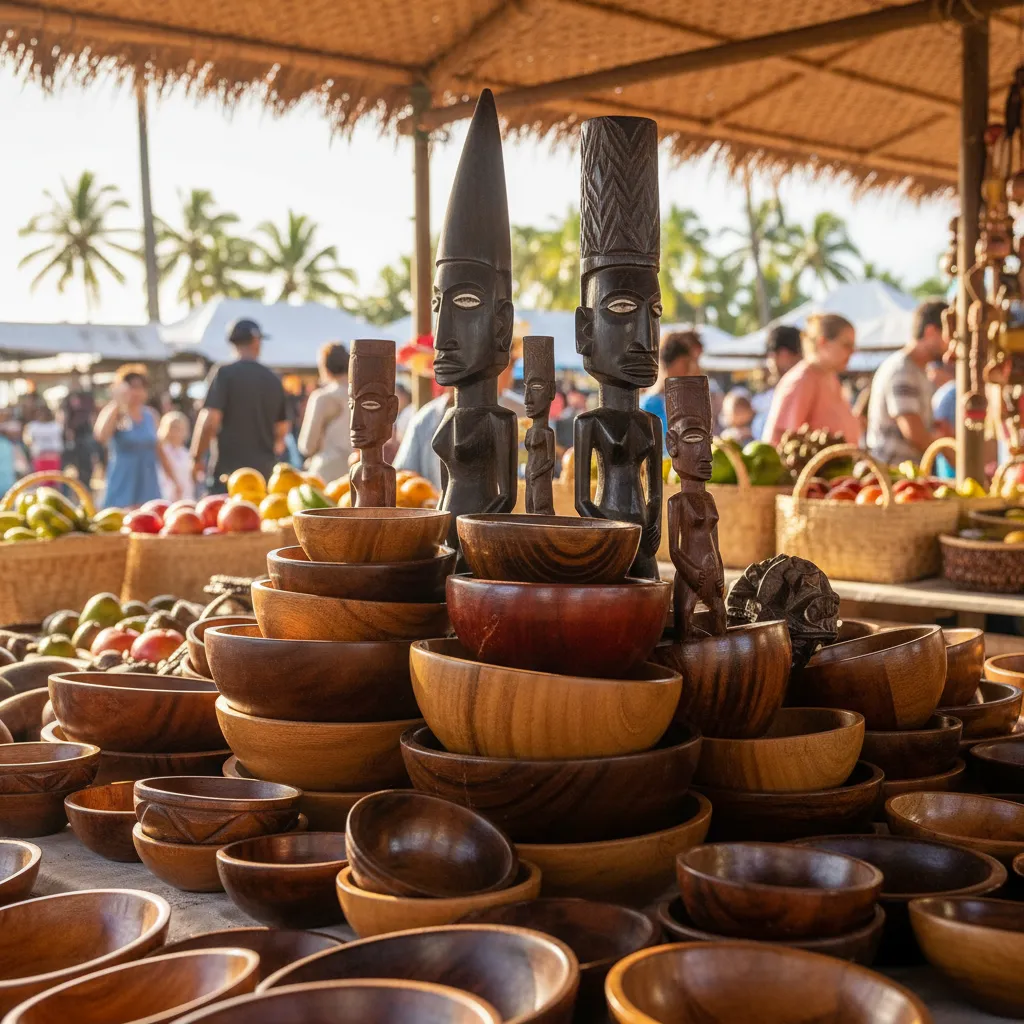
Kanak Carvings and Biosecurity Considerations
The indigenous Kanak culture of New Caledonia produces stunning wood carvings, most notably the ‘La Flèche Faîtière’ (totems placed on the roofs of traditional houses) and various ceremonial masks. These items are often made from ‘Houp’ wood or other native timbers. Because these are often hand-carved and may not undergo industrial processing, they are a primary focus for MPI inspectors.
The Importance of ‘Clean’ Carvings
When purchasing Kanak carvings, look for pieces that have been carved from the heartwood rather than the sapwood. Heartwood is naturally more resistant to insects. Ensure that the carving is free of any soil or organic debris. If the carving is intended to be a significant investment, ask the artisan if the wood has been seasoned or treated. While a local artisan’s verbal assurance isn’t a legal guarantee for NZ Customs, it indicates a higher level of care in the production process.
Cultural Heritage and CITES
Beyond biosecurity, you must also be aware of the Convention on International Trade in Endangered Species (CITES). While most wooden souvenirs from New Caledonia are not made from endangered species, some high-end items involving rare rosewood or specific sandalwood species might require CITES permits. Always check if the wood species used is protected before attempting to export it from New Caledonia and import it into New Zealand.
What to Look for When Buying Souvenirs in Nouméa
To ensure your New Caledonian treasures make it through NZ Customs without a hitch, follow these practical buying tips while shopping in Nouméa or the outer islands like the Isle of Pines.
Visual Inspection Tips
Before buying, give the item a thorough ‘once-over’. Use the following checklist:
- Check for Holes: Look for tiny, perfectly round holes. These are often signs of borer or beetle activity.
- Tap the Wood: Tap the item over a dark surface. If fine dust (frass) falls out, the item is likely infested.
- Avoid Bark: As mentioned, bark is a red flag for MPI. Choose items where the bark has been completely stripped away.
- Look for ‘Seasoned’ Wood: Wood that is very heavy and feels ‘wet’ may still have a high moisture content, which is more attractive to fungi. Lighter, drier wood is generally safer.
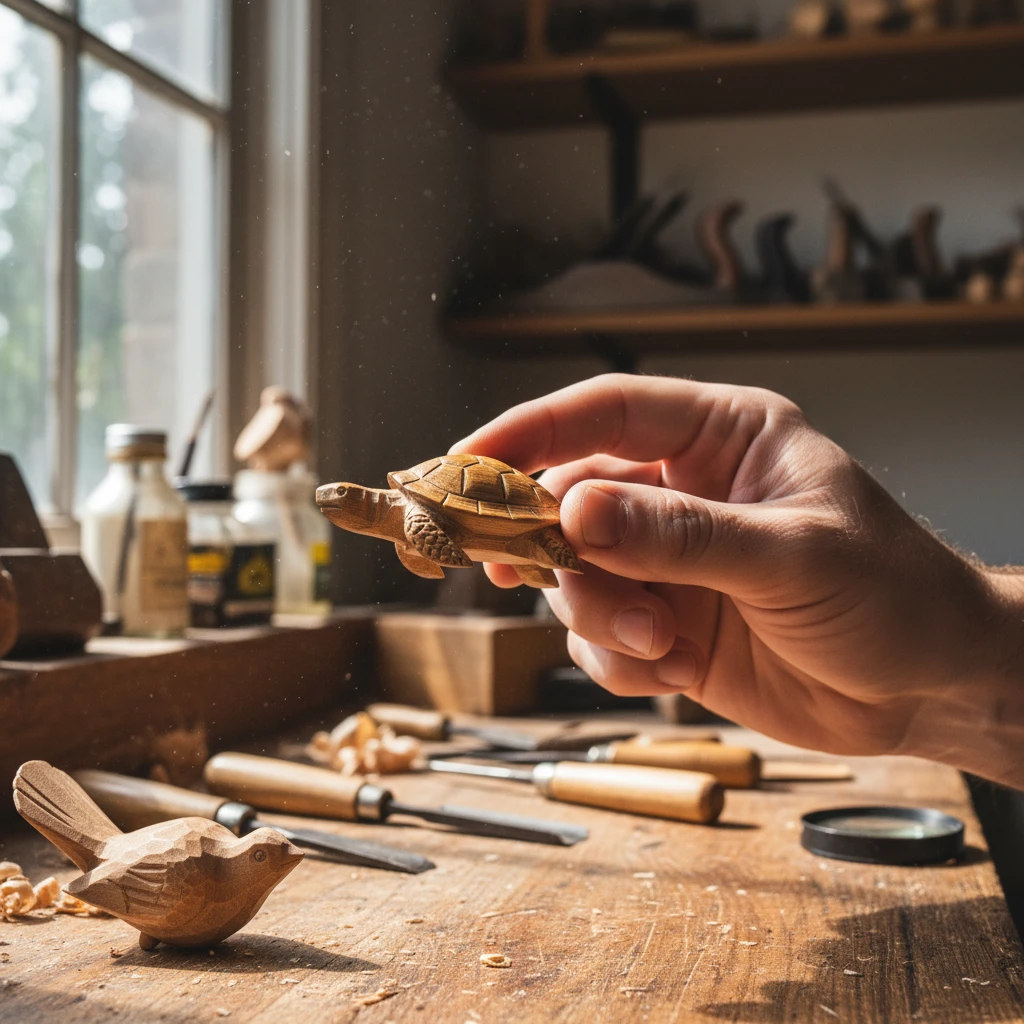
The Declaration Process at the NZ Border
The most critical step in bringing wooden souvenirs back to New Zealand is the declaration process. This happens before you even reach the baggage claim area, via the New Zealand Passenger Arrival Card. Under the section regarding ‘Planted or Plant Products’, you must check ‘Yes’ if you have any wooden items.
The ‘Red’ and ‘Green’ Lanes
After collecting your luggage, you will be directed to either the Green Lane (nothing to declare) or the Red Lane (items to declare). Since you have wooden souvenirs, you must proceed to the Red Lane. Here, an officer will ask to see the items. Being proactive and having the items easily accessible at the top of your suitcase will speed up the process. Most of the time, the officer will perform a quick visual inspection, confirm the wood is clean and processed, and send you on your way within minutes.
What Happens if You Forget?
Forgetfulness is not a valid legal defense at the New Zealand border. If you fail to declare a wooden item and it is discovered during a random X-ray or by a detector dog, you will likely face an immediate $400 NZD infringement fine. For more serious or deliberate attempts to smuggle high-risk wood, fines can reach up to $100,000 NZD or imprisonment.
Consequences of Non-Compliance
The consequences of ignoring MPI rules for wooden souvenirs New Caledonia extend far beyond personal fines. The introduction of a single invasive species can have catastrophic effects on New Zealand’s environment and economy. For example, the Dutch Elm Disease or the Eucalyptus Tortoise Beetle have caused millions of dollars in damage. By adhering to the rules, you are directly contributing to the protection of New Zealand’s natural beauty.
Furthermore, non-compliance can lead to the permanent loss of your souvenir. Many travelers are heartbroken to see an expensive, culturally significant carving destroyed because it contained live larvae that could have been avoided with a more careful selection process or by choosing a different material.

Summary of Best Practices
To summarize, the best way to enjoy your New Caledonia trip and bring home souvenirs safely is to: 1. Purchase only finished, bark-free items. 2. Inspect every piece for signs of insects before buying. 3. Declare all wooden items on your arrival card. 4. Be prepared for a brief inspection at the airport. Following these steps ensures a stress-free return and helps keep New Zealand pest-free.
Do I need to declare small wooden jewelry from New Caledonia?
Yes, all wooden items, regardless of size, must be declared. This includes earrings, beads, and bracelets. While small, finished jewelry is usually low-risk and cleared quickly, it still falls under the MPI plant product regulations.
Can I bring back wooden items with bark if I promise to keep them indoors?
No. MPI regulations do not distinguish between items kept indoors or outdoors. Bark is a high-risk material that can harbor pests regardless of where the item is stored. Items with bark will likely be seized or require professional treatment.
How much does it cost if MPI requires my souvenir to be treated?
Costs vary depending on the treatment method and the size of the item, but you can generally expect to pay between $100 and $300 NZD for basic fumigation, plus additional logistics fees. It is often more expensive than the item itself.
Are there any specific wood species from New Caledonia that are banned?
There are no specific ‘banned’ species from New Caledonia for personal souvenirs, provided they are not listed under CITES. However, the condition of the wood (raw, infested, or containing bark) is the determining factor for entry.
Does a ‘Certificate of Authenticity’ help with NZ Customs?
While a certificate of authenticity is great for proving the cultural value of a Kanak carving, it does not serve as a biosecurity clearance. MPI officers must still physically inspect the item for biological threats.
What happens if my wooden souvenir is part of a larger item, like a drum?
The entire item must be declared. Drums often use animal skins (which have their own MPI rules) and wooden frames. Both components will be inspected for pests and proper tanning/processing.