
When comparing Air New Zealand vs Aircalin, the choice depends on your priorities: Air New Zealand offers superior schedule frequency and Star Alliance connectivity, ideal for business travelers. However, Aircalin provides a more inclusive boutique experience with French-inspired catering and the superior comfort of widebody A330neo aircraft on select routes, often offering better value for leisure travelers wanting full-service amenities.
Choosing between the Kiwi flag carrier and the boutique airline of New Caledonia is a common dilemma for travelers navigating the South Pacific. Both airlines offer modern fleets and distinct cultural hospitality, yet their business models differ significantly in ways that impact your wallet and your comfort.
The Contenders: Air New Zealand vs Aircalin
The trans-Tasman and Pacific Island aviation market is fiercely competitive. On one side, you have Air New Zealand, a global heavyweight known for its quirky safety videos, operational reliability, and membership in the Star Alliance. On the other, Aircalin (Air Calédonie International), a boutique carrier based in Nouméa, which has recently undergone a massive brand and fleet revitalization.
For routes specifically between Auckland (AKL) and Nouméa (NOU), or connecting flights through the Pacific, the differences in “hard product” (the plane and seat) and “soft product” (service and food) are starker than one might assume.
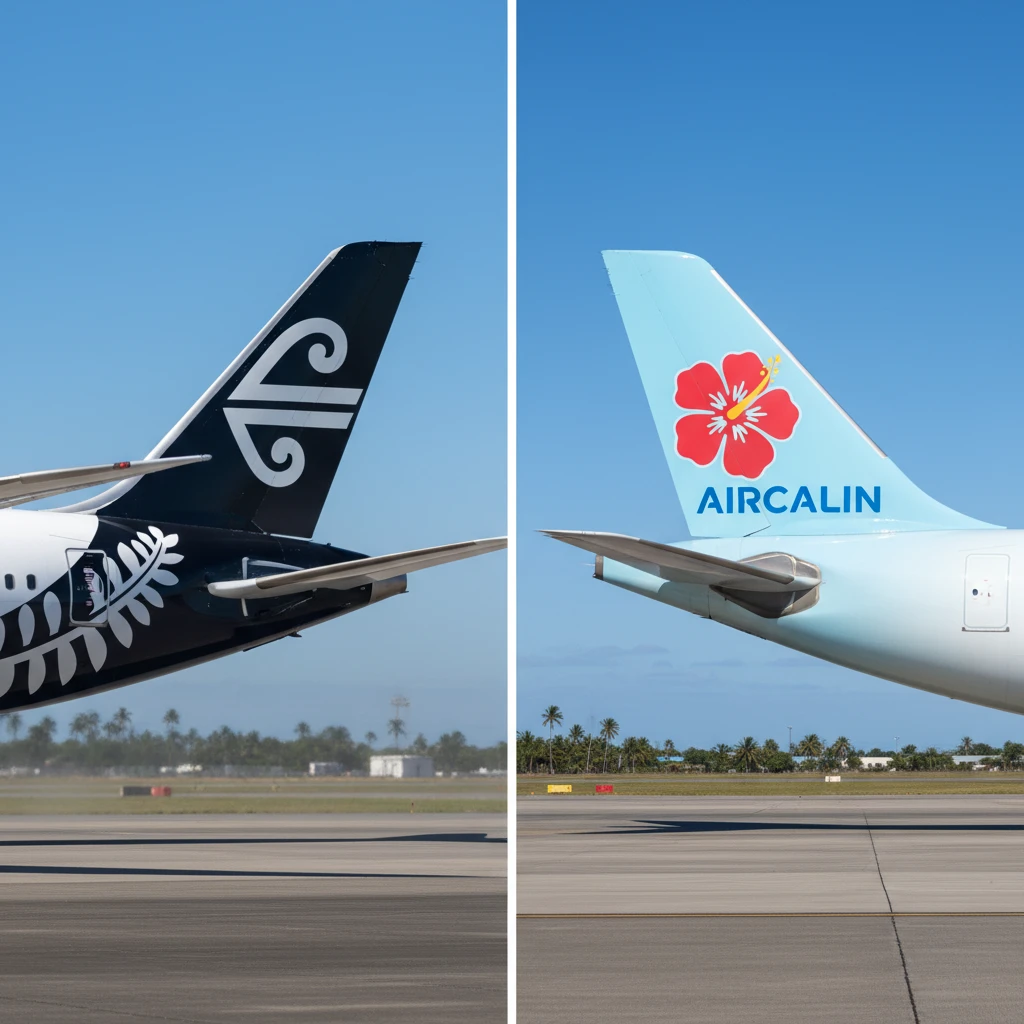
Fleet Comparison: A320neo vs A330neo
The aircraft you step onto dictates the quality of your journey. Both airlines have invested heavily in modernizing their fleets to improve fuel efficiency and passenger comfort, but they utilize different strategies.
What aircraft does Air New Zealand use for Pacific routes?
Air New Zealand primarily utilizes the Airbus A320neo and A321neo for its short-haul Pacific Island and trans-Tasman routes. These are narrow-body (single-aisle) aircraft.
- Configuration: 3-3 layout in Economy.
- Business Class: On these specific narrow-body aircraft, Air New Zealand generally does not offer a lie-flat Business Premier product. Instead, they often offer a “Works Deluxe” product which is essentially Economy with a blocked middle seat, or on certain configurations, a premium leather recliner.
- Atmosphere: Modern, clean, and functional, but distinctly “domestic” in feel.
What aircraft does Aircalin fly?
Aircalin operates a mixed fleet that gives it a unique edge. While they also fly the A320neo for shorter hops, they frequently deploy their flagship Airbus A330-900neo on key routes, including some rotations to Auckland, Sydney, and Tokyo.
- Configuration (A330neo): A wide-body (twin-aisle) aircraft with a 2-4-2 layout in Economy. This is a massive advantage for couples who can have a window and aisle seat with no stranger next to them.
- Business Hibiscus: Aircalin’s A330neo features a true international Business Class with fully lie-flat seats in a 1-2-1 configuration, offering direct aisle access for every passenger.
- Atmosphere: Spacious, quieter engines, and a true “long-haul” feeling even on shorter flights.
Cabin Comfort & Seating Configurations
When analyzing the Air New Zealand vs Aircalin review data regarding seat comfort, the specifics of pitch and width become critical.
Economy Class Showdown
Air New Zealand offers a standard seat pitch of approximately 30-31 inches on their A320/321neo fleet. The seats are slimline, designed to maximize capacity. While the leather upholstery is high quality, the padding can feel firm after three hours. The In-Flight Entertainment (IFE) screens are crisp and responsive, featuring a vast library of Hollywood blockbusters and Kiwi content.
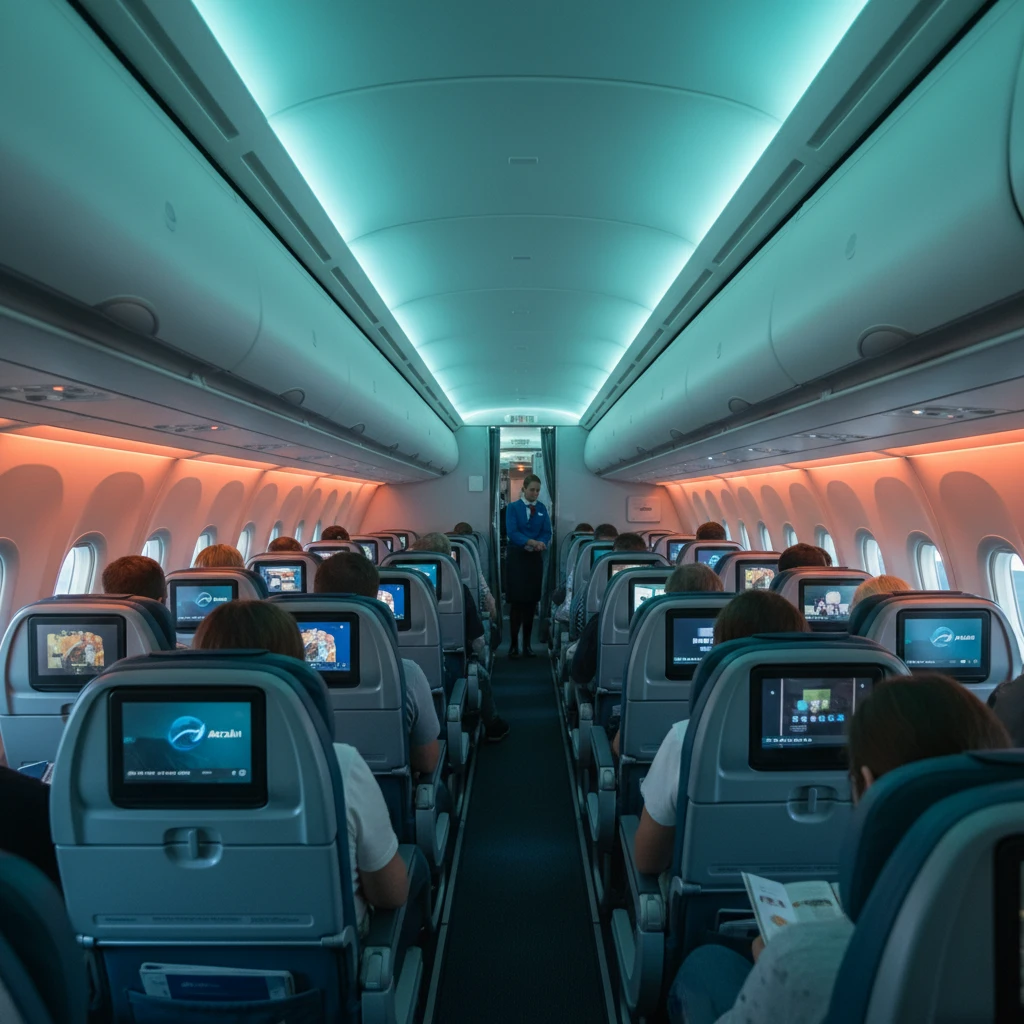
Aircalin, particularly on the A330neo, offers a distinct advantage. The cabin features mood lighting inspired by the lagoon colors of New Caledonia. The 2-4-2 configuration in Economy is widely regarded as the most comfortable layout for economy travelers, reducing the “middle seat” probability. The seat pitch is comparable (31 inches), but the sense of space in the widebody cabin reduces claustrophobia.
Business Class Comparison
This is where Aircalin often takes the lead on equipment, while Air New Zealand relies on service frequency.
- Air NZ Short-Haul Business: Often just a standard seat with a blocked middle, or a recliner. It is functional but lacks the “wow” factor.
- Aircalin Hibiscus Class: On the A330neo, the Stelia Opal seats transform into a fully flat bed. Even on a 3-hour flight to Auckland, this offers a level of luxury that Air NZ’s narrow-body fleet cannot match.
In-Flight Service & Dining: Kiwi vs French
The cultural DNA of each airline shines through in their soft product.
Air New Zealand: Seats to Suit
Air New Zealand operates a “Seats to Suit” model on short-haul international flights. This unbundled approach means your experience depends entirely on your ticket type:
- Seat Only: No bag, no food, no movies (on some aircraft).
- The Works: Includes checked bag, meal, drinks, and movies.
If you purchase a lower-tier ticket, you will be offered water, tea, or coffee, but snacks must be purchased. The famous “Cookie Time” cookie is a staple, but the lack of a complimentary full meal on lower fares can catch travelers off guard. The service style is casual, friendly, and efficient—very Kiwi.
Aircalin: The French Touch
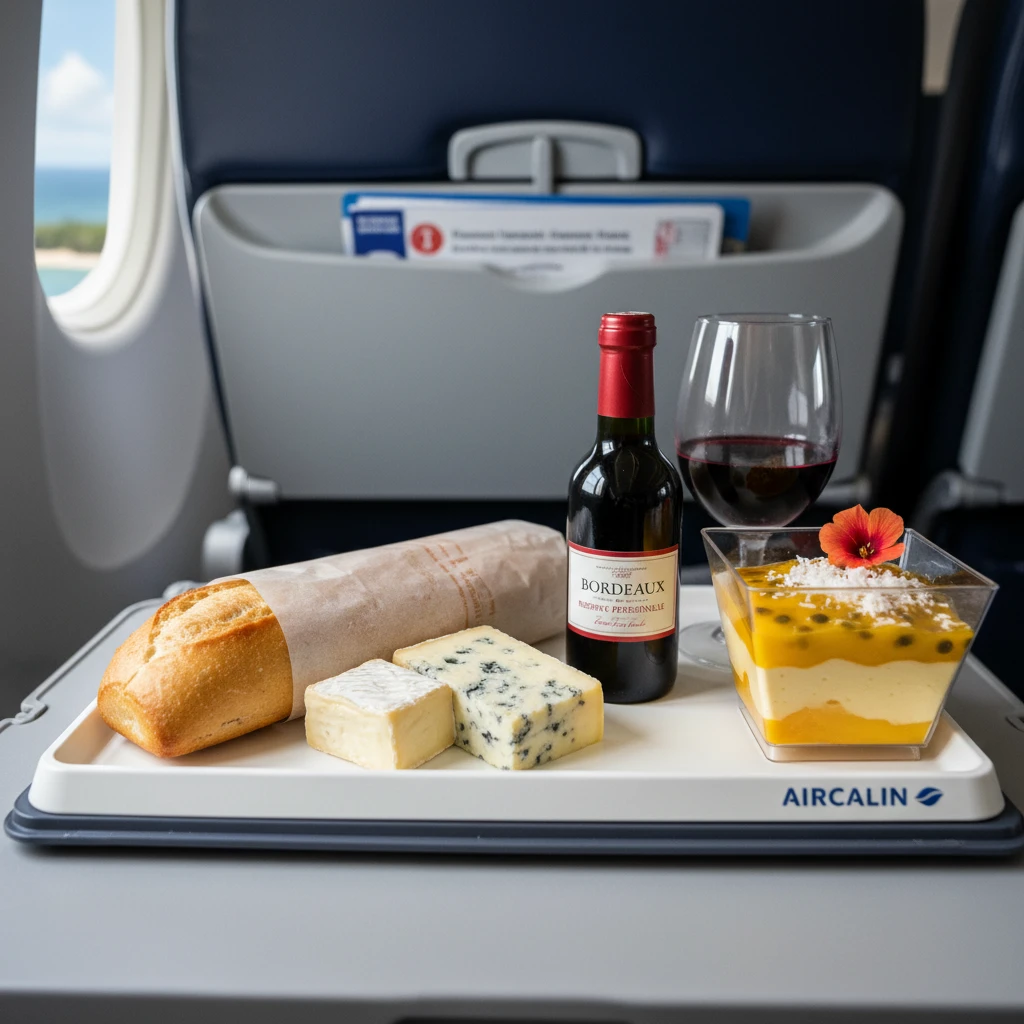
Aircalin operates closer to a traditional full-service model. Even in Economy, passengers generally receive a complimentary meal and beverage service that reflects the culinary heritage of New Caledonia and France.
Expect to see French wines, cheeses, and warm baguettes even on short sectors. The crew uniforms and cabin aesthetic channel a “Pacific elegance.” For foodies, Aircalin often edges out Air New Zealand due to the inclusion of alcohol and higher-quality catering as a standard rather than an add-on.
Price vs Value Analysis
Determining which airline is cheaper requires looking past the headline fare.
The Hidden Costs of Air NZ
Air New Zealand often displays a lower initial price point on search engines like Skyscanner or Google Flights. However, this is usually the “Seat Only” fare. Once you add a checked bag (typically $60-$80 NZD) and a meal, the price parity shifts.
Best for: Backpackers or business travelers on day trips who do not need luggage.
The Inclusive Value of Aircalin
Aircalin’s fares generally include a checked allowance (usually 23kg) and full meal service. While the sticker price may appear higher initially, it often represents better value for families or holidaymakers carrying luggage.
Best for: Families, long-term vacationers, and travelers bringing sports equipment (like surfboards or dive gear), as Aircalin has generous sporting goods policies.
Loyalty Programs: Airpoints vs Flying Blue
For frequent flyers, the alliance affiliation is often the deciding factor.
Air New Zealand Airpoints (Star Alliance)
Airpoints is a transparent program where 1 Airpoints Dollar = $1 NZD. It is incredibly easy to understand and redeem.
- Pros: Easy to use for any seat on any flight; Star Alliance network is massive (United, Singapore Airlines, Lufthansa).
- Cons: Earning rates on cheaper fares are negligible; Status points are hard to accrue without high spend.
Aircalin & Flying Blue
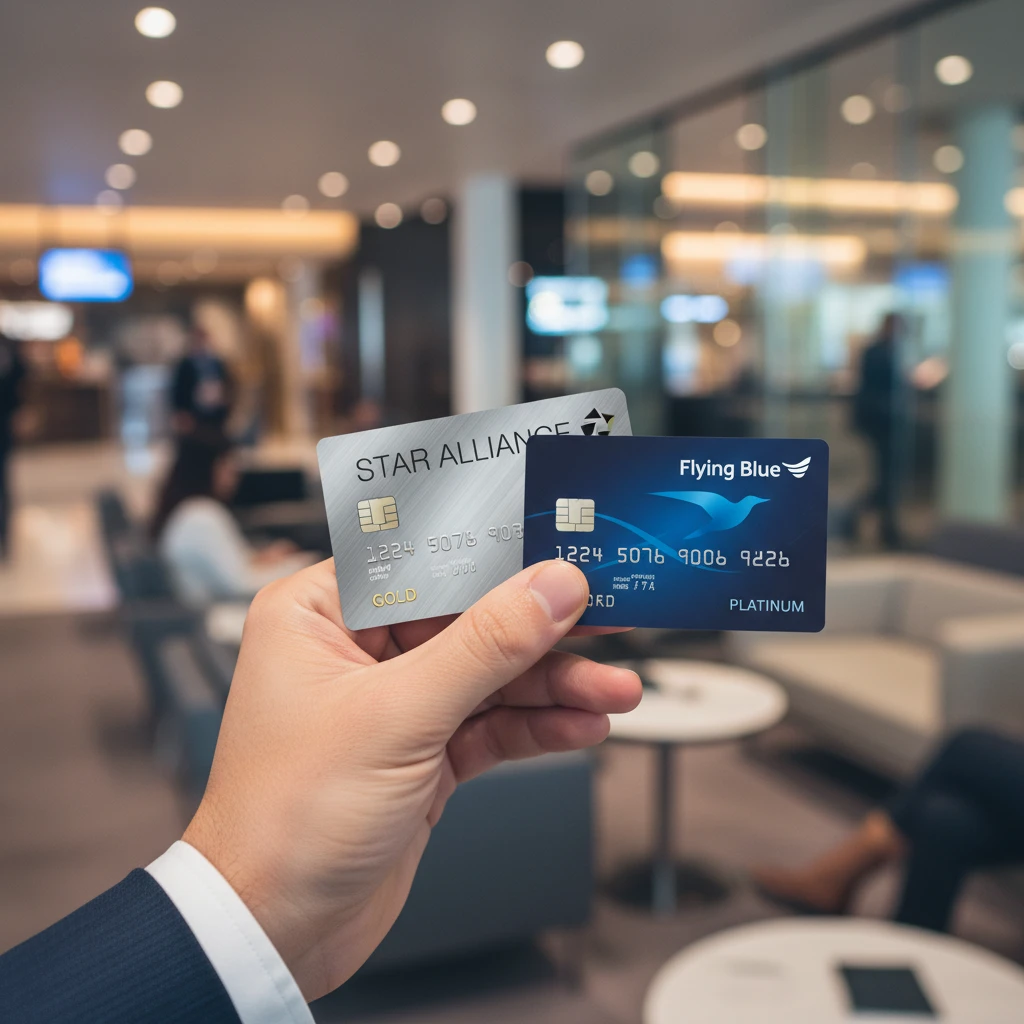
Aircalin partners with Flying Blue (the loyalty program of Air France and KLM). This is a significant draw for European travelers or those loyal to the SkyTeam alliance ecosystem.
- Pros: Earn miles that can be used on Air France, KLM, and partners; frequent promo rewards.
- Cons: Dynamic pricing for redemptions can be confusing; fewer partner airlines in the immediate Oceania region compared to Star Alliance.
The Final Verdict
Who wins the Air New Zealand vs Aircalin showdown?
Choose Air New Zealand if:
- You are a Star Alliance Gold member wanting lounge access.
- You are traveling light (carry-on only) and want the cheapest base fare.
- You need multiple daily frequency options (schedule flexibility).
Choose Aircalin if:
- You want a full-service experience with meals and bags included.
- You can book a flight operated by the A330neo for widebody comfort.
- You appreciate French wine and cuisine.
- You are a couple wanting 2-abreast seating (on the A330).
People Also Ask
Is Aircalin a safe airline?
Yes, Aircalin maintains a high safety standard. It is IOSA (IATA Operational Safety Audit) registered and adheres to strict European Aviation Safety Agency (EASA) regulations. Their fleet is very modern, consisting primarily of new Airbus A320neo and A330neo aircraft.
Does Air New Zealand serve food on flights to Nouméa?
It depends on your ticket type. If you purchase a “Seat Only” or “Seat + Bag” fare, food is not included (though water, tea, and coffee are). You must purchase a “The Works” or “Works Deluxe” fare to receive a complimentary meal and drinks.
What is the difference between Aircalin Economy and Premium Economy?
On the A330neo, Aircalin’s Premium Economy offers a dedicated cabin with wider seats, more legroom, enhanced recline, and upgraded catering compared to standard Economy. It serves as a middle ground between Economy and Business Hibiscus.
Are Air New Zealand seats comfortable?
Air New Zealand’s seats on the A320/321neo are modern slimline seats. While they offer good width, some travelers find the padding firm for flights longer than 3 hours. Legroom is standard for the industry at roughly 30-31 inches.
Can I use Airpoints on Aircalin?
Generally, no. Air New Zealand and Aircalin have had codeshare agreements in the past, but they belong to different loyalty ecosystems (Star Alliance vs Flying Blue/non-aligned). You usually cannot earn or redeem Airpoints Dollars on Aircalin marketed and operated flights.
Which airline has better baggage allowance?
Aircalin is generally superior for baggage as they typically include 23kg of checked luggage on standard economy fares, plus generous allowances for sporting equipment (like surfboards) up to 23kg extra on certain routes. Air New Zealand charges extra for bags on their lowest fare tiers.