
The best things to do in New Caledonia include exploring the UNESCO World Heritage lagoon through snorkeling and diving, hiking the red earth trails of the Great South, and experiencing authentic Kanak culture. From kitesurfing in Noumea to spotting the endemic Cagou bird in Blue River Park, this archipelago offers diverse eco-adventures just a short flight from New Zealand.
What are the top water-based activities in New Caledonia?
New Caledonia is home to the world’s largest enclosed lagoon and the second-longest double barrier reef, making it a premier destination for aquatic exploration. For New Zealand travelers accustomed to the Pacific Ocean, the sheer biodiversity and clarity of these UNESCO-listed waters offer a distinct and mesmerizing experience. The lagoon is not merely a place to swim; it is a complex ecosystem teeming with life, offering activities ranging from high-adrenaline sports to tranquil observation.
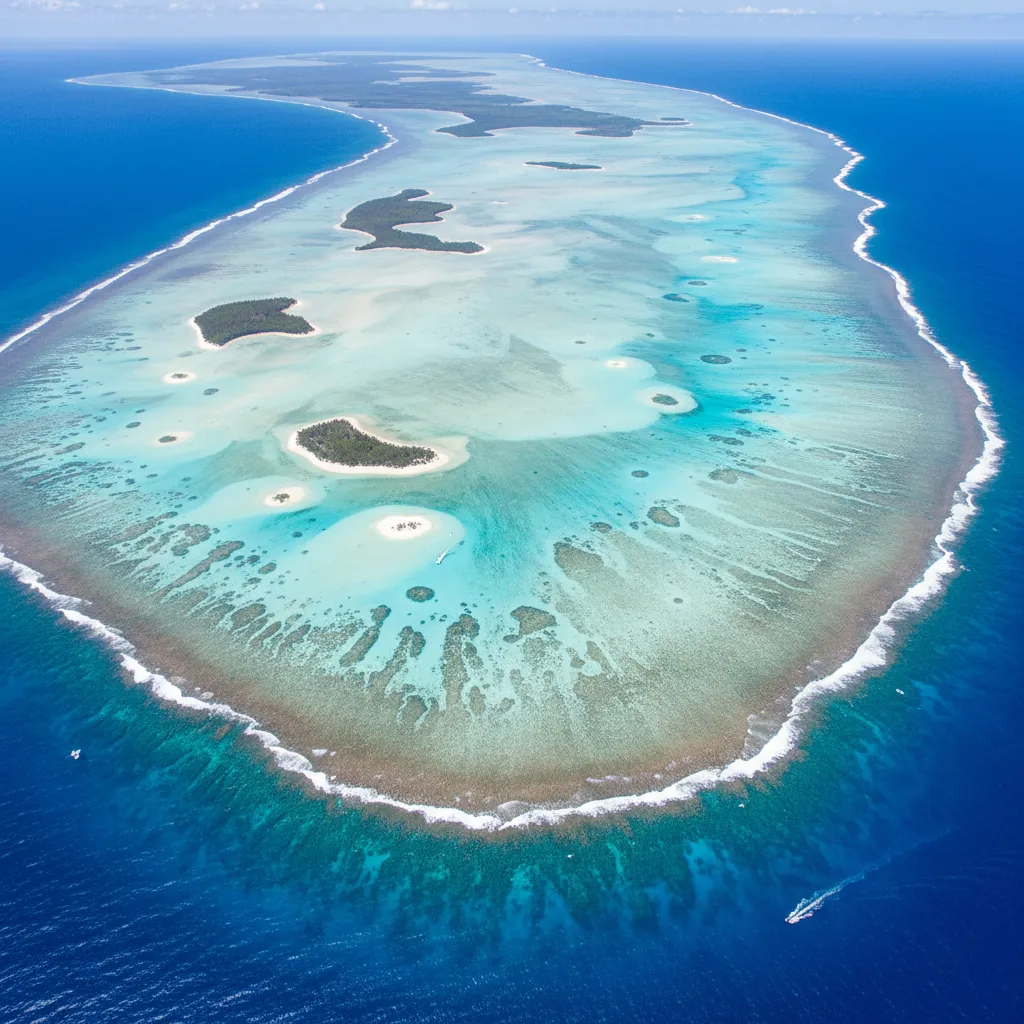
Snorkeling and Scuba Diving the Barrier Reef
Diving in New Caledonia is often cited as a bucket-list experience for underwater enthusiasts. The barrier reef encircles the main island, Grand Terre, creating a protected sanctuary for marine life. Key locations include the Poindimié reef on the East Coast, known for its pristine soft corals, and the famous needle-shaped coral structures in the Bay of Prony.
For snorkelers, the Isle of Pines (Île des Pins) offers the natural pool at Oro Bay (La Piscine Naturelle). Separated from the open ocean by a rock wall, this aquarium-like pool is safe, calm, and filled with colorful tropical fish. It requires a short walk through a rainforest path, adding a terrestrial adventure before you even hit the water.
Kayaking the Drowned Forest
One of the most surreal things to do in New Caledonia is kayaking through the Drowned Forest (Forêt Noyée) in the Blue River Provincial Park. Here, ancient kaori trees stand bleached and preserved in the artificial lake of Yaté. Paddling silently among these ghostly trunks, especially at dawn or dusk, provides a hauntingly beautiful experience that contrasts sharply with the tropical beaches usually associated with the Pacific.
Sailing and Catamaran Charters
With trade winds that are consistent and reliable, sailing is integral to the local lifestyle. Visitors can charter catamarans from Noumea to explore the surrounding islets, such as Îlot Maître or Îlot Canard. These excursions often include opportunities to swim with Green Sea Turtles, which are abundant in the seagrass beds surrounding the islets. For the eco-adventurer, choosing a wind-powered vessel aligns perfectly with sustainable travel principles, minimizing the carbon footprint while maximizing access to secluded coves.
Where are the best hiking trails in New Caledonia?
Beyond the lagoon, New Caledonia’s landscape is defined by a central mountain range and distinctive red soil rich in nickel and iron. This terrain offers hiking opportunities that are vastly different from the lush ferns of New Zealand, characterized instead by maquis shrubland, prehistoric flora, and dramatic red earth.
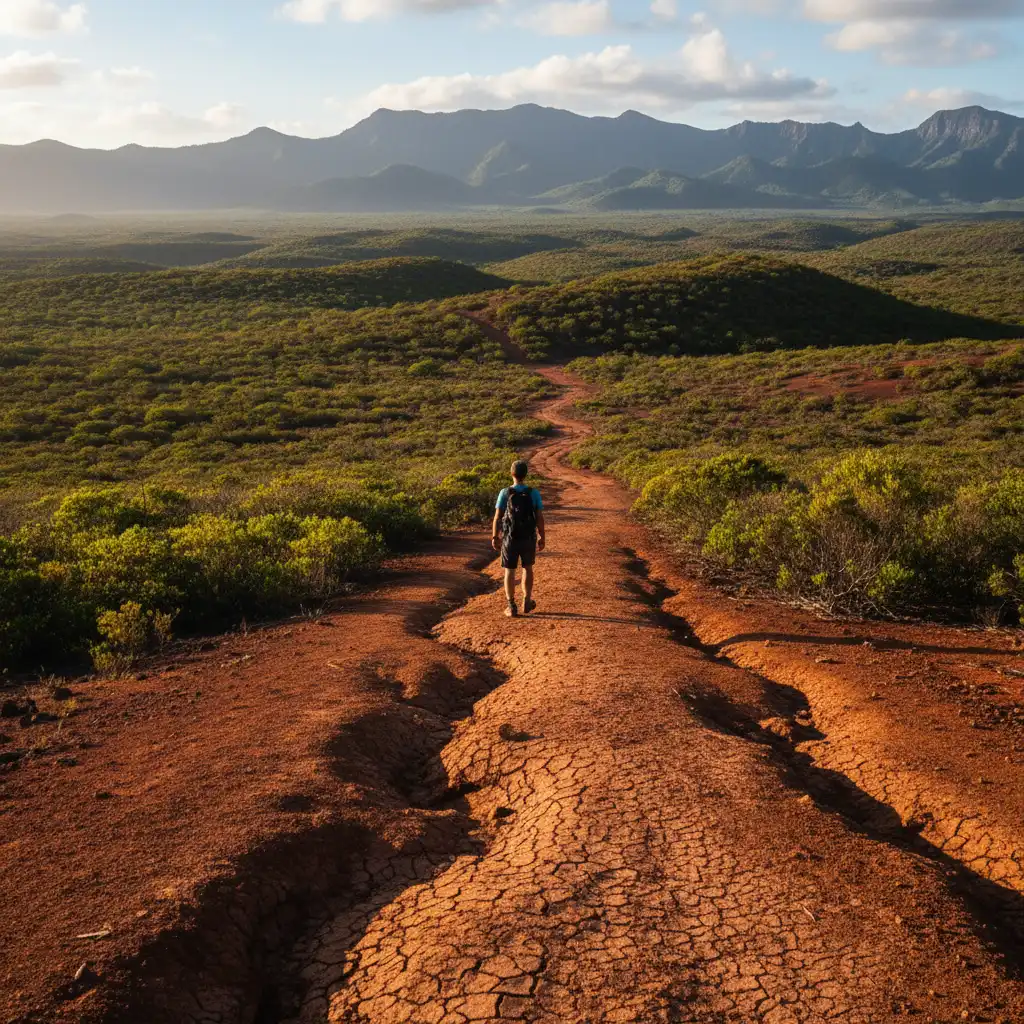
Trekking the Great South (Grand Sud)
The Great South is a geologist’s dream and a hiker’s paradise. The soil here is a vibrant crimson, contrasting with the green vegetation and the blue sky. A must-do hike is the ascent of Mont-Dore, which looms over Noumea. While challenging, the summit offers a 360-degree view of the lagoon and the southern tip of the island. For a less vertical but equally stunning trek, the trails around the Yaté Dam and the Blue River Provincial Park allow you to walk among giant Kaori trees that are over 1,000 years old.
The GRNC1: A Great Walk of the Pacific
For serious trekkers, the GRNC1 is a long-distance hiking trail that traverses the southern part of Grande Terre. Modeled after the famous French “Grande Randonnée” trails, it is divided into several stages. The trail takes you through mining heritage sites, humid forests, and arid maquis. It requires preparation and autonomy, as some sections are remote. However, huts and refuges are available along the route, allowing for multi-day itineraries that immerse you deeply in the island’s raw wilderness.
Exploring the Deva Domain
Located on the West Coast near Bourail, the Deva Domain offers a network of trails that are shared between hikers, mountain bikers, and horse riders. The trails wind through dry forests and climb to ridges that offer spectacular views of the Poé Lagoon and the “Shark Fault”—a break in the reef. The biodiversity here is unique, with dry forest ecosystems that are currently the focus of significant conservation efforts.
How can tourists experience local wildlife responsibly?
New Caledonia is a biodiversity hotspot with a high rate of endemism. For the eco-adventurer, observing wildlife here is about patience and respect. Unlike destinations with large land mammals, the fauna here is more subtle—birds, reptiles, and marine life dominate.
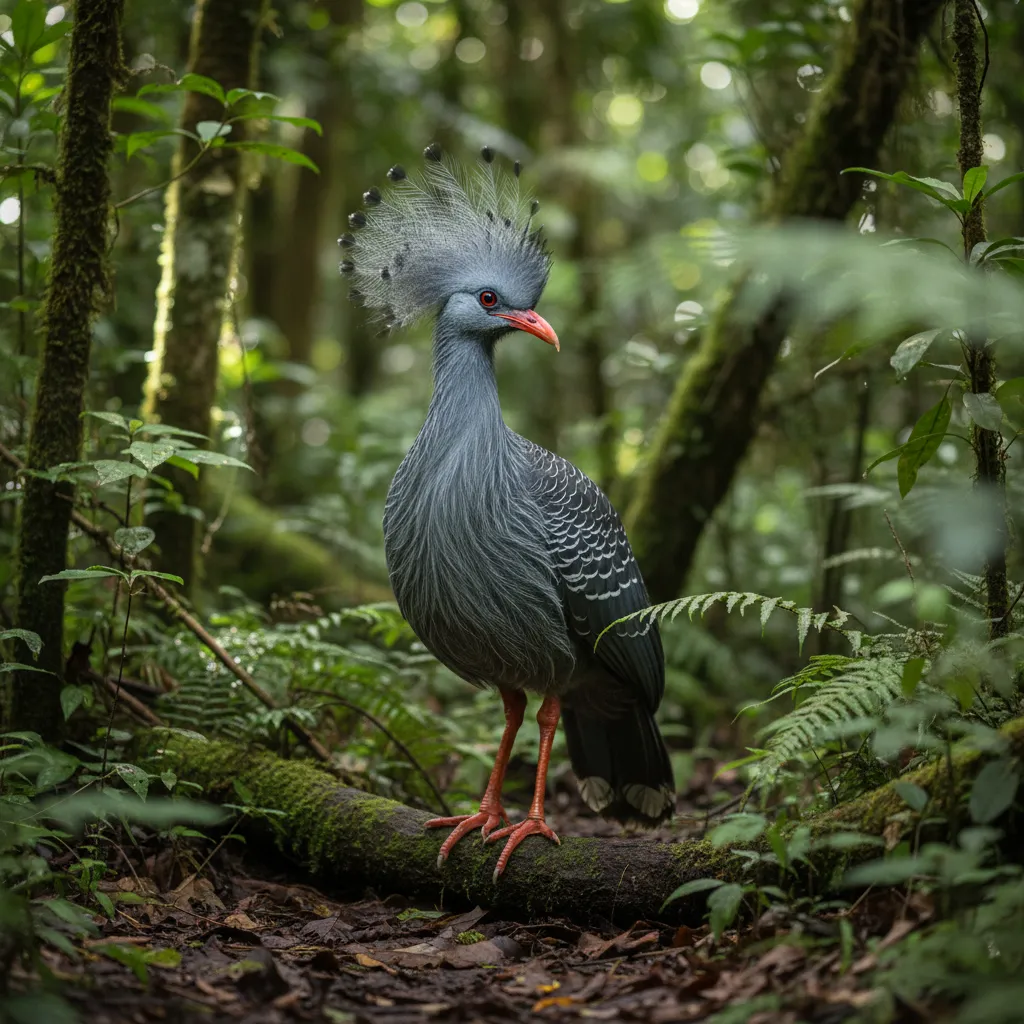
Spotting the Cagou
The Cagou (or Kagu) is the national emblem of New Caledonia. It is a flightless bird with a striking crest and a unique bark that sounds like a dog. The best place to see a Cagou in the wild is the Blue River Provincial Park. Because they have few natural predators on the ground in this protected area, they are surprisingly curious and may approach quiet hikers. Seeing a Cagou in its natural habitat is a highlight for birdwatchers and nature lovers alike.
Whale Watching in the South
From July to September, Humpback whales migrate from the Antarctic to the warm waters of New Caledonia to breed and calve. The Bay of Prony and the waters around the Isle of Pines are prime viewing spots. Strict regulations are in place to ensure boats do not disturb the whales, making this a model for sustainable wildlife tourism. Tours depart regularly from the south, offering a chance to witness these giants breaching and tail-slapping against a backdrop of red mountains.
The Aquarium des Lagons
While wild encounters are preferable, the Aquarium des Lagons in Noumea is a world-class facility dedicated to research and conservation. It is an excellent starting point for eco-adventurers to learn about the species they will encounter in the wild, including the glowing flashlight fish and the prehistoric nautilus. The aquarium plays a vital role in turtle rescue and rehabilitation.
What sports and leisure activities are available?
New Caledonia’s climate and geography make it an ideal playground for outdoor sports. The trade winds, known as the Alizés, fuel a vibrant wind-sport culture, while the diverse terrain supports everything from golf to mountain biking.
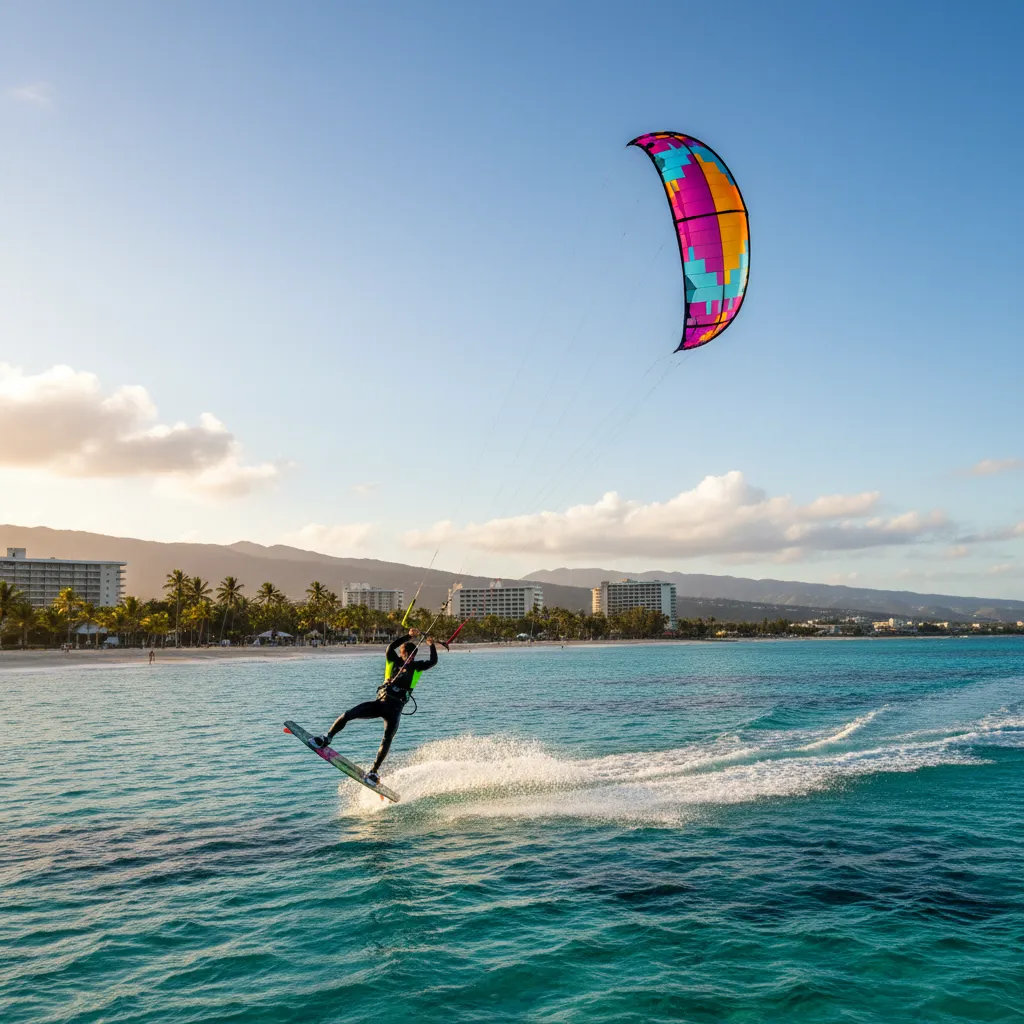
Kitesurfing and Windsurfing
Noumea is considered one of the windsurfing capitals of the world. Anse Vata and Côte Blanche are the main hubs, where the lagoon provides flat water for speed and freestyle, while the outer reef offers wave riding. International competitions are frequently held here. For beginners, there are numerous schools offering lessons in English, making it an accessible sport for Kiwi travelers looking to try something new.
Skydiving Over the Lagoon
For the ultimate adrenaline rush, skydiving in New Caledonia offers a visual feast. Jumping from 10,000 feet, you get a bird’s-eye view of the barrier reef’s immense scale. The contrast of the turquoise lagoon, the deep blue ocean, and the red earth of the mainland is a spectacle that can only be fully appreciated from above. The drop zones usually land near the Poé lagoon or in Noumea, ensuring a scenic descent from start to finish.
Golfing in Paradise
Golfers will find exceptional courses in New Caledonia. The Exclusiv Golf Deva near Bourail is a standout, designed by Dye Designs. It integrates the natural landscape of the Deva Domain, offering a challenging course that respects the environment. Closer to the capital, the Tina Golf Course offers a mix of mangroves and dry forest, providing a unique ecological backdrop to the game.
How to experience Kanak culture and local food?
An eco-adventure is incomplete without understanding the people who have stewarded the land for millennia. The Kanak culture is deeply connected to nature, and engaging with it provides context to the physical landscapes you explore.
The Tjibaou Cultural Centre
Designed by Renzo Piano, this architectural masterpiece in Noumea is inspired by traditional Kanak huts. It houses contemporary Pacific art, historical artifacts, and botanical gardens that explain the mythical significance of local plants. It is a profound place to learn about the Kanak worldview and the complex history of the archipelago.
Tribal Homestays and “La Coutume”
To truly connect, consider a tribal homestay on the East Coast or in the Loyalty Islands. Here, you can participate in “La Coutume” (custom), a gesture of exchange and respect upon entering a tribe. You might be invited to share a Bougna, a traditional dish of yams, taro, and meat wrapped in banana leaves and cooked in an earth oven. This is slow food at its finest and a direct link to the land.
Practical Tips for New Zealand Travelers
New Caledonia offers a “France in the Pacific” vibe that is distinct from other island nations. Here is how to prepare for your trip.
Getting There and Around
Flights from Auckland to Noumea (La Tontouta International Airport) take just under three hours. While renting a car is the best way to explore Grande Terre, domestic flights are necessary to reach the Loyalty Islands (Lifou, Maré, Ouvéa) and the Isle of Pines. Book these internal flights well in advance, especially during peak seasons.
Currency and Language
The currency is the Pacific Franc (XPF), which is pegged to the Euro. While many people in the tourism industry speak English, French is the official language. Learning a few basic phrases is appreciated and helps in navigating smaller towns. New Zealanders do not need a visa for short tourist stays.
Best Time to Visit
The best time to visit is during the shoulder seasons: April to June and September to November. During these months, the trade winds are pleasant, and the temperatures are moderate (20°C – 26°C). September is particularly good for whale watching. The hot, wet season runs from December to March, which can be humid and prone to tropical cyclones.
Is New Caledonia expensive for New Zealand tourists?
New Caledonia is generally more expensive than Southeast Asia or other Pacific Islands like Fiji. Prices for food, accommodation, and activities are comparable to New Zealand or slightly higher, due to the high standard of living and imported French goods. However, budgeting is manageable by shopping at local markets and supermarkets (Casino, Johnston) rather than eating out for every meal.
Do I need to speak French to visit New Caledonia?
While French is the official language, English is widely spoken in hotels, tour agencies, and major tourist attractions in Noumea. In rural areas and tribal settings, English may be limited. Downloading a translation app or carrying a phrasebook is recommended for smoother interactions in the “brousse” (bush).
Is it safe to swim in the lagoon?
Yes, swimming in the lagoon is generally very safe. Most tourist beaches are protected by the barrier reef, preventing large waves and strong currents. However, visitors should be aware of marine life. While shark incidents are rare, it is advisable to swim in guarded areas and avoid swimming at dusk or dawn, or near fishing activities.
What is the best way to get around the main island?
Renting a car is highly recommended for the main island (Grande Terre). The roads are generally in good condition, and having a vehicle gives you the freedom to explore the diverse landscapes from the West Coast plains to the East Coast rainforests. Public buses (Raï) exist but may not align with a tight tourist schedule.
Can I drink the tap water in New Caledonia?
Tap water is safe to drink in Noumea and most major towns. It is of high quality and meets European standards. However, in remote tribal areas or on some of the smaller islands, it is advisable to ask locals or stick to bottled or filtered water to be safe.
What should I pack for an eco-adventure trip?
Pack reef-safe sunscreen to protect the coral, sturdy hiking boots for the red earth trails (which can stain shoes), a rash guard for snorkeling, and insect repellent. A lightweight rain jacket is essential as weather can change quickly, especially in the mountains. Don’t forget a universal travel adapter, though NZ plugs often fit into the 2-pin sockets with an adapter.