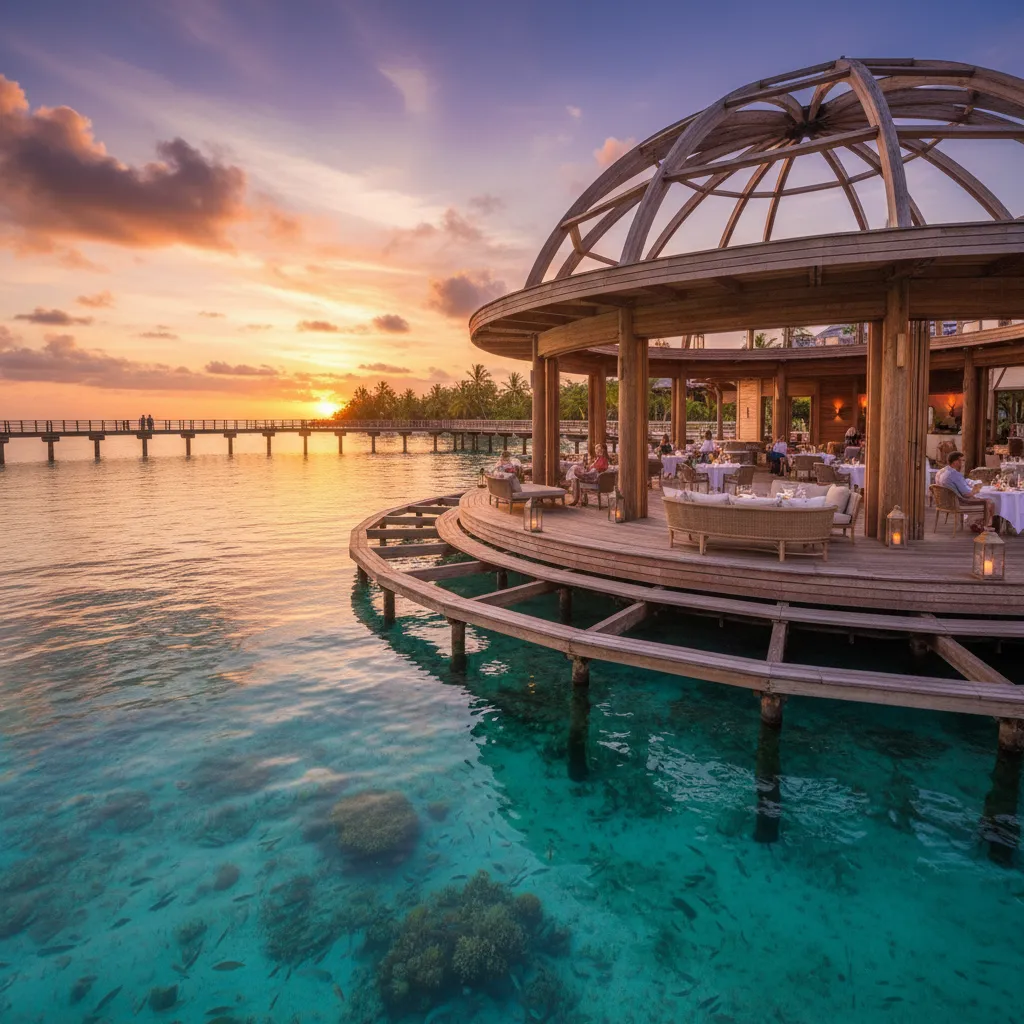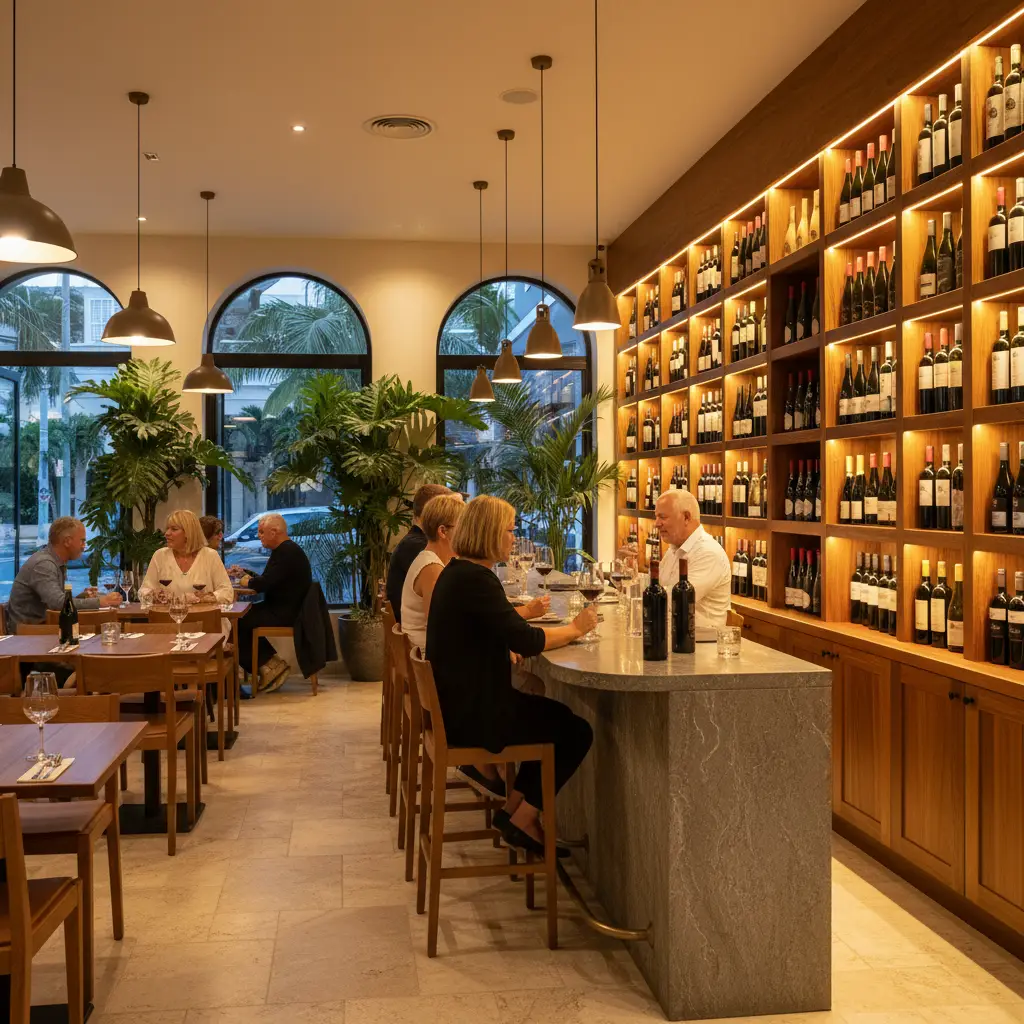
Wine tasting in New Caledonia offers a unique opportunity to experience prestigious French vintages in a tropical setting. Rather than touring vineyards, visitors explore extensive climate-controlled cellars (caves) and participate in sommelier-led masterclasses in Nouméa, enjoying exclusive access to Bordeaux, Burgundy, and Champagne imports paired with local Pacific gastronomy.
For New Zealand travelers, New Caledonia represents the closest and most accessible gateway to authentic French culture. Known as the “Paris of the Pacific,” this archipelago offers a sophisticated culinary scene where the wine list is as important as the menu. While the tropical climate prevents large-scale local viticulture, the territory’s status as a French collectivity ensures a steady stream of high-quality, often exclusive, wines directly from metropolitan France. Whether you are a connoisseur looking for a rare Grand Cru or a casual enthusiast seeking a refreshing Rosé to enjoy by the lagoon, New Caledonia offers a tasting experience that rivals Paris, all just a short flight from Auckland.
The French Wine Culture of the Pacific
To understand wine tasting in New Caledonia, one must first adjust their expectations regarding the venue. Unlike the rolling vine-covered hills of Marlborough or Central Otago, the wine experience here is urban, chic, and centered around the caviste (wine merchant). The tropical heat and humidity are generally unsuitable for traditional grape growing, meaning there are no commercial vineyards to trek through. However, this is not a limitation; it is a gateway to variety.
Because of the strong trade links with France, New Caledonia receives shipments of wines that rarely make it to the shelves in New Zealand or Australia. We are talking about small-batch productions from the Loire Valley, specific châteaux from Bordeaux, and robust reds from the Rhône Valley. The “tour” in New Caledonia is a tour of the palate, guided by experts who are often French expatriates bringing their deep knowledge of terroir to the South Pacific.
Exclusive Wine Cellar Tours (Les Caves)
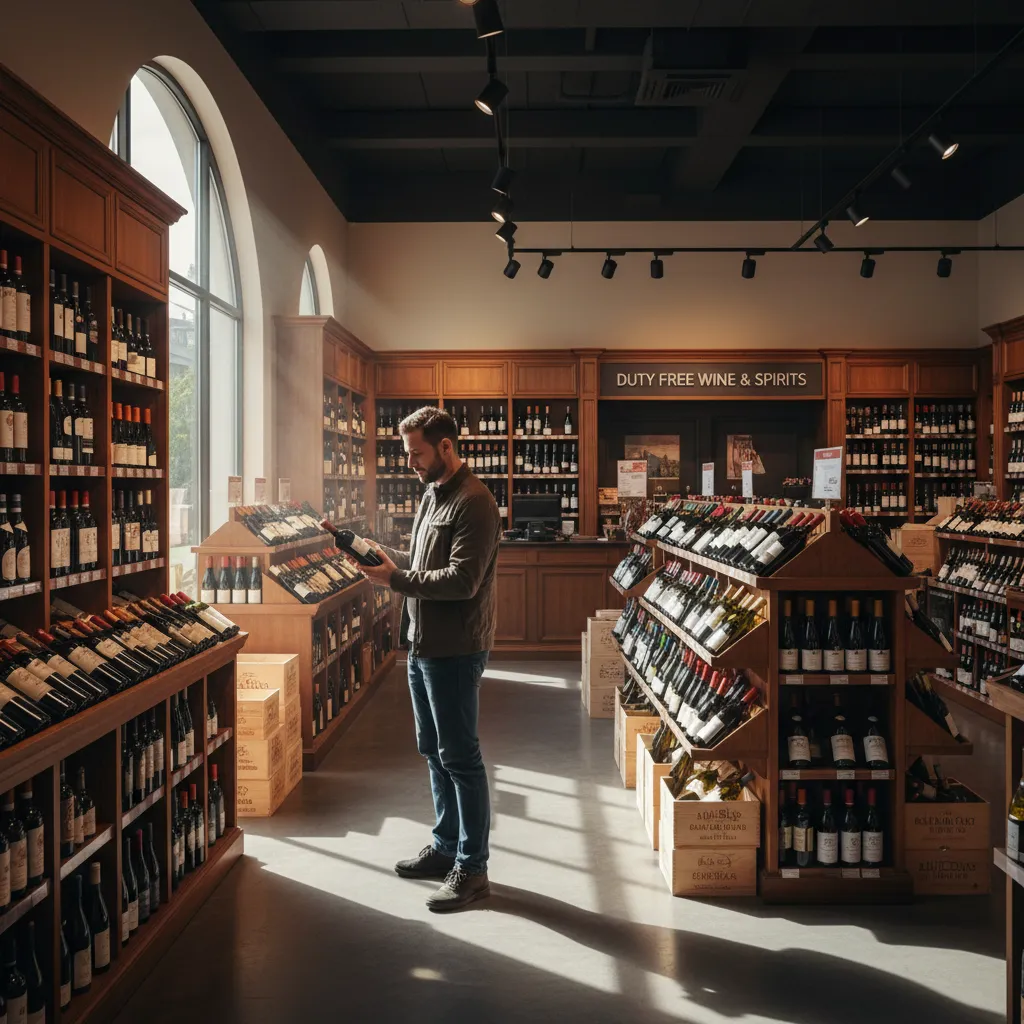
The equivalent of a vineyard tour in Nouméa is the Cave tour. These are specialized wine shops, often with temperature-controlled tasting rooms designed to protect delicate vintages from the tropical heat. Visiting these establishments is a commercial adventure where the shelves tell the history of French winemaking.
What to Expect in a Nouméa Wine Cellar?
When you enter a high-end Cave in Nouméa, you are stepping into a library of wines. The best establishments offer structured walkthroughs where you learn about the different appellations (AOC). You will find sections dedicated to:
- Champagne: Not just the big brands, but grower Champagnes that offer incredible value and unique flavor profiles.
- Bordeaux: From affordable table wines to investment-grade bottles locked in glass cabinets.
- Burgundy (Bourgogne): Exploring the nuance of Pinot Noir and Chardonnay from their spiritual home.
- Alsace and Loire: Aromatic whites that pair perfectly with the humid climate.
Many of these shops offer “degustation” (tasting) counters. Here, you can purchase a tasting flight—usually three to five glasses of different wines—accompanied by a charcuterie board featuring imported French cheeses and cured meats. It is an immersive experience that transports you straight to a bistro in Lyon or Paris.
Sommelier-Led Tastings and Masterclasses
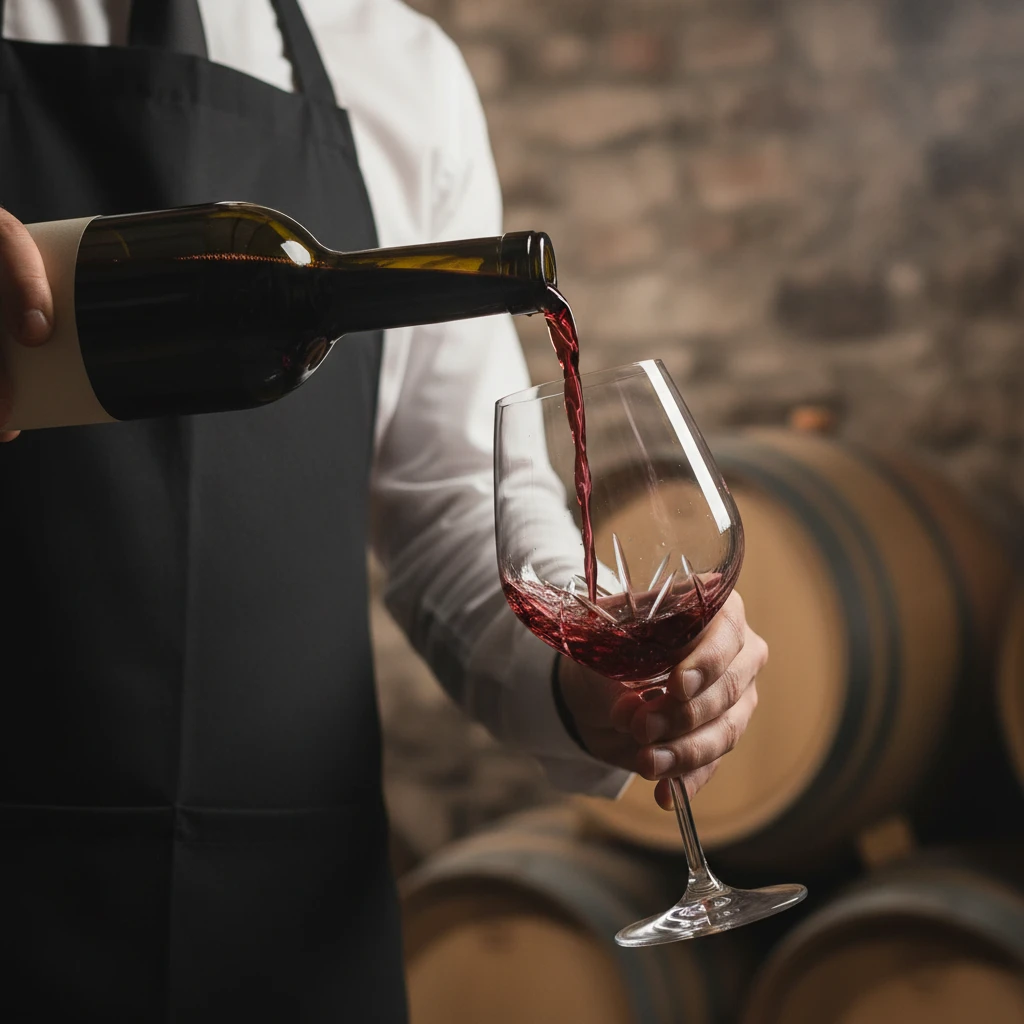
For those seeking a deeper educational experience, several venues and hotels in Nouméa offer private or group masterclasses led by certified sommeliers. This is where the “Commercial” intent of your trip transforms into an educational investment. These sessions are designed to elevate your understanding of French wine, moving beyond simple tasting notes into the history and geography of the regions.
Popular Tasting Themes
Tour de France of Wine: A guided tasting that takes you geographically through France, sampling a bold red from Languedoc, a crisp white from Sancerre, and a dry Rosé from Provence. The sommelier explains the soil composition and climate differences that define each glass.
Blind Tasting Challenges: A fun, interactive activity often organized for groups. Bottles are wrapped, and participants must guess the grape varietal and region. This is a favorite for Kiwi travelers who think they know their wines—it’s often a humbling but hilarious experience to mistake a French Sauvignon Blanc for a Chardonnay due to the stylistic differences from NZ wines.
Vertical Tastings: For the serious connoisseur, some venues offer vertical tastings where you sample the same wine from the same château but from different years (vintages). This highlights how weather patterns in France affected the final product.
The Art of Pairing: French Wine with Local Seafood
One of the most compelling reasons to book a culinary tour in New Caledonia is the fusion of French technique with Pacific ingredients. The guiding principle here is “what grows together, goes together,” but with a twist: the wine grows in France, but the food grows in the lagoon.
The Obsiblue Prawn and Chablis
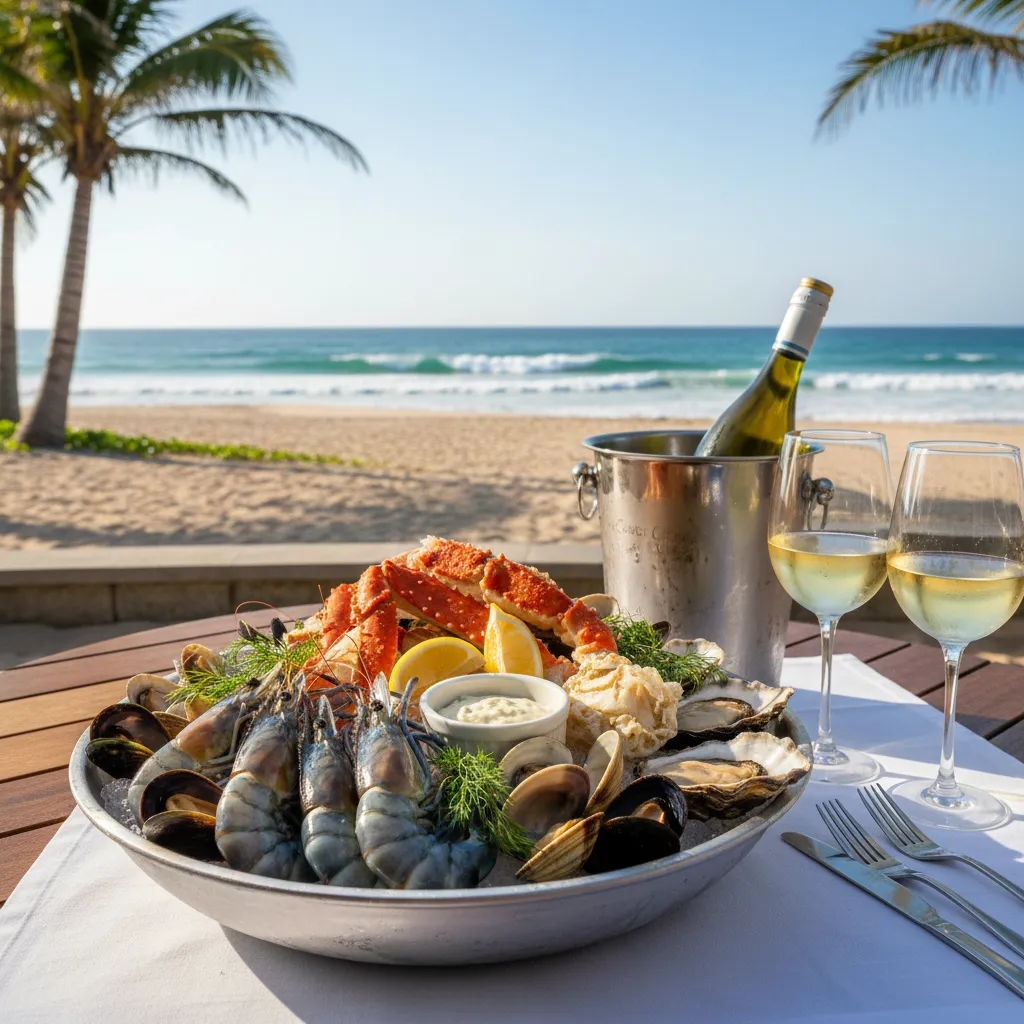
New Caledonia is famous for its blue prawns (Obsiblue), which are sweet, delicate, and often eaten raw as sashim or lightly seared. A sommelier will invariably pair this with a Chablis or a Muscadet. The high acidity and mineral notes of these French whites cut through the natural sweetness of the prawn without overpowering it, creating a perfect harmony.
Mangrove Crab and Sancerre
The local mangrove crab is a rich, flavorful delicacy. To balance the density of the crab meat, particularly when served in a creamy gratin, a Sauvignon Blanc from Sancerre is the ideal companion. Unlike the fruit-forward “savvy” from New Zealand, a French Sancerre is more restrained, flinty, and herbaceous, providing a sophisticated counterpoint to the rich seafood.
Venison and Bordeaux
While seafood is king, New Caledonia also has a strong hunting culture, particularly for Rusa deer (venison). A rich venison stew or steak demands a wine with structure and tannins. This is the moment for a classic Bordeaux blend (Cabernet Sauvignon and Merlot) or a spicy Syrah from the Northern Rhône. The tannins in the wine bind with the proteins in the meat, softening the wine and enhancing the savory flavors of the dish.
Buying Wine to Take Home: A Guide for NZ Travelers
For New Zealanders, buying wine in New Caledonia is not just about consumption on the island; it is about stocking the home cellar. The prices for French wine in Nouméa can be significantly lower than in New Zealand due to the direct import tax structures and the sheer volume of trade.
Understanding Duty-Free Allowances
Before you fill your suitcase, it is critical to know the New Zealand Customs allowances. As of current regulations, an adult traveler can bring up to 4.5 liters of wine or beer (equivalent to six 750ml bottles) into New Zealand duty-free. If you exceed this amount, you will be liable for duty and GST on the excess, which can negate the price advantage.
Where to Shop
Supermarkets (Casino, Carrefour): Do not underestimate the supermarkets in Nouméa. Much like in France, the wine aisles in local supermarkets are extensive and high-quality. You can find excellent everyday drinking wines for under 1,500 XPF (approx. $22 NZD) that would cost double back home.
Specialist Cavistes: For investment wines or specific gifts, visit specialist shops like La Vinothèque or Le Pavillon des Vins. The staff here are knowledgeable and can provide protective packaging (styrofoam skins or boxes) to ensure your bottles survive the flight back to Auckland.
Top Districts for Wine Enthusiasts
If you are planning your itinerary, focus your wine tasting efforts on these key areas in Nouméa:
Baie des Citrons (Lemon Bay)
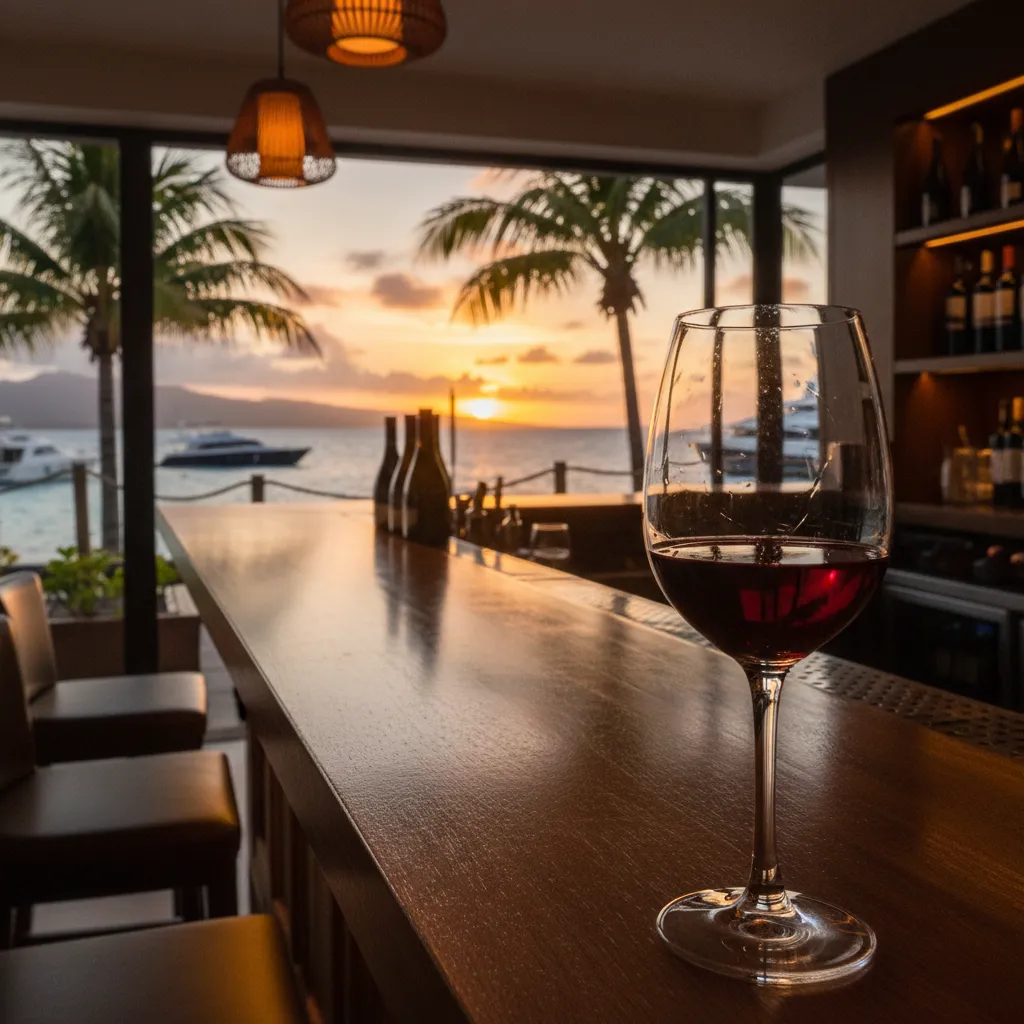
This is the hub of nightlife and casual dining. Here you will find numerous bars and bistros offering “Happy Hour” specials that apply to French wines, not just beer. It is the perfect place for a casual sunset tasting.
Anse Vata
Slightly more upscale, Anse Vata is home to many of the large hotels and resorts. The wine lists here are curated for international travelers, and you will find excellent lounge bars where you can enjoy a glass of Champagne with a view of the lagoon.
Quartier Latin (Latin Quarter)
For a more authentic, local feel, the Latin Quarter hosts hidden gems, small bistros, and wine shops that cater to the local French residents. This is where you go to find the wines that the locals drink, often accompanied by traditional French tapas.
Frequently Asked Questions
Is wine cheaper in New Caledonia than in New Zealand?
Generally, yes. French wines are often cheaper in New Caledonia than in New Zealand because they are imported directly from France with different tax structures. While New Zealand wine might be more expensive there, French imports (Bordeaux, Côtes du Rhône) offer excellent value for money.
Can you visit vineyards in New Caledonia?
No, there are no commercial vineyards for tourism in New Caledonia. The tropical climate is too hot and humid for traditional viticulture. The “wine tasting” experience is focused on imported French wines, cellars, and restaurants rather than vineyard tours.
What is the legal drinking age in New Caledonia?
The legal drinking age in New Caledonia is 18 years old. You may be asked to show ID (such as a passport or driver’s license) at bars, nightclubs, and when purchasing alcohol at supermarkets or wine shops.
How much wine can I bring back to New Zealand duty-free?
Travelers entering New Zealand can bring up to 4.5 liters of wine or beer (approximately 6 standard 750ml bottles) and three bottles of spirits (up to 1.125L each) duty-free, provided they are for personal use and you are over 17 years old.
Do they make any local alcohol in New Caledonia?
While they don’t produce wine, New Caledonia has a growing craft beer scene and produces excellent local rum. Distillerie du Soleil is a notable local producer. Trying local niaouli-infused liqueurs is also a unique experience.
What are the opening hours for wine shops in Nouméa?
Most shops open around 8:00 or 9:00 AM and close around 6:00 or 7:00 PM. However, note that many shops close for a “siesta” lunch break between 12:00 PM and 2:00 PM, and alcohol sales in supermarkets are strictly prohibited on Wednesday afternoons, Friday afternoons, and weekends in some areas (check local regulations as these change periodically).