
Accommodation in Hienghene ranges from the resort-style comfort of Koulnoue Village to immersive tribal homestays (gites) and eco-friendly camping sites. Visitors seeking accommodation in Hienghene typically choose between premium bungalows offering pool access and buffet dining, or the cultural authenticity of “Accueil en Tribu,” providing a direct connection to Kanak traditions near the famous Lindéralique rocks.
What is the best hotel accommodation in Hienghene?
For New Zealand travelers accustomed to standard hotel amenities, the primary choice for accommodation in Hienghene is the Koulnoue Village. Located roughly 10 kilometers south of the Hienghene village center, this establishment serves as the main hub for international tourism in the Northern Province’s East Coast.
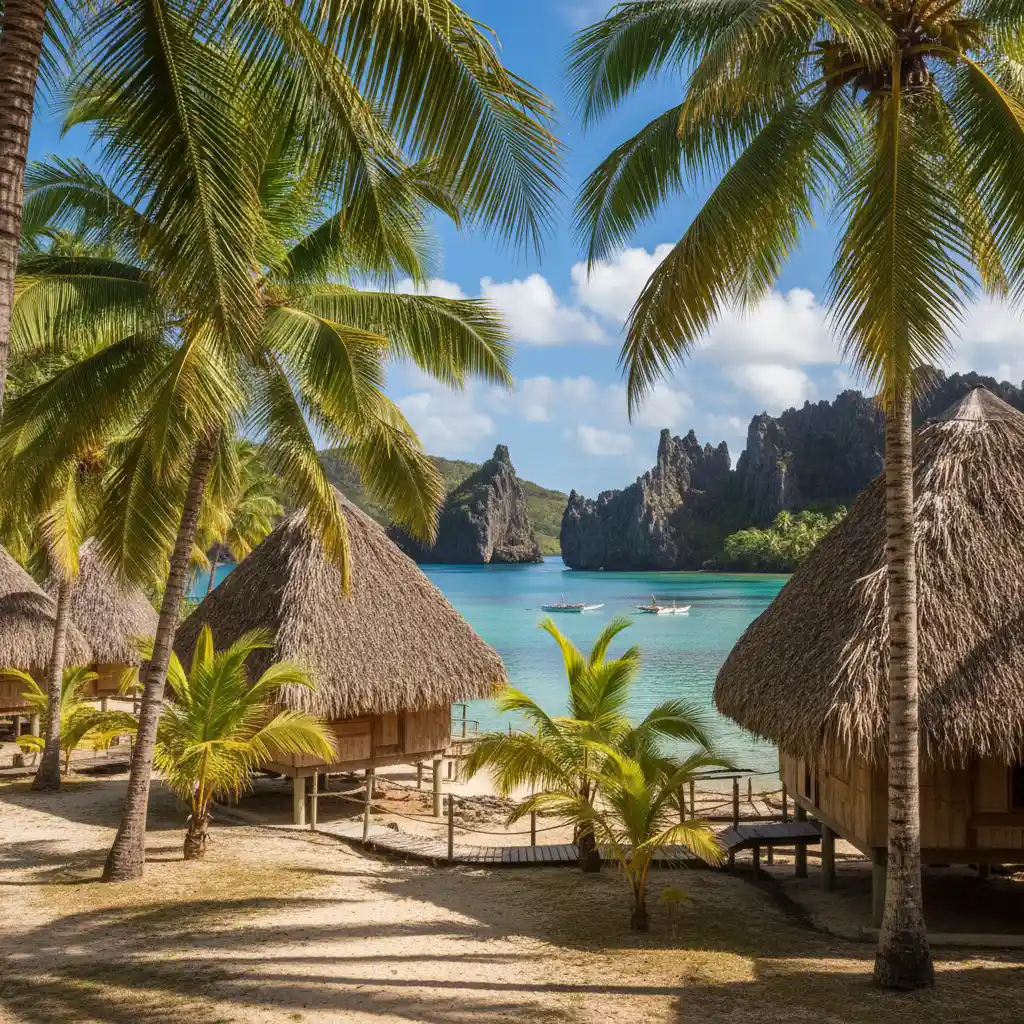
Koulnoue Village Review
Koulnoue Village offers a distinctive blend of tropical isolation and modern comfort. It is situated in a coconut grove by the sea, providing a stunning backdrop of the lagoon on one side and the majestic Lindéralique rocks (black limestone cliffs) on the other. For families and travelers who prefer ensuite bathrooms, air conditioning, and on-site dining, this is the most reliable option.
Accommodation Types:
- Premium Bungalows: These standalone units feature traditional Melanesian architecture on the exterior with modern interiors. They typically include a terrace, fridge, tea/coffee making facilities, and air conditioning—essential during the humid months (November to March).
- Tribal Huts (Cases): For a more rustic experience without sacrificing resort amenities, the hotel offers improved traditional huts. These are often more spacious and can accommodate larger families.
Amenities and Dining:
The on-site restaurant is one of the few reliable dining options in the region open 7 days a week. They offer a buffet breakfast and dinner, often featuring local produce like yam, taro, and occasionally coconut crab or venison. The swimming pool is a significant drawcard, offering a safe swimming environment compared to the sometimes rough open ocean. The hotel also organizes activities, including boat trips to the Hienghene Islet and guided tours of the surrounding cultural sites.
Pros for Kiwi Travelers:
- English is spoken at the reception (though French is dominant).
- Reliable Wi-Fi (mostly in common areas).
- Secure parking for rental cars.
- Proximity to the dive center.
Where can I find authentic Gite options in Hienghene?
If your goal is to experience the “Real New Caledonia,” staying in a Gite (guest house) or a Tribal Homestay (Accueil en Tribu) is highly recommended. This form of accommodation in Hienghene connects you directly with the local Kanak population.
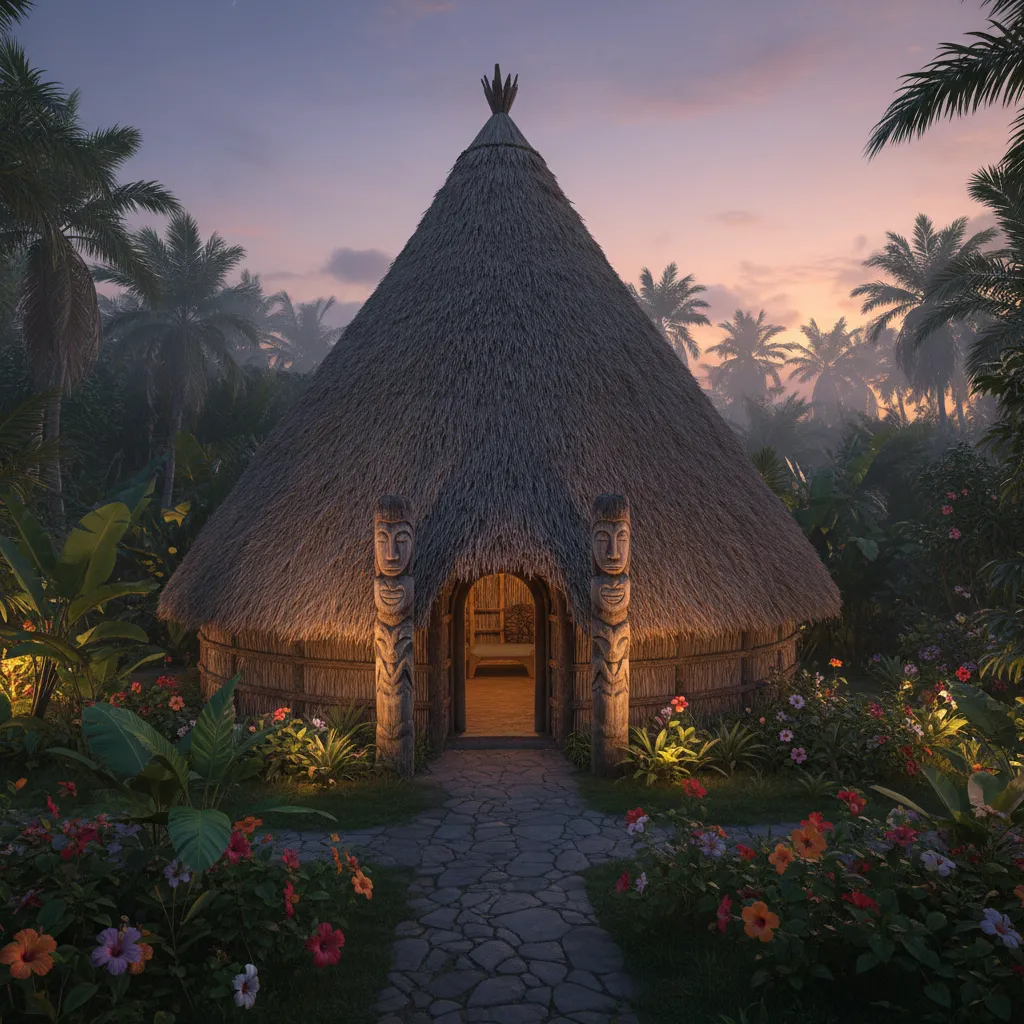
Gîte Ka Waboana and Tribal Stays
Located in the heart of the village, Gîte Ka Waboana is a popular choice for those who want to be central. It offers a middle ground between a hotel and a homestay. The rooms are generally simple but clean, often with shared facilities, though some ensuite options may be available depending on recent renovations.
The Tribal Homestay Experience:
New Caledonia’s East Coast is famous for its tribal hospitality. In Hienghene, several tribes open their doors to visitors. This usually involves sleeping in a traditional “Case” (thatched hut) on a mattress on the floor or a simple bed. The amenities are shared and rustic.
What to expect:
- La Coutume (Custom): While not always strictly required for paid commercial stays, it is a gesture of respect to present a small gift (a piece of fabric/Manou and a small amount of money) to the tribal chief or your host upon arrival. This acknowledges you are a guest on their land.
- Shared Meals (Table d’hôte): This is often the highlight. You will eat with the family or other guests, enjoying traditional Bougna (chicken or fish with root vegetables cooked in banana leaves under hot stones).
- Facilities: Expect cold showers in some remote locations, though solar heating is becoming common. Toilets are often separate from the sleeping hut.
Are there camping sites in Hienghene?
For the adventurous New Zealander touring the Grande Terre by campervan or with a tent, Hienghene offers spectacular camping grounds. The most notable is Babou Côté Océan.
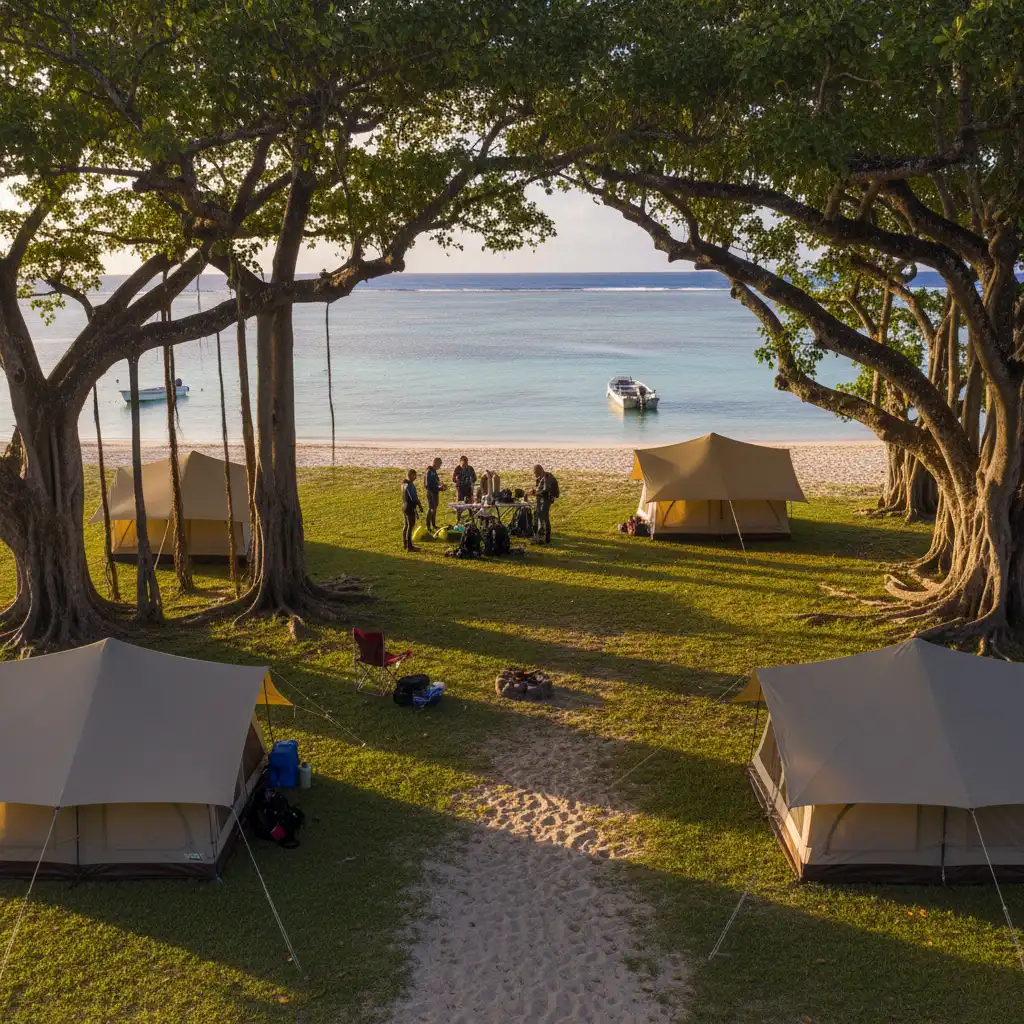
Babou Côté Océan
Situated near the Koulnoue Village, Babou Côté Océan is primarily a diving and snorkeling center that also offers camping facilities and simple bungalows. It is widely considered the best spot for water enthusiasts.
- The Vibe: Relaxed, eco-conscious, and focused on marine activities. It is an excellent base for exploring the Hienghene majestic lagoon, a UNESCO World Heritage site.
- Facilities: The site provides sanitary blocks (toilets and showers), BBQ areas, and shaded spots for tents. They also have a few “bush bungalows” for those who didn’t bring a tent but don’t want a hotel price tag.
- Activities: This is the starting point for the famous snorkeling trail and scuba diving trips to the outer reef.
Free Camping (Camping Sauvage):
Wild camping is generally frowned upon in New Caledonia, particularly on the East Coast where almost all land is Customary Land belonging to specific tribes. You should never pitch a tent on a beach or roadside without explicit permission from the local tribe. It is safer and more respectful to stick to designated campsites like Babou or within tribal homestay grounds.
How to book accommodation in remote New Caledonia?
Booking accommodation in Hienghene requires more planning than a typical trip to Noumea or the Isle of Pines. The East Coast is remote, and digital infrastructure is developing.

Booking Challenges and Tips
1. Limited Online Presence:
While Koulnoue Village is listed on major platforms like Booking.com or Expedia, many Gites and tribal stays are not. You may need to book directly via email or phone.
2. The Language Barrier:
If emailing a Gite, write in simple English or use Google Translate to send the message in French. A simple French greeting (Bonjour) goes a long way. Phone calls can be difficult if you do not speak French, as English fluency varies in rural areas.
3. Payment Methods:
Cash is King (Pacific Francs – XPF). While the main hotel accepts credit cards, smaller Gites, campsites, and local shops often only accept cash. ATMs are available in Hienghene village, but they can run out of money during festivals or weekends. Ensure you withdraw sufficient cash in Koné or Poindimié before heading north.
4. Seasonality:
Hienghene is a popular destination for local Noumea residents during school holidays and long weekends. Accommodation in Hienghene books out months in advance for these periods. For NZ travelers, the shoulder seasons (May-June and September-October) offer the best balance of weather and availability.
Why choose accommodation in Hienghene?
Choosing where to stay is often dictated by what you want to see. Hienghene is the jewel of the East Coast, famous for its dramatic geography.
Key Attractions Nearby:
- The Brooding Hen (Poule Couveuse): A massive limestone rock formation that looks like a hen. It is visible from the road and best viewed from the belvedere lookout just south of the village.
- The Sphinx: Another rock formation opposite the Hen.
- Tao Waterfall: Located north of Hienghene, this is one of the tallest waterfalls in New Caledonia. The drive there involves crossing the picturesque Ouaième River on the last remaining ferry in the territory.
- Mount Panié: The highest peak in New Caledonia, accessible for guided hikes (requires tribal permission and a guide).
Staying in Hienghene allows you to explore these sites at a leisurely pace, rather than rushing through on a day trip from the West Coast.
People Also Ask
How many days should I stay in Hienghene?
We recommend a minimum of 2 nights. The drive from Noumea takes 5-6 hours, so a single night stay involves too much driving. 2 to 3 nights allow you to explore the lagoon, visit the Tao waterfall, and experience a tribal meal without rushing.
Is it safe to drive to Hienghene from Noumea?
Yes, the roads are generally sealed and in good condition. The route usually crosses the mountain chain at Koné (Koné-Tiwaka road), which is scenic and well-maintained. However, avoid driving at night due to stray cattle and horses on the roads, and lack of street lighting.
Can I stay in Hienghene without a rental car?
It is very difficult. Public transport (Raï bus network) exists but is infrequent and may not align with tourist schedules. Accommodation, supermarkets, and attractions are spread out over many kilometers. A rental car is essential for the East Coast.
What is the best time of year to visit Hienghene?
The best time is during the cooler, drier months from May to October. The hot season (November to March) can be very humidity with a higher risk of tropical rain and cyclones, though the waterfalls are most spectacular then.
Are there luxury hotels in Hienghene?
No, there are no 5-star luxury resorts in Hienghene. Koulnoue Village is the most upscale option (approx. 3-star standard), offering comfortable bungalows and a pool. Visitors come here for nature and culture, not ultra-luxury.
Do I need to book Hienghene accommodation in advance?
Yes, absolutely. Because there are very few providers (one main hotel and a handful of gites), availability is tight. We advise booking at least 2-3 months in advance, especially if traveling during New Zealand or New Caledonia school holidays.


