
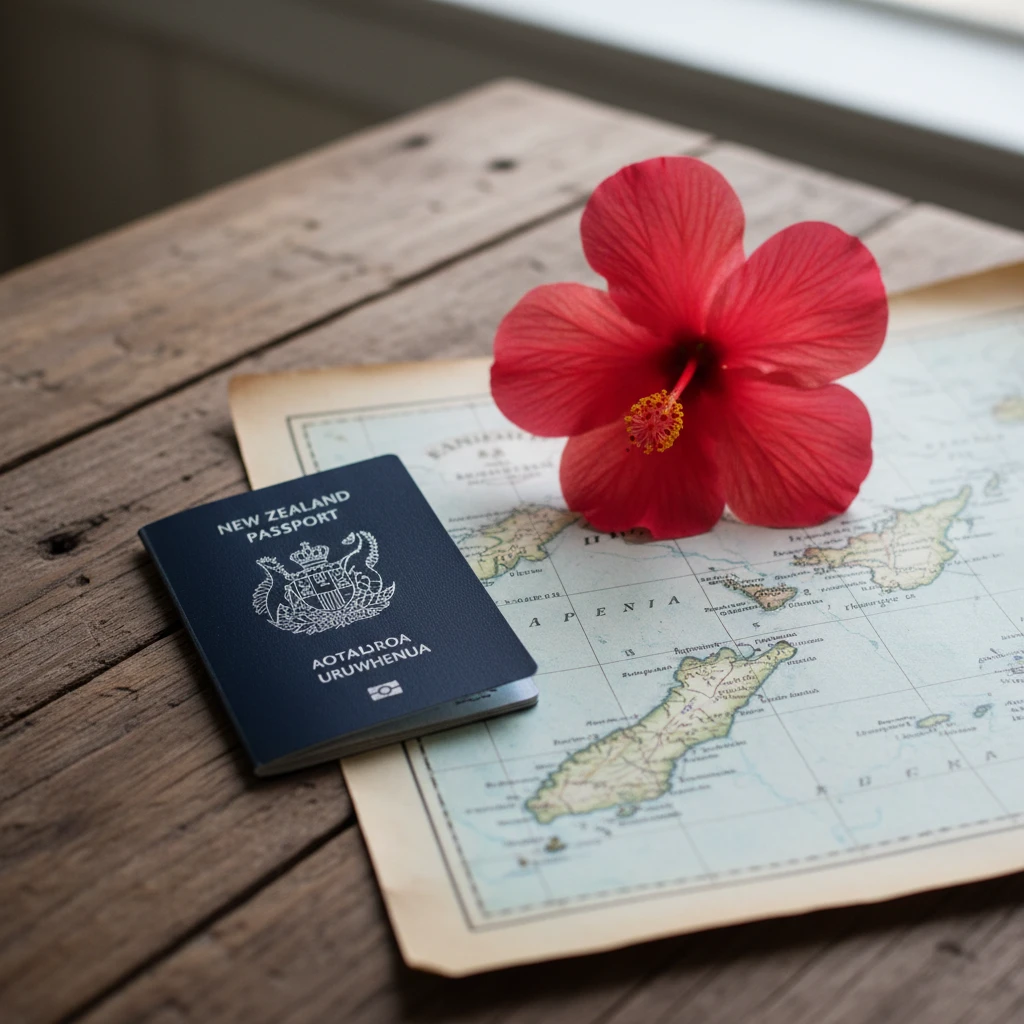
New Zealand citizens do not require a visa to enter New Caledonia for tourism or business visits of up to 90 days within any 180-day period. To qualify for visa-free entry, travelers must present a valid New Zealand passport with at least three months of validity remaining beyond their scheduled departure date, alongside proof of accommodation and a return ticket.
Planning a tropical getaway to our closest Pacific neighbor? As a New Zealand passport holder, visiting New Caledonia is remarkably straightforward, but recent updates to international travel regulations and French territorial laws mean you need to be prepared before you fly. This comprehensive guide covers everything from the specific validity rules for your passport to the strict customs regulations you face upon arrival at La Tontouta International Airport.
Visa-Free Entry Rules for NZ Passport Holders
New Caledonia is a sui generis collectivity of France, meaning while it is French territory, it has specific autonomy. Fortunately for Kiwi travelers, the immigration rules align closely with those of the European Union regarding short stays. As of late 2024 and continuing into 2025, New Zealand citizens enjoy a visa waiver status.
The 90/180 Day Rule Explained
The visa exemption allows you to stay for a maximum of 90 days. However, this is calculated within a rolling 180-day period. This distinction is crucial if you are a frequent traveler to the region.
- Single Trip: You can stay for up to three consecutive months.
- Multiple Trips: If you visit for 30 days, return to NZ, and fly back a month later, those first 30 days count toward your 90-day limit for the relevant 180-day window.
This rule applies strictly to tourism, family visits, and short-term business meetings. It does not permit employment. If you intend to work for a New Caledonian company, the visa-free status does not apply, and you must secure a work permit prior to departure.
Exceptions to Visa-Free Travel
While the standard NZ passport grants access, exceptions exist. You will need to apply for a visa at the French Embassy in Wellington if:
- You are traveling on a New Zealand Certificate of Identity or Refugee Travel Document (rules may differ significantly).
- You intend to exercise a professional activity or take up paid employment.
- You plan to study in New Caledonia for a period exceeding the 90-day waiver.
Passport Validity: The Critical 3-Month Rule
One of the most common reasons Kiwis are denied boarding at Auckland International Airport is insufficient passport validity. New Caledonia enforces strict validity requirements that differ slightly from some other Pacific nations.
The Three-Month Requirement
Your passport must be valid for at least three months beyond your intended date of departure from New Caledonia.
Example: If you plan to fly home to Auckland on January 1st, 2025, your passport must not expire before April 1st, 2025.
While some countries only require validity for the duration of the stay, France and its territories are strict on this buffer period. Airlines are fined for transporting passengers who do not meet these criteria, so check-in agents will deny you boarding if you are even one day short.
Passport Condition
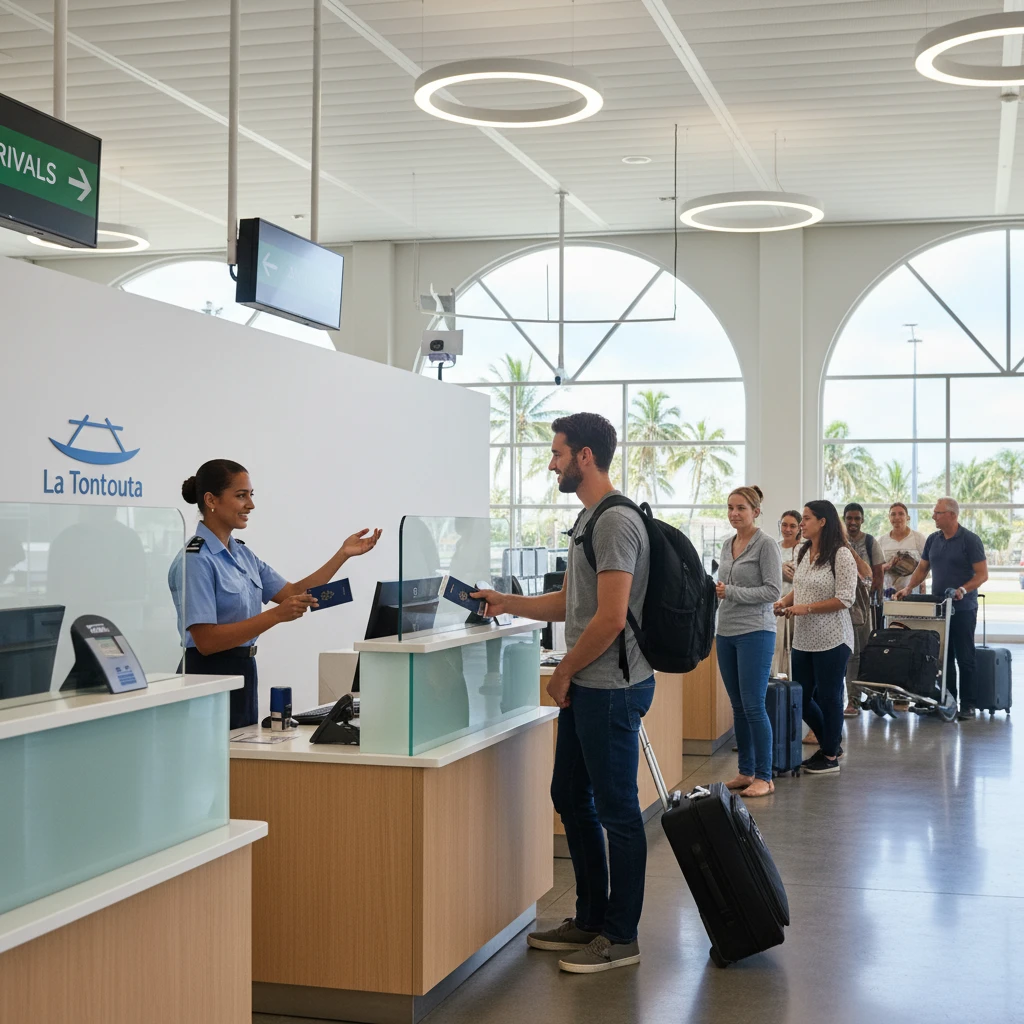
Ensure your passport is in good physical condition. Border officials at La Tontouta are known to scrutinize documents. Significant water damage, tearing, or peeling of the photo page can be grounds for refusal of entry. Ensure you have at least two blank pages available for entry and exit stamps.
Mandatory Arrival Documents & Proof of Funds
Visa-free entry is not a right; it is a privilege granted upon satisfying the border control officer. Upon arrival in Nouméa, you may be asked to present physical or digital copies of specific documents.
1. Confirmed Return or Onward Ticket
You must hold a confirmed ticket to leave New Caledonia. This can be a return flight to New Zealand or an onward ticket to another destination where you have the right of entry. Standby tickets (often used by airline staff) are generally accepted if you can prove your status, but a confirmed booking is safer for general travelers.
2. Proof of Accommodation
You must provide evidence of where you will stay. Acceptable forms of proof include:
- Hotel Booking: A printed confirmation of your hotel reservation.
- Attestation d’accueil: If staying with friends or family, a simple email is often insufficient. You should ideally have an official “Attestation d’accueil” (proof of accommodation certificate) lodged by your host at their local town hall in New Caledonia, or at minimum, a formal invitation letter including their address, contact details, and copy of their ID.
3. Proof of Sufficient Funds
While rarely checked for the average tourist, border officers have the legal right to ask for proof that you can support yourself financially during your stay. This is estimated at approximately 3,500 XPF (approx. NZD $50-$60) per day if you have pre-paid accommodation, or higher if you do not. A recent bank statement on your banking app or a valid credit card usually suffices.
Customs Regulations: What You Can’t Bring From NZ
New Caledonia has a unique ecosystem, much like New Zealand. Consequently, their biosecurity laws are stringent to prevent the introduction of pests and diseases. Failing to declare restricted items can result in heavy fines and confiscation of goods.

Prohibited and Restricted Items
Do not attempt to bring the following items into New Caledonia:
- Fresh Food: Fruit, vegetables, seeds, and plants are strictly prohibited.
- Animal Products: Meat, honey, and dairy products are generally restricted unless they are commercially packaged and declared.
- Endangered Species: Any items derived from CITES-listed species (coral, ivory, turtle shell) are illegal.
Duty-Free Allowances
For travelers aged 17 and over, the duty-free allowances for entering New Caledonia are:
- Tobacco: 200 cigarettes OR 100 cigarillos OR 50 cigars OR 250g of tobacco.
- Alcohol: 2 liters of still wine AND 1 liter of spirits (over 22% volume) OR 2 liters of fortified wine/sparkling wine (under 22% volume).
- General Goods: Other goods up to a value of 30,000 XPF (approx. NZD $450) per traveler (15,000 XPF for children under 15).
Declaration Forms
You will be given a passenger arrival card on your flight. This form must be completed in Blue or Black ink. It asks for your passport details, flight number, and address in New Caledonia. Be honest in the biosecurity section—if in doubt, declare it.
Staying Longer Than 90 Days
If you fall in love with the French Pacific lifestyle and wish to stay longer than three months, the process changes significantly. You cannot simply extend a visa-free stay while inside the territory.
The Long-Stay Visa (Visa de long séjour)
For stays exceeding 90 days, New Zealand citizens must apply for a Long-Stay Visa. This application must be submitted to the French Embassy in Wellington before you leave New Zealand.
Key Requirements for Long-Stay Visas:
- Purpose: You must justify the stay (retirement, sabbatical, extended family visit).
- Financial Means: You must prove you have sufficient income to support yourself without working in New Caledonia (unless you have a specific work visa).
- Health Insurance: Comprehensive medical insurance covering the entire duration is mandatory.
- Police Clearance: A criminal record check from the NZ Ministry of Justice is often required.
Do not travel to New Caledonia on a one-way ticket expecting to sort out a visa upon arrival; you will likely be refused entry.
Why Travel Insurance is Non-Negotiable in 2025
While New Caledonia is a developed territory with high-standard medical facilities (such as the Médipôle de Koutio), medical costs for non-residents can be astronomical.

Medical Evacuation Costs
In severe cases, specialized treatment may require medical evacuation back to New Zealand or Australia. A medevac flight can cost upwards of NZD $50,000. New Zealand’s ACC (Accident Compensation Corporation) does not cover you overseas, and the reciprocal health agreements NZ has with some countries do not extend fully to New Caledonia.
Civil Unrest and Disruptions
Following the civil unrest experienced in mid-2024, travelers should be particularly diligent regarding insurance policy wording. Ensure your policy covers:
- Trip Cancellation/Interruption: In case of sudden changes in travel advisories.
- Flight Disruptions: Delays are possible in the Pacific region due to weather or strikes.
Pro Tip: Always check the SafeTravel.govt.nz website before purchasing your policy to ensure you are not traveling against government advice, which would void most standard insurance policies.
Frequently Asked Questions
Do I need a visa for New Caledonia if I am an NZ permanent resident but not a citizen?
Yes, likely. Visa exemptions depend on your passport, not your NZ residency status. If you hold a passport from a country that requires a Schengen or French Overseas visa (e.g., India, China, Fiji), you must apply for a visa at the French Embassy in Wellington, even if you live in NZ.
Can I use my New Zealand driver’s license in New Caledonia?
Yes, you can use a valid New Zealand driver’s license for short stays. However, it is highly recommended to obtain an International Driving Permit (IDP) from the AA in New Zealand before you go, as this provides a French translation that aids police and rental agencies.
Is there a departure tax when leaving New Caledonia?
Generally, departure taxes are included in the price of your airline ticket. You usually do not need to pay a separate fee at the airport upon leaving, but check your ticket breakdown to be sure.
What currency do I need for New Caledonia?
New Caledonia uses the Pacific Franc (XPF or CFP). It is pegged to the Euro. While some tourist spots accept credit cards, cash is essential for markets and smaller islands. You cannot use NZD cash directly.
Are vaccinations required for entry?
As of 2025, there are no specific mandatory vaccinations for entry from New Zealand. However, being up to date with routine vaccines (Measles, Tetanus) is advised. Check current COVID-19 rules closer to departure, as they can change.
Can I travel with my pet to New Caledonia from NZ?
Traveling with pets is complex due to strict biosecurity. It requires an import permit, microchipping, specific vaccinations, and veterinary health certificates. The process can take months to organize, so it is not recommended for short holidays.