
Noumea travel tips for New Zealanders center on essential preparation: NZ passport holders are granted visa-free entry for up to 90 days. The local currency is the CFP Franc (XPF), not the Euro. Key logistics include packing Type E or F power adapters, pre-booking transfers from La Tontouta Airport (50km from the city), and securing comprehensive travel insurance.
Do New Zealanders Need a Visa for New Caledonia?
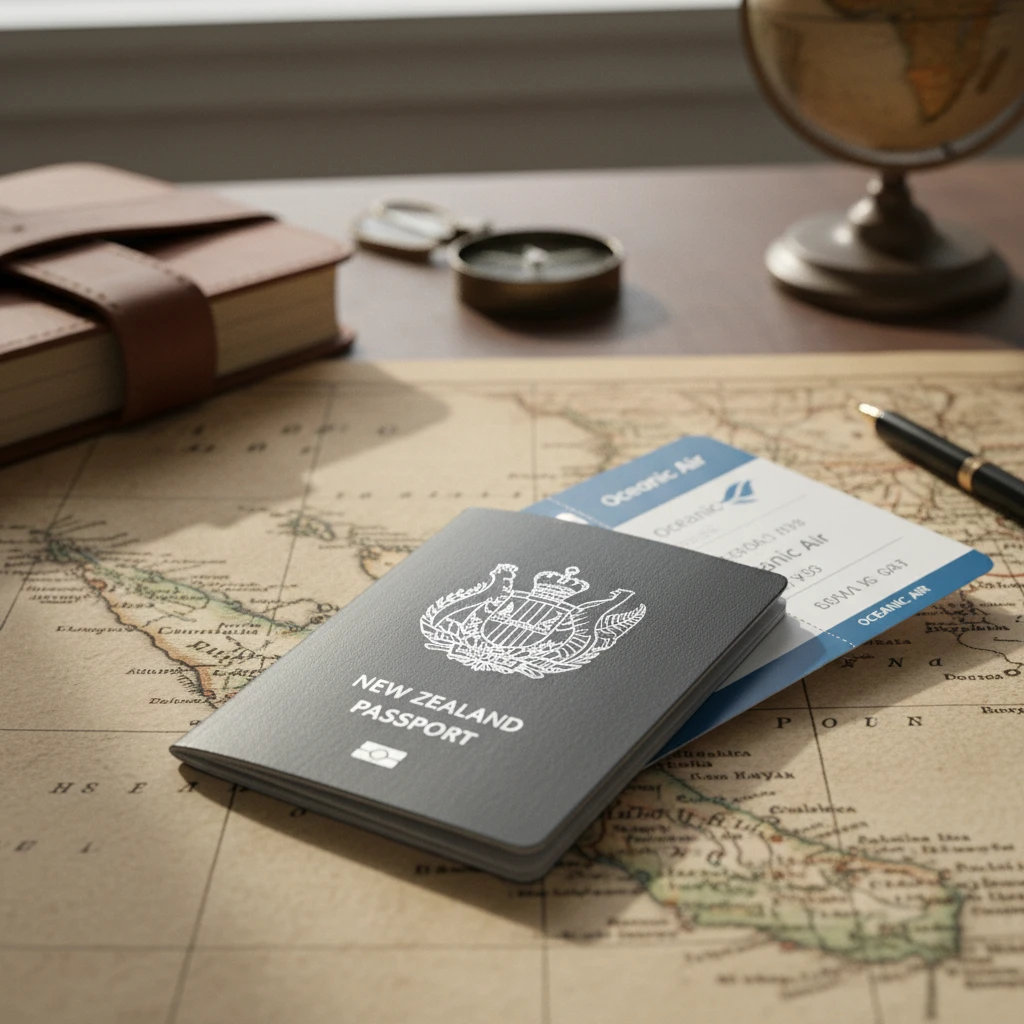
For the vast majority of Kiwi travelers, entering New Caledonia is a seamless administrative process. As a New Zealand passport holder, you are exempt from requiring a short-stay visa for tourism purposes. This exemption allows you to stay in the territory for up to 90 days within any 180-day period.
However, while a visa is not required, there are strict entry conditions that must be met at the border control at La Tontouta International Airport:
- Passport Validity: Your New Zealand passport must be valid for at least three months beyond your intended date of departure from New Caledonia. It is highly recommended to have six months of validity to avoid any potential issues with airline boarding protocols.
- Proof of Onward Travel: You must present a confirmed return ticket to New Zealand or an onward ticket to another destination. One-way tickets generally require proof of residency in New Caledonia.
- Proof of Accommodation: Border officials may ask for proof of where you are staying, such as a hotel booking confirmation or a “certificat d’hébergement” (accommodation certificate) if staying with friends or family.
How to Get from Tontouta Airport to Noumea?
One of the most critical Noumea travel tips for New Zealanders involves understanding the geography of arrival. International flights do not land in Noumea city. They land at La Tontouta International Airport (NOU), which is located approximately 52 kilometers (32 miles) northwest of Noumea.
The drive takes between 45 to 60 minutes, depending on traffic. Unlike landing in Auckland or Wellington where the city is relatively close, arriving in Noumea requires pre-planned ground transport. You cannot simply walk out and expect a city bus.
Shuttle Services (Navettes)
The most popular and cost-effective option for solo travelers or couples is the shared shuttle bus. Companies like Arc-en-Ciel and Les Mouettes operate reliable services. These must be booked in advance—ideally at least 48 hours before departure. The shuttles are comfortable, air-conditioned, and will drop you directly at your hotel door in Anse Vata, Baie des Citrons, or the city center.
Private Transfers and Taxis
Taxis are available but can be significantly more expensive than shuttles, often costing upwards of 10,000 XPF (approx. $150 NZD) for a one-way trip. Private transfers offer a meet-and-greet service in the arrivals hall and are ideal for families or groups where the cost per person becomes comparable to a shuttle.
Car Rentals
All major rental agencies (Hertz, Avis, Europcar) have desks at Tontouta. If you plan to explore the “Grand Terre” (the main island) beyond Noumea, renting a car from the airport is efficient. However, remember that traffic drives on the right-hand side of the road in New Caledonia, which requires an adjustment for Kiwi drivers.
What Currency is Used in New Caledonia?
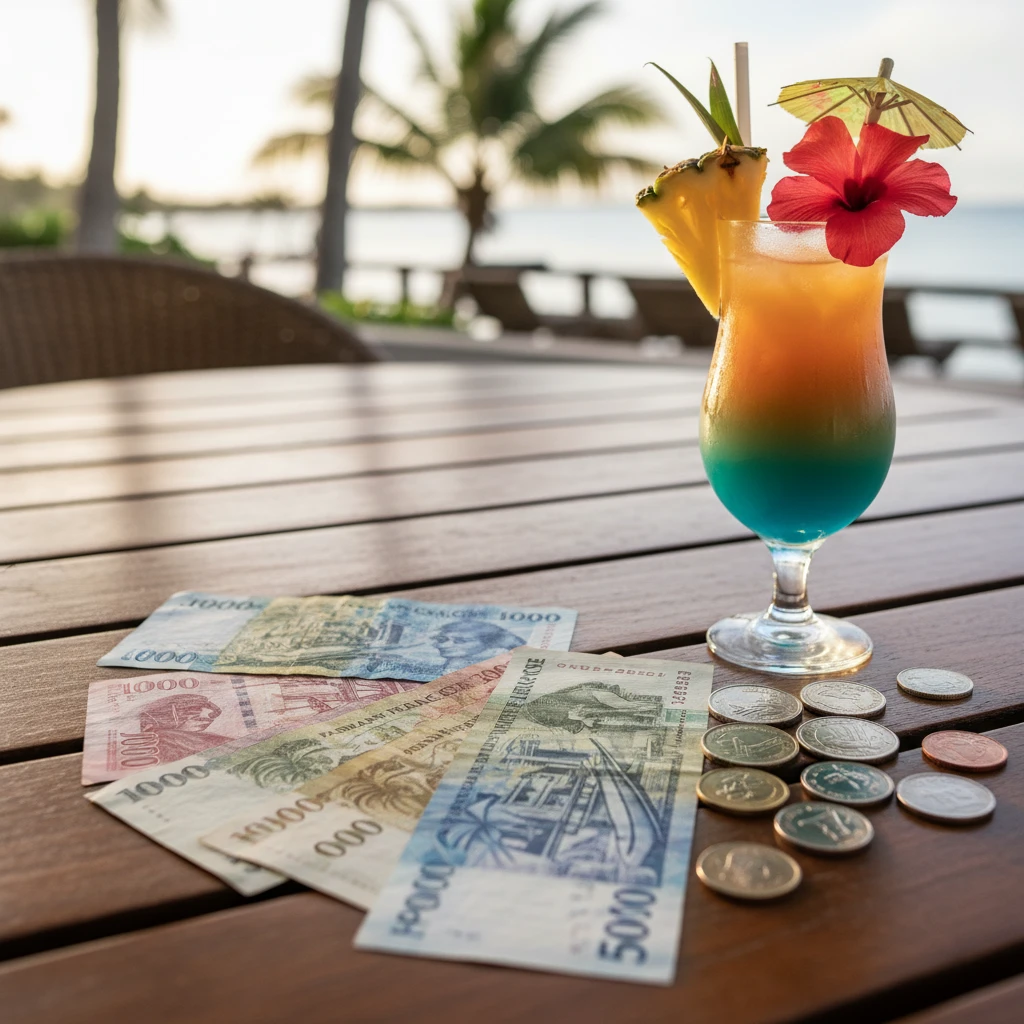
A common misconception is that because New Caledonia is a French territory, they use the Euro. This is incorrect. The local currency is the Pacific Franc (CFP or XPF).
While the XPF is pegged to the Euro at a fixed rate (1 Euro = 119.33 XPF), you cannot use Euros for daily transactions in supermarkets, dairies, or most restaurants. You must exchange your New Zealand Dollars (NZD) for Pacific Francs.
Exchange and Banking Tips
- ATMs (Distributeurs): This is generally the easiest way to get cash. ATMs are widely available in Noumea, Anse Vata, and Baie des Citrons. Check with your NZ bank regarding international withdrawal fees before you leave.
- Currency Exchange: You can exchange NZD at the BCI booth at Tontouta Airport upon arrival, though rates may be slightly lower than in the city. Banks in Noumea are typically open Monday to Friday, with a long lunch break (often 11:30 AM to 1:30 PM).
- Credit Cards: Visa and Mastercard are widely accepted in hotels, restaurants, and larger shops. American Express is less common. Always carry some cash for small purchases at markets (like the Port Moselle Market) or small “snack” shops.
Budgeting for Kiwis
New Caledonia is not a budget destination; costs are comparable to, or often higher than, New Zealand. To manage your budget:
- Eat Local: Look for “Snacks” (small eateries) or buy fresh baguettes, cheese, and wine from supermarkets (Casino, Johnston, or Super U) for a picnic.
- Lunch Specials: Many French restaurants offer a “Menu du Jour” or “Formule Midi” which is significantly cheaper than the dinner menu.
- Tipping: Tipping is not customary in New Caledonia. The price you see is the price you pay. Service charges are included.
What Power Adapters Do I Need?
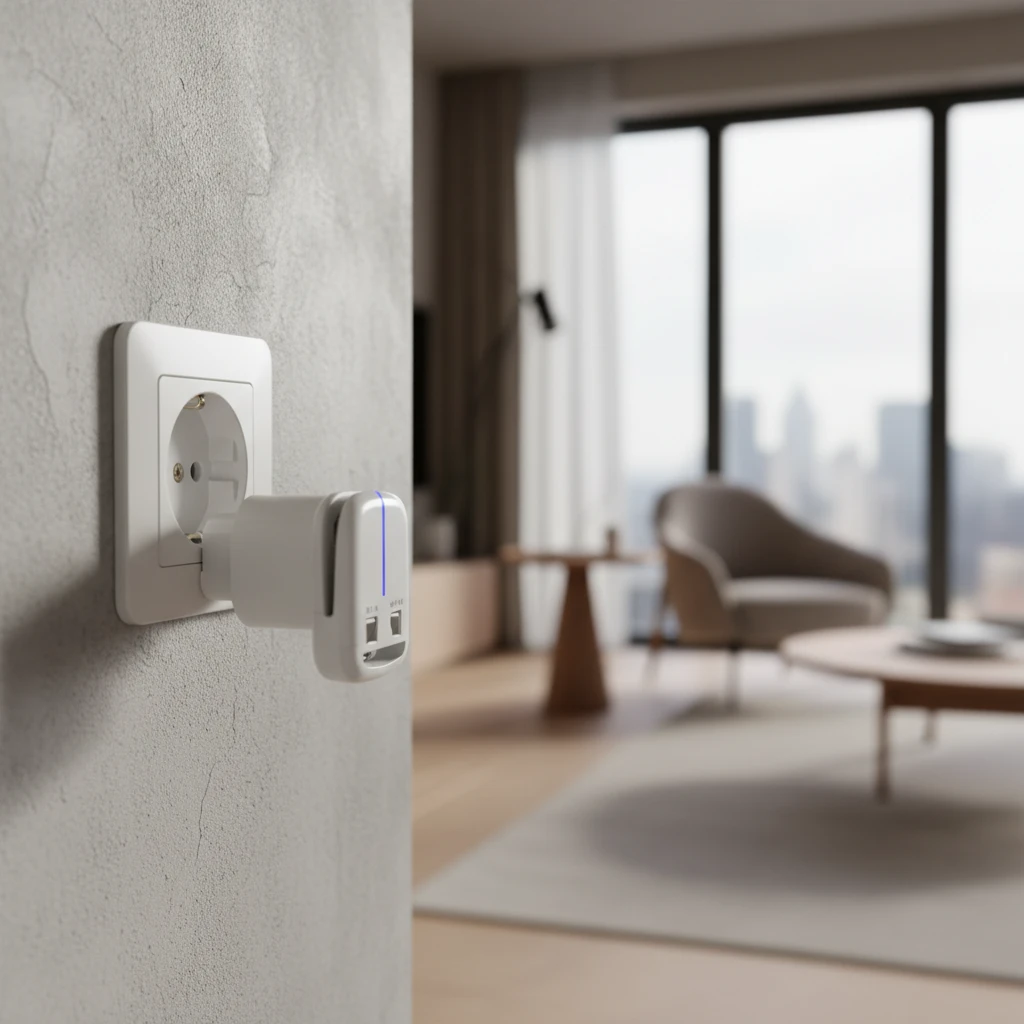
For Kiwis traveling with electronics, power compatibility is a primary logistical concern. New Zealand plugs (Type I) will not fit in New Caledonian sockets.
Power Sockets
New Caledonia uses Type F (and occasionally Type E) sockets. These are the standard European two-pin plugs with round pins. You must bring a travel adapter. While some high-end hotels may have universal sockets or USB ports, it is risky to rely on this.
Voltage
The standard voltage is 220V with a frequency of 50Hz. This is compatible with New Zealand appliances (which operate on 230V/50Hz). You generally do not need a voltage converter for phone chargers, laptop bricks, or modern camera batteries, as these are dual-voltage. However, check high-wattage appliances like hair straighteners just to be safe.
Internet and Mobile Data
Roaming on a New Zealand mobile plan in New Caledonia can be exorbitantly expensive. Unlike Australia or the UK, New Caledonia is often not included in standard “roaming packs” provided by Spark, One NZ, or 2degrees.
The Solution: Purchase a “Tourism Card” (carte tourisme) from the local provider, OPT-NC. These prepaid SIM cards are available at the airport or at OPT agencies in town. They offer generous data packages (4G) for a reasonable price, allowing you to use maps and social media without fear of bill shock. Free Wi-Fi is common in hotels and some cafes, specifically around Place des Cocotiers, but can be slow.
Health and Safety Overview
New Caledonia is generally a very safe destination for New Zealanders, but being informed about local conditions is vital for a smooth trip.
Water Safety
Is the water safe to drink? In Noumea, the tap water is treated and is generally safe to drink. However, if you travel to the outer islands (Loyalty Islands or Isle of Pines) or rural areas on the Grand Terre, it is advisable to drink bottled water to avoid stomach upsets.
Mosquito-Borne Illnesses
Tropical climates bring mosquitoes. Dengue fever is present in New Caledonia, and occasional outbreaks occur. There is no vaccine for Dengue, so prevention is key. Pack high-quality insect repellent containing DEET or Picaridin, wear light-colored long clothing at dawn and dusk, and ensure your accommodation has screens or air conditioning.
Marine Safety
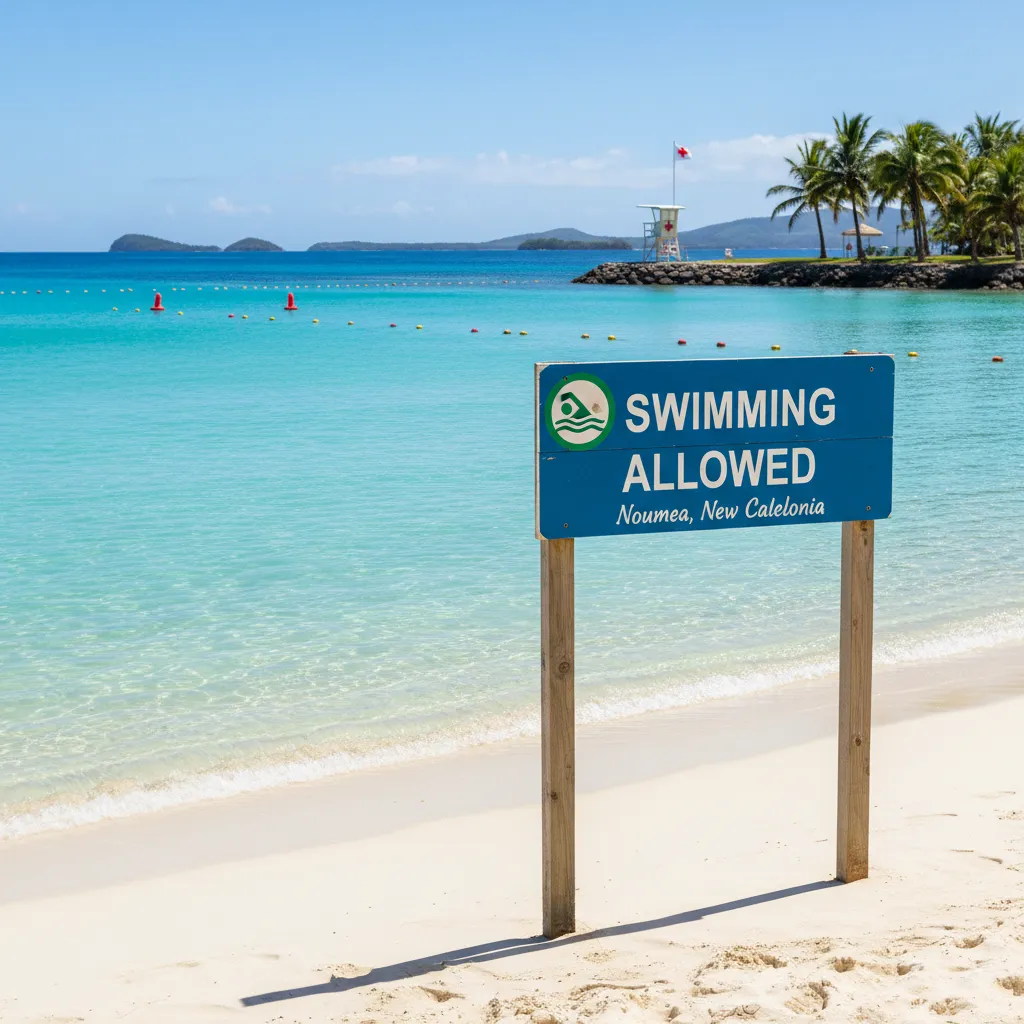
The lagoon is beautiful but contains hazards. When swimming, wear reef shoes to protect against coral cuts, stonefish, and sea urchins. Sea snakes (Tricot Rayé) are common; while venomous, they are generally docile and non-aggressive—simply admire them from a distance.
Getting Around the City
Once you are settled in your hotel, navigating Noumea is relatively straightforward.
- Karui Bus Network: The Tanéo bus network (cars are often called “Karui” locally) is modern and efficient. You can purchase tickets at ticket vending machines at major stops. It connects the city center (Centre Ville) with the tourist beaches of Anse Vata and Baie des Citrons.
- Taxi Boats: To visit the nearby islets like Duck Island (Île aux Canards) or Master Island (Îlot Maître), take a taxi boat from Anse Vata beach. These are frequent and operate like a shuttle service.
- Le Petit Train: For a leisurely orientation, the “Tchou Tchou Train” offers guided tours around the bays and up to the Ouen Toro lookout.
Language and Cultural Etiquette
While English is spoken in major hotels and tourist hubs, French is the official language. Kiwis who make an effort to speak a few words of French are received much more warmly.
The Golden Rule: Always say “Bonjour” (Good day) when entering a shop, elevator, or beginning a conversation. It is considered rude to ask a question without greeting the person first. When leaving, say “Au revoir” (Goodbye).
People Also Ask
Do New Zealanders need a visa for New Caledonia?
No, New Zealand passport holders do not need a visa for tourist stays of up to 90 days. You must have a passport valid for at least 3 months past your departure date and proof of onward travel.
What currency is used in Noumea?
Noumea uses the Pacific Franc (XPF or CFP). It is pegged to the Euro (1000 XPF = approx 8.38 Euro), but you cannot spend Euros or NZ Dollars in most local shops. You will need to exchange cash or use ATMs.
Can I use my NZ EFTPOS card in Noumea?
Standard NZ EFTPOS cards (cheque/savings only) generally do not work overseas. You will need a Visa or Mastercard debit/credit card with a chip. Inform your bank of your travel plans to prevent your card from being blocked.
Is the water safe to drink in Noumea?
Yes, tap water in Noumea is treated and safe to drink. However, travelers with sensitive stomachs may prefer bottled water, and bottled water is recommended when visiting outer islands or rural areas.
What plug adapter do I need for New Caledonia?
You need a European-style adapter (Type E or Type F) which has two round pins. New Zealand plugs (Type I) will not fit. The voltage is 220V, which is compatible with NZ appliances.
Is New Caledonia expensive for New Zealanders?
Yes, the cost of living is high, often comparable to or exceeding prices in Auckland. Imported goods and dining out can be pricey. To save money, buy lunch specials (Menu du Jour) and shop at local supermarkets for essentials.