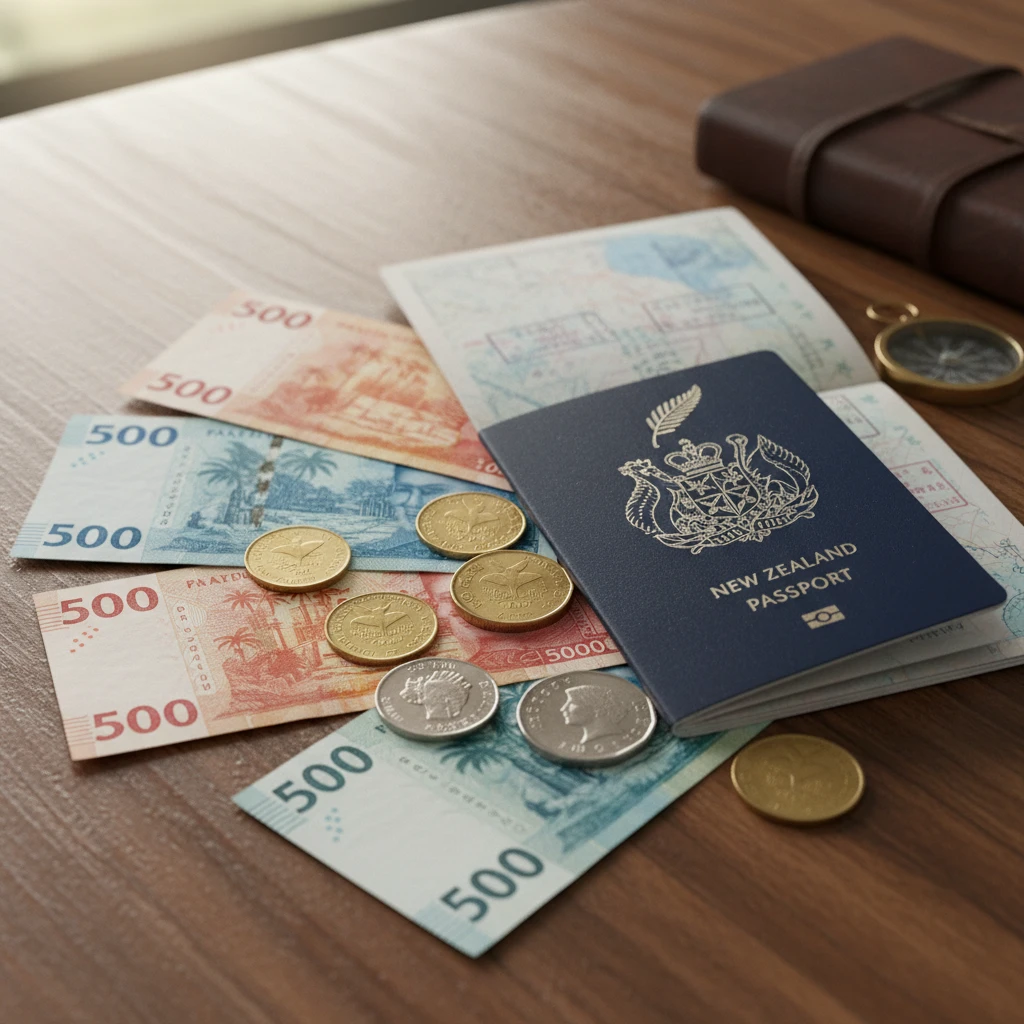
Comprehensive travel insurance covering civil unrest provides financial protection for travelers impacted by riots, strikes, or civil commotion, distinct from acts of war or terrorism. For New Zealanders traveling to destinations like New Caledonia, this coverage is essential for reclaiming costs associated with cancellation, travel delays, and emergency medical evacuation to Auckland if political instability disrupts plans or endangers safety.
Traveling to the Pacific Islands offers idyllic escapes, but recent events in New Caledonia have highlighted the fragility of regional stability. For Kiwi travelers, the proximity of Nouméa does not negate the risks associated with political volatility. Understanding the nuances of your travel insurance policy—specifically regarding civil unrest, riots, and strikes—is no longer optional; it is a financial necessity.
Many standard policies contain broad exclusions for “civil commotion” or “political unrest,” leaving travelers exposed to thousands of dollars in losses if airports close or curfews are enforced. This guide analyzes the New Zealand insurance market to identify which policies offer genuine protection and how to navigate the fine print effectively.
What is Comprehensive Travel Insurance Covering Civil Unrest?
When insurers refer to “civil unrest,” they are often using a collection of specific legal terms including “civil commotion,” “riots,” and “strikes.” It is crucial to distinguish these from “acts of war” or “terrorism,” as the coverage mechanisms differ significantly.
Civil Commotion generally refers to a public uprising by a large group of people acting together to cause a disturbance. Unlike war, which is usually a declared conflict between sovereign nations, civil unrest is internal. Comprehensive travel insurance covering civil unrest typically steps in when these events are unforeseen and result in the cessation of public transport, the closure of accommodation, or a government directive to leave the area.
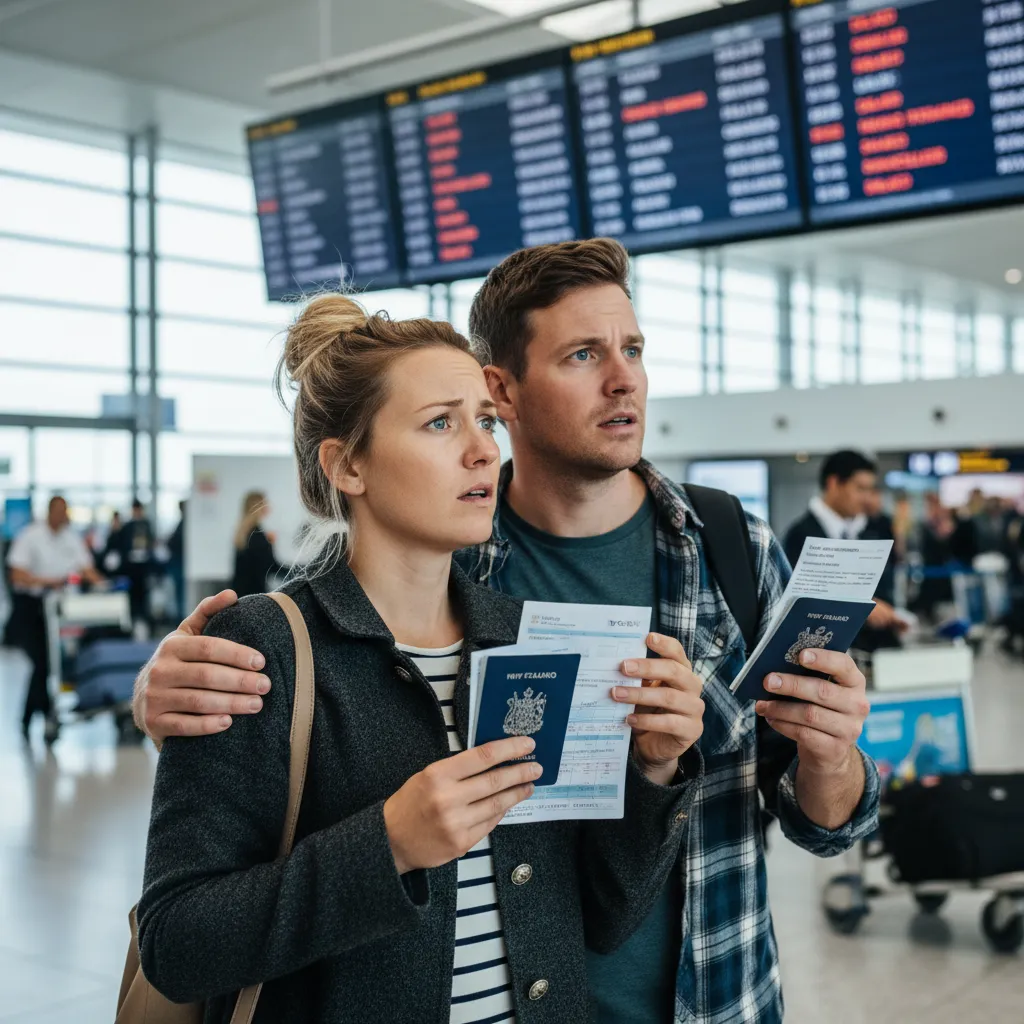
However, the “unforeseen” nature is the linchpin of coverage. If a riot has already started or a strike has been publicly announced before you purchase your policy, it is considered a “known event,” and coverage is almost universally denied. For New Zealanders eyeing a trip to New Caledonia, checking the SafeTravel.govt.nz advisory level before purchasing insurance is the first step in due diligence.
Which NZ Insurers Cover Riots and Civil Commotion?
The New Zealand travel insurance market is dominated by a few major underwriters, and their stance on civil unrest varies. While we cannot provide financial advice for your specific situation, we can analyze the general Product Disclosure Statements (PDS) of major NZ providers regarding this specific risk.
The “General Exclusion” Trap
Most basic policies will have a General Exclusion clause stating they will not pay for claims arising from “riots, strikes, civil commotion, or political unrest.” However, comprehensive policies often include specific write-backs (exceptions to the exclusion) or optional add-ons that provide cover under specific sections, usually Cancellation or Travel Delay.
Provider Analysis
- Southern Cross Travel Insurance (SCTI): historically, SCTI policies have excluded riots and civil commotion under general exclusions. However, they often cover “unexpected strikes” that affect public transport. Travelers must carefully check if a specific advisory for the destination overrides this coverage.
- Cover-More / AA Travel Insurance: These policies often differentiate between “Travel Disruption” and “Cancellation.” Some comprehensive tiers may offer cover if a government agency (like MFAT) raises the travel advisory to “Do Not Travel” after the policy was purchased. This is the gold standard for civil unrest coverage.
- 1Cover: Similar to others, coverage is contingent on the timing. If the civil unrest results in a formal closure of your accommodation or the airport, claims are more likely to be accepted compared to a traveler simply “feeling unsafe” and wanting to cancel.
Key Takeaway: Never assume a “Comprehensive” label automatically includes riot coverage. You must search the PDS for the keywords “Civil Commotion” and “Riot” to see if they appear in the Exclusions or the Covered Events list.
Reading the Fine Print: Cancellation vs Disruption
There is a distinct difference between cancelling a trip before you leave and having your trip disrupted while you are in New Caledonia. Insurers treat these as separate benefits with different limits and triggers.

Pre-Departure Cancellation
This benefit applies if you have not yet left New Zealand. To claim for civil unrest under this section, the unrest usually must result in one of the following:
- MFAT Advisory Change: The New Zealand Ministry of Foreign Affairs and Trade raises the alert level to “Do Not Travel” for your specific destination.
- Denial of Access: You are physically unable to reach your accommodation or the destination due to airport closures or border lockdowns.
Note: Simply seeing news reports of protests and deciding you’d rather go to Fiji is rarely covered. This is known as “disinclination to travel,” and no standard insurer covers it.
Travel Disruption and Curtailment
If you are already in Nouméa when unrest breaks out, this falls under Disruption or Curtailment. This coverage is vital for reimbursing:
- Additional Accommodation: If you are stuck because the airport is closed (e.g., due to roadblocks or strikes).
- Forfeited Expenses: Pre-booked tours or hotels you cannot use because you had to evacuate or shelter in place.
- Alternative Transport: The cost of getting to a different airport or port to exit the country.
Medical Evacuation Coverage to Auckland
One of the most critical aspects of travel insurance for New Zealanders visiting the Pacific Islands is medical evacuation (Medevac). While civil unrest itself is a property and logistic risk, it often leads to a breakdown in local infrastructure, including emergency services.
Why Local Hospitals May Not Be Enough
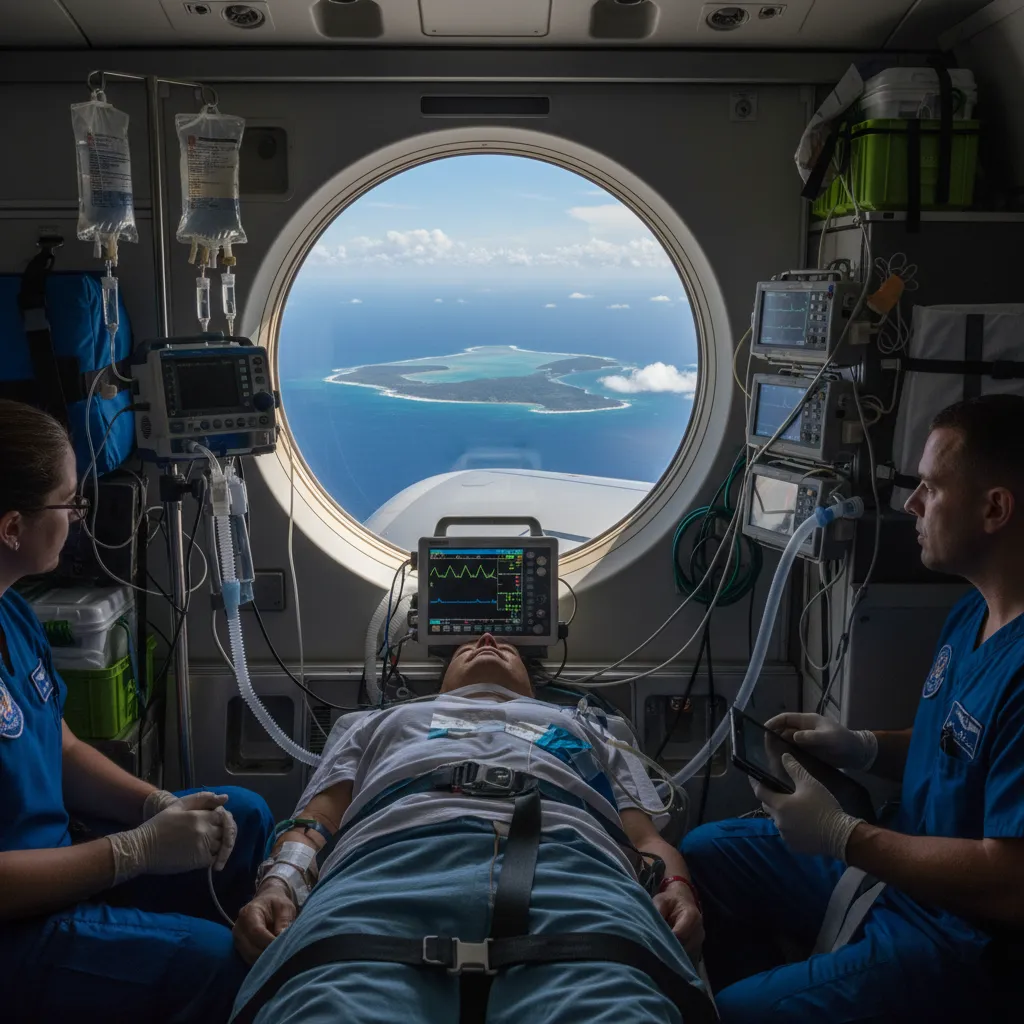
In a severe civil unrest scenario, local hospitals may become overwhelmed, understaffed, or inaccessible. Furthermore, if you are injured during a commotion (even if you were an innocent bystander), the local capabilities in New Caledonia, while good, may not match the specialist trauma care available in Auckland.
Repatriation Logistics
Comprehensive travel insurance covering civil unrest must include unlimited medical evacuation. A private air ambulance from Nouméa to Auckland can cost upwards of NZD $50,000 – $80,000.
Crucial Check: Ensure your policy covers medical costs arising from civil unrest if you did not participate in the riot. Most policies have a strict exclusion: if you actively participate in a protest and get injured, you are not covered. However, if you are injured while fleeing a riot or are struck by debris as a bystander, a good policy should cover your evacuation.
When to Buy: Timing Your Policy Purchase
In the world of insurance, timing is everything. The concept of the “Known Event” is the single most common reason for claim denial regarding civil unrest.
The “Known Event” Cut-Off
Insurance is designed to cover the unexpected. Once news of riots, roadblocks, or political instability hits the mainstream media or is published on SafeTravel.govt.nz, it becomes a “known event.”
- Scenario A: You book a trip to New Caledonia in January. You buy insurance the same day. In May, riots break out. Verdict: Likely Covered. The event was unforeseen when you bought the policy.
- Scenario B: Riots break out in May. You book a trip in June hoping it will “blow over,” and buy insurance. The riots continue and cancel your flight. Verdict: Not Covered. You bought a policy knowing the risk existed.

The 24-Hour Rule
Many insurers impose a waiting period (often 24 to 72 hours) after policy purchase before certain benefits kick in, specifically to prevent people from buying insurance whilst standing at a burning airport. The golden rule for NZ travelers is to purchase insurance at the exact moment you pay for your flights.
Navigating Claims During Political Instability
If you find yourself caught in civil unrest, your priority is safety. However, gathering evidence is crucial for your subsequent insurance claim. Insurers require proof that the event occurred and that it directly caused your financial loss.
Documentation Checklist
- Official Notices: Screenshots of airline cancellation emails citing the unrest/strike.
- Government Advisories: Save PDFs or screenshots of the MFAT SafeTravel advisory changes with timestamps.
- Police Reports: If you are a victim of crime during the unrest (theft, assault), obtain a local police report. If police stations are inaccessible, get a written statement from your hotel management or tour operator.
- Receipts: Keep physical and digital copies of all extra expenses (food, accommodation) incurred during the delay.
When submitting your claim, use clear, unemotional language. State the timeline of events, referencing the “unforeseen” nature of the disruption relative to your policy purchase date. For complex claims involving civil unrest, processing times may be longer as insurers verify the specifics of the event with global security assessment teams.
Frequently Asked Questions
Does travel insurance cover cancellation due to fear of riots?
No, standard travel insurance does not cover “disinclination to travel.” Unless the government issues a “Do Not Travel” advisory or your transport/accommodation is physically impacted, cancelling due to fear is generally not a covered reason.
What happens if the airport is closed due to civil unrest?
If the airport closes due to unforeseen civil unrest, comprehensive policies usually cover “Travel Delay” or “Travel Disruption” expenses (accommodation, meals) and potentially the cost of rebooking flights, provided you bought the policy before the unrest became a known event.
Does credit card travel insurance cover civil unrest?
Credit card policies (like those from ANZ, Westpac, or AMEX) often have more restrictive exclusions regarding civil commotion than standalone comprehensive policies. You must read the specific policy wording booklet to confirm if political unrest is a covered event.
Will I be covered if I participate in a peaceful protest abroad?
Generally, no. Most insurers exclude claims arising from your active participation in any protest, riot, or civil commotion, regardless of whether it is peaceful. It is best to avoid all large gatherings to ensure coverage remains valid.
Does SafeTravel.govt.nz advice affect my insurance?
Yes. If you travel to a destination listed as “Do Not Travel” by MFAT, most standard policies are automatically voided. Conversely, if the advisory level is raised after you book and buy insurance, this can trigger cancellation benefits.
Is terrorism covered differently than civil unrest?
Yes. Terrorism is defined differently from civil unrest/riots. Some policies offer specific “Terrorism Cover” as an add-on or built-in benefit, while others exclude it entirely. Do not assume that coverage for riots equals coverage for terrorism.