
The Loyalty Islands are a pristine province of New Caledonia consisting of three main islands: Lifou, Ouvea, and Mare. Famous for their raised coral atoll geology, UNESCO-listed lagoons, and deep-rooted Kanak tribal culture, they offer an authentic, off-the-beaten-path Pacific experience accessible via a short domestic flight or ferry ride from Noumea.
Introduction to the Loyalty Islands
For New Zealand travelers seeking a destination that blends the tropical allure of the Pacific with a distinct French flavor and ancient tribal traditions, the Loyalty Islands (Les Îles Loyauté) are an unparalleled choice. Located approximately 100 kilometers off the east coast of Grande Terre (New Caledonia’s main island), this archipelago feels worlds away from the bustle of Noumea.
Unlike the volcanic landscapes found in other parts of the Pacific, the Loyalty Islands are raised coral atolls. This unique geology has created spectacular scenery: dramatic cliffs dropping into azure waters, endless stretches of powdery white sand, and hidden caves filled with freshwater pools. However, the true treasure of the Loyalty Islands lies in its people. The Kanak culture here is vibrant and preserved, with the majority of the land held under customary title by local tribes.
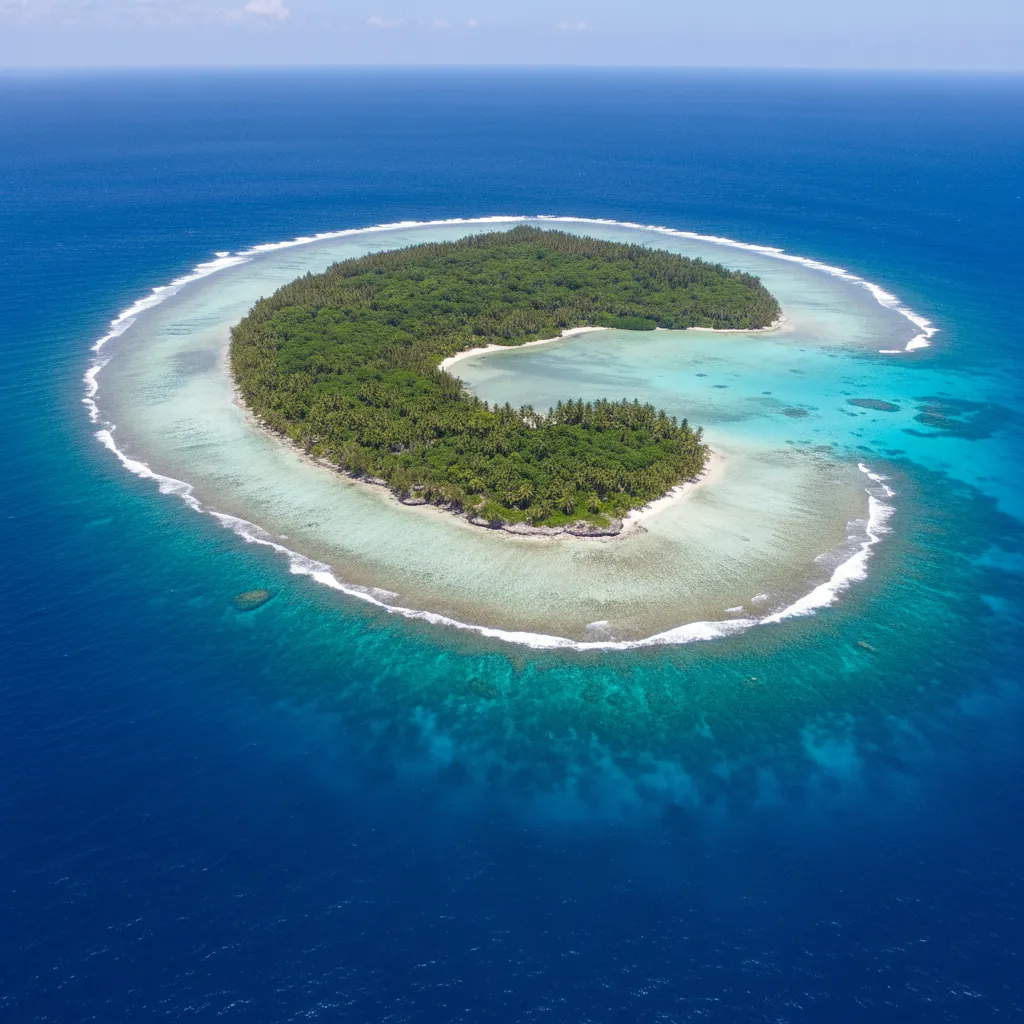
Lifou, Ouvea, or Mare: Which One to Choose?
While all three islands share a common cultural heritage, they possess distinct personalities and topographies. Understanding the differences is crucial for planning your itinerary, especially if time allows for only one or two stops.
What makes Lifou unique?
Lifou is the largest and most dynamic of the Loyalty Islands. It offers the most variety in terms of landscape, ranging from the steep cliffs of Jokin in the north to the pristine white sands of Luengoni in the south. It is the economic heart of the province and offers a wider range of accommodation options, from tribal homestays to comfortable hotels. Lifou is ideal for travelers who want a mix of hiking, snorkeling, and cultural immersion.
Why choose Ouvea?
Often called the “Island Closest to Paradise,” Ouvea is a crescent-shaped atoll boasting a continuous 25-kilometer stretch of white sand beach bordering a UNESCO World Heritage-listed lagoon. It is flatter and quieter than Lifou. Ouvea is the ultimate destination for relaxation, swimming, and witnessing some of the most stunning turquoise waters on the planet. If your goal is to disconnect and lounge on a deserted beach, Ouvea is the choice.
What is special about Mare?
Mare is the wildest and most mysterious of the three. It features rugged scenery with high raised coral cliffs, dark forests, and hidden natural aquariums. It is less developed for tourism than Lifou or Ouvea, which appeals to adventurers and those seeking solitude. Mare is also known for its agriculture, particularly its avocados, which are celebrated in an annual festival.
Flight Connections: Air Calédonie & Magenta Airport
For most New Zealanders arriving at La Tontouta International Airport (NOU), reaching the Loyalty Islands requires a transfer to a different airport. This is a critical logistical detail that often catches first-time visitors off guard.
Where do domestic flights depart from?
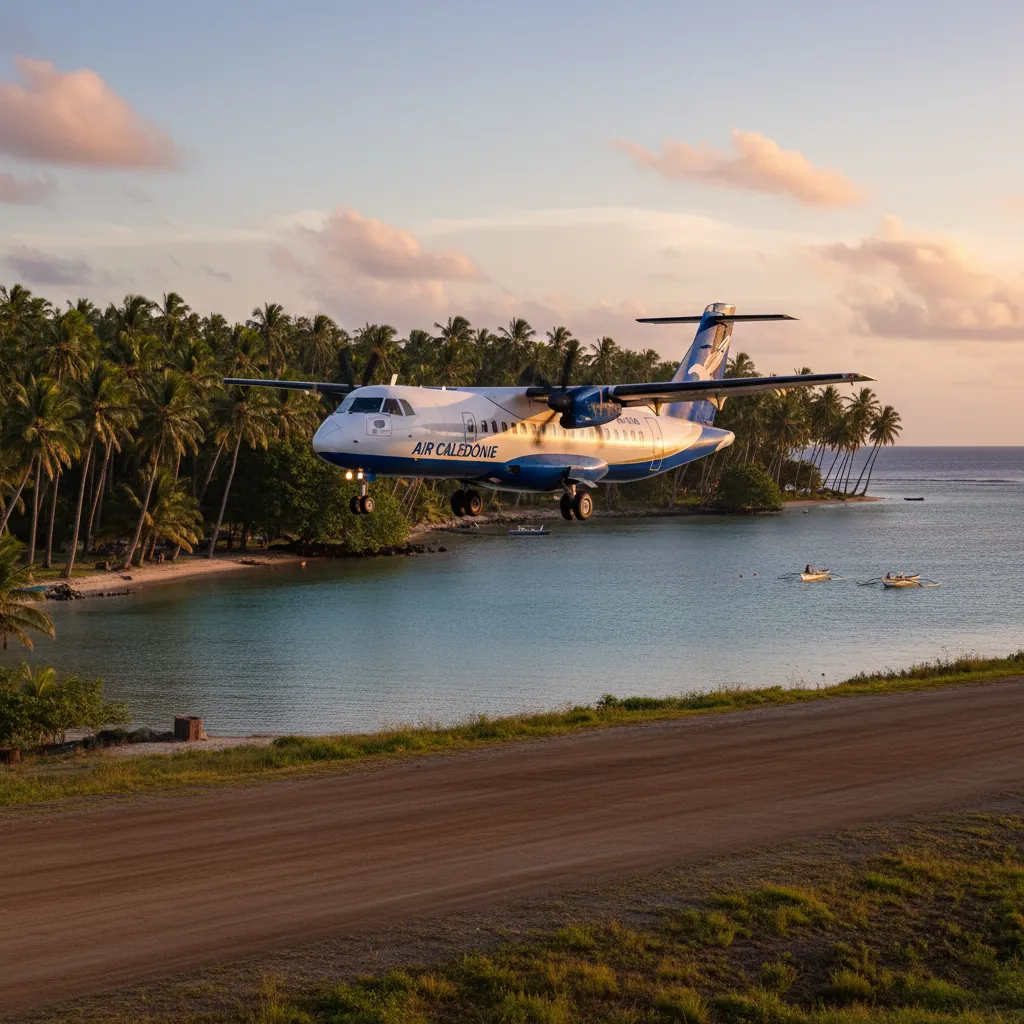
Domestic flights to the Loyalty Islands are operated by Air Calédonie (Aircalin’s domestic partner) and depart from Magenta Airport (GEA). Magenta is located right in the city of Noumea, approximately 45 to 60 minutes by shuttle bus or taxi from the international airport at Tontouta. You cannot fly directly from Auckland to the Loyalty Islands; you must transit through Noumea.
Booking the Air Pass
If you plan to visit more than one island, the most cost-effective option is the Air Calédonie “Pass Îles” (Island Pass). This allows you to book four flight segments (e.g., Noumea -> Lifou -> Ouvea -> Noumea) at a fixed, reduced rate. These passes must usually be booked in advance and have specific baggage restrictions.
Baggage Allowance Warnings
Be aware that the baggage allowance on Air Calédonie is generally stricter than international flights (often 20kg for checked bags and strictly monitored cabin baggage). If you are bringing heavy dive gear or extended holiday luggage, you may need to purchase excess baggage allowance online beforehand to avoid high fees at the counter.
The Betico Ferry: Schedules and Sea Travel Tips
For those with more time or a tighter budget, the Betico 2 (often just called the Betico) is a high-speed catamaran connecting Noumea to the Loyalty Islands.
How long does the ferry take?
The journey times vary depending on the route and sea conditions:
- Noumea to Mare: Approximately 4 hours.
- Noumea to Lifou: Approximately 5 hours.
- Noumea to Ouvea: Approximately 6 hours (often via Lifou).
Important Considerations for the Ferry
The stretch of ocean between Grande Terre and the Loyalty Islands can be rough. If you are prone to seasickness, flying is strongly recommended. However, the ferry offers a scenic arrival and is significantly cheaper than flying. The schedule changes weekly, so it is vital to check the latest timetables on the Betico website. The ferry departs from the ferry terminal in downtown Noumea, near the cruise ship wharf.
Kanak Hospitality and The Custom (La Coutume)
Visiting the Loyalty Islands is not just a beach holiday; it is an entry into Kanak tribal land. The concept of “Accueil en Tribu” (Tribal Homestay) is the most authentic way to experience the islands. Instead of sterile resorts, you stay in traditional huts (cases) or bungalows within a family compound.
What is ‘La Coutume’?
“Faire la coutume” (doing the custom) is a gesture of respect and a formal introduction when you enter a tribal area or visit a specific site (like a sacred cave or vanilla plantation). It involves presenting a small gift to the chief or the landowner.
How to perform the gesture
For a tourist, this usually involves offering a piece of “Manou” (a colorful sarong-like fabric sold in local shops) and a small amount of money (500 to 1000 XPF) or a pack of tobacco. You present this to your host upon arrival, stating humbly who you are and that you respect their land. While not always mandatory for simple beach visits, it is essential for guided tours on tribal land and deeply appreciated by homestay hosts. It transforms your status from a tourist to a guest.
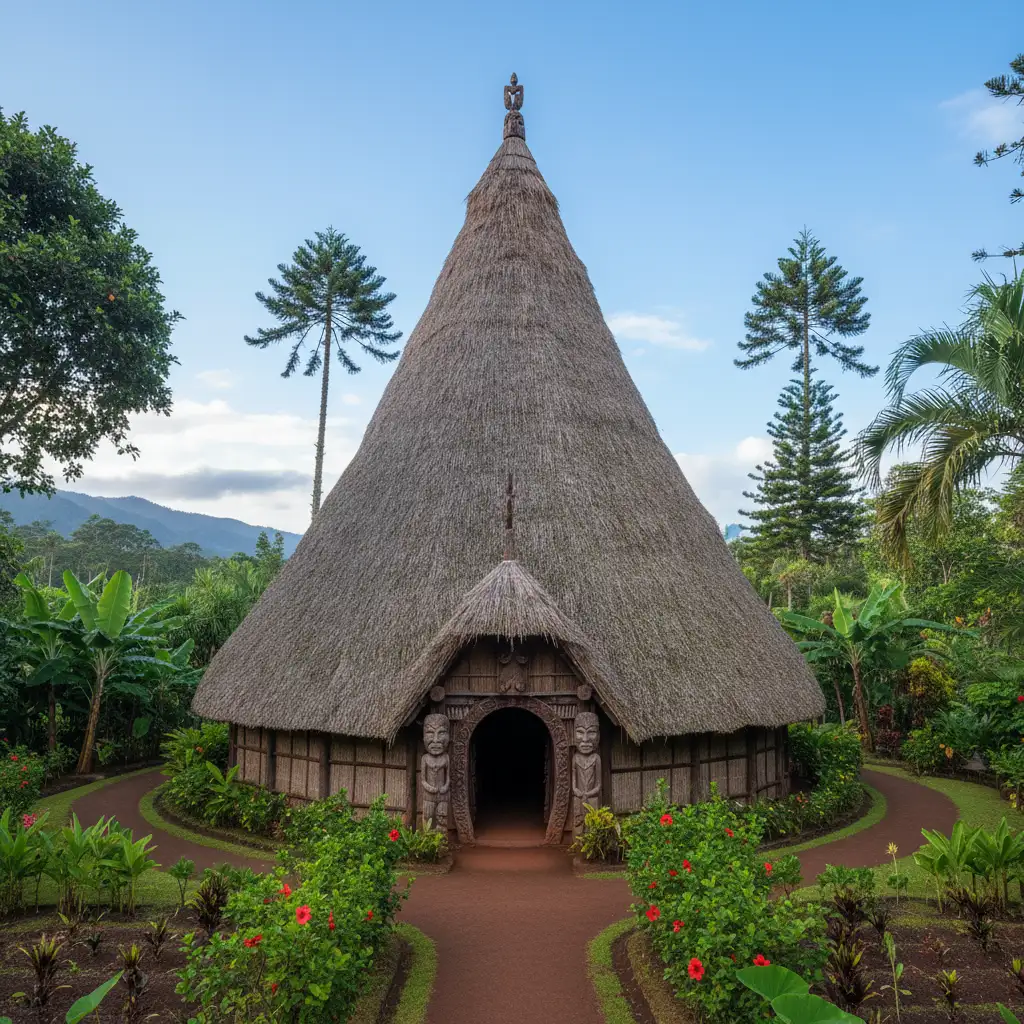
Lifou: The Diverse Giant
Lifou (Drehu in the local language) is the size of Martinique and offers a rich tapestry of experiences.
Must-Visit Sites in Lifou
- Jokin Cliffs: Located in the north, these 40-meter high cliffs drop straight into deep blue water. The snorkeling here is exceptional, with coral visible immediately off the rocks.
- Luengoni Beach: A contender for the best beach in the Pacific. The sand is like flour, and the water is crystal clear. Nearby, you can swim in the “Jewels of Luengoni,” a series of sinkholes/caves (guide required).
- Vanilla Plantations: Lifou is famous for its vanilla. Visit a plantation in the Mou district to smell the curing pods and buy high-quality vanilla beans directly from the farmers.
Ouvea: The Island Closest to Paradise
Ouvea (Iaai) is a narrow atoll that feels fragile and ethereal. The lagoon is a UNESCO World Heritage site, teeming with sharks, rays, and turtles.
Highlights of Ouvea
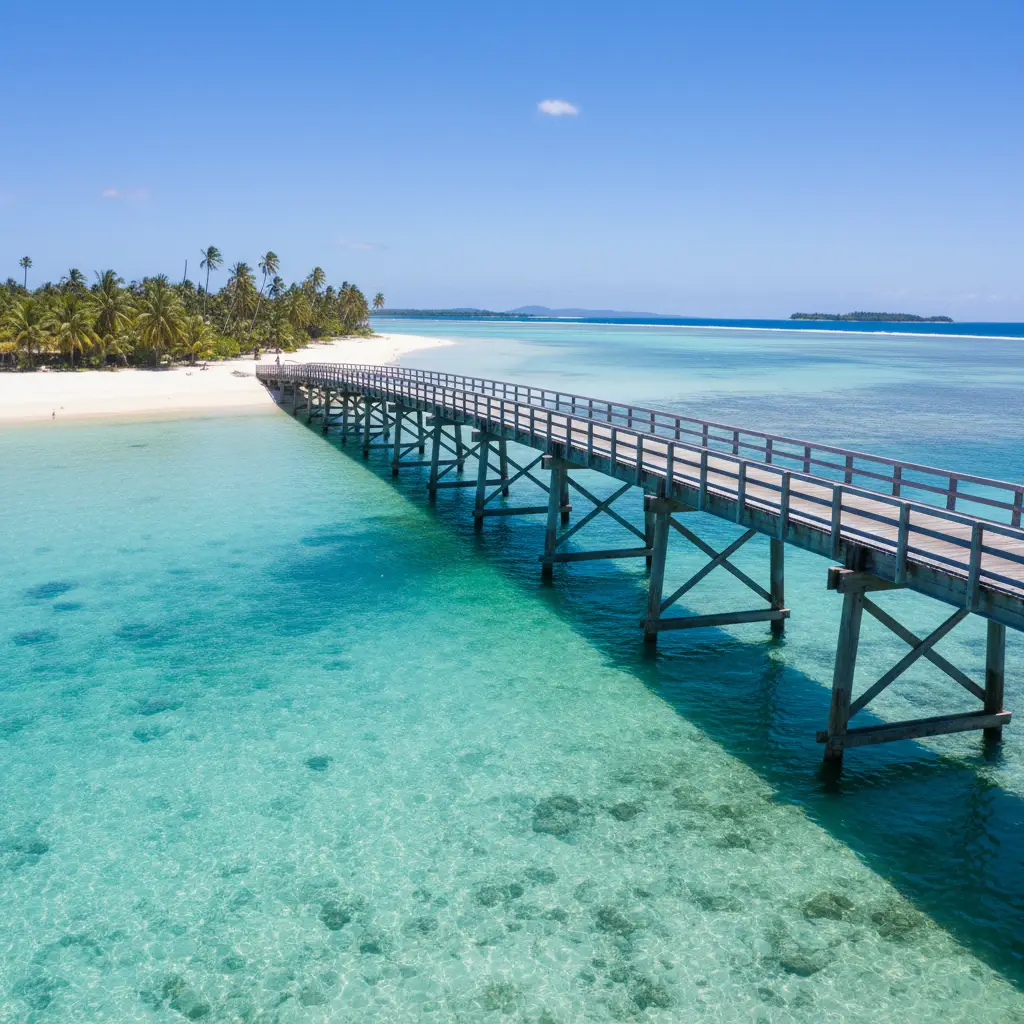
- Mouli Bridge: This bridge connects the main island to the islet of Mouli. It is a famous spot to watch the sunset and observe turtles and rays swimming in the current below. Jumping from the bridge is strictly forbidden.
- The Blue Hole of Hanawa: A deep pool of seawater carved into the coral rock, located in the north.
- Fayaoue Beach: The 25km spine of the island. It is crucial to respect local privacy here; do not set up your towel directly in front of someone’s home without asking.
Mare: The Wild and Untamed
Mare (Nengone) offers a rugged beauty that contrasts with the serenity of Ouvea. It is an island of legends and deep cliffs.
Top Experiences in Mare
- The Natural Aquarium: A natural swimming pool protected from the open sea, filled with colorful fish and coral. It is a protected zone, so swimming is often restricted to preserve the ecosystem, but the view is breathtaking.
- Shabadran Terraces: A difficult hike leads you to these stunning coral terraces overlooking the crashing waves. A guide is absolutely mandatory.
- Yejele Beach: The most popular swimming spot on the island, known for its vibrant turquoise water and weekend market stalls.
Practical Tips for New Zealand Travelers
Currency: The currency is the Pacific Franc (XPF). While credit cards are accepted at hotels, cash is king in the Loyalty Islands, especially for tribal stays, small snacks, and market purchases. Exchange money at Tontouta Airport or use ATMs in Noumea before departing for the islands. ATMs on the islands can be scarce or out of order.
Language: French is the official language, and various Kanak languages are spoken locally. English is spoken at major hotels, but in tribal homestays, communication may be limited. A smile and a few basic French phrases (“Bonjour”, “Merci”) go a long way.
Transport on Islands: Public transport is virtually non-existent for tourists. Renting a car is highly recommended for Lifou and Mare to see the sights. Ouvea can be explored by rental car, scooter, or even bicycle due to its flat terrain.
Connectivity: Wi-Fi is improving but can be spotty. The 3G/4G network is generally good. New Zealand travelers should check roaming packs or buy a local “Tourism Card” SIM from the OPT (Post Office) in Noumea.
When is the best time to visit the Loyalty Islands?
The best time to visit is during the shoulder seasons: April to June and September to November. The weather is warm but not too humid, and you avoid the peak cyclone season (January to March) and the cooler months of July and August.
Do I need a visa for New Caledonia from New Zealand?
New Zealand passport holders do not need a visa for short tourist stays (up to 3 months) in New Caledonia. Ensure your passport has at least 6 months of validity remaining.
Is it safe to swim in the Loyalty Islands?
Generally, yes. The lagoons are calm and safe. However, visitors should be aware of marine life (stonefish, cone shells) and wear reef shoes. Always ask locals if a specific area is “Taboo” (sacred) before swimming.
Can I drink the tap water?
Tap water is generally safe in the main villages of Lifou and Mare, but the taste can be mineral-heavy. On Ouvea, fresh water is precious. Many tourists prefer bottled water or filtered water, especially in tribal areas.
How many days should I spend in the Loyalty Islands?
To truly experience the islands without rushing, allocate at least 3 nights per island. A 7-day itinerary covering two islands (e.g., Lifou and Ouvea) is a popular choice for first-timers.
What should I pack for a trip to the Loyalty Islands?
Pack light, breathable clothing, plenty of reef-safe sunscreen, insect repellent (mosquitoes can be active), a European 2-pin power adapter, reef shoes, and your own snorkel gear for the best fit.