
New Caledonia food and wine travel offers a unique culinary fusion where traditional French gastronomy meets fresh Melanesian produce, located just a three-hour flight from New Zealand. Visitors can indulge in imported French cheeses, extensive wine lists, and artisan pastries alongside local specialties like Kanak Bougna, venison, and the world-renowned Obsiblue prawns.
What Makes New Caledonia the “Paris of the Pacific”?
For New Zealand travelers, the allure of Europe often comes with the daunting prospect of a 24-hour long-haul journey. However, New Caledonia presents a sophisticated alternative: a slice of France situated comfortably in the South Pacific, less than three hours from Auckland. The culinary landscape here is not merely an imitation of French cuisine; it is an authentic extension of it, adapted to the tropical climate and abundance of the archipelago.
The capital, Nouméa, operates with a culinary rhythm that rivals many French provincial towns. The day begins with the scent of butter and yeast wafting from the myriad boulangeries (bakeries) scattered throughout the city. Here, the baguette is not a luxury item but a daily staple, strictly regulated to ensure quality. The croissants are flaky, the pain au chocolat is rich, and the pâtisseries rival those found in the arrondissements of Paris.
However, the “Gourmet Voyager” experience goes beyond baked goods. It is the structural approach to dining that defines the destination. Meals are events. Lunch is often a two-hour affair, and dinner is taken late and savored slowly. For the Kiwi palate, accustomed to a fusion of Asian and British influences, the strict adherence to French culinary techniques—sauces, reductions, and confits—applied to tropical ingredients creates a fascinating and delicious contrast.

How Accessible is Fine French Wine and Cheese?
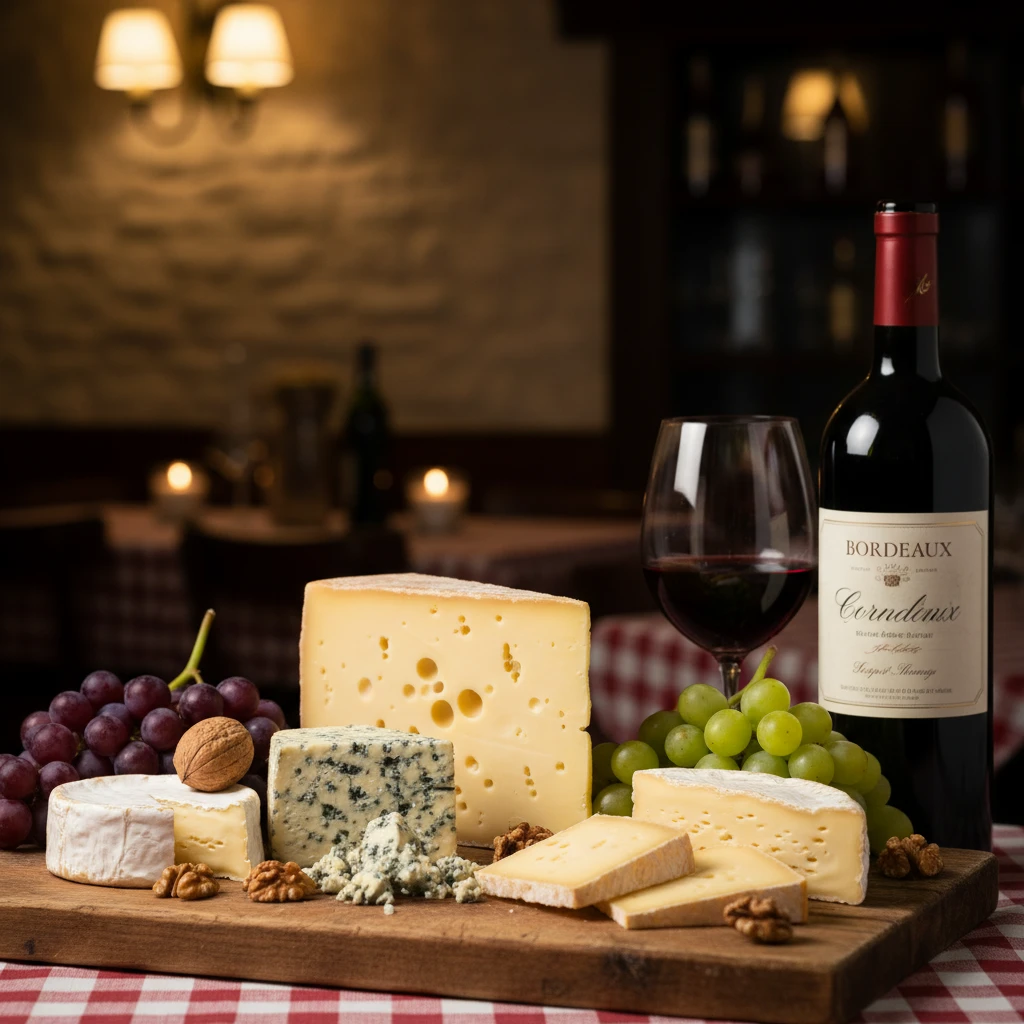
One of the primary drivers for New Caledonia food and wine travel is the unparalleled access to French viticulture. Unlike New Zealand, where heavy import taxes can make specific French vintages prohibitively expensive, New Caledonia benefits from its status as a French overseas territory. This trade relationship ensures that wine lists in Nouméa are stocked with reasonably priced bottles from Bordeaux, Burgundy, the Loire Valley, and Alsace that might otherwise never reach the Southern Hemisphere.
The Art of L’Apéro
To truly eat like a local, one must embrace the tradition of L’Apéro (the aperitif). This is the golden hour of the day, usually around sunset, where friends gather for a drink and light snacks before dinner. In Nouméa’s Baie des Citrons or Anse Vata, you will find terraces filled with patrons sipping on chilled Rosé from Provence or a crisp Chablis.
The Cheese Selection
Cheese is treated with reverence. Supermarkets in New Caledonia, such as the expansive Casino or Carrefour locations, feature cheese aisles that dwarf standard dairy sections. You will find AOP (Appellation d’Origine Protégée) cheeses flown in directly from Rungis Market in Paris. From creamy Camembert de Normandie to pungent Roquefort and aged Comté, the selection is authentic. Many restaurants offer a cheese course to finish the meal, served traditionally before or instead of dessert, often accompanied by a fig jam or fresh walnuts.
What is Traditional Kanak Cuisine?
While the French influence is undeniable, the soul of New Caledonia’s food culture lies in its indigenous roots. Kanak cuisine provides an earthy, grounding counterpoint to the refinement of French cooking. It relies heavily on tuberous root vegetables like taro, yams, and manioc (cassava), as well as coconut milk, fish, and chicken.
The Bougna: A Must-Try Experience
The crowning jewel of Kanak gastronomy is the Bougna. This is more than a dish; it is a ceremonial feast. The preparation involves wrapping a combination of chicken, lobster, or fish with yams, sweet potatoes, bananas, and lashings of coconut milk inside banana leaves. The bundle is then placed in a ground oven filled with red-hot stones and covered with earth to slow-cook for several hours.
The result is a meltingly tender stew where the ingredients steam in their own juices, infused with the smokiness of the leaves and the sweetness of the coconut. For tourists, experiencing a Bougna usually requires a reservation at a tribal homestay or a specialized restaurant, as the preparation time is significant. It is a communal meal that speaks to the hospitality of the Kanak people.
Why are Obsiblue Prawns World-Famous?
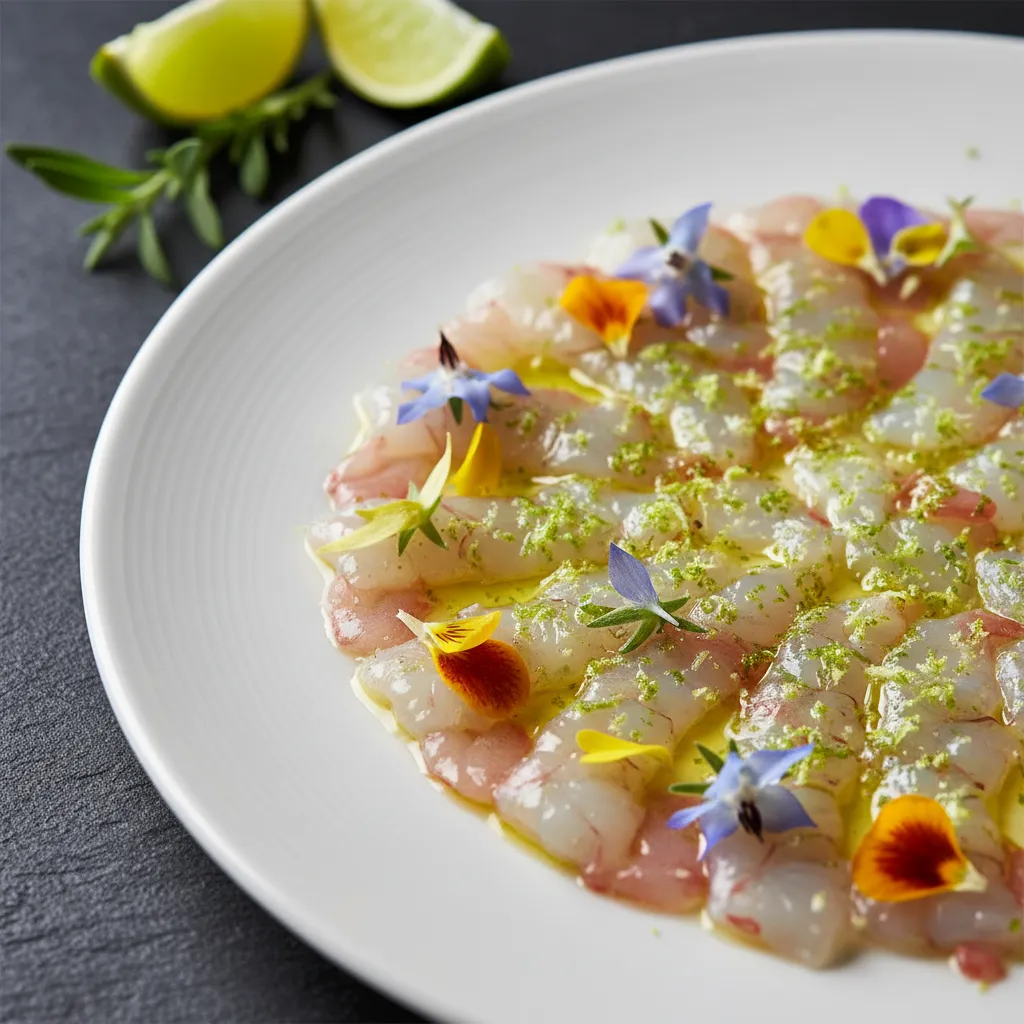
New Caledonia is home to a specific delicacy that chefs around the world covet: the Obsiblue Prawn. This rare blue prawn is farmed in the pristine, UNESCO World Heritage-listed lagoon waters of the archipelago. They are harvested only once a year and are prized for their sweet, sashimi-grade flesh and vibrant blue hue (which turns pink upon cooking).
In New Zealand, you might find these on the menus of the absolute top-tier restaurants at a premium price. In New Caledonia, they are fresh, abundant, and served in a variety of ways—from raw carpaccio with a twist of lime to simply grilled with garlic butter. Seafood lovers should also look out for the local mangrove crabs and the deep-sea coconut crab, though the latter is a protected species and consumption is strictly regulated to sustainable periods.
Where are the Best Dining Experiences in Nouméa?
The dining scene in Nouméa is segmented into distinct zones, each offering a different atmosphere for the traveling gourmet.
The Latin Quarter (Quartier Latin)
This area lives up to its name, offering a bohemian vibe with hidden bistros and cafes. Here, you will find “Table d’hôte” style dining—smaller, intimate venues where the menu changes daily based on what was fresh at the market. It is the best place to find authentic French provincial cooking, such as Cassoulet or Boeuf Bourguignon.
Baie des Citrons
For a more lively atmosphere, the Baie des Citrons is the hub of nightlife and dining. The strip faces the beach and is lined with restaurants ranging from high-end steakhouses to fusion tapas bars. It is the ideal spot for a sunset dinner where the view is as important as the food.
Port Moselle Market
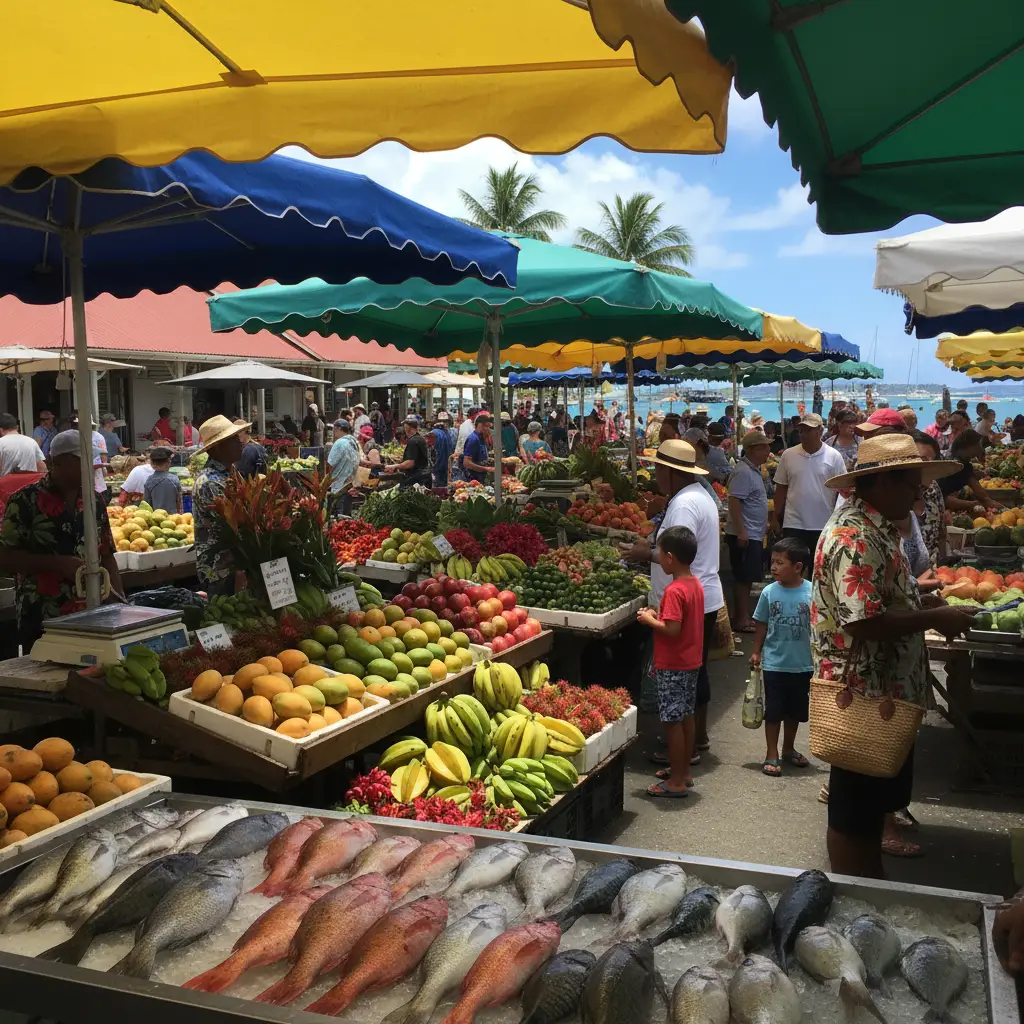
For the self-catering traveler or the curious foodie, a morning visit to the Port Moselle Market is mandatory. Open from 5:00 AM to 11:30 AM (closed Mondays), this is the beating heart of the city’s food supply. You will find stalls piled high with fresh tuna and mahi-mahi, local tropical fruits, and artisan cured meats. There is a dedicated pavilion for bakery items where you can grab a coffee and a croissant and watch the locals shop.
Practical Tips for Kiwi Travelers
To maximize your New Caledonia food and wine travel experience, there are a few cultural nuances that New Zealanders should be aware of.
Tipping Culture
Unlike the United States, and similar to New Zealand, tipping is not mandatory in New Caledonia. Service charges are generally included in the price. However, leaving small change or rounding up the bill for exceptional service is appreciated, though never expected.
Meal Times
The French influence extends to operating hours. Lunch is strictly between 11:30 AM and 2:00 PM. If you try to find a sit-down meal at 3:00 PM, you may struggle, as most kitchens close to prepare for dinner service, which typically starts at 7:00 PM. Plan your day accordingly, or rely on “Snack” bars (casual eateries) for off-hour hunger.
Bringing Wine Home
Given the quality and price of French wine in Nouméa, many Kiwis want to bring bottles back. New Zealand customs allow for a specific duty-free allowance (currently 4.5 liters of wine or beer per person). It is highly recommended to purchase wine at supermarkets in Nouméa rather than the airport duty-free for a better selection and often better pricing, provided you pack it securely in your checked luggage.
People Also Ask
Is food expensive in New Caledonia?
Yes, dining out in New Caledonia can be comparable to high-end prices in Auckland or Wellington. Because many ingredients are imported from France or grown locally on a small scale, costs can be higher. However, value can be found in local “Snacks,” bakeries, and by shopping at markets for self-catering.
What is the national dish of New Caledonia?
The Bougna is widely considered the national dish of New Caledonia. It is a traditional Kanak meal of chicken, lobster, or fish cooked with root vegetables and coconut milk inside banana leaves over hot stones.
Can you drink the tap water in Nouméa?
Yes, the tap water in Nouméa is generally safe to drink and meets high sanitary standards. However, in rural areas or on the outer islands, it is often recommended to drink bottled water to avoid any stomach upsets.
Do I need to speak French to order food in New Caledonia?
While French is the official language, most hospitality staff in tourist areas like Nouméa speak English. However, learning a few basic phrases like “Bonjour” (Hello) and “L’addition, s’il vous plaît” (The bill, please) goes a long way in receiving warmer service.
What is the legal drinking age in New Caledonia?
The legal drinking age in New Caledonia is 18 years old. Alcohol cannot be sold in supermarkets on Wednesday afternoons, Friday afternoons, and weekends after specific hours, a regulation aimed at curbing public drinking.
Are there vegetarian options in New Caledonia?
Yes, while traditional French and Kanak cuisines are meat and seafood-heavy, the modern dining scene in Nouméa caters well to vegetarians. Most restaurants offer vegetarian dishes, and the abundance of fresh produce at markets makes self-catering easy for plant-based travelers.