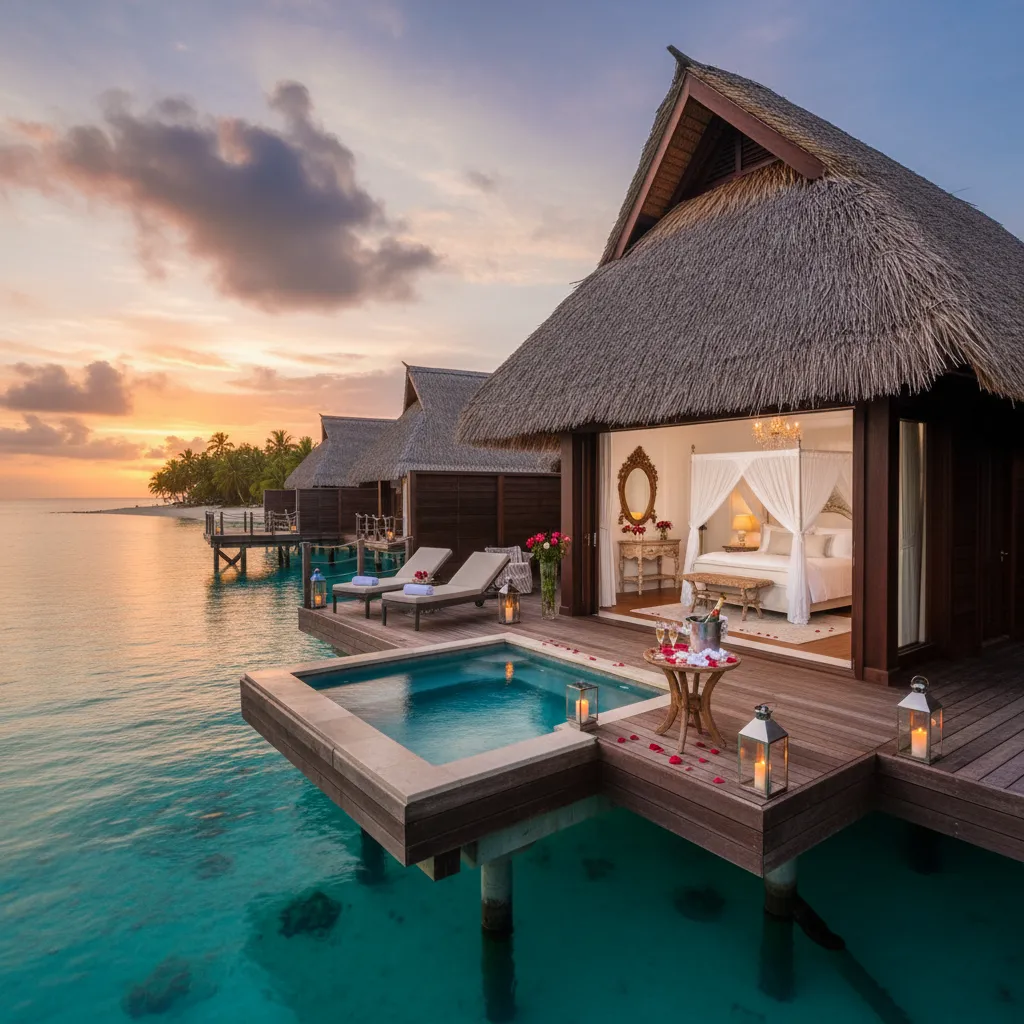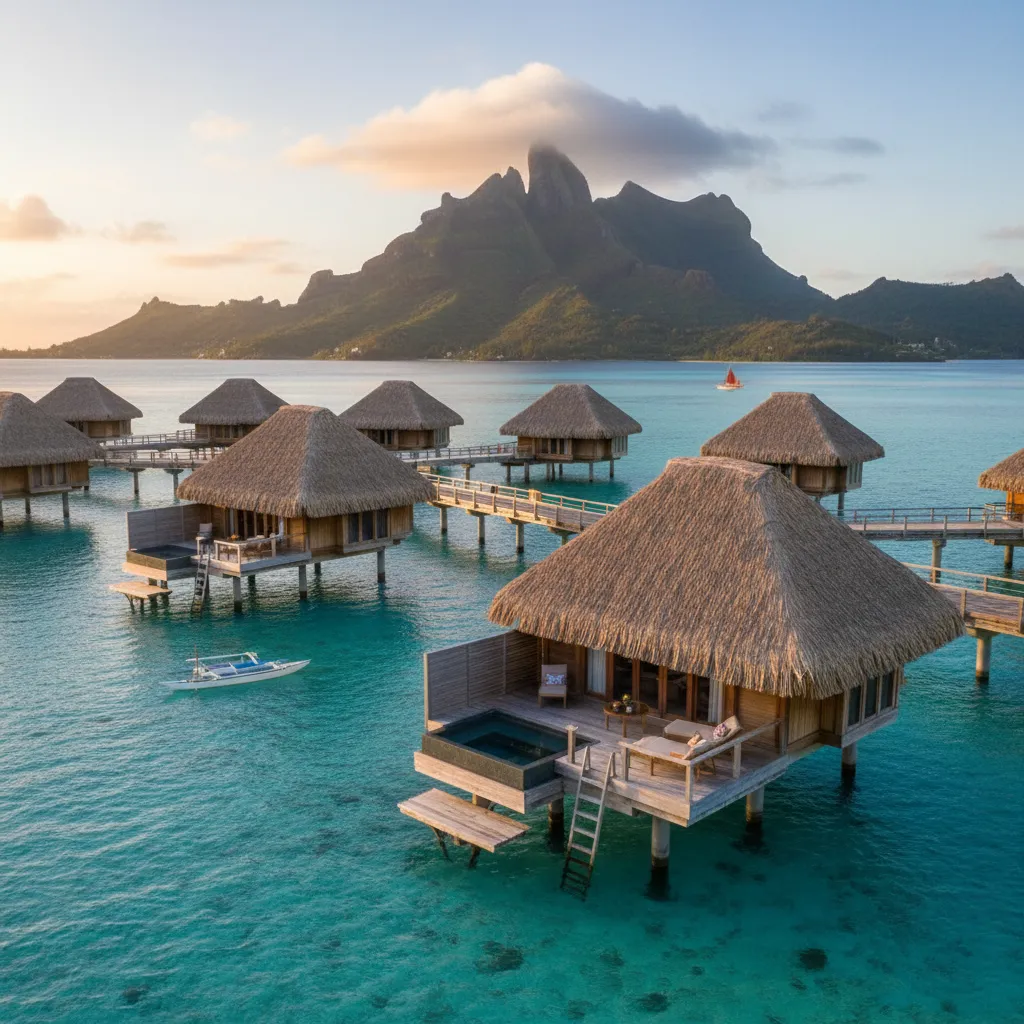
Determining the best snorkeling between New Caledonia’s Isle of Pines and the Cook Islands’ Aitutaki depends on your priorities. The Isle of Pines offers unique endemic species and dramatic limestone formations, while Aitutaki excels with its vast, crystal-clear lagoon and giant clams. Both provide world-class visibility and vibrant coral ecosystems for South Pacific travelers.
Marine Biodiversity: Endemic Species vs. Tropical Staples
When comparing the best snorkeling New Caledonia vs Cook Islands, the conversation begins with what lies beneath the surface. New Caledonia is home to the world’s second-largest coral reef system, a UNESCO World Heritage site that boasts an incredible level of endemism. In the Isle of Pines (Île des Pins), snorkelers often encounter species found nowhere else on Earth.
The Isle of Pines is famous for its “Piscine Naturelle” (Natural Pool) in Oro Bay. Here, the biodiversity is concentrated in a sheltered lagoon protected from the open ocean by towering coral walls. Snorkelers can expect to see schools of striped surgeonfish, vibrant parrotfish, and the occasional leopard shark resting on the sandy floor. The coral health in New Caledonia is generally exceptional, with large stands of branching Acropora and massive Porites corals that have survived global bleaching events better than many other regions.
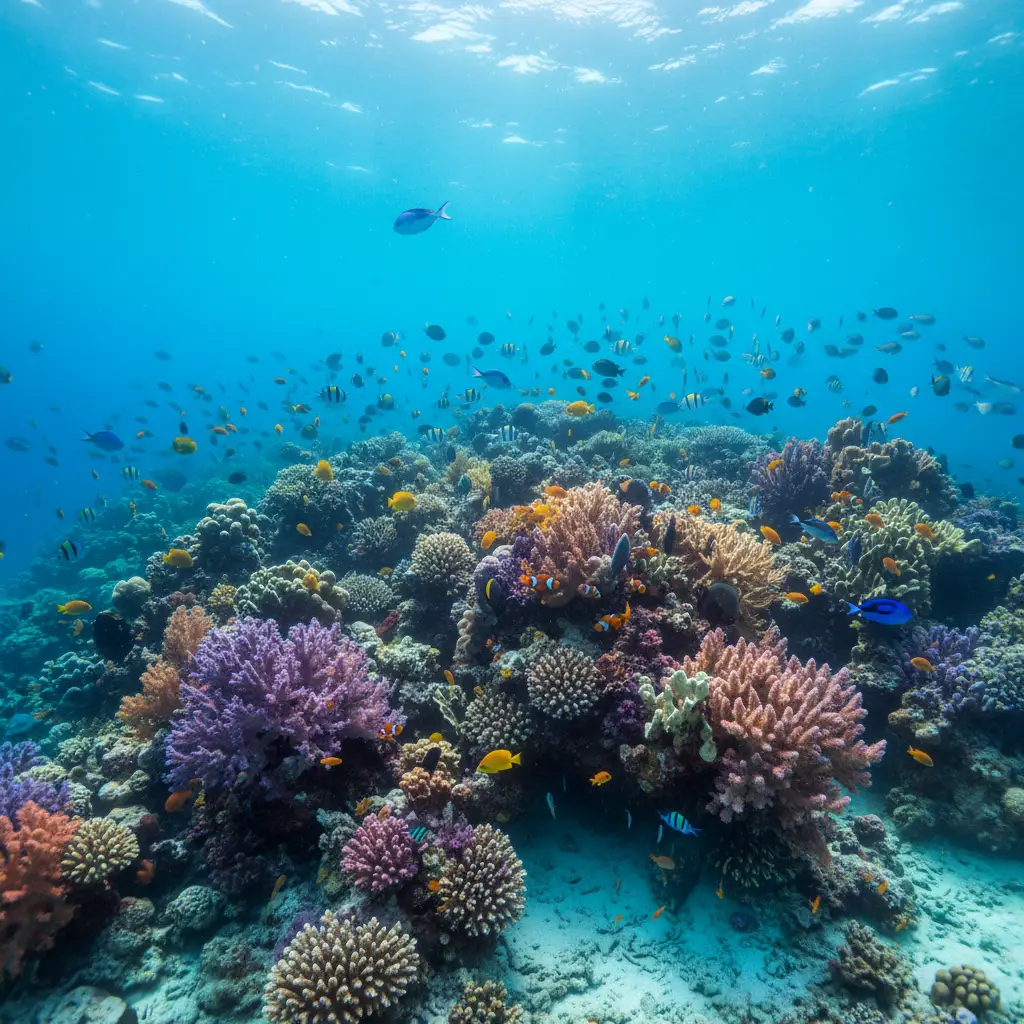
Conversely, Aitutaki in the Cook Islands offers a different but equally compelling biological profile. The Aitutaki lagoon is vast, covering over 50 square kilometers. While it may not have the same level of coral density as the Isle of Pines’ fringing reefs, it is the king of the “Giant Clam.” The Cook Islands have invested heavily in clam nurseries, and Aitutaki’s lagoon is home to massive Tridacna maxima specimens with iridescent mantles in shades of electric blue, purple, and green. Additionally, Aitutaki is a prime spot for seeing bonefish and the majestic Giant Trevally (GT), which often follow snorkelers in the deeper parts of the lagoon.
Water Clarity and Temperature: The Seasonal Factor
For New Zealand travelers, understanding the seasonal shifts in water conditions is crucial. Both destinations offer tropical climates, but their latitudes result in distinct experiences. New Caledonia is slightly further south and west, meaning its “winter” (June to August) can feel a bit brisk for some.
In the Isle of Pines, water temperatures range from 21°C in the winter to 27°C in the summer (December to February). Visibility is often staggering, frequently exceeding 30 meters. This clarity is due to the island’s unique limestone composition and the lack of major river runoff. When the sun is high, the white sand reflects light through the water, creating a “high-definition” snorkeling experience that is hard to beat.
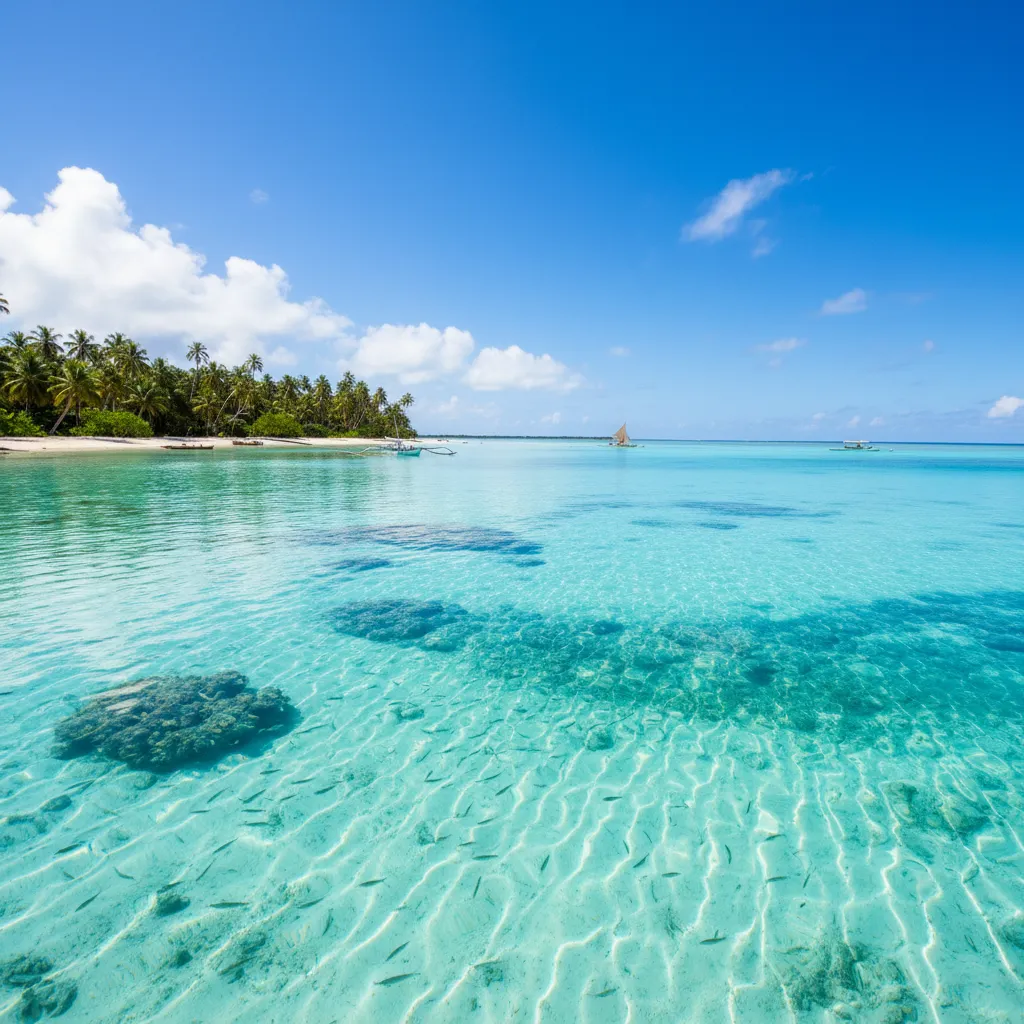
Aitutaki, being closer to the equator, maintains a slightly warmer profile year-round. Water temperatures rarely dip below 24°C, peaking at 29°C in the height of summer. However, because Aitutaki is a large, shallow lagoon, visibility can be more susceptible to wind and tidal movement. On a calm day, the clarity is world-class, but a strong trade wind can stir up fine sediment in the shallower areas. For the absolute best visibility in Aitutaki, snorkeling near the reef passages (like Arutanga) or the outer motus (islets) like One Foot Island is recommended.
Accessibility of Reefs: Shore-Based vs. Boat-Based Adventures
One of the biggest factors in the best snorkeling New Caledonia vs Cook Islands debate is how easily you can get to the fish. The Isle of Pines is arguably the winner for independent travelers who prefer shore-based snorkeling. Kanumera Bay, located right in front of the Oure Tera Beach Resort, features a massive sacred rock (Rocher de Kanumera) surrounded by coral. You can simply walk off the beach with your mask and fins and be surrounded by marine life within seconds.
The Natural Pool at Oro Bay requires a 15-minute walk through a pine forest and a shallow river crossing, but once there, it is an enclosed, safe environment perfect for families and beginners. There is no need for a boat to see some of the best marine life the island has to offer.
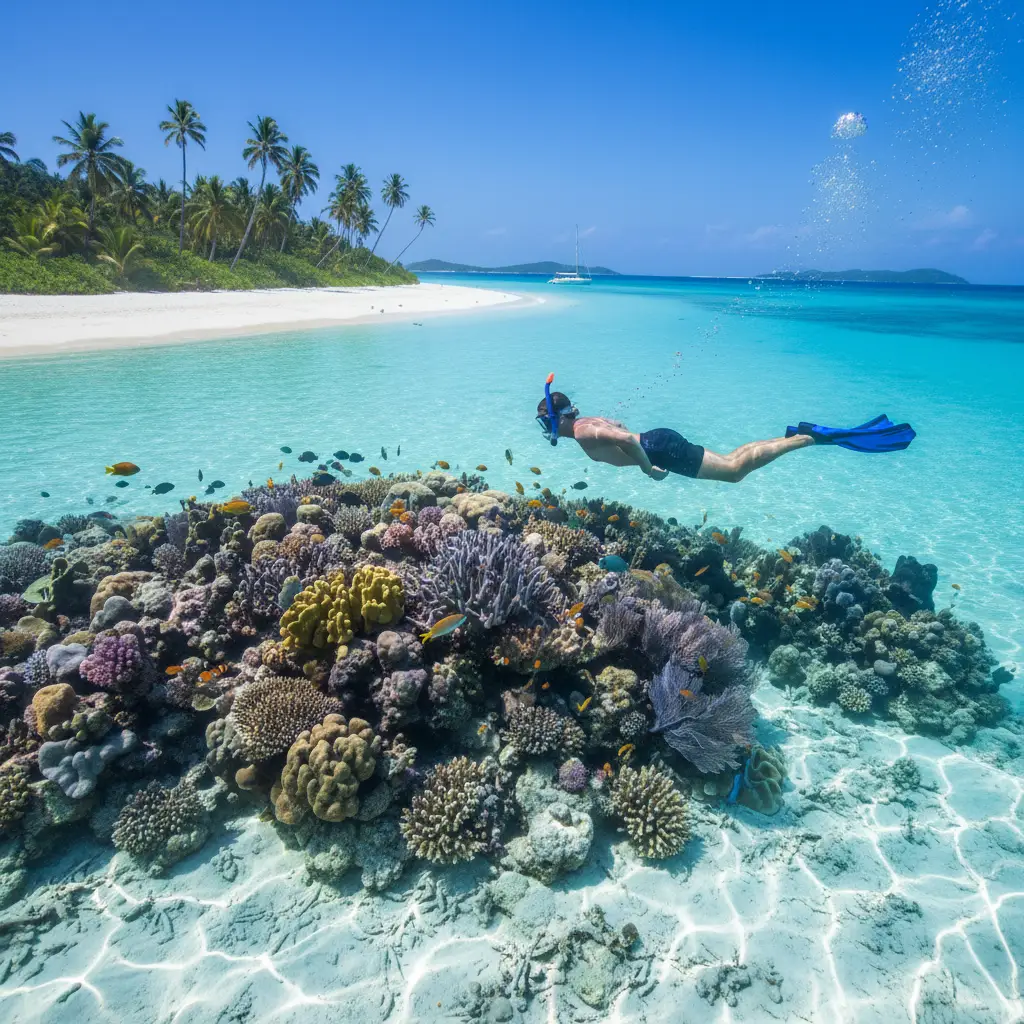
Aitutaki operates on a different model. While there is some snorkeling available off the main island’s beaches (near the Aitutaki Lagoon Private Island Resort), the truly spectacular snorkeling is located out in the lagoon, miles from the mainland. To experience the best of Aitutaki, you almost certainly need to book a lagoon cruise or hire a water taxi. These tours take you to the outer motus where the water is deeper and the coral formations are more complex. While this adds a cost factor, the experience of being dropped in the middle of a vast, neon-blue lagoon is unparalleled in its sense of scale and isolation.
Guided Tour Options: Local Expertise in the South Pacific
Guided tours can make or break a snorkeling trip, especially for those looking to find hidden gems. In New Caledonia, tours are often more intimate and focused on the “Nautilus” experience or visiting the smaller satellite islands like Ilot Brosse. Local Kanak guides provide cultural context, explaining the significance of the sea to the local population. These tours often include a traditional “Bougna” lunch, making for a full-day cultural and marine immersion.
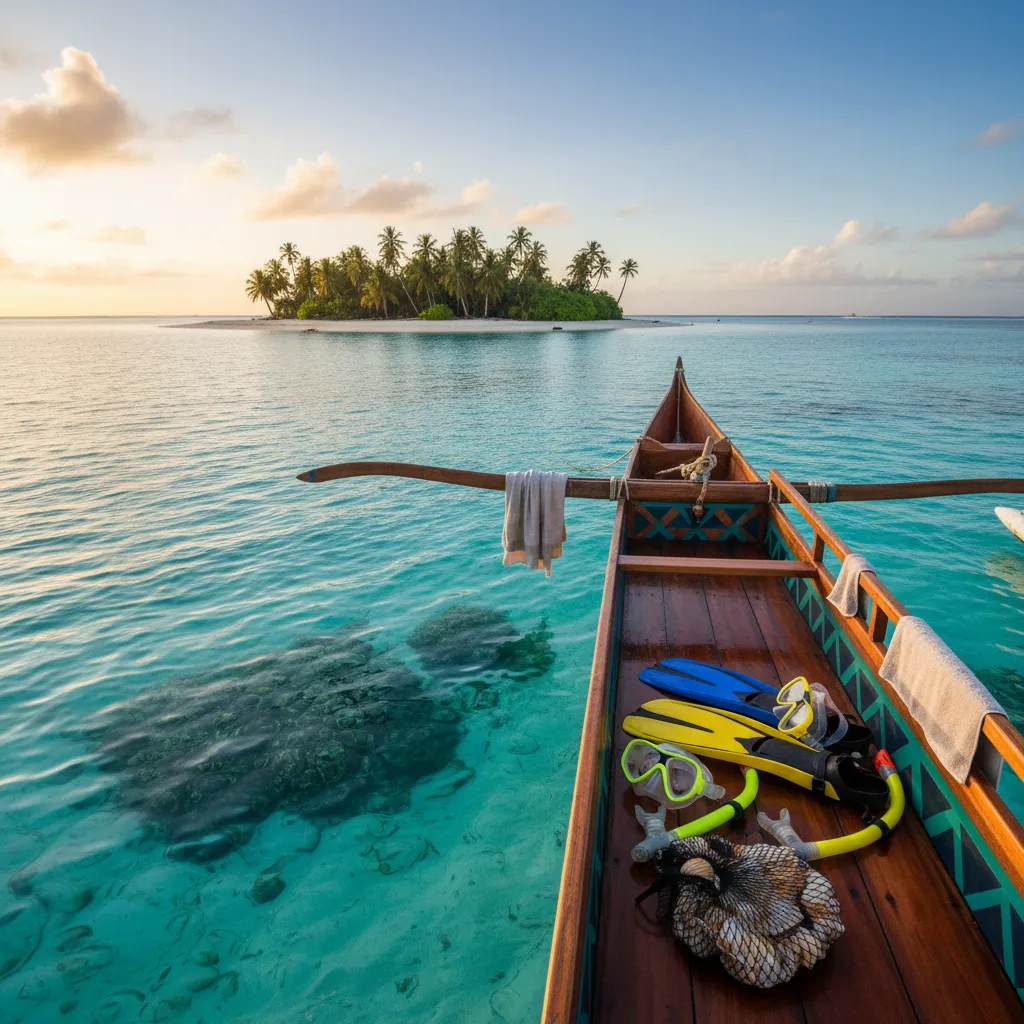
Aitutaki is world-famous for its Vaka cruises. Large, traditional-style catamarans like the “Titi-ai-tonga” offer a festive atmosphere with live ukelele music, BBQ lunches, and multiple snorkeling stops. These tours are highly professional and optimized for the New Zealand and Australian markets. For a more tailored experience, private charters are available that can take you to the “Purple Coral Garden,” a specific site known for its unique lavender-hued coral colonies that are rarely visited by the larger tour boats.
The New Zealand Traveler’s Perspective: Logistics and Value
For Kiwis, the choice often comes down to flight times and currency. New Caledonia is a short 2.5 to 3-hour flight from Auckland via Aircalin or Air New Zealand. It feels distinctly European; the language is French, the currency is the CFP Franc, and the food is a sophisticated blend of Melanesian fresh produce and French culinary technique. It is an ideal destination for those who want a “foreign” experience close to home.
The Cook Islands, on the other hand, offer a sense of familiarity. They use the New Zealand Dollar, everyone speaks English, and the flight time to Rarotonga is about 4 hours, followed by a short 40-minute scenic flight to Aitutaki. For many New Zealanders, the Cook Islands feel like a tropical extension of home, making it a lower-stress environment for families.
In terms of value, Aitutaki can be more expensive due to the necessity of the internal flight from Rarotonga and the reliance on boat tours for snorkeling. New Caledonia’s Isle of Pines also requires a domestic flight (or a long ferry ride) from Noumea, but the abundance of free, high-quality shore snorkeling can offset some of the daily costs. Ultimately, if you want rugged, limestone beauty and unique biodiversity, New Caledonia wins. If you want the quintessential, vast turquoise lagoon experience with giant clams, Aitutaki is the destination of choice.
Is snorkeling better in New Caledonia or the Cook Islands?
It depends on your preference. New Caledonia offers higher coral diversity and easier shore access in places like the Isle of Pines. The Cook Islands, specifically Aitutaki, offer a more expansive lagoon experience with famous giant clams and warmer year-round water.
When is the best time to snorkel in the Isle of Pines?
The best time is during the shoulder seasons, April to May and September to November. During these months, the weather is warm, the trade winds are manageable, and the water temperature is comfortable for long periods in the ocean.
Do I need a boat to snorkel in Aitutaki?
While some snorkeling is possible from the shore, the best sites, including the giant clam gardens and the clearest water, are located out in the lagoon and require a boat tour or water taxi to reach.
What marine life can I see in the Isle of Pines?
You can expect to see a wide variety of tropical fish including parrotfish, anemonefish (Nemo), and surgeonfish. You may also spot reef sharks, sea turtles, and the endemic New Caledonian sea krait (a docile sea snake).
Is the water warm enough for snorkeling in New Caledonia?
Yes, though it varies by season. In the summer, it is a balmy 26-28°C. In the winter (July/August), it drops to 21-22°C, which may require a thin wetsuit or thermal rash vest for extended snorkeling sessions.
Are there sharks while snorkeling in Aitutaki?
Yes, it is common to see small, harmless blacktip and whitetip reef sharks in the Aitutaki lagoon. They are generally shy and pose no threat to snorkelers, adding to the excitement of the underwater experience.