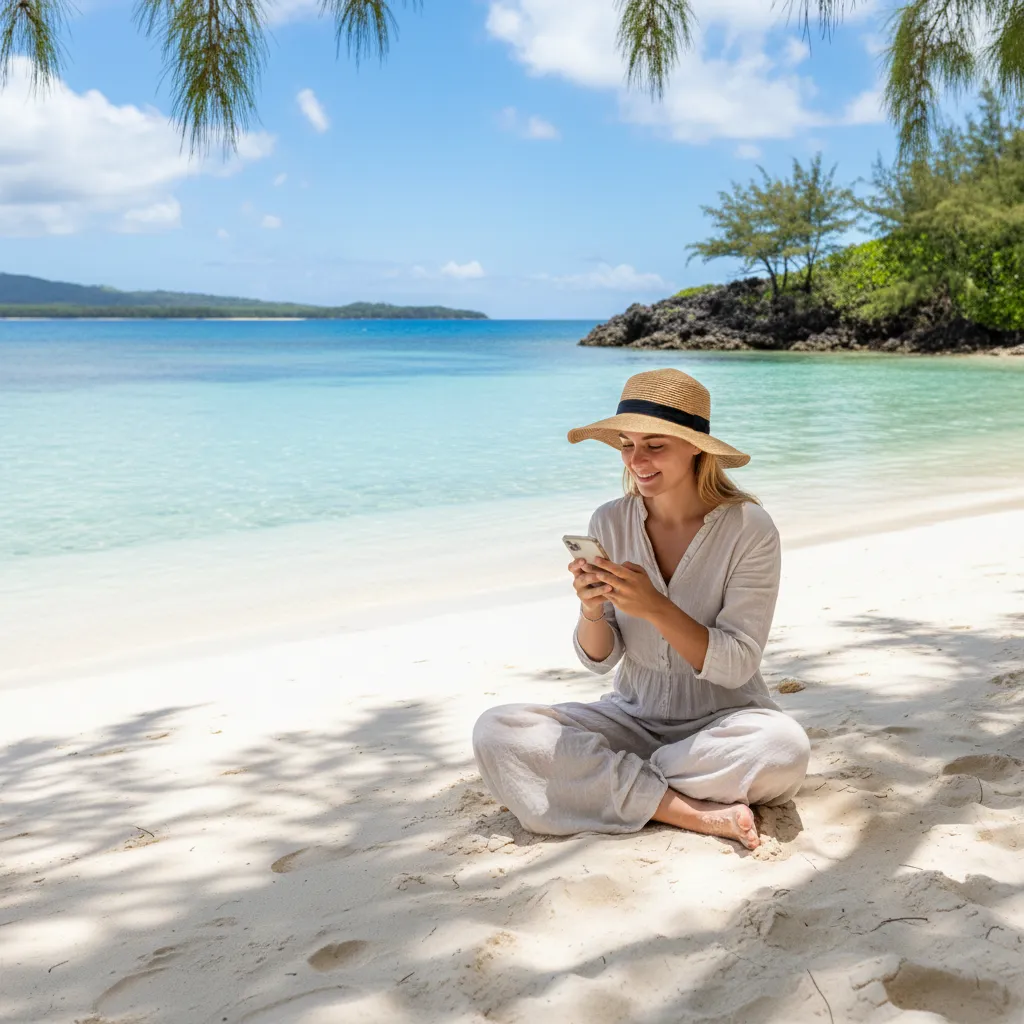
New Caledonia travel in April and May offers the ideal balance of value and climate for visitors, particularly New Zealanders seeking a tropical escape. This shoulder season features comfortable temperatures averaging 23°C to 27°C, significantly reduced rainfall compared to the cyclone season, and lower accommodation rates, making it the optimal time for hiking, road trips, and island hopping without peak crowds.
What makes the weather in April and May ideal for active travelers?
For New Zealanders, the transition from summer to autumn in New Caledonia feels remarkably similar to a warm Northland summer, but with a tropical twist. By targeting April and May, you are strategically positioning your trip immediately after the hot, humid cyclone season (which typically ends in March) and before the cooler trade winds of the true winter set in during July and August.
The primary advantage during these months is the drop in humidity. While January and February can see humidity levels spiking above 85%, April brings a refreshing dryness that makes physical exertion much more pleasant. Daytime temperatures hover comfortably between 24°C and 27°C (75°F – 80°F). This is the “Goldilocks” zone for active travelers.
Hiking Conditions in the Great South
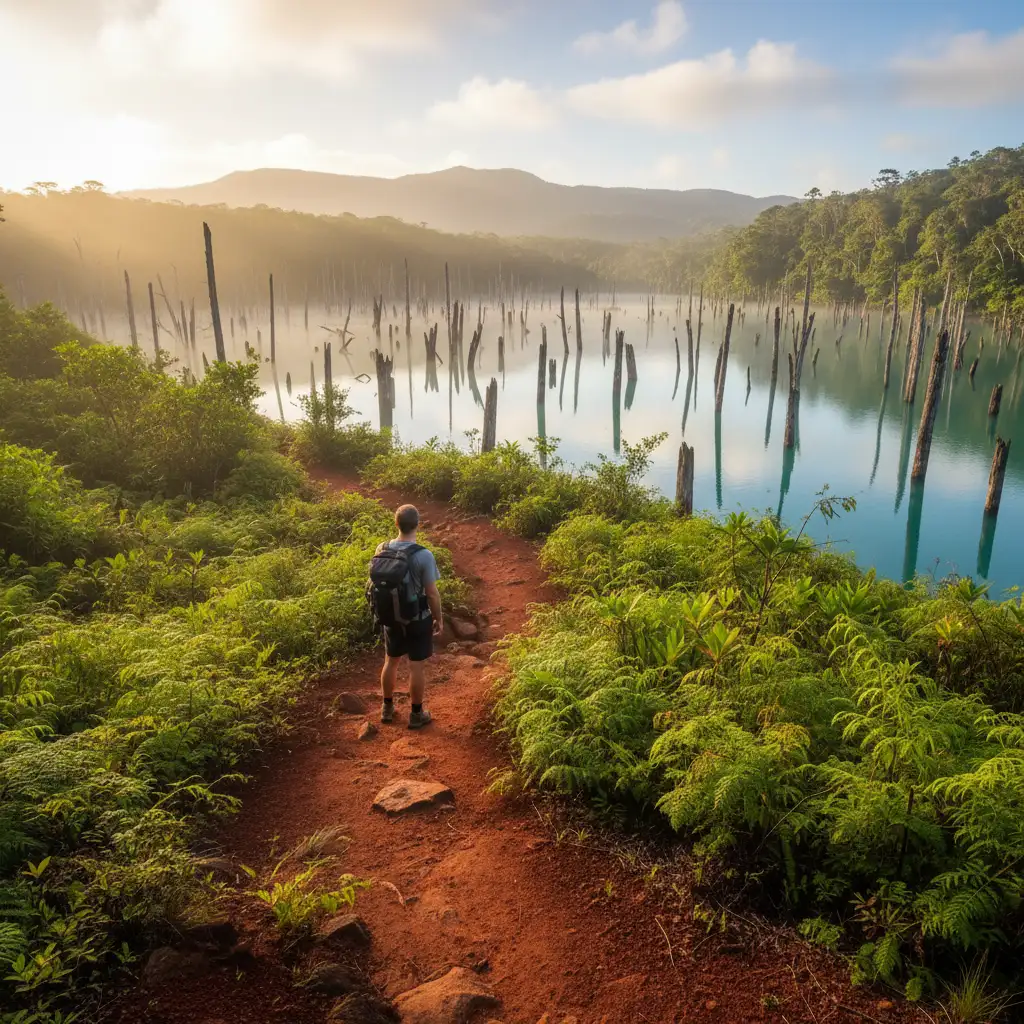
If you are planning to tackle the GR1 South trail or explore the Blue River Provincial Park (Parc Provincial de la Rivière Bleue), this is arguably the best window of the year. The trails, often muddy and slippery during the wet season, begin to dry out, providing safer footing on the distinct red earth terrain. The risk of heat exhaustion, a genuine concern in peak summer, is significantly mitigated. You can hike for 4-6 hours comfortably, provided you carry adequate hydration.
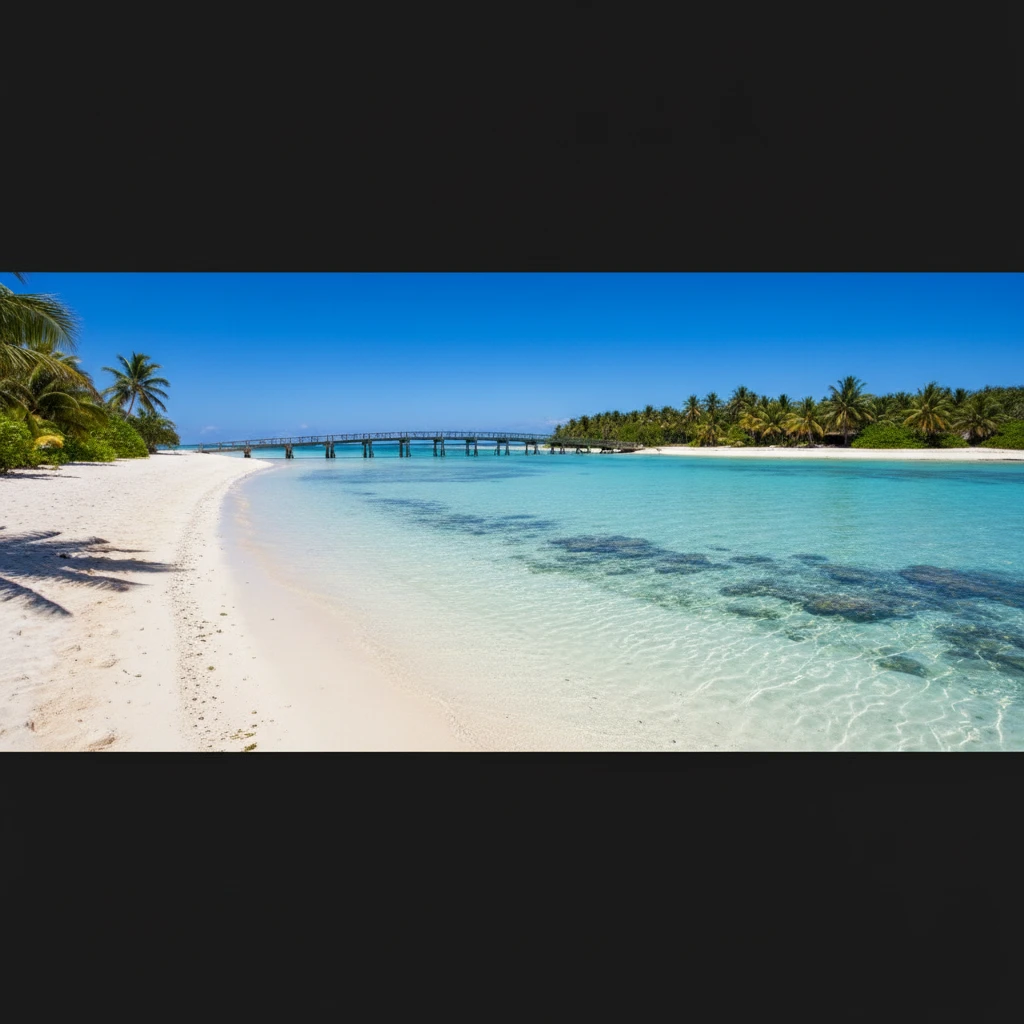
Furthermore, the water temperature in the lagoons remains warm—typically around 24°C to 25°C. This means you can hike in the morning and cool off with a snorkel in the afternoon without the water feeling bracing, a common complaint for some travelers visiting later in August.
Why is shoulder season superior for Grande Terre road trips?
New Caledonia is far more than just the beaches of Noumea; the main island, Grande Terre, begs to be explored by car. For Kiwis used to road trips, the self-drive option is highly attractive. April and May provide specific logistical benefits for those circumnavigating the island.
Driving Visibility and Road Safety
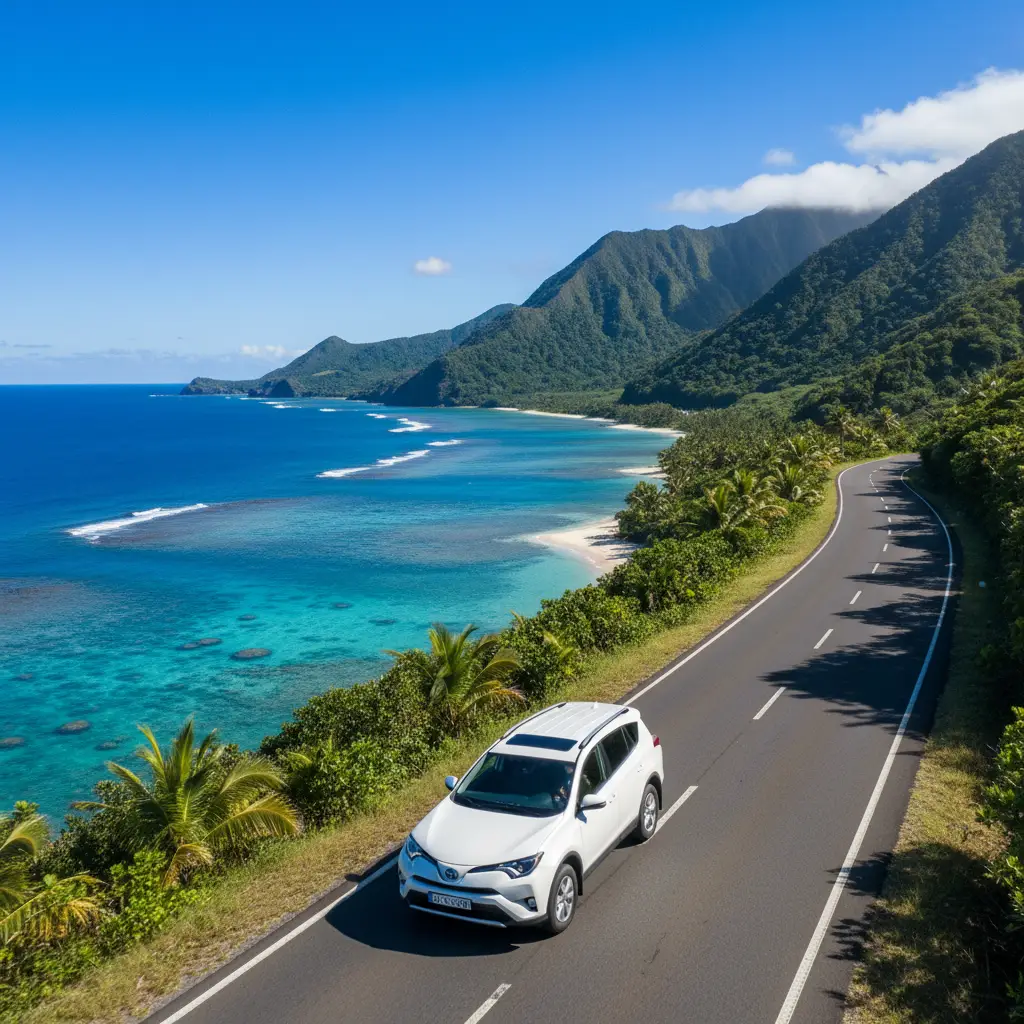
The heavy tropical rains of the preceding months can sometimes lead to flash flooding or washouts on secondary roads. By mid-April, road maintenance crews have typically repaired any seasonal damage, and the frequency of heavy downpours decreases drastically. This ensures that the spectacular cross-island roads, such as the Koné-Tiwaka Highway, are safe and offer maximum visibility. This route, which cuts through the central mountain chain, offers panoramic views that are best appreciated when not obscured by low-hanging monsoon clouds.
Additionally, daylight hours are still sufficient to cover significant ground. Unlike June or July, where sunset comes early (around 5:15 PM), April allows for exploration until nearly 6:00 PM, giving you extra time to reach your gite or hotel before navigating unfamiliar winding roads in the dark.
Traffic and Congestion
While Noumea has traffic, the “Bush” (brousse) is generally quiet. However, during local school holidays, domestic tourism spikes. Traveling in the shoulder season often allows you to avoid the local peak periods, meaning you won’t be stuck behind slow-moving trucks or competing for parking at popular lookouts like the Roche Percée in Bourail.
How to find the best accommodation deals in April and May?
Financial value is the cornerstone of shoulder season travel. New Caledonia has a reputation for being a premium destination, with costs comparable to or exceeding parts of Europe. However, April and May represent a lull in demand that savvy Kiwi travelers can exploit.
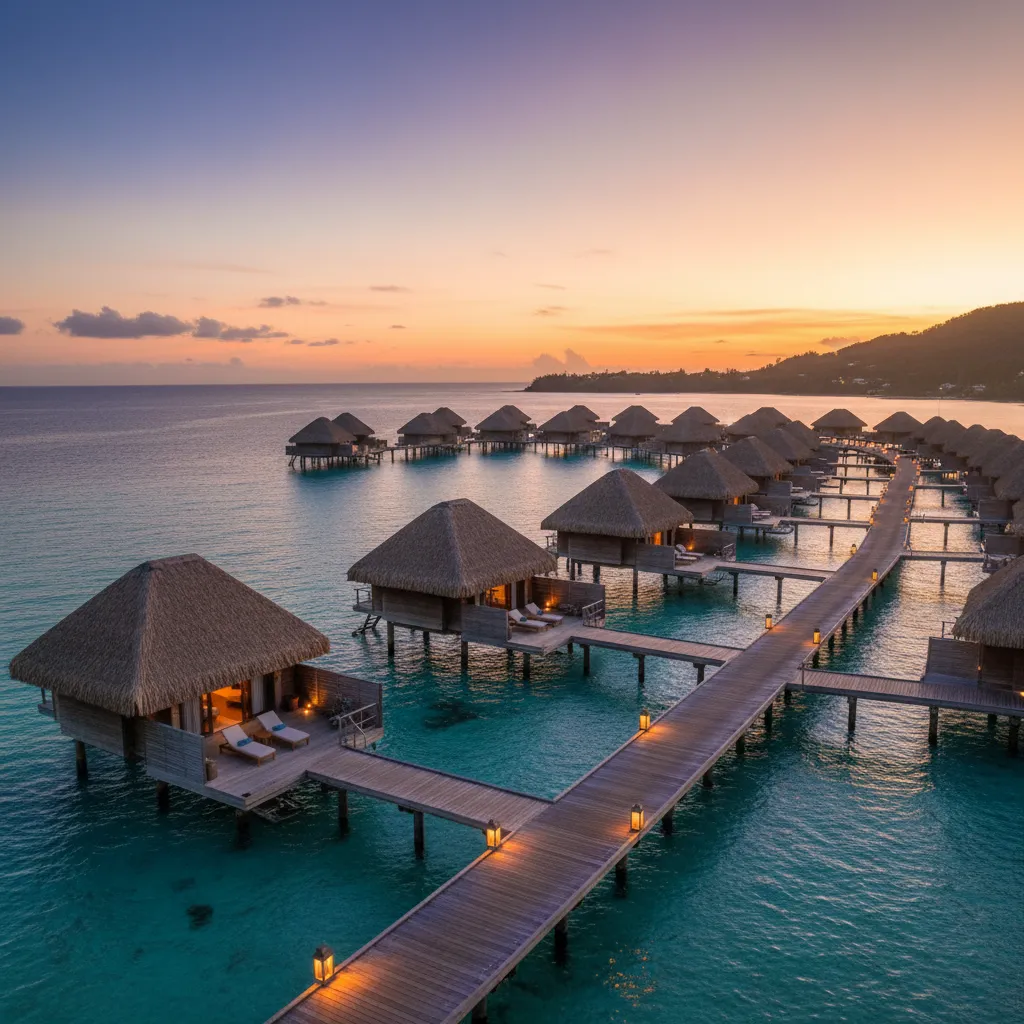
Hotels and resorts, particularly the high-end establishments in Noumea and the Isle of Pines, often shift from “High Season” to “Shoulder” or “Low Season” pricing structures post-Easter. You can expect to see rates drop by 15% to 30% compared to the December-January peak.
Specific Deal Types to Look For
During this period, look for “Stay 4, Pay 3” offers which become increasingly common as occupancy rates dip. Many resorts also offer complimentary buffet breakfasts or resort credits to entice travelers during these months. For the budget-conscious, the network of “Gites” (homestays or small lodges) offers excellent value. In April and May, you are more likely to secure a bungalow without a reservation months in advance, although booking ahead is still recommended for peace of mind.
It is worth noting that if Easter falls in April, there will be a brief spike in prices and a drop in availability. The smartest strategy is to check the calendar for Easter dates and book your travel for the weeks immediately following the holiday weekend.
Are Ouvea and Isle of Pines accessible in shoulder season?
The Loyalty Islands (Ouvea, Lifou, Mare) and the Isle of Pines are the jewels of New Caledonia. In peak season, flights on Air Calédonie and tickets for the Betico ferry can sell out weeks in advance. April and May offer a distinct advantage regarding availability.
Flight Availability: You have a much higher probability of securing your preferred flight times to Ouvea or Isle of Pines in May. This is crucial for Kiwis on a tight schedule who cannot afford to lose a day waiting for a standby seat. The baggage allowance on these inter-island flights is strict, but the reliable weather means you can pack lighter.
The Betico Ferry: For those prone to seasickness, the ocean swell in April and May is generally calmer than the rougher winter months or the unpredictable cyclone season. This makes the ferry journey to the Isle of Pines (roughly 2.5 hours) a more viable and enjoyable option. Furthermore, fewer crowds mean you can move around the vessel freely to take photos of the approach to Kuto Bay.
What are the mosquito levels and precautions in autumn?
New Caledonia is a tropical destination, and mosquitoes are a year-round reality. However, the risk profile changes as the seasons shift. The hot, wet summer months are the peak breeding times for mosquitoes, and consequently, the highest risk period for Dengue fever, which occasionally flares up in the Pacific.
By traveling in April and especially May, you are entering a period where mosquito activity begins to decline as the nightly temperatures drop. While the risk is lower than in February, it is not zero. The Aedes aegypti mosquito, which carries Dengue, is active during the day.
Recommended Precautions for Kiwis
Even in the shoulder season, standard tropical precautions apply. Use a repellent containing DEET or Picaridin, particularly around ankles and lower legs. In April, the evenings are mild enough that you can comfortably wear long linen trousers and long-sleeved shirts, which provides the best barrier against bites. Most hotels and gites are equipped with screens or mosquito nets, but packing a plug-in repellent device for your room is a wise, low-cost addition to your luggage.
Frequently Asked Questions
Is it cold in New Caledonia in May?
No, it is not cold. May is comparable to a warm New Zealand summer day. Daily highs average 24-25°C. You may want a light cardigan or hoodie for the evenings, especially if you are near the coast or in the mountains, but it is definitely beach weather.
Can you swim in New Caledonia in April?
Absolutely. The water temperature remains around 25°C (77°F), which is perfect for swimming and snorkeling. It is significantly warmer than New Zealand ocean temperatures.
Is April a rainy month in New Caledonia?
April is a transition month. While you may experience occasional showers, the heavy, persistent rains of the wet season (January-March) have usually passed. Rain tends to be short and sharp, often clearing quickly.
Do New Zealanders need a visa for New Caledonia?
No. New Zealand passport holders do not require a visa for short tourist stays (up to 3 months) in New Caledonia. Ensure your passport has at least 3 months of validity past your departure date.
Is the Betico ferry reliable in shoulder season?
Yes, the Betico is generally very reliable. In shoulder season, the risk of cancellation due to cyclones is minimal compared to summer. However, always check the schedule as it can change based on maintenance or sea conditions.
Are shops open on Sundays in New Caledonia?
Generally, no. New Caledonia follows French custom where most shops and supermarkets close on Sunday afternoons, and many are closed all day. In April/May, this doesn’t change, so plan your food supplies for road trips accordingly.