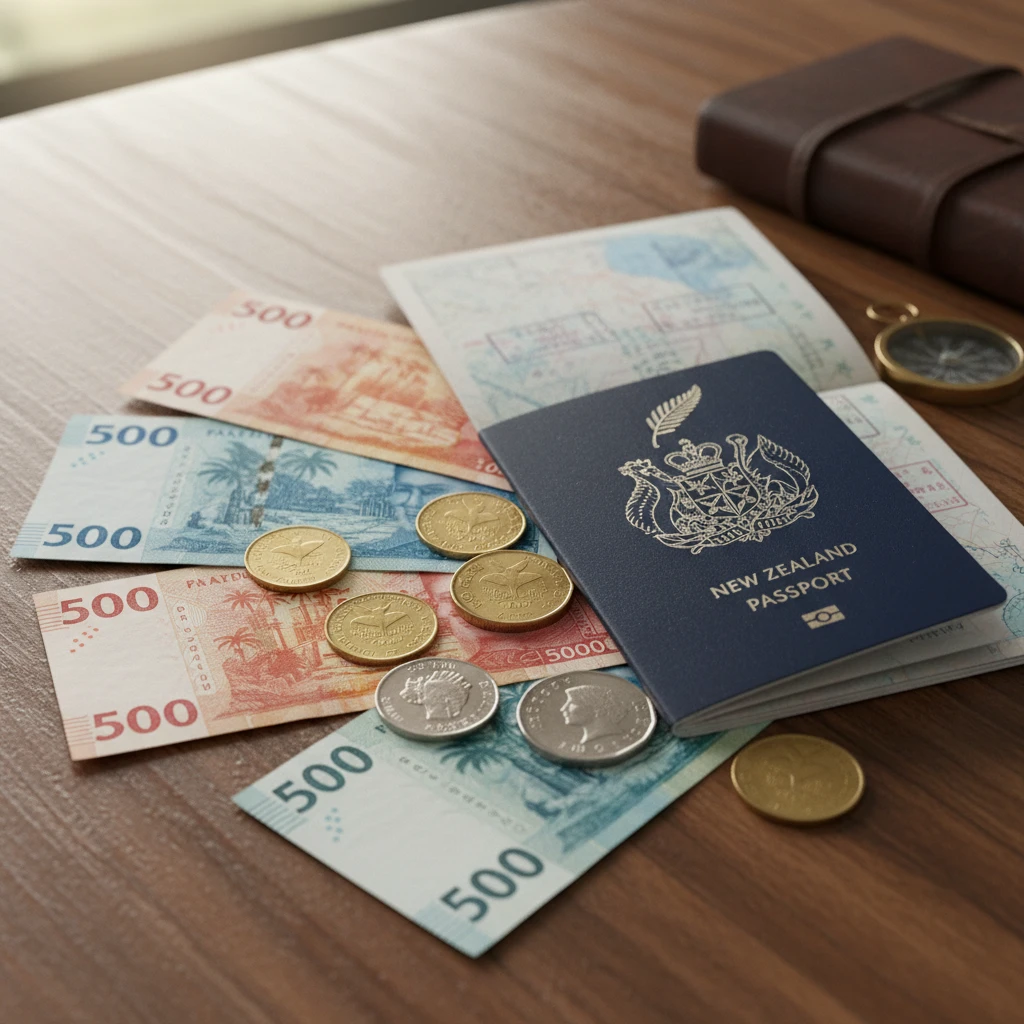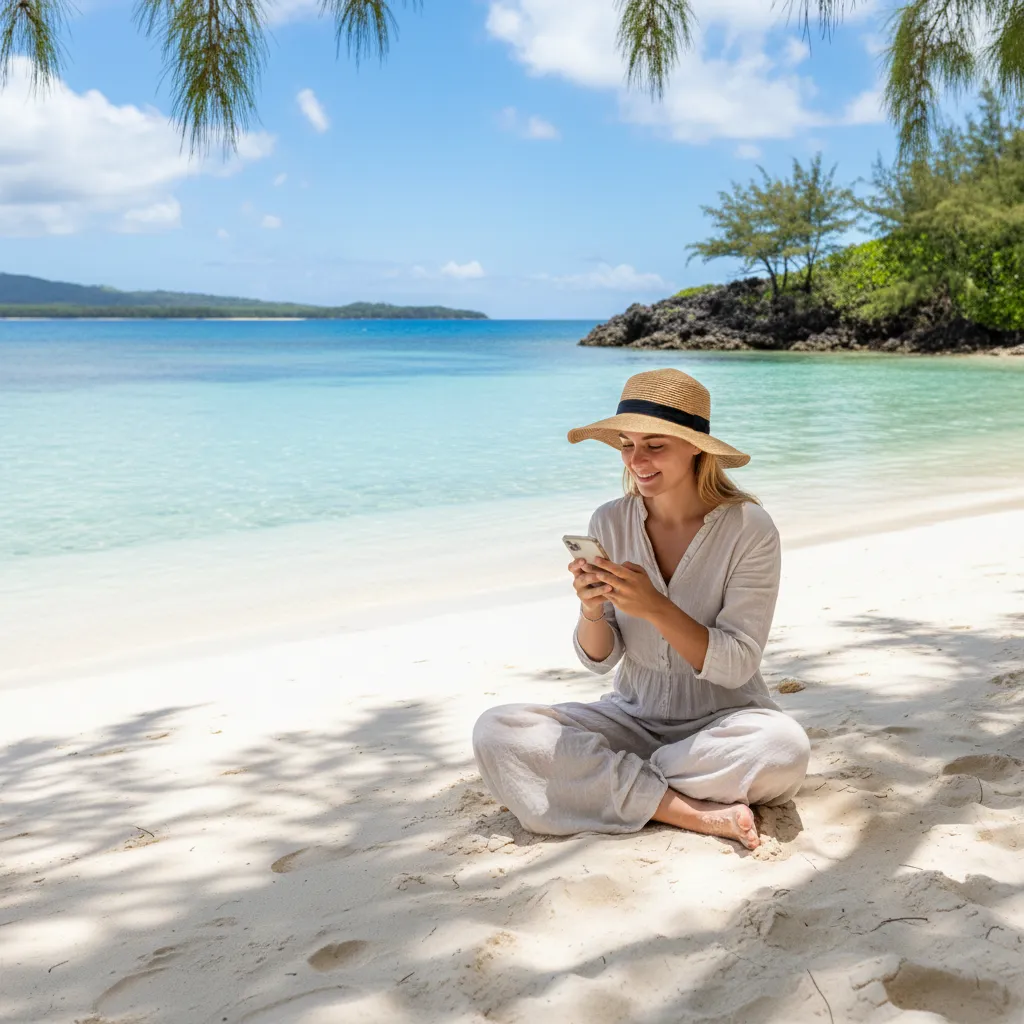
New Caledonia weather in July offers cooler, drier days (20-23°C) ideal for hiking and active exploration, serving as a mild escape from New Zealand’s winter. In contrast, December brings high heat (26-30°C), intense humidity, and frequent tropical showers, marking the start of the cyclone season but offering significantly warmer waters for swimming.
July in New Caledonia: The Kiwi Winter Escape
For New Zealanders looking to escape the biting frost of a Christchurch morning or the relentless drizzle of an Auckland July, New Caledonia presents a paradoxical “winter.” While technically the coolest month of the year in the territory, the weather in July is often comparable to a pleasant Northland spring day.
July falls squarely in the middle of the dry season (la saison fraîche). This is widely considered the most reliable time for travelers who prioritize outdoor activities over sedentary beach lounging. The trade winds (les Alizés) are consistent, keeping the air fresh and blowing away most cloud cover.

Temperature and Atmosphere
Expect daily highs averaging between 20°C and 23°C (68°F – 73°F). While this might not sound like tropical heat to a tourist from the equator, for a Kiwi coming from 10°C, it feels balmy. The nights, however, can drop to around 15°C, necessitating a light jumper or windbreaker.
Best Activities for July
Because the humidity is at its lowest annual point, July is the premier month for active pursuits that would be unbearable in the summer heat:
- Hiking the Great South: The Blue River Park (Parc de la Rivière Bleue) is spectacular in July. You can trek for hours without suffering from heat exhaustion.
- Cycling: Mountain biking around the trails of Deva Domain is popular during this cooler period.
- Noumea Exploration: Walking the streets of the capital, visiting the morning markets, and climbing the hill to Ouen Toro is pleasant without the sweat of December.
December in New Caledonia: Heat, Humidity, and Holidays
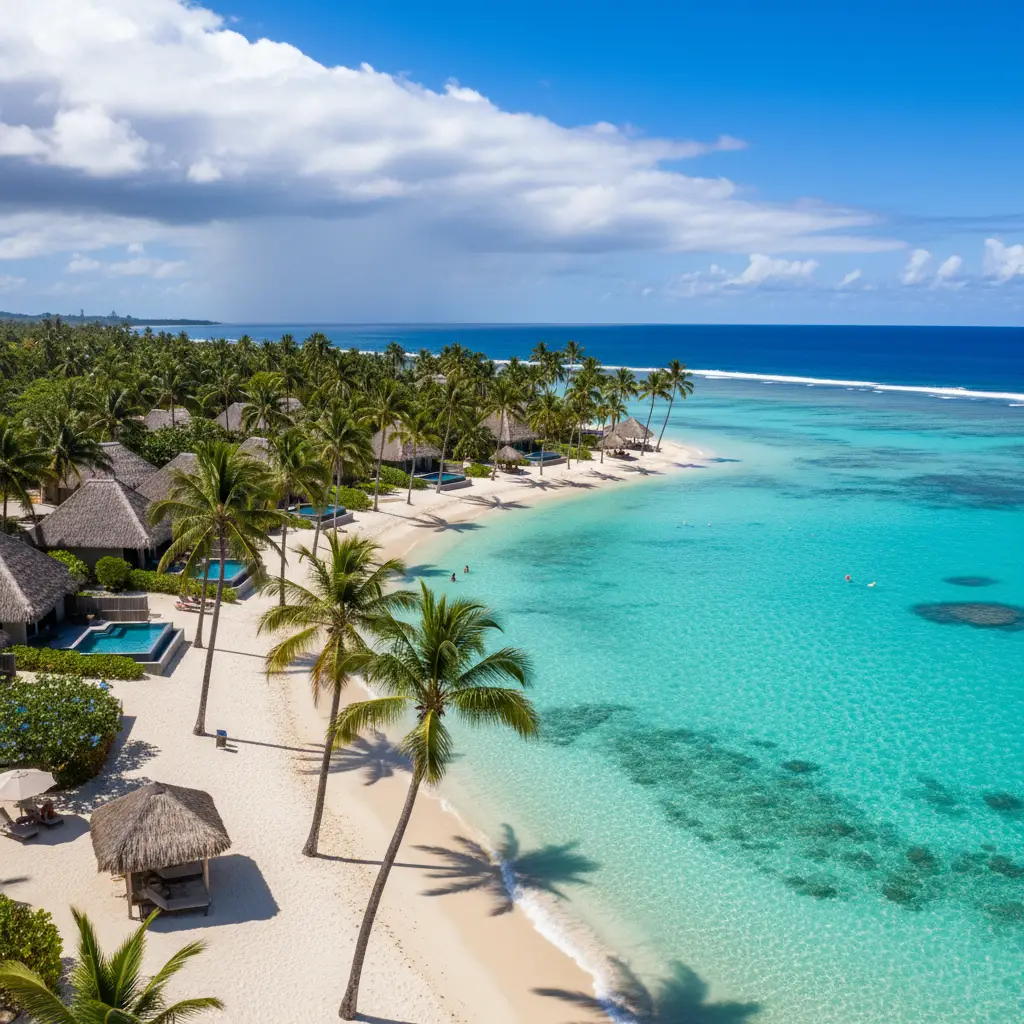
December signals a dramatic shift in the atmospheric mood. We enter the hot season (la saison chaude), characterized by intense sun, heavy tropical downpours, and a palpable thickness in the air. For many Kiwis, this aligns with the Christmas school holidays, making it a popular time to travel despite the climatic challenges.
The Reality of the Wet Season
December is the gateway to the cyclone season. While a direct hit is statistically rare for any given week, the risk exists. Travelers must be aware that weather patterns are more volatile. You might experience glorious sunshine in the morning, followed by a torrential tropical deluge in the afternoon.
Temperature and Humidity
Temperatures regularly climb to 28°C – 32°C (82°F – 90°F), but the “feels like” temperature is often much higher due to humidity levels often exceeding 75%. Air conditioning becomes non-negotiable for accommodation.
Managing the Mosquitoes
With the heat and rain comes an increase in insect activity. December travelers must be vigilant with repellent, particularly at dusk. Unlike July, where mosquitoes are fewer, December requires proactive protection, especially when venturing into the bush or near mangroves.
Head-to-Head: July vs. December Weather Data
To help you make an informed decision based on your travel style, here is a direct comparison of the meteorological conditions.
Rainfall Comparison
July: This is one of the driest months. Rain, if it occurs, is usually a passing light shower. You can confidently plan outdoor excursions days in advance.
December: Rainfall increases significantly. However, tropical rain is often short and sharp. It is rare to have days of grey drizzle (like a Wellington winter); rather, you get explosive storms followed by steam and sun.
Wind Conditions
The trade winds are generally more consistent in July/August. In December, periods of calm can occur, which actually makes the heat feel more intense as there is no breeze to cool you down. However, when low-pressure systems move through in December, winds can become strong and unpredictable.
Swimming Conditions: Wetsuit or Boardshorts?
For many New Zealanders, the primary goal of a Pacific Island holiday is the ocean. This is where the “New Caledonia weather July vs December” debate becomes a matter of personal tolerance.
July: Refreshing and Crisp
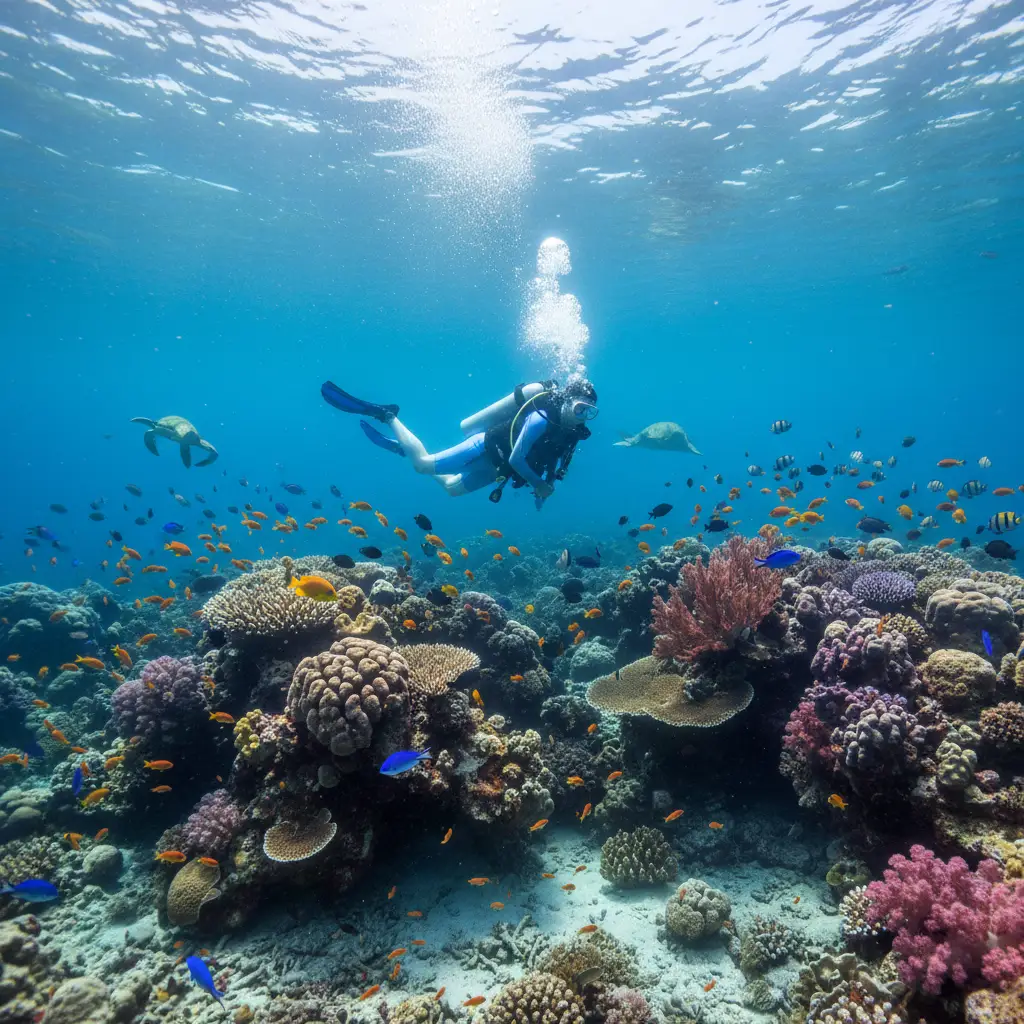
The lagoon temperature in July drops to approximately 21°C – 22°C. For a dedicated swimmer or someone used to swimming in calm NZ waters, this is manageable. However, for prolonged snorkeling sessions or diving, it can feel chilly after 20 minutes.
Recommendation: If you plan to snorkel the reef in July, bring a 2mm spring suit or a rash top. It makes a significant difference to your comfort and allows you to stay in the water longer to observe the marine life.
December: The Bathwater Experience
By December, the lagoon has warmed up considerably, reaching 26°C – 27°C. This is classic tropical swimming weather. You can linger in the water for hours without a wetsuit. The warmer water also tends to attract different marine life, although visibility can sometimes be slightly lower in December compared to July due to runoff from heavy rains and plankton blooms.
The Strategic Alternative: September to November
If you are not bound by school holidays, the smartest time to visit New Caledonia is arguably the shoulder season, specifically mid-September to mid-November. This period offers the “Goldilocks” scenario.
Why Kiwis Love the Shoulder Season
During these months, the temperatures begin to rise (hitting the mid-20s), but the heavy rains of the cyclone season have not yet arrived. The trade winds are reliable, making it world-class for kitesurfing and sailing.
Furthermore, pricing for flights from Auckland often dips during this window before the Christmas rush spikes prices again. You get the warmth required for swimming without the oppressive humidity of February.
Strategic Packing for the Season
Your luggage content should differ drastically depending on which month you choose.
Packing for July (Dry/Cool)
- Layers: A light merino wool jumper or a denim jacket is essential for evenings.
- Footwear: Hiking boots or sturdy trainers. You will likely walk more.
- Swimwear: Togs, plus a rash guard or neoprene top.
- Sun Protection: The sun is still strong despite the cool air.
Packing for December (Wet/Hot)
- Fabrics: Breathable cottons and linens only. Synthetics will be uncomfortable.
- Rain Gear: A lightweight, breathable poncho. Heavy raincoats will make you sweat too much.
- Insect Repellent: High-strength tropical formula.
- Hydration: An insulated water bottle to keep water cold in the heat.
Frequently Asked Questions
Is July too cold to swim in New Caledonia?
Not for most New Zealanders. The water is around 21-22°C, which is comparable to Northern NZ waters in summer. However, for long snorkeling trips, a thin wetsuit or rash top is highly recommended to prevent chill.
Does it rain a lot in December in New Caledonia?
Yes, December is the start of the wet season. While it doesn’t usually rain all day, you can expect heavy, short tropical downpours, often in the late afternoon or overnight. Humidity is significantly higher than in July.
When is the best time to visit New Caledonia for good value?
The shoulder seasons (May-June and September-November) offer the best value. You avoid the peak Christmas pricing and the European summer holiday crowds (July/August), while enjoying excellent weather.
Is there a risk of cyclones in December?
Yes, the cyclone season officially runs from mid-November to April, with the highest risk usually in February and March. However, a cyclone can occur in December. Travel insurance covering weather disruptions is essential.
What is the flight time from New Zealand to New Caledonia?
It is a very short flight. From Auckland to Noumea (La Tontouta International Airport), the flight time is approximately 2.5 to 3 hours, making it one of the most accessible tropical destinations for Kiwis.
Which month is better for hiking: July or December?
July is far superior for hiking. The cooler temperatures (20-23°C) and lower humidity make tackling the trails of the GR1 or the Blue River Park enjoyable. December heat can make strenuous hiking dangerous due to dehydration risks.