
The NZ biosecurity arrival process is a mandatory screening procedure for all travelers entering New Zealand to prevent the introduction of harmful pests and diseases. It involves completing a legal declaration, undergoing baggage inspections via X-ray or detector dogs, and potentially having high-risk items like footwear or camping gear cleaned or confiscated by biosecurity officers.
What is the New Zealand Traveller Declaration (NZTD)?
The first and most critical step in the NZ biosecurity arrival process is the legal declaration of all risk items. Historically, this was done via a physical paper card handed out on the aircraft. However, New Zealand has transitioned to the New Zealand Traveller Declaration (NZTD), a digital system that travelers can complete online or via a mobile app before they even land. This declaration is a legal document; providing false or misleading information can result in immediate legal consequences.

How to complete the digital declaration
Travelers arriving from New Caledonia are encouraged to complete their NZTD up to 24 hours before starting their journey. You will need to provide details about your flight, your contact information in New Zealand, and most importantly, answer a series of questions about what is in your luggage. These questions cover food, plant material, animal products, and equipment used in outdoor environments. If you are unable to complete the digital version, paper forms are still available at the arrival gates, but using the digital system significantly streamlines your movement through the terminal.
The importance of honesty in the NZ biosecurity arrival process
The NZ biosecurity arrival process relies heavily on the honesty of the traveler. New Zealand is an island nation with a unique and fragile ecosystem that is highly susceptible to foreign pests and diseases. Items that may seem harmless in Nouméa, such as a piece of fruit or a wooden souvenir, could carry insects or fungi that would devastate New Zealand’s multi-billion dollar agricultural and forestry industries. When in doubt, the golden rule of New Zealand travel is: Declare it, or dispose of it.
How do X-ray and detector dog inspections work?
Once you have cleared passport control and collected your checked luggage, you will enter the biosecurity screening area. Here, Ministry for Primary Industries (MPI) officers will review your declaration. Depending on your answers and your point of origin, you will be directed to different lanes. The NZ biosecurity arrival process utilizes high-tech X-ray machines and highly trained detector dogs to identify undeclared risk items.
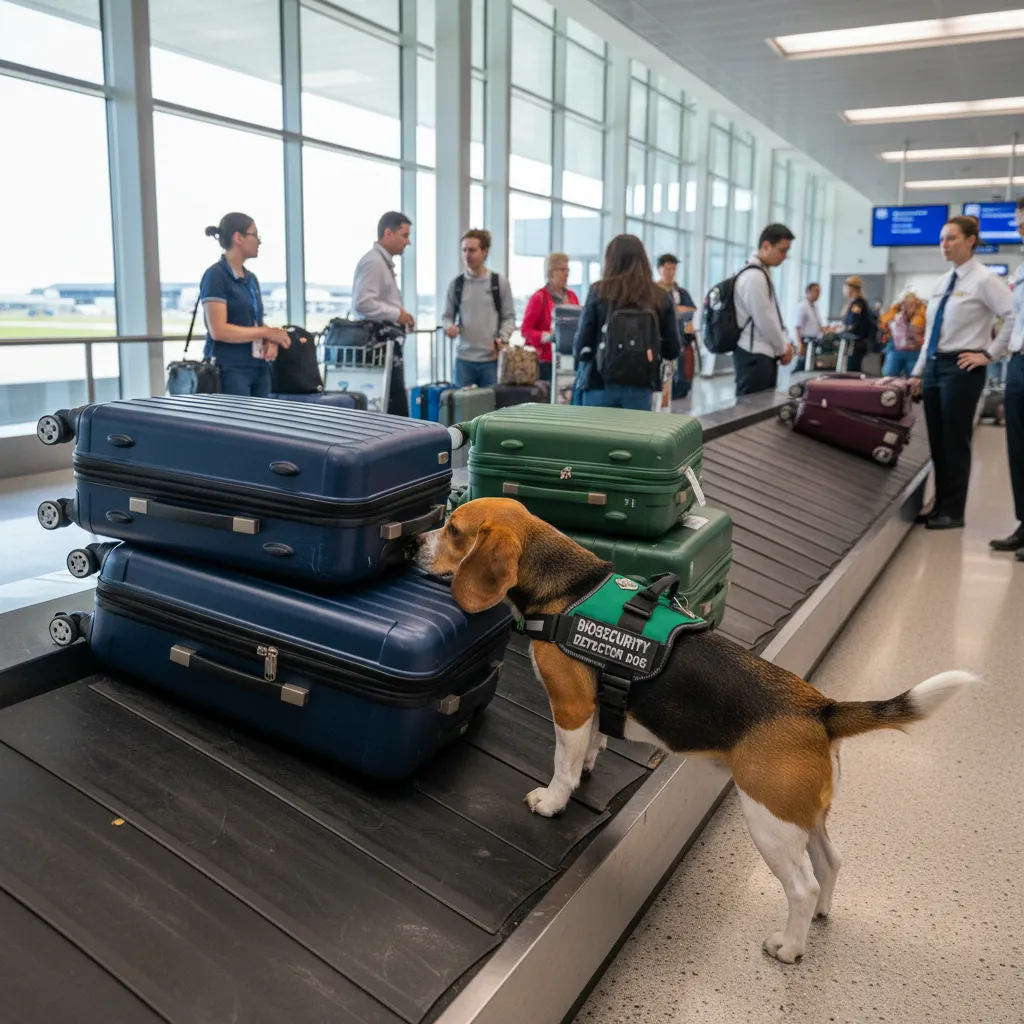
The role of detector dogs
MPI detector dogs are a common sight at Auckland, Wellington, and Christchurch airports. These dogs are specifically trained to sniff out organic matter, including meat, fruit, seeds, and even certain types of insects. Unlike security dogs trained for explosives or narcotics, biosecurity dogs are often friendly breeds like Beagles, chosen for their keen sense of smell and non-threatening presence. If a dog sits next to your bag, it has detected a scent that requires further investigation by an officer.
X-ray screening technology
Every piece of luggage entering New Zealand is subject to X-ray screening. These machines are not just looking for traditional contraband; they are operated by specialists trained to recognize the organic signatures of plants, fruits, and animal products. Even if you have forgotten about a small apple at the bottom of your backpack, the X-ray is likely to find it. This layer of the NZ biosecurity arrival process is non-negotiable and applies to both carry-on and checked baggage.
Why must you clean dirty footwear and equipment?
For travelers returning from New Caledonia, soil contamination is a major concern. New Caledonia is famous for its striking red soil, which is rich in minerals but also potentially laden with microscopic pathogens, seeds, and invasive ants. The NZ biosecurity arrival process requires all outdoor equipment—including hiking boots, tents, golf clubs, and bicycles—to be free of soil and organic debris.
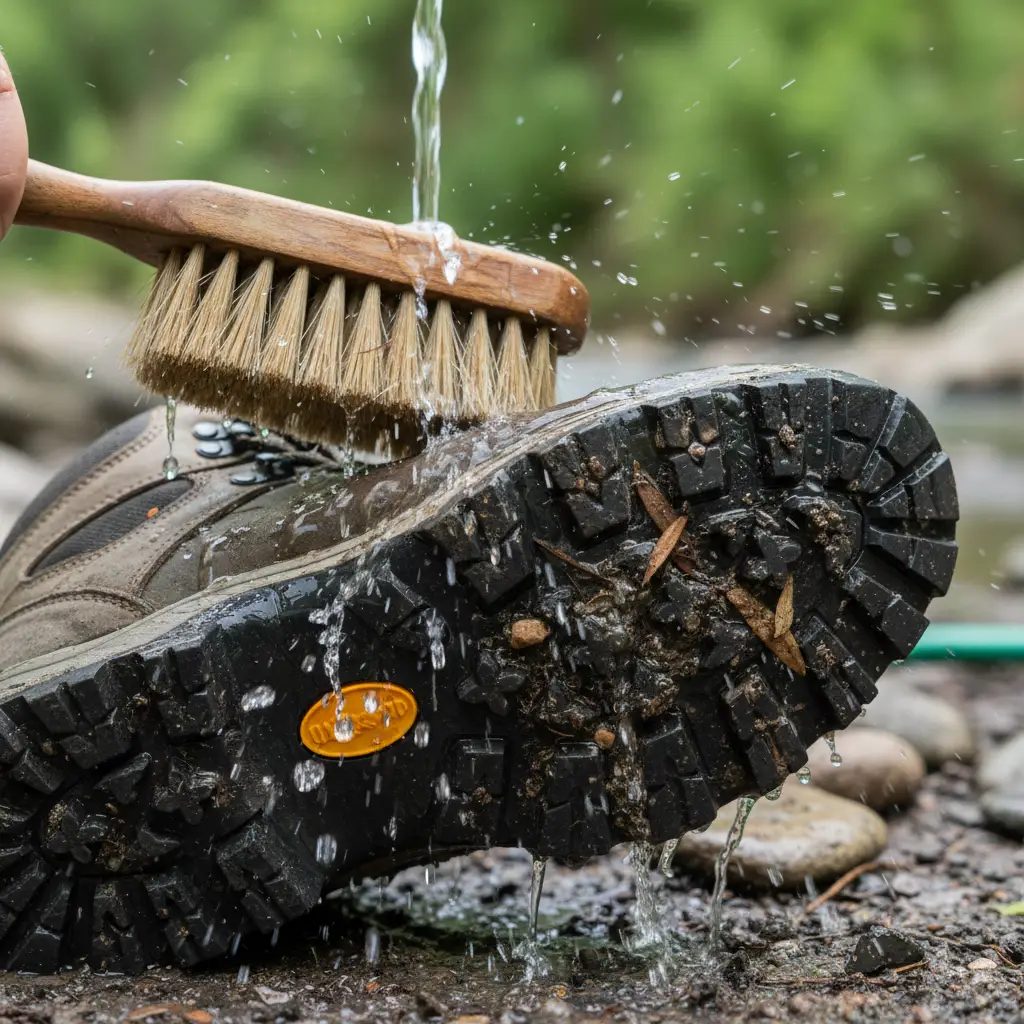
The risk of soil-borne diseases
Soil can carry diseases such as Foot and Mouth Disease (FMD) or various fungal blights that could infect New Zealand’s livestock and native forests. If you have been hiking in the Blue River Provincial Park or exploring the rural landscapes of the Grande Terre, your footwear is considered high-risk. Biosecurity officers will inspect the soles of your shoes. If they find dirt, they will take the items for professional cleaning. This can cause significant delays to your journey, so it is always better to clean your gear thoroughly before you leave New Caledonia.
Cleaning your gear in Nouméa
To ensure a smooth transition through the NZ biosecurity arrival process, use a stiff brush and soapy water to remove every trace of dirt from your boots and equipment before packing. Pay special attention to the treads of your shoes and the pegs of your tent. If your gear is exceptionally dirty and cannot be cleaned to the officer’s satisfaction, it may be destroyed or required to be shipped back at your expense. Being proactive saves time and protects New Zealand’s environment.
How to speed up the NZ biosecurity arrival process?
Navigating the airport after a flight can be exhausting, and most travelers want to get through the NZ biosecurity arrival process as quickly as possible. Efficiency at the border is a combination of preparation and organization. By following a few simple steps, you can reduce your time in the screening lanes significantly.
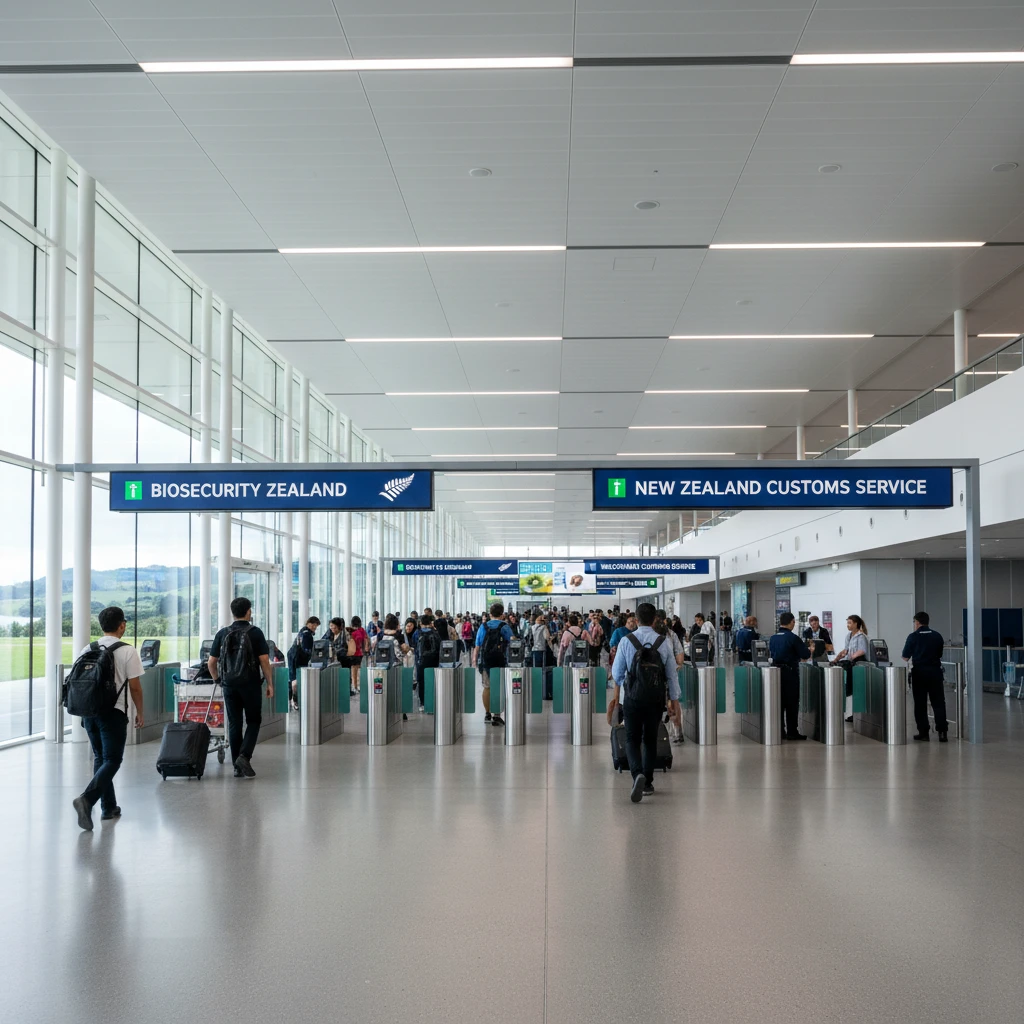
Organize your luggage for inspection
If you are declaring items—such as souvenirs, packaged food, or used outdoor gear—place them together in an easily accessible part of your suitcase. When an officer asks to see your declared items, you won’t have to dig through your entire bag, which speeds up the process for you and the people behind you. Keep your receipts for any wooden items or processed foods, as this helps officers determine the level of risk quickly.
Use the Amnesty Bins
If you realize while standing in the queue that you accidentally brought a piece of fruit or an open packet of seeds from New Caledonia, use the amnesty bins located throughout the arrival hall. Disposing of items in these bins means you will not face any fines or penalties, even if you haven’t declared them on your form yet. Once you pass the amnesty bins and present your declaration to an officer, you are legally committed to your answers.
Specific prohibited items from New Caledonia
New Caledonia offers many beautiful products, but not all of them are allowed into New Zealand. Understanding what is prohibited is a key part of the NZ biosecurity arrival process. Common items that are often confiscated include fresh tropical fruits (like mangoes or lychees), untreated wooden carvings that may harbor wood-boring insects, and certain types of shells or coral that are protected under CITES (Convention on International Trade in Endangered Species).
Meat products are strictly controlled. Even canned meats or dried snacks from New Caledonia may be prohibited if they do not meet specific heat-treatment standards. If you are buying souvenirs in Nouméa, look for items made from treated wood or manufactured goods that are clearly labeled. Avoid bringing back any “natural” souvenirs found on beaches or in the bush, as these are the highest risk items for biosecurity officers.
Understanding the penalties for non-compliance
The NZ biosecurity arrival process is backed by strict legislation. The Biosecurity Act 1993 allows officers to issue an immediate $400 NZD infringement fine for failing to declare risk items. This is not a discretionary fine; if you have a prohibited item and marked “No” on your declaration, you will likely be fined, regardless of whether it was an honest mistake.
For more serious breaches, such as deliberately smuggling high-risk items or commercial quantities of prohibited goods, travelers can face fines up to $100,000 NZD and up to five years in prison. Furthermore, non-citizens who commit serious biosecurity offenses may have their visas cancelled and be deported. The cost of a $400 fine far outweighs the price of any snack or souvenir, so always err on the side of caution and declare everything.
Final tips for returning travelers
As you prepare for your return flight from New Caledonia, take ten minutes to audit your bags. Check your pockets for stray seeds, ensure your hiking boots are spotless, and finish any fresh food before you board. By respecting the NZ biosecurity arrival process, you are playing a vital role in protecting the natural beauty and economic stability of New Zealand for future generations.
What happens if I forget to declare an item?
If you realize you forgot to declare an item, dispose of it in an amnesty bin immediately upon arrival. If you have already handed over your declaration and an officer finds an undeclared risk item, you will likely receive an instant $400 fine.
Can I bring honey back from New Caledonia?
No, honey and other bee products are strictly prohibited from being brought into New Zealand by travelers because they can carry diseases like American Foulbrood, which could devastate the local bee population.
Do I need to clean my tent before returning to NZ?
Yes, any camping equipment must be thoroughly cleaned. Ensure there is no soil, grass, or insects attached to the tent, poles, or pegs. Dirty camping gear will be detained for cleaning at your expense.
How long does the NZ biosecurity arrival process take?
The process can take anywhere from 15 minutes to over an hour, depending on flight volumes and whether you have items to declare. Using the digital NZTD form usually speeds up the process.
Are there digital declaration options?
Yes, the New Zealand Traveller Declaration (NZTD) can be completed online or via the mobile app before you arrive, replacing the need for the traditional paper arrival card.
What foods are strictly prohibited?
Strictly prohibited foods include fresh fruit and vegetables, most meat products (fresh, dried, or frozen), honey, and any unlabelled or home-cooked meals.