Reliability & On-Time Performance: Navigating Flights from Auckland (AKL) to Noumea (NOU)
Achieving reliable and on-time performance for flights between Auckland (AKL) and Noumea (NOU) requires understanding historical data, specific carrier policies, and the impact of regional weather patterns, as direct routes often face unique scheduling challenges.
Table of Contents
Historical On-Time Performance Data for AKL to NOU
When planning travel between Auckland, New Zealand (AKL), and Noumea, New Caledonia (NOU), understanding the historical on-time performance (OTP) of the operating carriers is crucial for setting realistic expectations. This route, often served by specific carriers like Air New Zealand or Aircalin, is subject to operational nuances that can affect punctuality.
What is the typical on-time performance benchmark for this route?
While official, universally published OTP statistics for specific city-pair routes are often proprietary, general industry data suggests that regional Pacific flights can experience slightly lower OTP scores compared to major international trunk routes. A target of 75-80% on-time arrival (within 15 minutes of schedule) is generally considered acceptable for this corridor, though significant variations exist based on the season and the specific airline.
How do flight cancellations affect the overall reliability metric?
Flight cancellations are the most severe disruption to reliability. For the AKL-NOU route, cancellations are disproportionately driven by two factors: technical issues with smaller, specialized aircraft sometimes used for this route, and, most significantly, adverse weather conditions. A single cancellation can severely impact passenger flow for several days, as the frequency of direct flights is often limited (sometimes only a few times per week), leading to longer recovery times.

What are the primary reasons for delays specific to flights from Auckland to Noumea?
Delays on this route typically stem from:
- Crew Rest Requirements: International flight regulations mean that delays can compound quickly if crew duty times are exceeded, forcing rescheduling.
- Ground Handling Efficiency: As Noumea is a smaller hub than Auckland, slower turnaround times for baggage loading, fueling, and customs clearance can introduce delays, especially if the inbound flight was already late.
- Air Traffic Control (ATC) Slotting: While less common than weather, coordination with ATC in both New Zealand and New Caledonia can sometimes impose departure or arrival slots.
Handling of Weather Disruptions in the South Pacific
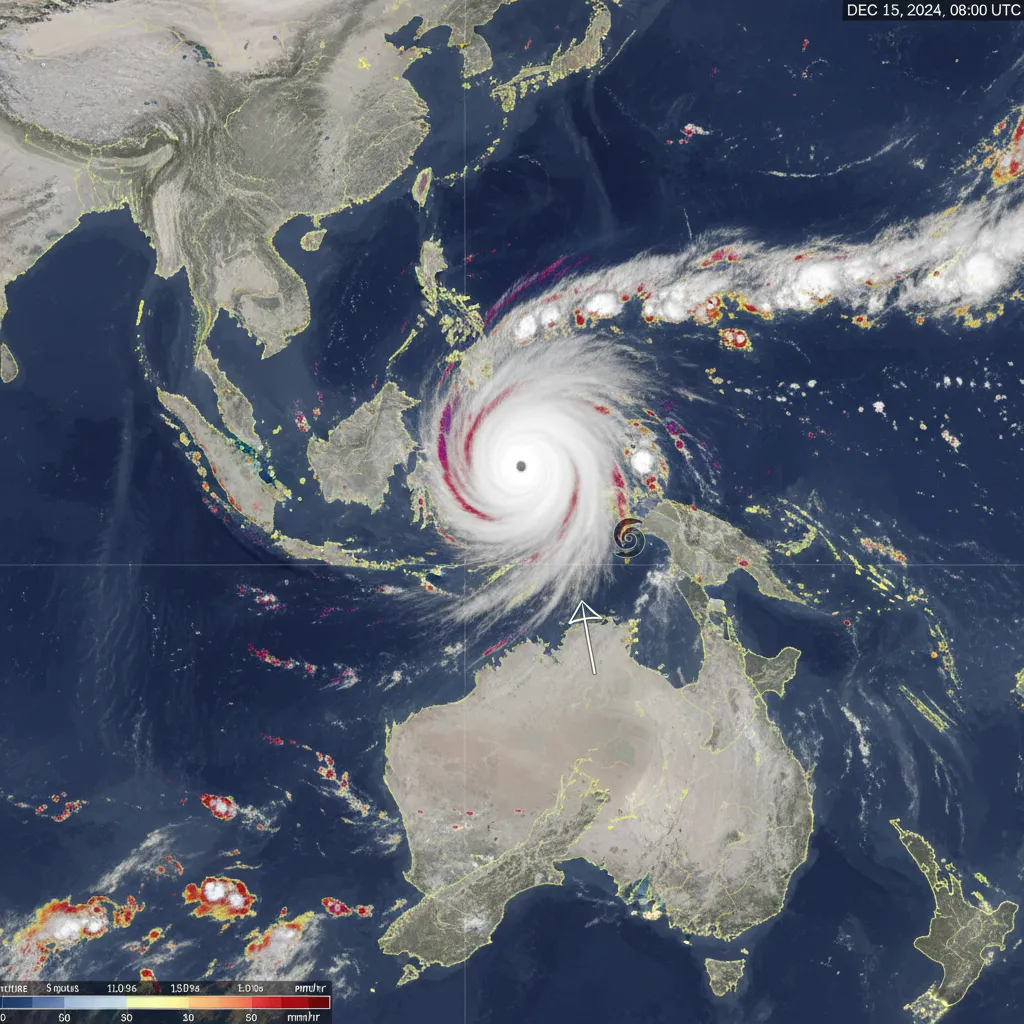
The South Pacific region is susceptible to tropical weather systems, which are the single largest operational threat to the reliability of flights between Auckland and Noumea. Effective management of these events dictates overall passenger experience.
How do carriers manage severe weather events like cyclones or heavy rain?
Airlines operating this route must adhere to strict safety protocols. When a tropical depression or cyclone is forecast to impact either Auckland or Noumea within the operational window, proactive measures are taken:
- Pre-emptive Cancellations: If forecasts predict conditions below minimum operating visibility or crosswind limits at NOU, flights are often cancelled 24-48 hours in advance to ensure passenger and crew safety.
- Diversion Planning: In cases of sudden, severe weather at NOU, the flight might divert to an alternate airport, such as Brisbane, Sydney, or even back to Auckland, although this is costly and less common for short-haul international routes.
- Slot Prioritization: Once the weather clears, airlines work with ATC to prioritize rebooking the cancelled flights, often resulting in a backlog of passengers.
What specific weather phenomena cause the most frequent flight cancellations?
The primary culprit is high winds and turbulence associated with the South Pacific Convergence Zone (SPCZ) or developing tropical cyclones, particularly during the Austral summer (November to April). Low visibility due to heavy, persistent rain can also trigger delays or cancellations if the airport’s Instrument Landing System (ILS) category is insufficient for the conditions.
Understanding Compensation Policies for Delays and Cancellations
Passenger rights regarding compensation for delays or cancellations on international routes are complex, often governed by a mix of New Zealand law, New Caledonian regulations, and the operating airline’s Conditions of Carriage.
Are passengers entitled to compensation under New Zealand Consumer Law for delays?
New Zealand’s general consumer protection laws apply to flights departing from Auckland. If a flight is significantly delayed or cancelled due to an issue within the airline’s control (e.g., mechanical failure, crew sickness), passengers may be entitled to remedies under the Fair Trading Act, including refunds or rebooking. However, compensation for the *inconvenience* itself (beyond essential care) is less straightforward than under EU regulations (EC 261).
What are the essential care obligations during delays or cancellations?
Regardless of fault, airlines must provide ‘essential care’ if a disruption occurs. For long delays (typically over 3-4 hours), this includes:
- Meal and refreshment vouchers commensurate with the delay length.
- Long Stay & Airbnb Guide and transport if the delay requires an overnight stay away from the passenger’s origin or destination.
- Communication access (phone calls/emails).
When are flight cancellations considered ‘extraordinary circumstances’ exempting compensation?
This is the most critical distinction. If the flight cancellation or delay is due to ‘extraordinary circumstances’—events outside the airline’s reasonable control—the airline is generally not liable for direct financial compensation beyond essential care. For the AKL-NOU route, this category almost always includes:
- Severe, unforecastable weather events (e.g., cyclones).
- Air Traffic Control restrictions or airport closures.
- Political instability or security risks in the destination region.
Mechanical failures or staffing issues are typically not considered extraordinary circumstances.

Frequency of Schedule Changes on the Auckland-Noumea Route
Schedule changes, which involve altering departure or arrival times outside of a minor variance, can be just as disruptive as cancellations, especially for Regional NZ Connections: Nelson, Dunedin, Napier.
How often do airlines adjust published flight times for AKL to NOU?
Schedule adjustments tend to occur seasonally or when an airline reconfigures its entire Pacific network. Minor adjustments (30-60 minutes) might happen quarterly, often announced months in advance. However, significant changes (more than 2 hours) are less frequent unless driven by major carrier mergers, aircraft retirement, or a persistent operational issue that requires a permanent timetable modification.
What is the threshold for a schedule change that allows me to rebook without penalty?
Most international airlines define a threshold for involuntary schedule changes that permit the passenger to cancel and receive a full refund, or accept an alternative flight without penalty. This threshold is often set by the airline’s Conditions of Carriage, frequently cited as a change exceeding 90 minutes to 3 hours, depending on the carrier’s policy standard. Always check the specific airline’s terms when you book.
What is the impact of low passenger load factors on schedule integrity?
For niche international routes like AKL-NOU, load factors can fluctuate significantly. If passenger bookings are consistently low during an off-peak season, airlines may consolidate flights (e.g., changing from three flights per week to two) to improve profitability. These service reductions are announced well in advance but represent a permanent schedule change that travelers must adapt to.

Strategies for Managing Travel Expectations and Mitigating Risk
Given the inherent risks associated with regional Pacific travel, proactive planning is essential for ensuring a smooth journey from Auckland to Noumea.
What is the best practice for booking connecting flights after Arrival Logistics: Tontouta Airport to Noumea?
Never book tight connections out of Noumea (NOU) based on the scheduled arrival time. If your connecting flight is essential (e.g., a flight to an outer island or another international destination), aim for a minimum layover of 4 to 6 hours, especially if you are traveling during the cyclone season (Nov-Apr). This buffer accommodates potential 2-3 hour delays or a full day cancellation.
How can travel insurance help with flight cancellations Auckland to Noumea?
Comprehensive travel insurance is non-negotiable for this route. Ensure your policy specifically covers:
- Trip Interruption/Cancellation: Covers costs if you must cancel before departure due to a covered event (like a severe weather warning).
- Delay Coverage: Provides reimbursement for reasonable expenses (meals, essential toiletries) if the delay exceeds the policy’s threshold (e.g., 6 or 12 hours), especially if the cause is deemed ‘extraordinary’ by the airline.
- Missed Connections: Reimburses the cost of rebooking essential onward travel if the inbound flight caused you to miss it.
What is the most reliable way to track real-time delay and cancellation information?
Relying solely on airport monitors is insufficient. Use the following methods:
- Airline App Notifications: This is usually the fastest official source for schedule changes.
- Flight Tracking Websites: Use reliable third-party trackers that aggregate ATC data for more granular updates than the airline might initially broadcast.
- Direct Communication: If you have booked directly, ensure the airline has your current mobile number and email, as this is how they disseminate disruption notices quickly.
Summary of Reliability Factors
Reliability on the Auckland to Noumea route is primarily dictated by the unpredictable nature of South Pacific weather and the limited frequency of service, which amplifies the impact of any disruption. While historical OTP might be moderate, travelers must prioritize flexibility and robust travel insurance to mitigate risks associated with inevitable weather-related flight cancellations Auckland to Noumea.
People Also Ask (PAA)
Is the flight route from Auckland to Noumea generally safe regarding security issues?
Yes, the route is generally considered very safe. Both Auckland and Noumea are established international airports with robust security screening procedures. Security concerns are rarely a factor in delays or cancellations compared to weather or technical issues.
If my flight is cancelled due to weather, can I claim compensation from the airline?
Usually no. Weather events are typically classified as ‘extraordinary circumstances,’ meaning the airline must still provide care (meals, accommodation if necessary) but is generally not obligated to pay additional financial compensation.
Which airline typically offers the most reliable service between Auckland and Noumea?
Reliability often correlates with fleet size and maintenance investment. Historically, major flag carriers serving this route tend to have better recovery infrastructure than smaller charter operations, but specific performance can fluctuate annually. Check recent customer reviews before booking.
How far in advance should I expect notification of a major schedule change?
For permanent schedule changes (e.g., changing the flight day or time by several hours), airlines are legally required to notify passengers as soon as the change is confirmed, often several months out, especially if it affects onward connections.
What is the best time of year to fly from AKL to NOU to avoid delays?
The late Austral winter and early spring (August through October) generally offer the most stable weather patterns, minimizing the risk of tropical cyclone-related delays and cancellations compared to the high-risk summer months.
If the flight is delayed, does the airline have to pay for my hotel room?
Yes, if the delay forces an overnight stay away from your intended destination, and the cause was within the airline’s control (like a mechanical issue), the airline must cover reasonable accommodation and transport costs. If the cause is weather, they usually provide assistance but might not cover the full cost depending on local availability and policy.