
Prohibited items for NZ customs include any goods that pose a biosecurity risk to New Zealand’s unique environment. When returning from New Caledonia, Kiwis must avoid bringing back untreated shells, coral, specific animal products, fresh produce, and items protected under CITES, as these can carry pests, diseases, or violate international conservation laws.
What are the shells and coral restrictions for NZ customs?
New Caledonia is home to the world’s second-largest coral reef, making it a tempting place to collect marine souvenirs. However, New Zealand Customs and the Ministry for Primary Industries (MPI) have incredibly strict rules regarding the importation of shells and coral. The primary concern is twofold: the protection of endangered species and the prevention of hitchhiking pests or diseases that could devastate New Zealand’s marine ecosystems.

When it comes to shells, any shell that still contains remnants of the animal, or is not completely clean and dry, is strictly prohibited. Even if the shell appears clean, microscopic organisms can hide in the crevices. For Kiwis returning from Nouméa or the Loyalty Islands, it is vital to understand that many shells found on these beaches are protected under international law. Specifically, the Nautilus shell, which is common in New Caledonia, is often subject to CITES (Convention on International Trade in Endangered Species) regulations. Bringing these back without the correct permits can lead to immediate seizure and heavy fines.
Coral is even more strictly regulated. Almost all species of coral are protected. This includes hard corals, black corals, and even some types of soft coral. Bringing back a piece of coral you found on a beach in the Isle of Pines is generally illegal unless you have specific CITES export permits from the New Caledonian authorities and import permits for New Zealand. Because these permits are difficult for the average tourist to obtain, the rule of thumb is simple: do not bring coral back to New Zealand. Even processed coral jewelry can sometimes be flagged if it uses endangered species.
Which animal products are prohibited items for NZ customs?
New Zealand’s economy and environment rely heavily on its primary industries, which makes the importation of animal products a high-risk activity. When traveling back from New Caledonia, Kiwis must be extremely cautious about any items derived from animals. This category is much broader than most travelers realize, extending far beyond meat and dairy.
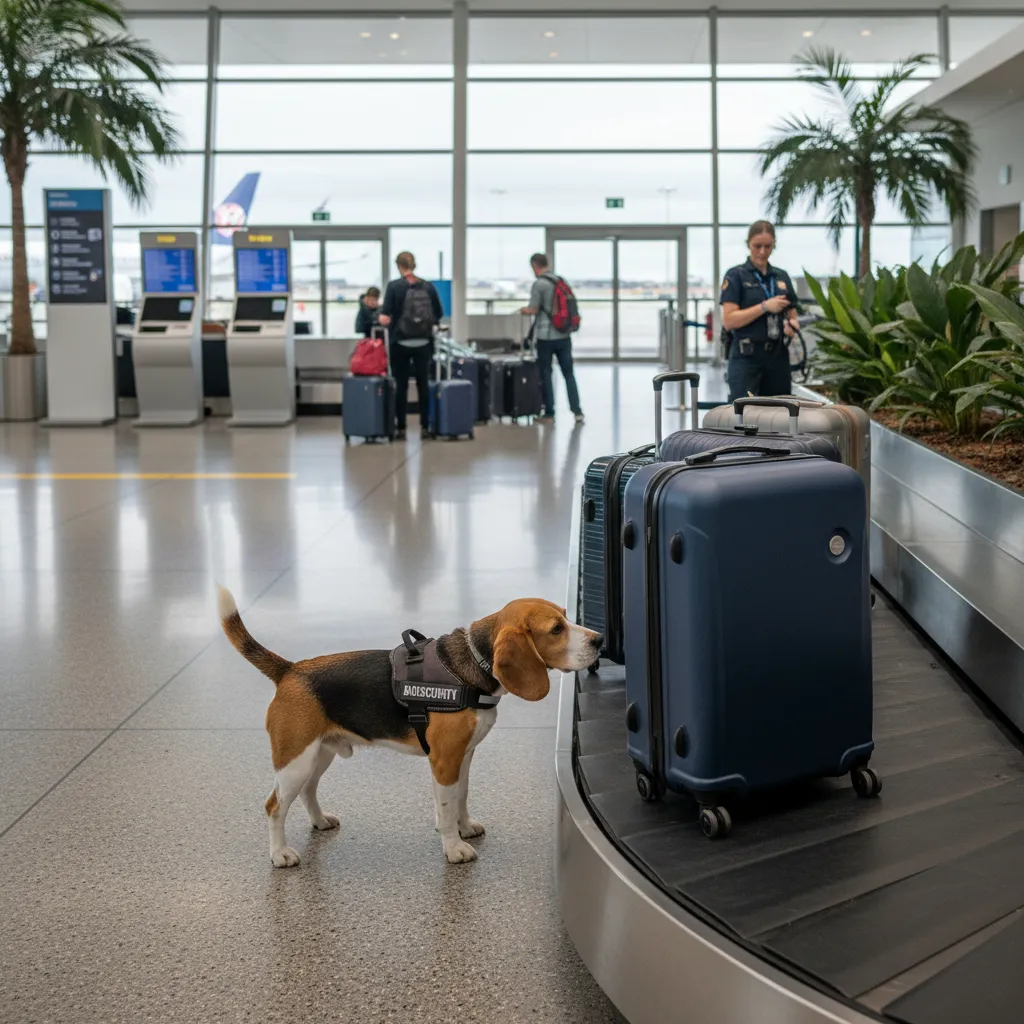
Meat products, whether fresh, cooked, frozen, or dried (like jerky), are strictly prohibited from New Caledonia. This includes poultry and pork products, which can carry diseases like Foot and Mouth Disease or Avian Influenza. Even canned meats can be restricted if they do not meet specific heat-treatment standards. Furthermore, dairy products are generally not allowed unless they are from a country with a recognized disease-free status and are commercially packaged. Since New Caledonia has different biosecurity profiles than New Zealand, these items are almost always confiscated.
Other animal products often overlooked include feathers, bones, and teeth. Traditional Kanak handicrafts may incorporate feathers from local birds or pig tusks. While these are culturally significant, they represent a biosecurity risk. Feathers can harbor mites or avian diseases, and untreated bone or teeth can carry pathogens. If you purchase these items, they must be professionally treated and accompanied by certification, but even then, they must be declared upon arrival in New Zealand for inspection by an MPI officer.
Honey and bee products are another major concern. New Caledonia produces exquisite honey, but it is a prohibited item for Kiwis to bring home. Honey can carry American Foulbrood (AFB), a disease that could decimate the New Zealand bee population and the multi-million dollar Manuka honey industry. This restriction applies to raw honey, honeycomb, and even some health products containing bee pollen or propolis.
How do plant materials affect NZ biosecurity?
The lush tropical flora of New Caledonia is spectacular, but bringing any part of it back to New Zealand is fraught with risk. Plant materials are one of the most common sources of accidental pest introductions, including fruit flies, fungi, and invasive weeds. For this reason, the MPI maintains a zero-tolerance policy for many plant-based items.
Fresh fruit and vegetables are the most obvious prohibited items. Even a single mango or lime left in your carry-on bag can result in an instant $400 fine. New Caledonia has various species of fruit flies that are not present in New Zealand. If these pests were to establish themselves in Aotearoa, they could destroy the local horticultural industry. Always check your bags for leftover snacks before disembarking your flight from Nouméa.
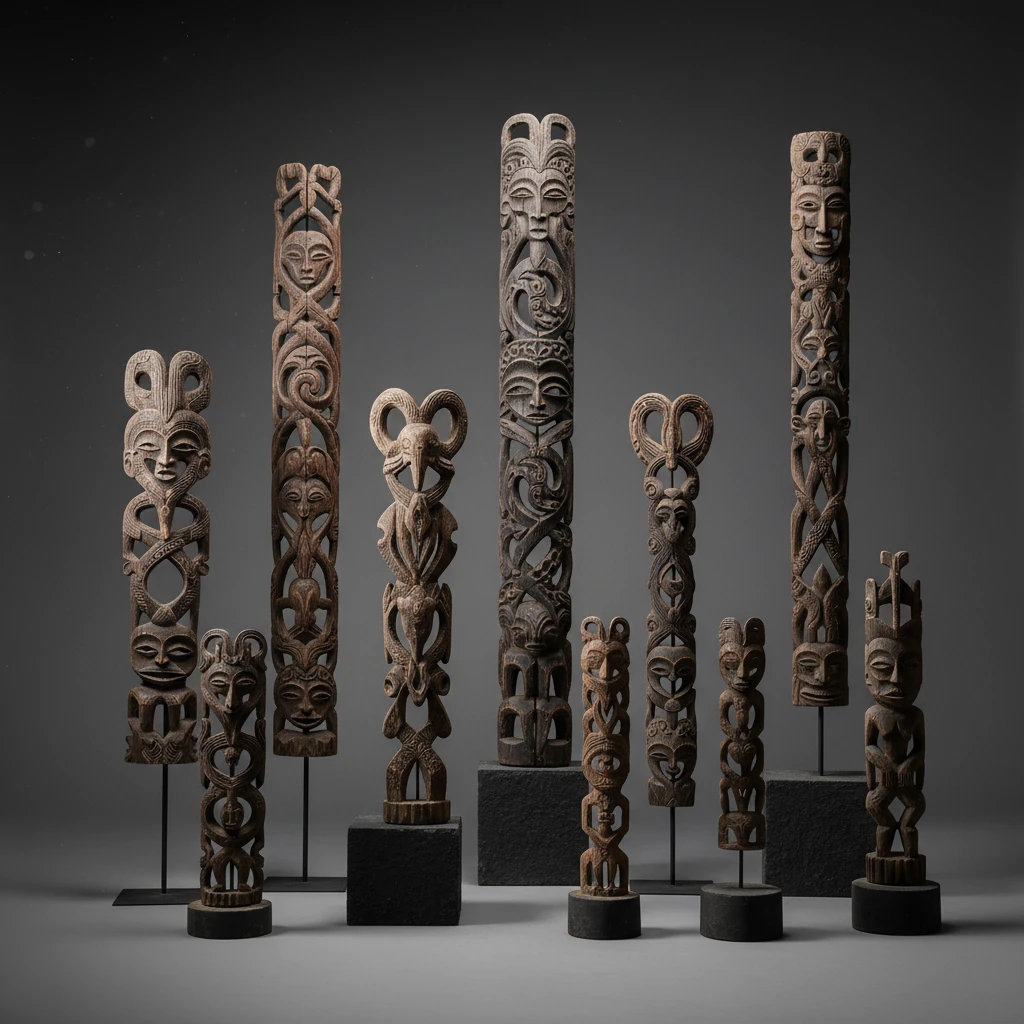
Wooden items and handicrafts are also high-risk. New Caledonia is famous for its Kanak wood carvings. While these are beautiful souvenirs, wood can harbor wood-boring insects. If you buy a wooden carving, it must be free of bark and show no signs of insect infestation (such as small holes or sawdust). MPI officers will inspect these items to ensure they are dry and clean. If the wood is