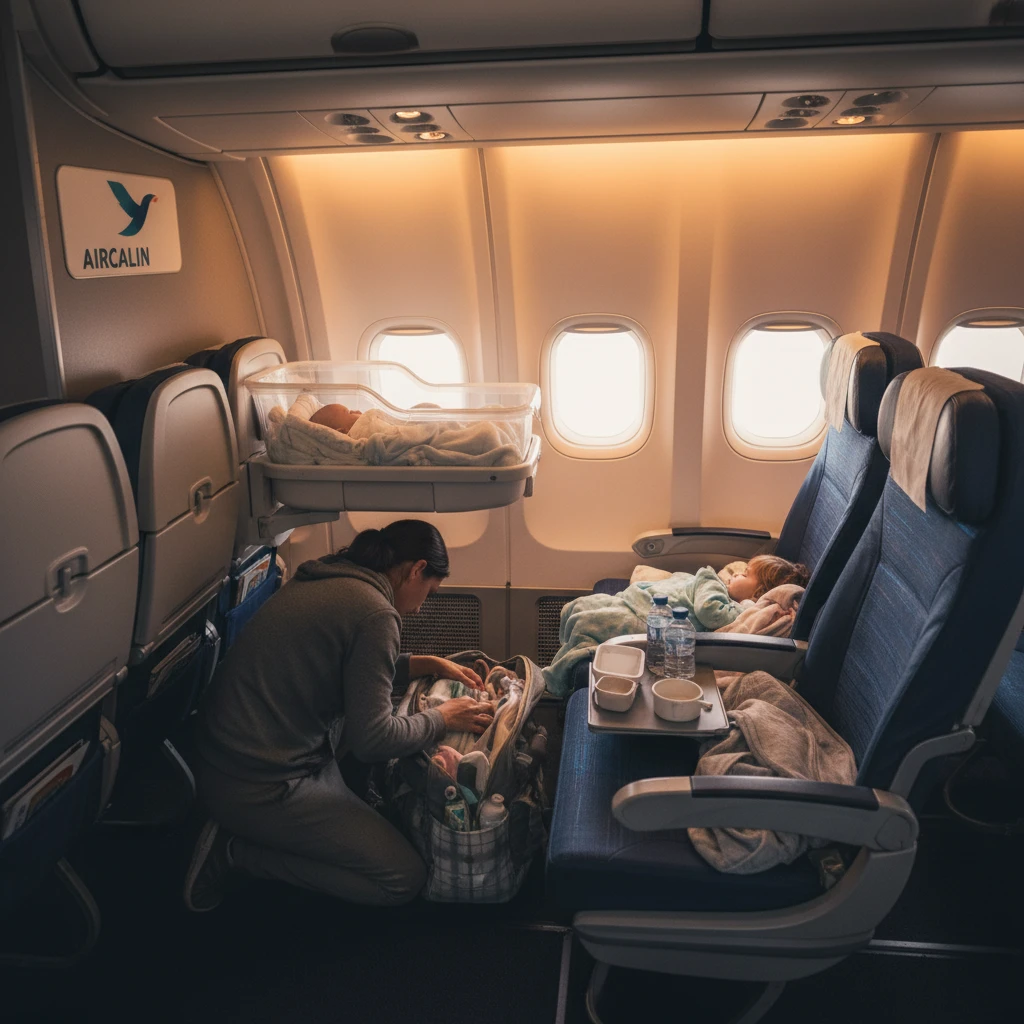
To secure airline dietary meals in NZ, passengers must request special catering through their airline’s ‘Manage Booking’ portal at least 24 to 48 hours before departure. This process ensures that specific nutritional requirements, such as gluten-free, vegan, or allergy-safe options, are loaded onto the aircraft specifically for your seat number.
How to Request Special Meals for Your Next Flight
Navigating the world of airline dietary meals in NZ requires a proactive approach. Whether you are flying with the national carrier, Air New Zealand, or an international partner like Qantas or Singapore Airlines, the mechanism for requesting a special meal is generally standardized across the aviation industry. Most airlines provide a digital interface where passengers can manage their bookings and select their dietary preferences without needing to call a service center.

To initiate a request, you first need your booking reference (a six-character alphanumeric code) and your last name. Once logged into the ‘Manage Booking’ section of the airline’s website, look for a tab labeled ‘Service Requests,’ ‘Passenger Details,’ or ‘Meal Preferences.’ Here, you will typically find a dropdown menu listing various dietary options. It is crucial to save these changes and, if possible, print or save a digital copy of your updated itinerary that reflects the special meal request. This serves as your proof of request should there be any discrepancies during the flight.
For those traveling on multi-leg journeys involving different airlines (codeshare flights), extra caution is required. While you might book through Air New Zealand, the actual flight might be operated by a partner airline. In such cases, it is highly recommended to log into the operating airline’s website directly to confirm that your meal request has been successfully transferred. Automated systems between airlines can occasionally fail, and a quick manual check can prevent a hungry flight.
Exploring Gluten-Free and Vegetarian Options
The demand for gluten-free and plant-based options has skyrocketed in recent years, leading airlines serving the New Zealand market to significantly improve their offerings. For passengers looking for airline dietary meals NZ, understanding what to expect from these specific categories can help manage expectations and planning.
Gluten-free meals (GFML) are designed for those with celiac disease or gluten intolerance. These meals typically exclude wheat, rye, barley, and oats. In the context of New Zealand travel, you might find a GFML consisting of grilled protein (like chicken or fish), steamed vegetables, and a gluten-free bread roll or dessert. It is important to note that while airlines strive for safety, the galley environment is small and shared, meaning absolute zero cross-contamination cannot always be guaranteed for those with extreme sensitivities.
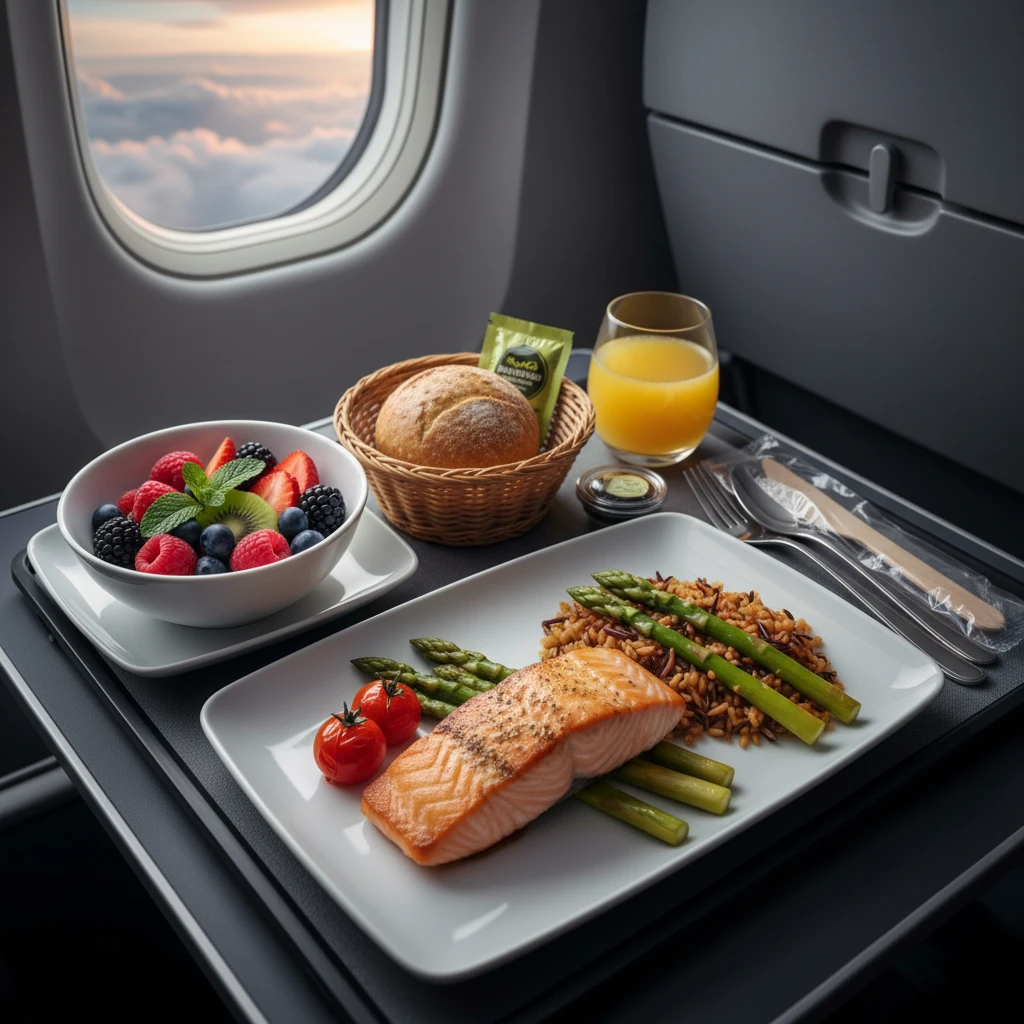
Vegetarian and vegan options are also highly varied. The most common codes are VGML (Vegan/Vegetarian Strict) and VLML (Vegetarian Lacto-Ovo). The VGML option is entirely plant-based, excluding all animal products, including honey and dairy. The VLML option allows for eggs and dairy products. For many travelers flying out of Auckland or Christchurch, these meals often highlight fresh, local produce, reflecting New Zealand’s high agricultural standards. If you have a specific preference for Asian-style vegetarian food, the AVML (Asian Vegetarian Meal) is a popular choice, often featuring flavorful spices and pulses, and is usually prepared according to Hindu dietary customs.
Allergy Management Policies: Staying Safe at 30,000 Feet
Managing severe allergies while flying is a significant concern for many travelers. Unlike a standard dietary preference, an allergy can be life-threatening. Airline dietary meals NZ policies regarding allergies vary significantly between carriers, and it is vital to understand these nuances before you board.
Most airlines, including Air New Zealand, explicitly state that they cannot guarantee a nut-free environment. This is because other passengers may bring their own snacks containing nuts, and previous flights may have left traces of allergens in the cabin. However, many airlines have protocols in place to assist. For example, if you notify the cabin crew of a severe peanut allergy, they may make an announcement asking other passengers in your vicinity to refrain from eating nut products and may avoid serving nut-based snacks in your cabin section.
For those with severe allergies, the ‘Special Meal’ request is only the first step. You should always carry your necessary medications, such as an EpiPen or antihistamines, in your carry-on luggage. It is also wise to bring your own ‘safe’ snacks as a backup. Some travelers also choose to use sanitizing wipes to clean their seat area, tray table, and armrests upon boarding to remove any potential allergen residue from previous occupants. Communication is key; ensure you speak with the gate agent and the lead flight attendant to confirm they are aware of your condition.
Essential Deadlines for Meal Requests
Timing is everything when it comes to airline catering. Because meals are prepared in large industrial kitchens off-site and delivered to the aircraft hours before departure, there is a hard cutoff for any changes or special requests. For most airline dietary meals NZ, the standard deadline is 24 hours before the scheduled departure time.

However, there are exceptions. For example, Kosher meals (KSML) often require at least 48 hours’ notice because they must be sourced from certified kitchens that may not be located at every airport. Similarly, if you are flying from a remote location or on a specialized charter, the lead time might be longer. If you make a last-minute booking (within 24 hours of flight), the airline will likely be unable to provide a special meal, and you will have to choose from the standard onboard options or bring your own food.
It is also worth noting that if you change your flight time or date, your meal request does not always automatically move with your booking. You must re-confirm your dietary requirement for the new flight. On domestic flights within New Zealand, the meal service is often limited to snacks or light refreshments. For ‘The Works’ customers on Air New Zealand domestic or short-haul Tasman flights, special meals are available, but for ‘Seat’ or ‘Seat+Bag’ fares, food is typically a buy-on-board arrangement where special dietary options may be very limited.
Understanding IATA Meal Codes
The International Air Transport Association (IATA) has developed a standardized set of four-letter codes to ensure that meal requests are understood globally, regardless of the language spoken by the catering staff or flight crew. Familiarizing yourself with these codes can help you verify your booking details. Common codes include:
- GFML: Gluten-Free Meal
- VGML: Vegan Meal (Vegetarian Strict)
- VLML: Vegetarian Lacto-Ovo Meal
- AVML: Asian Vegetarian Meal
- HNML: Hindu (Non-Vegetarian) Meal
- KSML: Kosher Meal
- MOML: Muslim Meal (Halal)
- DBML: Diabetic Meal
- LSML: Low Salt Meal
- LCML: Low Calorie Meal
When you receive your meal on the plane, the tray will usually have a sticker with one of these codes and your seat number. Always double-check this label before you start eating. If you are unsure, do not hesitate to ask the flight attendant to verify the ingredients or the meal type. In the professional world of aviation, safety always comes before convenience.
Domestic vs International Meals in NZ
The experience of ordering airline dietary meals NZ varies significantly between domestic hops and long-haul international journeys. On a domestic flight from Auckland to Wellington, the flight duration is less than an hour. Consequently, full meal services are rare. Air New Zealand typically offers a choice of a cookie or a savory snack. While they often have a gluten-free snack option available on board, it is not guaranteed. If you have a severe allergy or strict requirement, it is best to eat before boarding or bring a small snack.
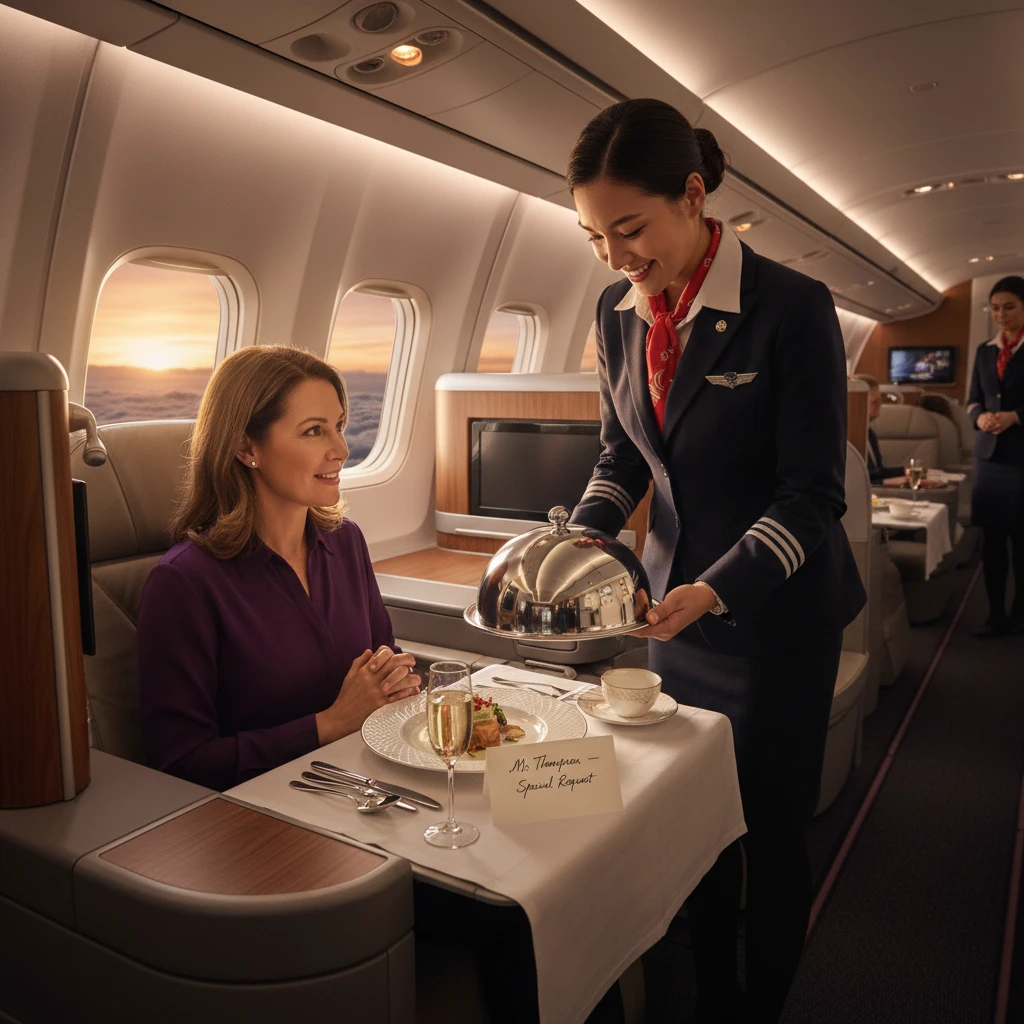
On international flights departing from New Zealand, the service is much more comprehensive. For long-haul routes to the USA, Asia, or Europe, you can expect multiple full meals. This is where the pre-ordering system is most critical. International catering units at Auckland, Christchurch, and Wellington airports are well-equipped to handle a wide range of requests, often utilizing high-quality New Zealand ingredients. Even so, the standard advice remains: always have a backup plan. Unexpected flight delays, aircraft swaps, or catering errors can occur, and having a nutrient-dense snack in your bag can turn a potential disaster into a minor inconvenience.
Finally, remember that special meals are usually served first. This is a logistical choice by the crew to ensure the correct person receives the correct meal before the main service begins. While this means you might finish eating before your travel companion, it provides an extra layer of security, allowing you to confirm your meal’s suitability in a calmer environment before the aisle becomes busy with the main trolley service.
Summary of Best Practices for NZ Travelers
To ensure a smooth journey, always follow these three golden rules: Book early (at least 24-48 hours in advance), confirm your request at check-in (both at the kiosk and with the agent), and always carry a backup supply of safe food. By taking control of your dietary needs, you can focus on the excitement of your travel rather than the stress of your next meal.
How far in advance do I need to order a special meal?
Most airlines require at least 24 hours’ notice, though Kosher meals and certain international flights may require 48 hours.
Does Air New Zealand offer gluten-free meals on domestic flights?
On domestic flights, Air New Zealand typically offers a small snack. While a gluten-free snack is often available, it is not guaranteed for pre-order like full meals on international flights.
Can I request a nut-free flight for severe allergies?
No airline can guarantee a 100% nut-free environment, but many will make an announcement and create a small ‘buffer zone’ if notified in advance.
What is the difference between VGML and VOML?
VGML is a strict vegan meal (no animal products), while VOML (often listed as VLML) is a lacto-ovo vegetarian meal that includes dairy and eggs.
Are special meals served before standard meals?
Yes, airlines typically serve special dietary meals first to ensure the correct passenger receives their specific order and to streamline cabin service.
Is there an extra cost for ordering a dietary meal?
On full-service carriers and international flights where meals are included, there is typically no extra charge for requesting a special dietary meal.