Ensuring safety near the terminal in Noumea requires situational awareness and adherence to official transit routes. While the Gare Maritime area is generally secure and patrolled, travelers should utilize the designated ‘Green Line’ pedestrian path, avoid engaging with unlicensed transport providers immediately outside the port gates, and secure valuables. For the safest transit to the city center, prioritize official shuttle buses or marked taxis.
Walking from the Ship to Town: Safety Advice
For many New Zealand cruise passengers arriving in New Caledonia, the first instinct is to disembark and explore on foot. The primary cruise terminal in Noumea, located at the Gare Maritime, is situated within an industrial port zone that transitions into the city center. Understanding the layout of this area is critical for maintaining safety near terminal Noumea.
The walk from the cruise gangway to the city center (Place des Cocotiers) takes approximately 15 to 20 minutes. While this is a popular option, it presents specific safety considerations that differ from ports in New Zealand or Australia.
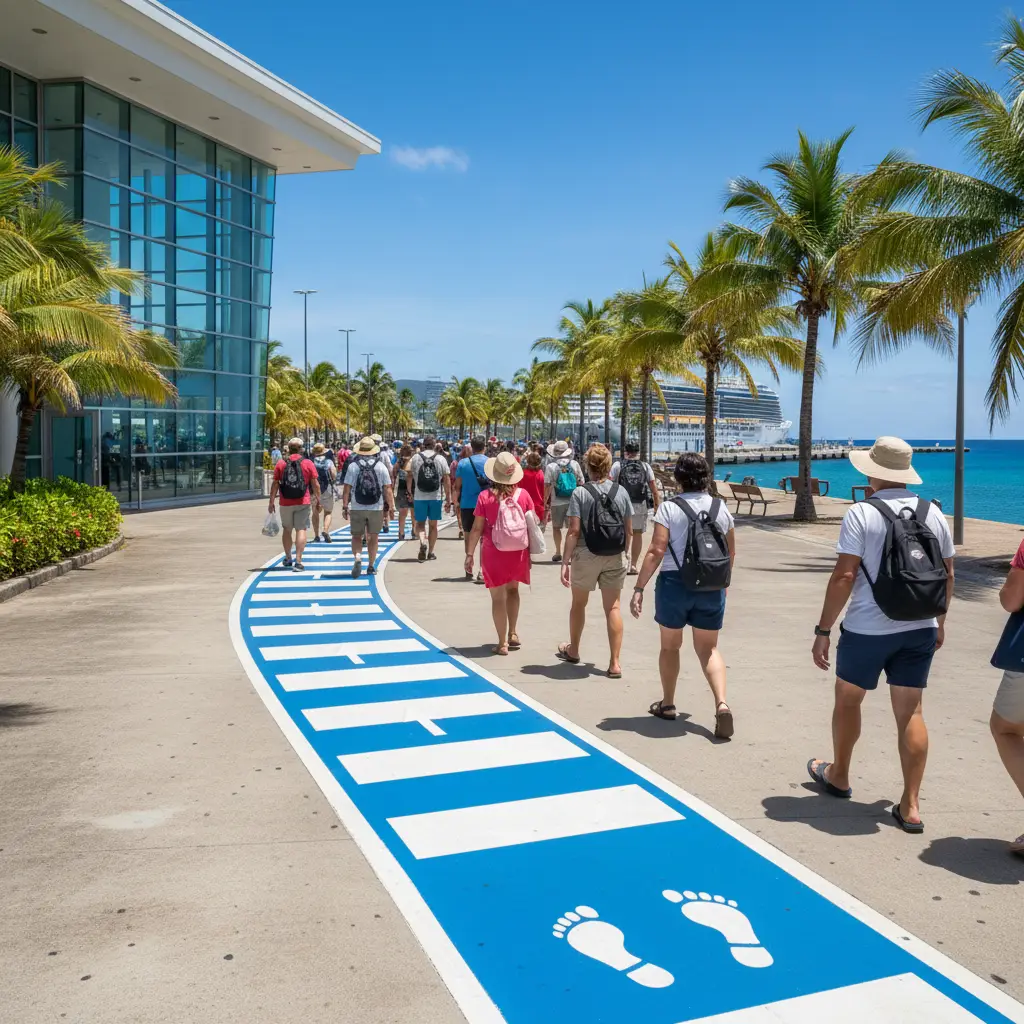
The “Green Line” Pedestrian Path
Port authorities have established a painted line on the pavement, often referred to as the “Green Line,” which guides tourists from the ship to the port exit. Sticking to this path is mandatory for your physical safety. The port is an active industrial area with heavy machinery, forklifts, and container trucks moving frequently. Wandering off the designated walkway places you in blind spots for heavy vehicle operators.
Crossing Rue Jules Ferry
Once you exit the secure port gates, you will emerge onto Rue Jules Ferry. This is a busy thoroughfare. Traffic in Noumea drives on the right-hand side of the road, which can be disorienting for Kiwi travelers accustomed to driving on the left. When crossing the street to reach the supermarket or the colonial architecture across the road, always look left, then right, then left again.
Furthermore, pedestrian crossings in Noumea are generally respected, but not with the same rigor as in New Zealand. Do not assume a car will stop simply because you have stepped onto the zebra crossing. Make eye contact with the driver before proceeding.
Personal Belongings and Situational Awareness
The area immediately surrounding the terminal exit can be crowded. While violent crime against tourists is rare, opportunistic petty theft can occur in high-traffic zones. Keep cameras strapped across your body rather than hanging loosely from one shoulder, and ensure backpacks are zipped and secured. Avoid flashing large amounts of cash (Pacific Francs – XPF) when purchasing souvenirs from vendors set up near the terminal gates.
Official Taxi Stands vs Unlicensed Drivers
One of the most critical aspects of safety near terminal Noumea involves selecting the right mode of transport. Upon exiting the terminal building, you will likely be approached by various individuals offering tours or taxi rides. Distinguishing between official operators and unlicensed drivers is paramount for your security and financial protection.
Identifying Official Taxis
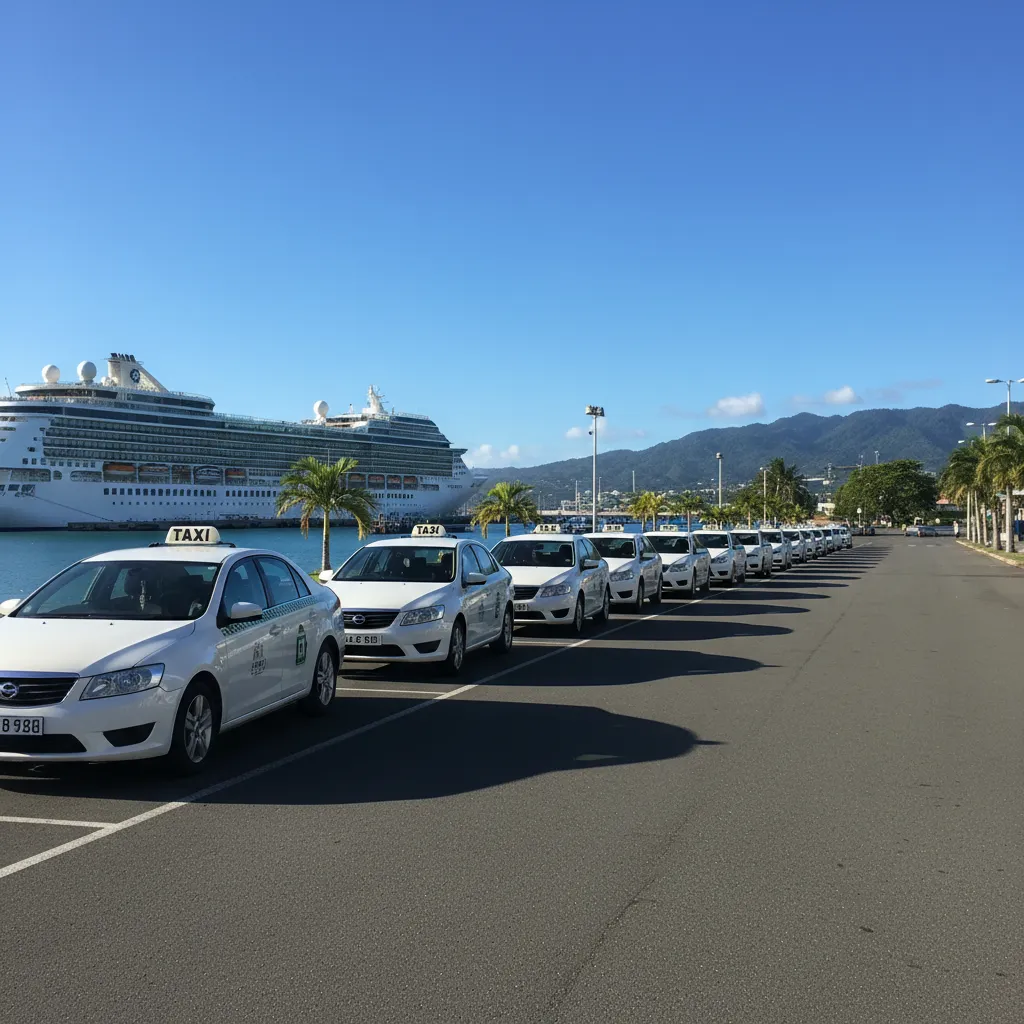
Official taxis in Noumea are clearly marked. They have a “Taxi” sign on the roof and a meter inside the vehicle. The official taxi rank is located directly outside the Gare Maritime terminal. Queuing here is the safest way to secure a ride to Anse Vata or Baie des Citrons.
Safety Tip: Never enter a vehicle that does not have a visible meter or a taxi license displayed. If a driver claims the meter is broken and offers a flat rate “special for tourists,” decline firmly and move to the next vehicle. Official taxis are regulated by local laws regarding safety standards and insurance; unlicensed vehicles are not.
The Risks of Unlicensed Operators
“Gypsy cabs” or unlicensed drivers often congregate near the port exit, offering tours at lower rates than the official excursions. While some may be genuine locals looking to make extra money, utilizing them carries significant risks:
- Lack of Insurance: In the event of an accident, you will likely not be covered by the vehicle’s insurance, and your travel insurance may void your claim if you knowingly used an unlicensed service.
- Price Gouging: Without a meter, the price often changes upon arrival at your destination.
- Reliability: There is no guarantee the driver will return to pick you up, potentially leaving you stranded at a remote beach with the ship’s departure time looming.
The “Petit Train” and Hop-On Hop-Off Buses
For a safer alternative to taxis, consider the “Tchou Tchou Train” (Petit Train) or the official Hop-On Hop-Off buses. These operators have contracts with the cruise lines and the tourism board. Their pickup points are clearly signposted near the terminal. They offer a secure way to see the sights without the stress of navigating local traffic or negotiating fares.
Police Presence and Tourist Assistance
New Caledonia is a French overseas territory, and its security infrastructure is modeled after mainland France. Understanding who to look for in an emergency enhances your overall safety strategy.
Types of Law Enforcement
You will likely encounter two types of police forces near the terminal and in the city:
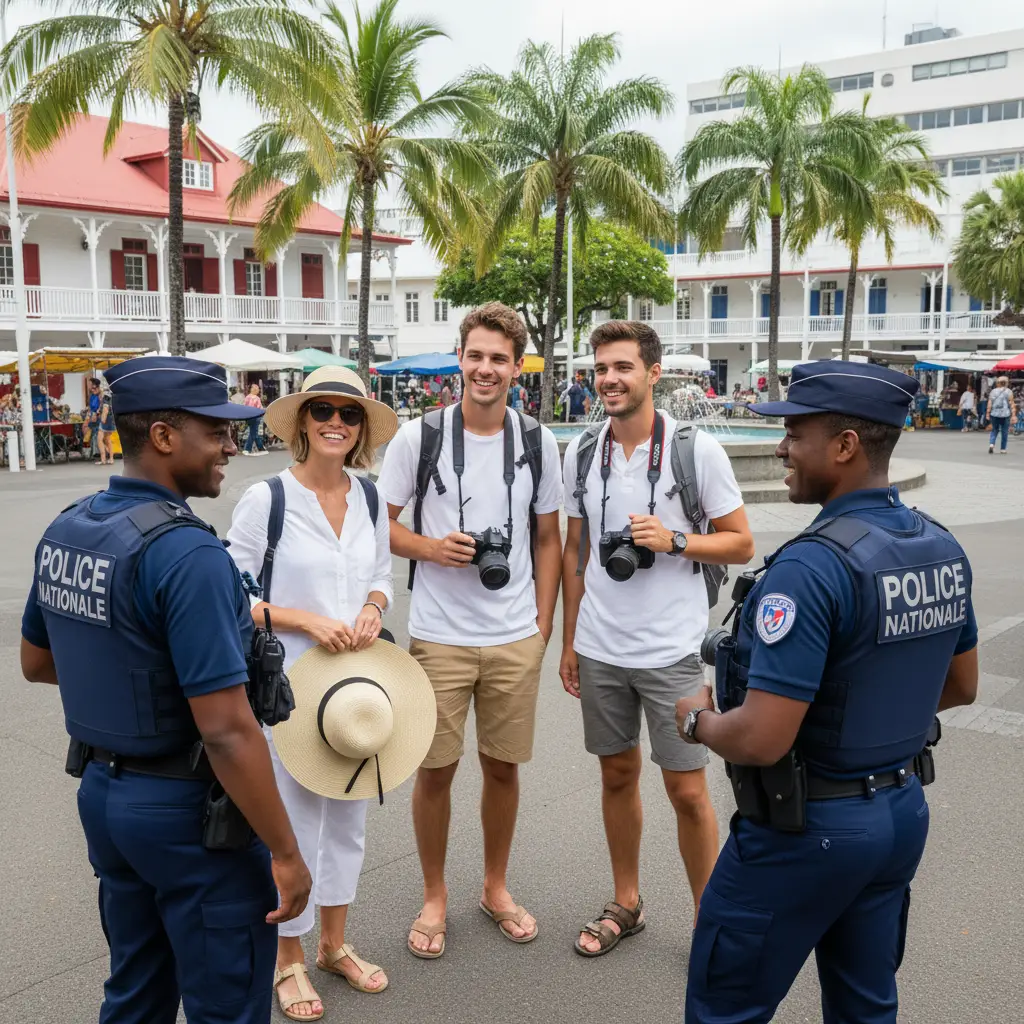
- Police Nationale: They wear dark blue uniforms and handle serious crimes and national security.
- Police Municipale: They wear lighter blue uniforms and handle local traffic, noise control, and minor public disturbances.
Both forces are approachable and professional. There is usually a visible police presence around the Place des Cocotiers and the cruise terminal on ship days to deter petty crime.
Noumea City Helpers
On days when large cruise ships from New Zealand or Australia are in port, the Noumea tourism board often deploys “City Helpers.” These individuals usually wear bright, distinctive shirts (often orange or yellow) and speak English. They are stationed at the terminal exit and major intersections.
If you feel unsure about your direction or safety, approach a City Helper. They can direct you to the safest walking routes, official bus stops, and recommended ATMs. They act as a bridge between the local French-speaking environment and English-speaking tourists.
Emergency Contacts
Save these numbers in your phone before disembarking:
- Police: 17
- Medical Emergencies (SAMU): 15
- Fire Brigade: 18
- New Zealand Consulate-General: Located in Noumea, they can provide consular assistance to NZ citizens in serious emergencies (loss of passport, arrest, hospitalization).
Navigating Specific Zones: City Center and Beaches
Safety is not uniform across the entire peninsula. The dynamic changes depending on whether you are in the commercial center or the tourist beaches.
Downtown (Centre-Ville) and Place des Cocotiers
The city center is generally safe during the day. Place des Cocotiers is the central square and a hub of activity. It is a pleasant place to sit, use the free Wi-Fi, and people-watch.
Caution: Avoid the backstreets of the Latin Quarter or the areas immediately surrounding the bus depot (Montravel) if you are alone, particularly in the late afternoon. Stick to the main grid of streets where shops and cafes are open. If you are visiting the local market (Marché de Nouméa) near the marina, it is very safe, but watch for pickpockets in the crowded fish market section.
Anse Vata and Baie des Citrons
These are the primary tourist beach zones. They are approximately 10-15 minutes by vehicle from the cruise terminal. These areas are considered very safe, with a high density of restaurants, hotels, and tourists. However, do not leave bags unattended on the beach while swimming. Theft of towels, phones, and wallets left on the sand is the most common crime reported by tourists in these areas.
Environmental and Health Safety Factors
When discussing safety near terminal Noumea, physical health risks are often more prevalent than criminal risks.
Heat and Hydration
The walk from the terminal to town offers little shade. The tropical sun in New Caledonia is intense, and heat exhaustion is a frequent issue for cruise passengers who underestimate the humidity. Carry water with you. While tap water in Noumea is generally safe to drink (meeting French and European standards), those with sensitive stomachs may prefer bottled water.
Sea Life Hazards
If you take a taxi from the terminal to the beaches, be aware of marine risks. New Caledonia has a vibrant lagoon, but it also hosts sea snakes and stonefish. Wear reef shoes if you are exploring rocky areas. In 2023 and 2024, there were heightened shark alerts in Noumea, leading to swimming bans in certain areas. Always adhere to the flags on the beach: a red flag means swimming is prohibited.
Returning to Ship: Time Management
One of the biggest safety risks for a cruise passenger is missing the ship. This creates a complex logistical and financial emergency.
“Ship Time” vs. “Local Time”
Always keep your watch set to “Ship Time.” Depending on the time of year and daylight savings differences between New Zealand and New Caledonia, local time may differ from the time on board. Relying on your smartphone’s automatic time update can sometimes lead to confusion if it switches networks unexpectedly.
Traffic Bottlenecks
Traffic in Noumea can be surprisingly heavy, particularly during the evening rush hour (starting around 4:00 PM) and around school pickup times. The road from Anse Vata back to the cruise terminal is a single coastal road for much of the journey. A single accident can cause gridlock.
Recommendation: Plan to be back near the terminal area at least one hour before the “All Aboard” time. If you are at the beaches, leave 90 minutes before your deadline. This buffer accounts for traffic delays and allows you to browse the market stalls at the terminal safely without panic.
Civil Unrest Awareness
Travelers should be aware that New Caledonia has experienced periods of civil unrest, most recently in mid-2024. While the tourist areas and cruise terminals are heavily protected and usually insulated from these events, it is vital to check the latest advice on SafeTravel.govt.nz before disembarking. If there are protests or gatherings (often occurring near the High Commission in the city center), do not photograph them or attempt to pass through the crowd. Retreat to the ship or a safe commercial establishment immediately.
Frequently Asked Questions
Is it safe to walk in Noumea at night?
Walking in well-lit, populated tourist areas like Baie des Citrons is generally safe at night due to the restaurant and bar activity. However, walking in the downtown city center (near the terminal) or dark side streets after shops close (around 6:00 PM) is not recommended for tourists. It is safer to take a taxi back to the ship after dark.
Can I drink the tap water in Noumea?
Yes, the tap water in Noumea is treated and meets strict French and European health standards. It is safe to drink. However, if you are traveling to outer islands or rural areas, bottled water is recommended. If you have a very sensitive stomach, sticking to bottled water is a safe precaution.
What is the emergency number in New Caledonia?
The general emergency number for the Police is 17. For medical emergencies (ambulance), dial 15. For the Fire Department, dial 18. If you are using a mobile phone roaming from New Zealand, ensure you know the dialing code (+687) if required, though local emergency numbers usually work directly.
Are local buses safe for tourists in Noumea?
Yes, the modern bus network, known as Tanéo, is safe, clean, and efficient. The cars are modern and air-conditioned. However, ensure you have small change (XPF) for the fare or purchase a ticket at a kiosk. Avoid taking buses late at night to outlying suburbs; stick to the main tourist routes (Line L3 usually services the beaches).
Is there a strict dress code for safety in Noumea?
While there is no strict dress code for safety, dressing modestly in the city center is respectful of the local Kanak and French cultures. Beachwear should be confined to the beach. Wearing expensive jewelry or flashing wealth can attract unwanted attention, so casual, modest clothing is best for blending in and staying safe.
What should I do if I lose my passport in Noumea?
If you lose your passport, report it immediately to the local Police Nationale to get a police report. Then, contact the New Zealand Consulate-General in Noumea. If you are on a cruise, notify the ship’s guest services immediately, as they often hold the manifest and can assist with local authorities.