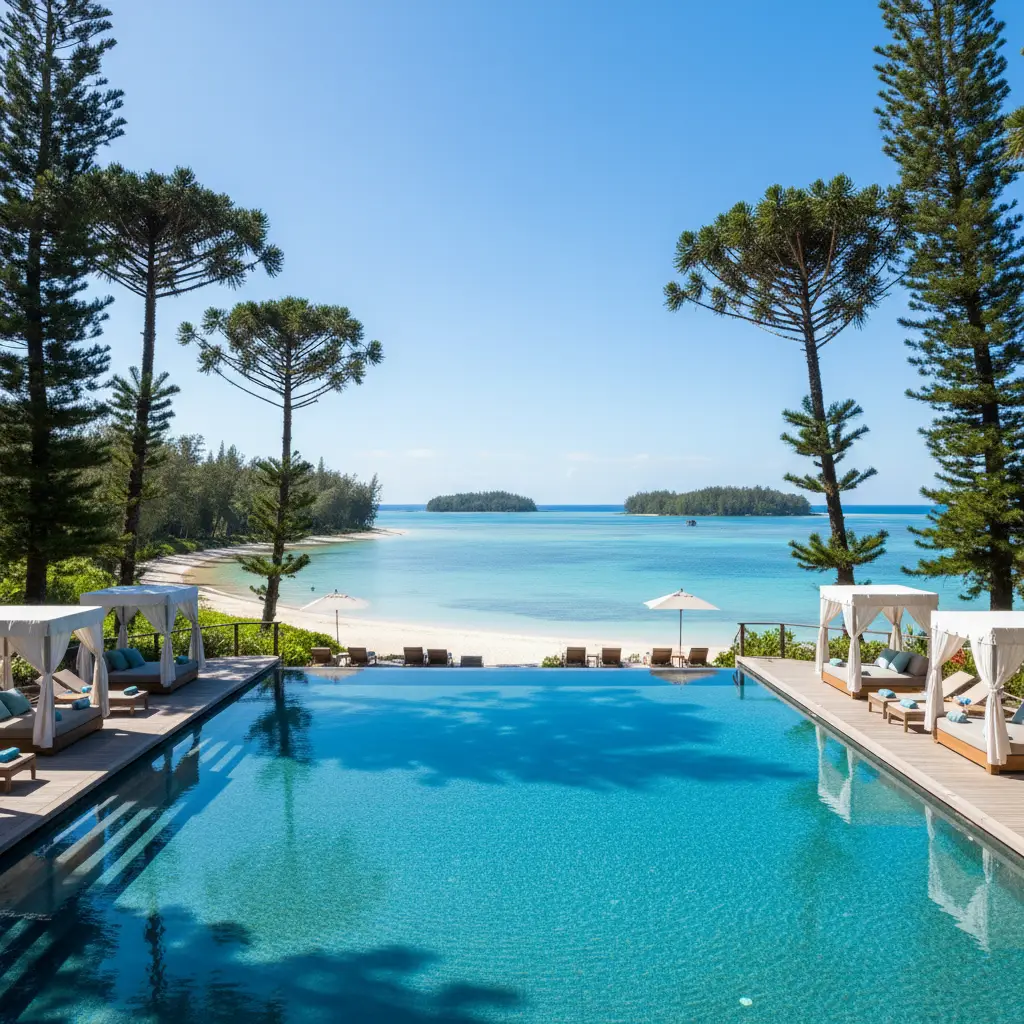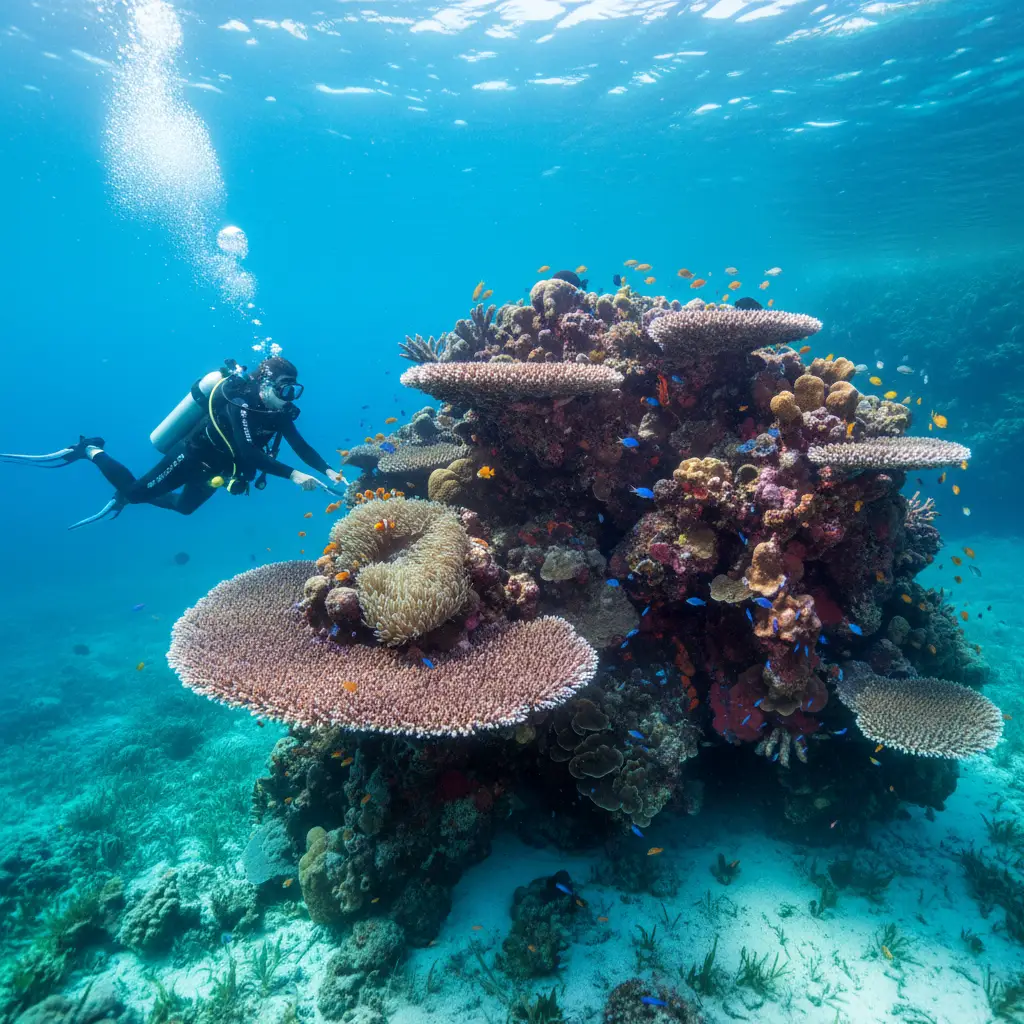
The Piscine Naturelle Ile des Pins is a protected natural aquarium located in Oro Bay, New Caledonia. Separated from the open ocean by a coral reef barrier, this crystal-clear lagoon offers world-class snorkeling in calm, shallow waters teeming with colorful tropical fish and vibrant coral formations, making it the island’s premier attraction.
For New Zealand travelers seeking a tropical escape that feels worlds away yet is relatively close to home, the Isle of Pines (Île des Pins) in New Caledonia offers a landscape unlike any other in the Pacific. Known as the “Jewel of the Pacific,” this island is defined by its endemic Araucaria pine trees lining white sand beaches. However, the crown jewel of the island itself is undoubtedly the Piscine Naturelle (Natural Pool).
This guide provides a comprehensive breakdown of everything you need to know to visit this ecological wonder, from navigating the Arrival Logistics: Tontouta Airport to Noumea to preserving the delicate marine ecosystem.
What makes the Piscine Naturelle unique?
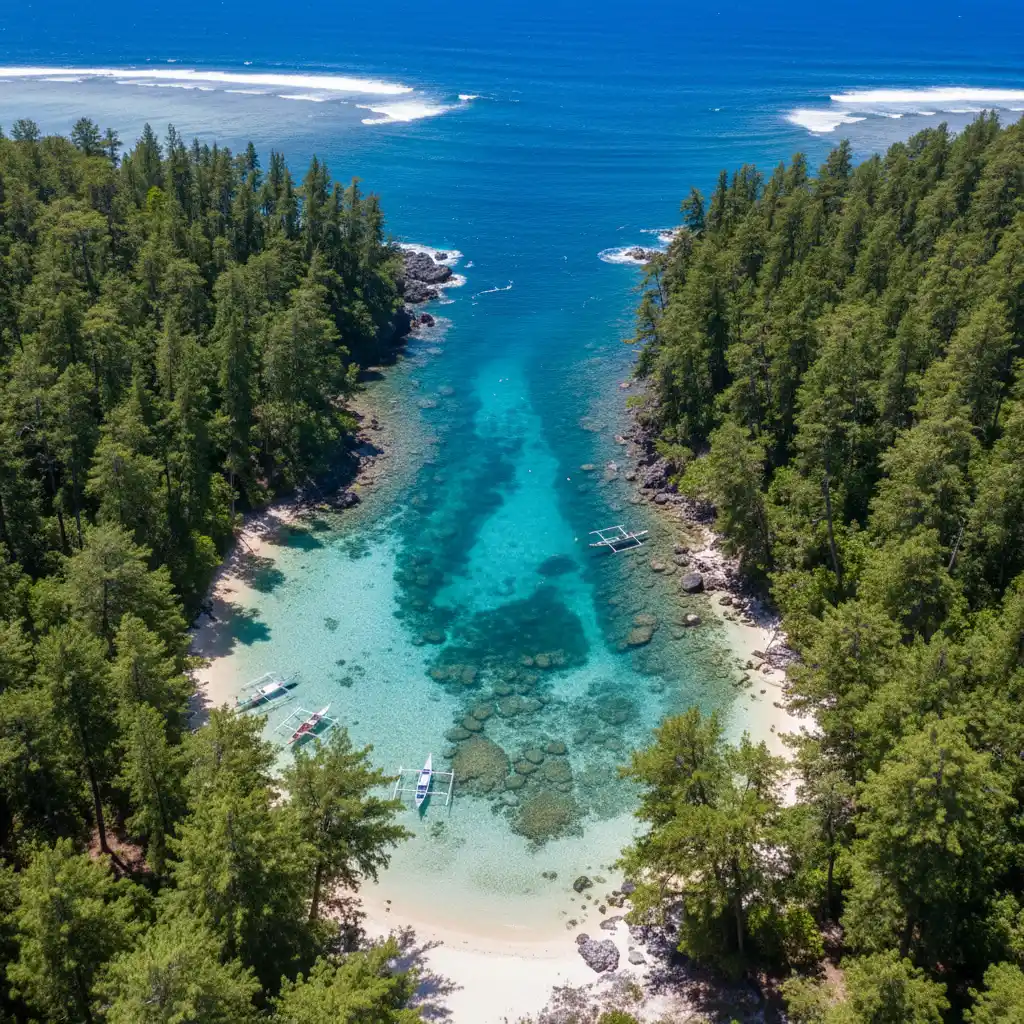
The Piscine Naturelle is not just a beach; it is a geological formation located in Oro Bay. It is essentially a lagoon within a lagoon. A large rock and coral barrier shields the pool from the ocean’s waves, ensuring the water remains perfectly still and incredibly clear, resembling a swimming pool—hence the name.
For Kiwi travelers used to the rugged coasts of New Zealand, the contrast here is striking. The water is warm year-round, and the visibility is exceptional. Because it is enclosed, it acts as a nursery and sanctuary for marine life. It is common to see schools of convict tangs, parrotfish, picasso triggerfish, and even the occasional giant clam, all within waist-deep water.
How to get to Piscine Naturelle Ile des Pins
Reaching the Natural Pool requires a bit of planning, as it is located on the northeastern side of the island, away from the main port of Vao or the Kuto Bay ferry terminal. Depending on your accommodation and your sense of adventure, there are two primary ways to access the site.
The Traditional Pirogue vs. Jungle Walk
Choosing between a cultural excursion and a direct route is the main decision you will face.
Option 1: The Traditional Pirogue (Outrigger Canoe)
For the most scenic and culturally immersive experience, booking a trip on a traditional Melanesian pirogue is highly recommended. This is not merely transport; it is a journey through Upi Bay, often compared to Halong Bay due to its massive coral rock formations jutting out of the water.
- The Route: You depart from St. Joseph’s Bay. The sailing trip takes approximately 1 to 1.5 hours depending on the wind. The silence of the sails and the color of the water make this a highlight of any New Caledonia trip.
- The Jungle Walk Connection: The pirogue does not drop you directly at the pool. It lands on a beach in Oro Bay. From there, you must walk approximately 30 to 45 minutes through a tropical forest path to reach the Piscine Naturelle.
- Pros: Incredible scenery, cultural experience, photogenic.
- Cons: Takes longer (half-day commitment), requires a walk at the end.

Option 2: The Direct Jungle Walk / Road Access
If you are short on time, or if you are staying at the Le Méridien Ile des Pins (which is located right next to the pool), you can access the site via road and a short walk.
- The Route: You can take a shuttle bus or taxi from Kuto/Vao to the parking area near Le Méridien in Oro Bay.
- The Walk: From the parking lot (near the Kou-Gny restaurant entrance), there is a clearly marked trail. You will follow a river/tidal channel for about 15-20 minutes. The walk involves wading through shallow water at high tide, so reef shoes are essential even for the walk.
- Pros: Faster, cheaper (no boat cost), flexible timing.
- Cons: You miss the spectacular Upi Bay scenery.
Best Time to Visit: Weather Guide
Timing your visit to the piscine naturelle ile des pins is critical for the best experience. Unlike a standard beach, the quality of your swim here is dictated heavily by the tides.
High Tide vs. Low Tide
High Tide: This is generally considered the best time for swimming and snorkeling. The water level in the pool is higher (chest to shoulder deep), allowing you to float over the coral heads without risking injury to yourself or damage to the coral. The influx of ocean water also tends to bring in more fish and improves visibility by flushing out sediment.
Low Tide: At low tide, the pool becomes very shallow—often ankle or knee-deep in many places. While it is great for taking photos of the still water, snorkeling becomes difficult as you cannot swim without scraping the bottom. If you arrive at low tide, you may have to wait for the water to fill in.
Sunlight and Visibility
For the most vibrant underwater colors, aim for the hours between 10:00 AM and 2:00 PM when the sun is directly overhead. This reduces surface glare and illuminates the coral and fish, making for spectacular underwater photography.

Hidden Fees to Watch For: Taxes & Baggage
New Zealand travelers should be aware that New Caledonia is not a cashless society in remote areas. Preparation is key to avoiding disappointment upon arrival.
Entry Fee
There is a small conservation fee to enter the Piscine Naturelle area. As of the latest update, the cost is typically 200 XPF (approx. $3 NZD) per person. This fee goes to the local tribe for the maintenance of the area.
Crucial Note: You must pay this in cash (Pacific Francs). There are no EFTPOS machines or ATMs at the entrance of the Natural Pool. Ensure you withdraw cash in Nouméa or at the Vao post office before heading to Oro Bay.
The Kiwi Packing List for Oro Bay
- Reef Shoes: These are non-negotiable. The walk from the drop-off point involves wading, and the pool itself has sharp coral and rocks. Jandals (flip-flops) are not sufficient for the water.
- Snorkel Gear: While some tours might provide masks, the quality varies. It is highly recommended to bring your own mask and snorkel to ensure a good fit. Fins are optional; the water is calm and the area is small, so you don’t need powerful propulsion.
- Reef-Safe Sunscreen: The water is pristine; keep it that way.
- Water and Snacks: There are no shops directly on the sand at the pool. There are restaurants nearby (like Le Kou-Gny), but they require reservations or a walk back to the parking area.
- Waterproof Bag: To keep your phone and car keys dry during the wade across the river channel.
Protecting the Coral Environment
The Piscine Naturelle is a fragile ecosystem. The influx of tourism places stress on the coral reefs that make this place so special. As responsible travelers, it is our duty to minimize our footprint.
Coral Etiquette
The most common damage to the reef comes from tourists standing on coral heads to rest or adjust their masks. Coral is a living organism, not a rock. Touching it can kill the polyps and destroy decades of growth.
The Golden Rule: Only stand on white sand. If you are tired, float on your back or move to a sandy patch. Never kick the coral with your fins.
Chemical Pollution
Standard sunscreens contain oxybenzone and octinoxate, chemicals that are toxic to coral larvae and contribute to coral bleaching. Given the enclosed nature of the Natural Pool, these chemicals do not disperse easily. Please purchase “Reef Safe” sunscreen in New Zealand before you depart, or look for zinc-based alternatives.

Dining and Amenities Nearby
After a few hours of snorkeling, you will likely work up an appetite. The most famous dining option in the immediate vicinity is Le Kou-Gny. Located in the forest near the parking entrance, this restaurant serves traditional lobster meals and local fish dishes. It is an institution on the Isle of Pines.
However, reservations are almost always required, especially during peak tourist seasons or when cruise ships are docked. If you are on a budget, packing a picnic to eat on the designated areas (away from the water’s edge) is a popular choice for families.
Conclusion
A visit to the piscine naturelle ile des pins is often the highlight of a New Caledonia holiday. Whether you choose the romantic approach via traditional pirogue or the efficient jungle walk, the destination remains the same: a breathtaking natural aquarium that defines the beauty of the South Pacific. By respecting the tides and the environment, you ensure this jewel remains pristine for future generations.
People Also Ask
How much is the entrance to Piscine Naturelle?
The entrance fee is typically 200 XPF (Pacific Francs) per person. It must be paid in cash at the small hut located at the entrance of the trail leading to the pool.
Do I need to book a tour to visit the Natural Pool?
No, you do not need a tour if you go by road/shuttle to the parking area and walk. However, if you want to arrive via the traditional Pirogue boat through Upi Bay, you must book that excursion in advance.
Can you swim in the Natural Pool at low tide?
Swimming is difficult at low tide as the water becomes very shallow (often knee-deep). It is best to visit during mid-to-high tide for the best snorkeling experience and to avoid damaging the coral.
How long is the walk to the Natural Pool?
From the main parking area (near Le Méridien), the walk takes about 15-20 minutes along a forest trail and tidal river. If you take the Pirogue, the walk from the drop-off point to the pool is approximately 30-45 minutes.
Are there sharks in the Piscine Naturelle?
It is very rare to see dangerous sharks in the pool as it is separated from the ocean by a reef barrier. You may occasionally spot small, harmless reef sharks, but the area is generally considered very safe for swimming.
Is the Piscine Naturelle suitable for children?
Yes, it is excellent for children because the water is completely protected from ocean waves and currents. However, children should wear reef shoes to protect their feet from sharp coral and shells.