
Ouvéa island accommodation options range from the luxury 4-star Paradis d’Ouvéa in the Mouli district to authentic tribal homestays (gîtes) offering deep cultural immersion. Due to strict preservation laws and limited infrastructure, inventory is scarce. Travelers planning for 2025 must book hotels or tribal huts 3-6 months in advance to secure a spot on this UNESCO World Heritage atoll.
Known simply as “The Island Closest to Paradise,” Ouvéa is a place where time slows down, and the geography is as dramatic as it is fragile. For travelers arriving from New Zealand or connecting through Nouméa, the challenge isn’t just getting there—it is finding the right place to sleep. Unlike the main island of Grande Terre, Ouvéa resists mass tourism. There are no high-rise resorts, no chain hotels, and limited commercial development. This guide provides a comprehensive analysis of the accommodation landscape for the 2024/2025 season, ensuring your stay is as seamless as the endless blue horizon.
Understanding Ouvéa’s Accommodation Landscape
When searching for Ouvéa Island accommodation, it is vital to adjust expectations regarding amenities and service styles. The Loyalty Islands operate on “island time,” and the infrastructure is designed to minimize environmental impact on the UNESCO-listed lagoon. As of late 2024, the island offers roughly 60-80 commercial rooms in total, split between hotel bungalows and tribal lodgings.
There are essentially two categories of stays:
- Hotel Resorts: Full-service establishments with private bathrooms, air conditioning, restaurants, and Wi-Fi (though often intermittent). These are best for travelers seeking comfort and privacy.
- Accueil en Tribu (Tribal Homestays): Traditional accommodations run by local Kanak families. These range from simple concrete rooms to traditional thatched huts (cases). Facilities are often shared, and cold water showers are common, but the hospitality is unmatched.
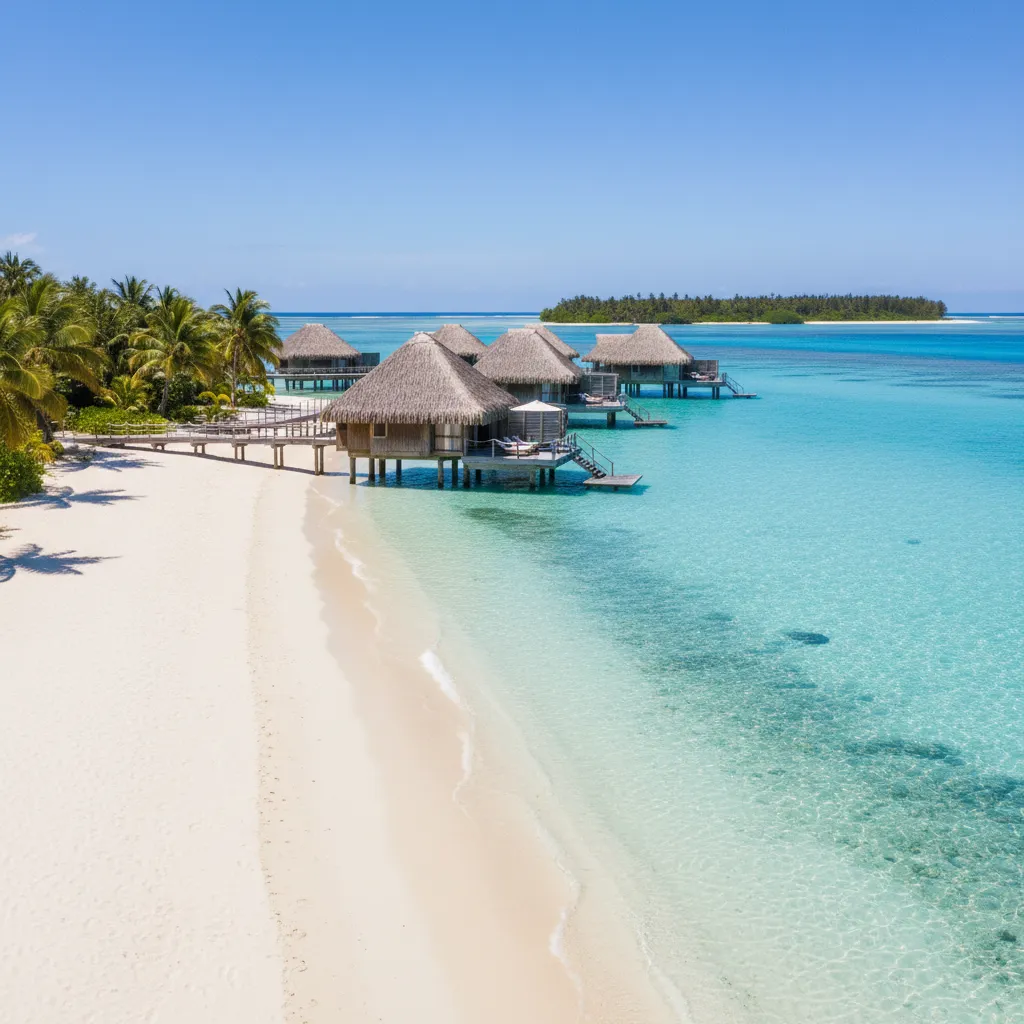
Top Rated Hotels: Luxury and Comfort
For those looking for a commercial hotel experience, choices are limited to two primary establishments. Booking these well in advance is critical.
Paradis d’Ouvéa: The Premium Choice
Located at the tip of the Mouli district, Paradis d’Ouvéa is the island’s only true 4-star resort. It is the most sought-after address for honeymooners and luxury travelers.
The Experience: The resort features bungalows scattered through lush gardens or positioned directly on the beachfront. The architecture blends modern luxury with Melanesian aesthetics. In 2025, the hotel continues to be the primary hub for fine dining on the island, offering French-Melanesian fusion cuisine.
Key Amenities:
- Direct access to the Mouli beach (arguably the best beach in the Pacific).
- Air-conditioned bungalows.
- On-site excursion booking (boat trips to the Pleiades).
- Wi-Fi in common areas.
Hôtel Beaupré: The Mid-Range Alternative
Situated in the Fayaoué district (central Ouvéa), Hôtel Beaupré offers a more modest but comfortable hotel experience. It is closer to the administrative center of the island and the few shops that exist.
The Experience: The bungalows here are simpler than at Paradis but are spacious and clean. The atmosphere is quieter and less tourist-centric. It serves as an excellent base for travelers who want to explore the northern parts of the island or the Blue Hole of Hanawa without the premium price tag of Mouli.
Tribal Huts: The Authentic Experience
To truly understand the rhythm of Ouvéa, many travelers opt for an Accueil en Tribu. This is not just accommodation; it is a cultural exchange. You are a guest on customary land.
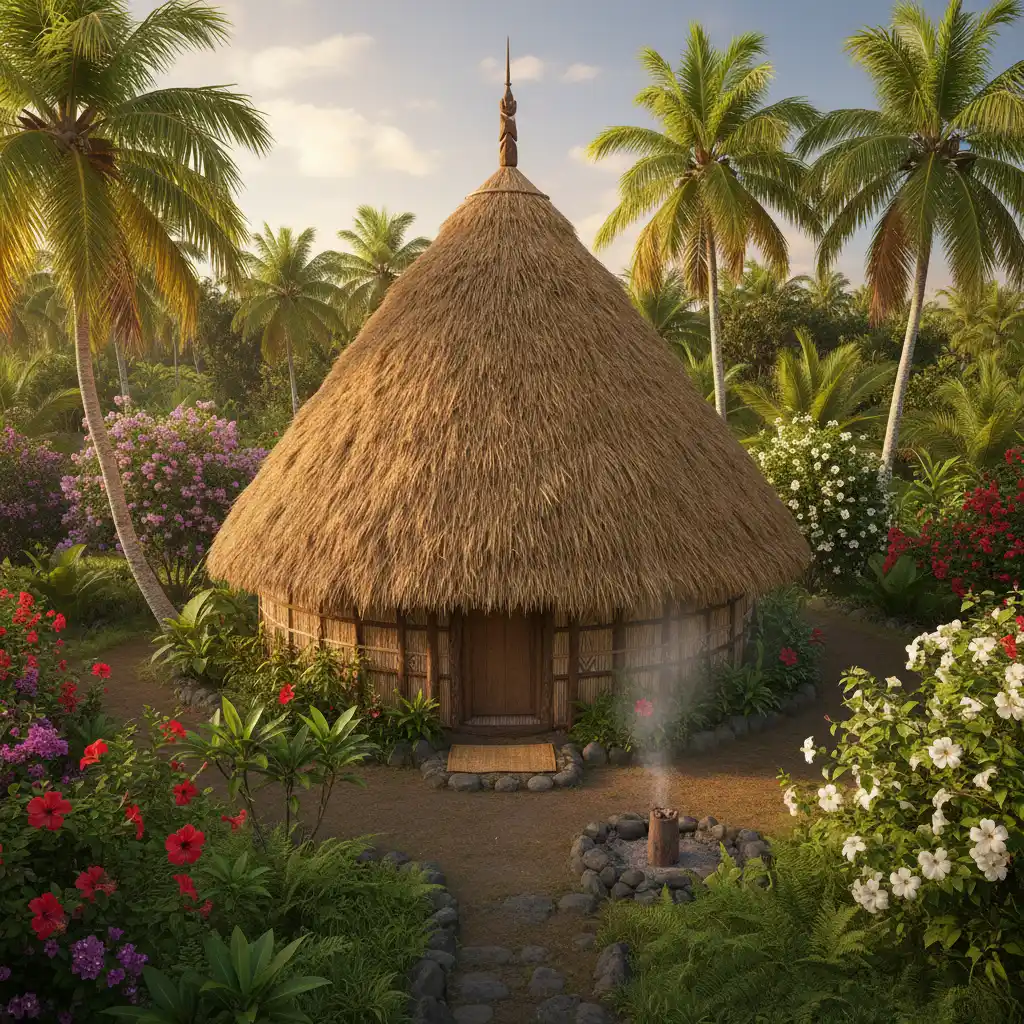
What is a Tribal Stay?
A tribal stay involves sleeping in a “Case” (traditional hut) or a simple bungalow within a family’s compound. The mattress is often on the floor (on woven mats), and amenities are communal. However, the cost is significantly lower than hotels, and breakfast usually includes fresh local fruits and homemade bread.
Top Recommended Tribal Stays for 2025
- Gîte Moague: Located in the south near the Mouli Bridge. Famous for its location and the warm hospitality of the owners. They offer traditional huts right on the sand.
- Gîte Didewa: Located in the north near St Joseph. Known for its lush garden setting and excellent local food (Bougna).
- Camping: Many tribal stays allow camping if you bring your own gear, which is the most budget-friendly option available.
Choosing Your Base: Mouli vs. Fayaoué
Ouvéa is a long, narrow crescent. Where you stay dictates your daily logistics.
Mouli (South)
Mouli is the postcard image of Ouvéa. It is separated from the main island by the famous Mouli Bridge.
Pros: Stunning beaches, access to Paradis d’Ouvéa, best sunsets.
Cons: Isolated, very few shops, requires transport to reach the airport or bank.
Fayaoué (Center)
The administrative heart of the island.
Pros: Close to the hospital, pharmacy, bank (BCI), and the only petrol station. Easier access to the airport.
Cons: The beach, while huge (25km long), is less protected from the wind than Mouli.
Essential Sightseeing Near Your Accommodation
Regardless of where you book your Ouvéa island accommodation, you will need to travel to see the key sights. The island is approximately 35km long.
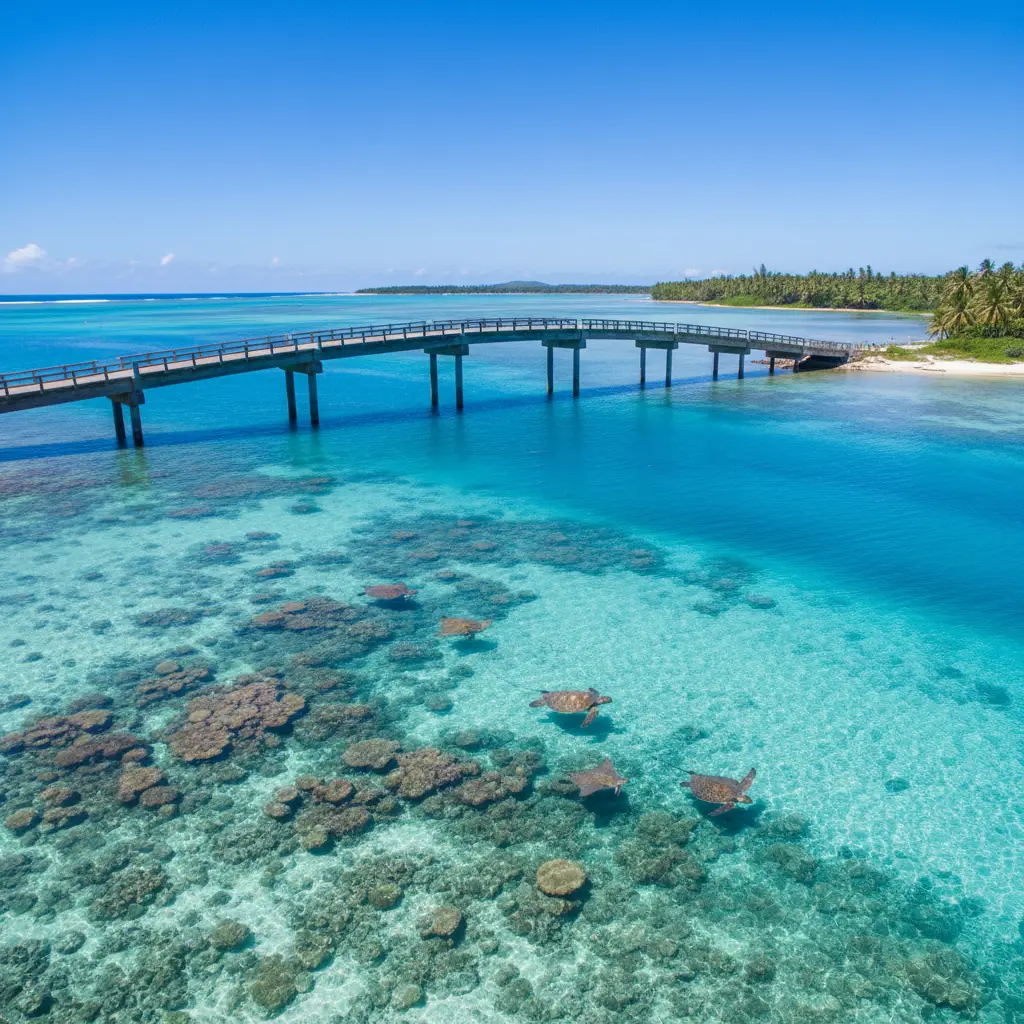
The Mouli Bridge and the Lagoon
The Mouli Bridge was replaced with a new structure recently, but the view remains timeless. It connects the islet of Mouli to the main island of Ouvéa. Looking down from the bridge, you can see sea turtles, rays, and sharks swimming in the pass. The current is strong here, and swimming right under the bridge is often restricted for safety and customary reasons, but the beaches on either side are pristine.
The Blue Hole of Hanawa
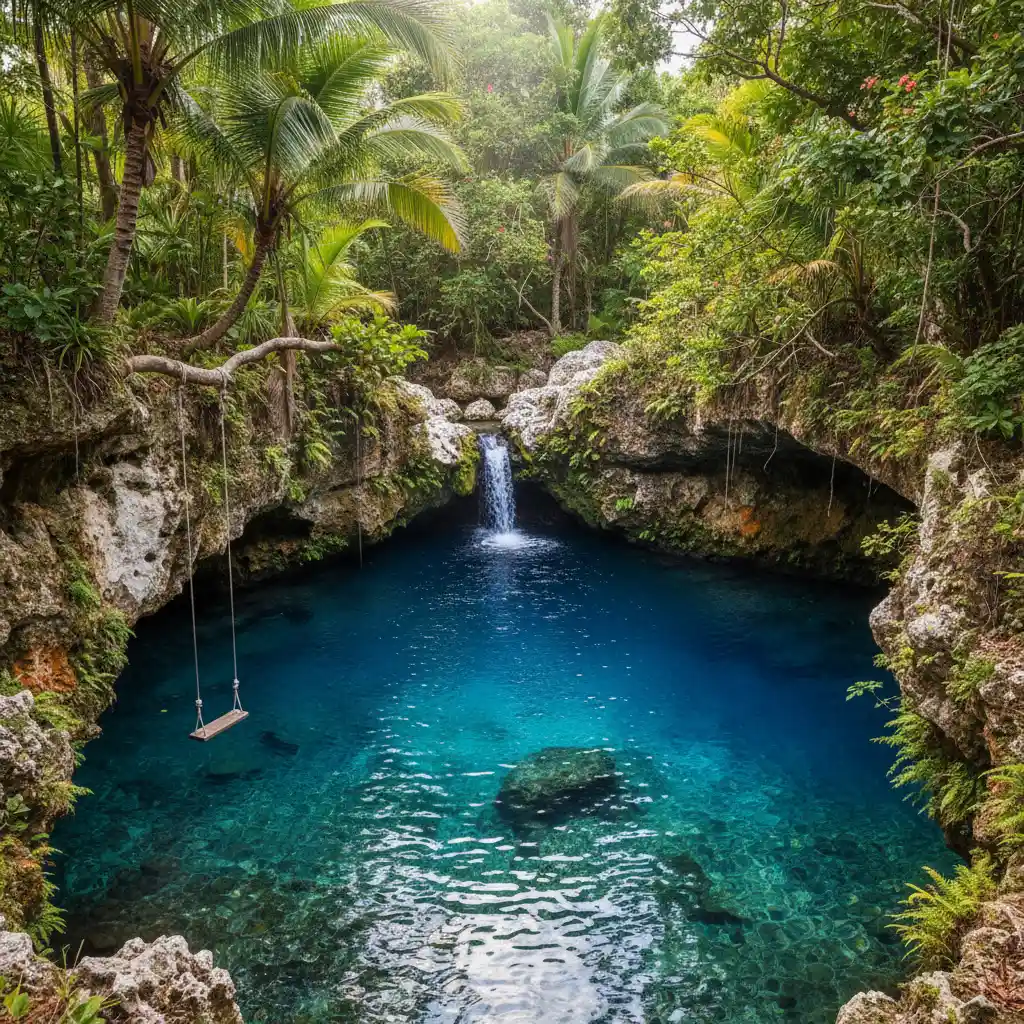
Located in the north, the Blue Hole (Trou Bleu) is a stunning geological formation—a deep pool of fresh water carved into the coral rock. It connects to the ocean underground but appears as a sapphire eye in the middle of the bush. It is a stark contrast to the white sands of the coast and a must-visit for photographers.
Lekiny Cliffs
Visible from the Mouli Bridge, these grey coral cliffs have been sculpted by erosion into fantastic shapes. They are best viewed by boat or from a distance, as they are taboo (sacred) areas and climbing them is forbidden without a customary guide.
Logistics: Getting There and Getting Around
Flight Schedules from Noumea
Travel to Ouvéa is almost exclusively via Air Calédonie departing from Magenta Airport (GEA) in Nouméa, not the international Tontouta Airport. The flight takes approximately 40 minutes.
2025 Travel Tip: Following the civil unrest in mid-2024, flight schedules have stabilized but are less frequent than in previous years. It is imperative to book your inter-island flights immediately after securing your international ticket. Luggage allowances are strict (usually 20kg), so pack light.
Transport on the Island
There is no public bus system. Your options are:
- Rental Cars: There are very few rental cars available on the island. You must book these weeks in advance.
- Hotel Transfers: Most accommodations offer shuttle services from the airport for a fee.
- Scooters/Bicycles: A popular way to see the island, as the road is flat and paved.
Planning Your Trip from New Zealand
For Kiwi travelers, Ouvéa represents the closest true tropical escapism. Here is what you need to know for the 2025 season.
Visas and Entry
New Zealand passport holders do not require a visa for short tourist stays in New Caledonia. However, ensure your passport has at least 3 months of validity past your departure date.
Currency and Cash
The currency is the Pacific Franc (XPF). Crucial Advice: Bring cash to Ouvéa. While Paradis d’Ouvéa accepts credit cards, many tribal stays, small shops, and snack bars operate on cash only. There is only one ATM on the island (in Fayaoué), and if it is out of service, you will be stuck without funds.
Safety and Etiquette
Ouvéa is safe, but customary laws (La Coutume) are paramount. Always ask permission before taking photos of people. Dress modestly when away from the beach. If you are staying in a tribe, it is polite to offer a small gift (a piece of fabric or a small amount of money) to the chief or your host as a gesture of respect.
People Also Ask
What is the best time of year to visit Ouvéa?
The best time to visit Ouvéa is between September and November. This period offers the most pleasant temperatures (23°C – 28°C) and the lowest rainfall. The “cool” season (July-August) is also popular but can be breezy. February and March are the hottest months and carry a higher risk of cyclones.
Is there internet access on Ouvéa Island?
Yes, but it is limited. The 4G network covers the main road and villages like Fayaoué and Mouli. Hotels usually offer Wi-Fi in the lobby, but connection speeds can be slow. It is recommended to buy a local SIM card (OPT) at the airport in Nouméa before flying to the islands.
Can I swim anywhere in Ouvéa?
No. While the 25km beach is mostly open, certain areas are Taboo (sacred). Specifically, swimming under the Mouli Bridge is often restricted, and the Lekiny cliffs area is protected. Always check with your accommodation host about safe and permissible swimming zones.
How do I get from Nouméa to Ouvéa?
The most efficient way is by plane via Air Calédonie from Magenta Airport (domestic). The flight takes 40 minutes. There is also a ferry service (Betico 2), but the crossing takes over 5 hours and can be rough; it is not recommended for those prone to seasickness.
Are there sharks in the Ouvéa lagoon?
Yes, the lagoon is a healthy ecosystem home to Blacktip and Whitetip reef sharks, as well as Lemon sharks. They are generally not aggressive toward swimmers, but standard safety precautions should be taken (do not swim at dawn/dusk or with open wounds). The sharks are often viewed from the Mouli Bridge.
Is Ouvéa safe for tourists in 2025?
Yes, Ouvéa remains a safe destination. While New Caledonia experienced unrest in 2024, the Loyalty Islands were largely insulated from the conflicts on the main island. However, travelers should always check current government travel advisories and respect local customs and curfews if applicable.