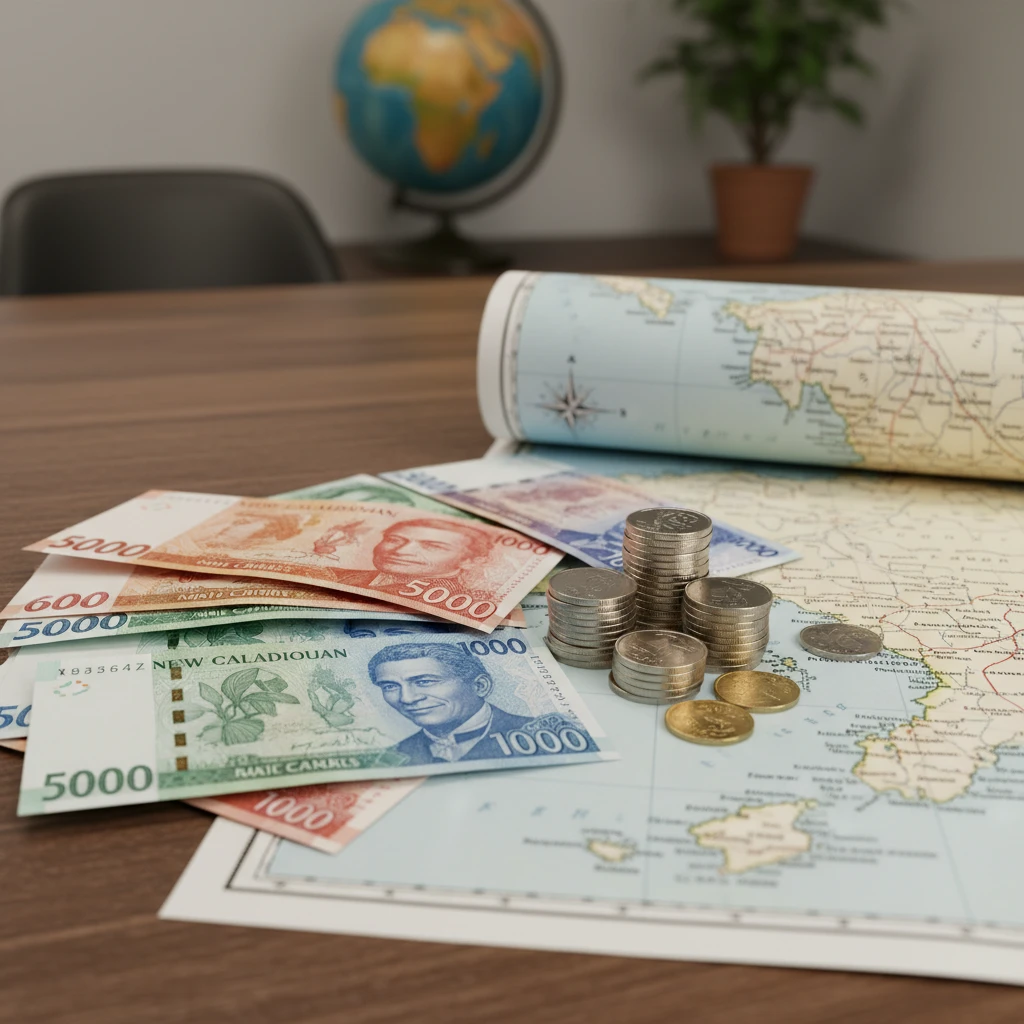
Finance for holiday NZ encompasses various borrowing solutions available to New Zealanders for funding travel, such as unsecured personal loans, credit card installment plans, and Buy Now Pay Later services. These options allow holidaymakers to cover upfront costs for destinations like New Caledonia, repaying the balance over fixed terms with varying interest rates and fees.
Dreaming of the turquoise lagoons of the Isle of Pines or the French Riviera vibe of Noumea? For many Kiwis, a trip to New Caledonia is the ultimate Pacific escape. However, balancing the desire for a luxury getaway with immediate cash flow can be challenging. Whether you are looking to lock in flight specials or secure a bungalow before prices rise, understanding how to finance your holiday responsibly is crucial.
This comprehensive guide explores the financial landscape for New Zealand travelers, analyzing the best ways to fund your Pacific adventure without compromising your long-term financial health.

Understanding Personal Travel Loans in NZ
When searching for finance for holiday NZ, the most traditional route is a personal travel loan. These are lump-sum loans provided by banks, credit unions, or private lenders specifically intended to cover travel-related expenses. Unlike a car loan which is secured by the vehicle, travel loans are typically unsecured, meaning they rely heavily on your credit score and income stability.
Interest Rates and Loan Terms
Interest rates for unsecured travel loans in New Zealand can vary drastically based on the lender and your credit profile. As of late 2023 and moving into 2024, rates typically range from 8.9% p.a. to over 19.95% p.a. regarding unsecured lending.
It is vital to look at the comparison rate or the APR (Annual Percentage Rate), which includes the establishment fees (often between $150 and $250) and monthly service fees. A lower advertised interest rate might mask high administrative costs.
Secured vs. Unsecured Options
While most travel loans are unsecured, homeowners or those with significant assets (like a vehicle) may opt for a secured loan. By using your car as collateral, you can often secure a significantly lower interest rate—sometimes 3-5% lower than unsecured options. However, the risk is tangible: if you default on payments, your asset could be repossessed. For a holiday, most financial advisors recommend sticking to unsecured options to avoid putting essential assets at risk for a discretionary expense.
Peer-to-Peer Lending
In New Zealand, peer-to-peer (P2P) lending platforms like Harmoney or Squirrel have become popular alternatives to traditional banks. These platforms match borrowers with investors. Often, if you have a pristine credit history (a score above 700), P2P lenders can offer competitive rates that undercut the major banks. They often provide a quick online application process, which is ideal if you need to snap up a limited-time travel deal to New Caledonia.
Buy Now Pay Later (BNPL) for Flights and Accommodation
The landscape of finance for holiday NZ has shifted with the explosion of Buy Now Pay Later services. Providers like Afterpay, Zip, and Laybuy are no longer just for retail clothing; they are increasingly integrated into travel booking engines.
How BNPL Works for Travel
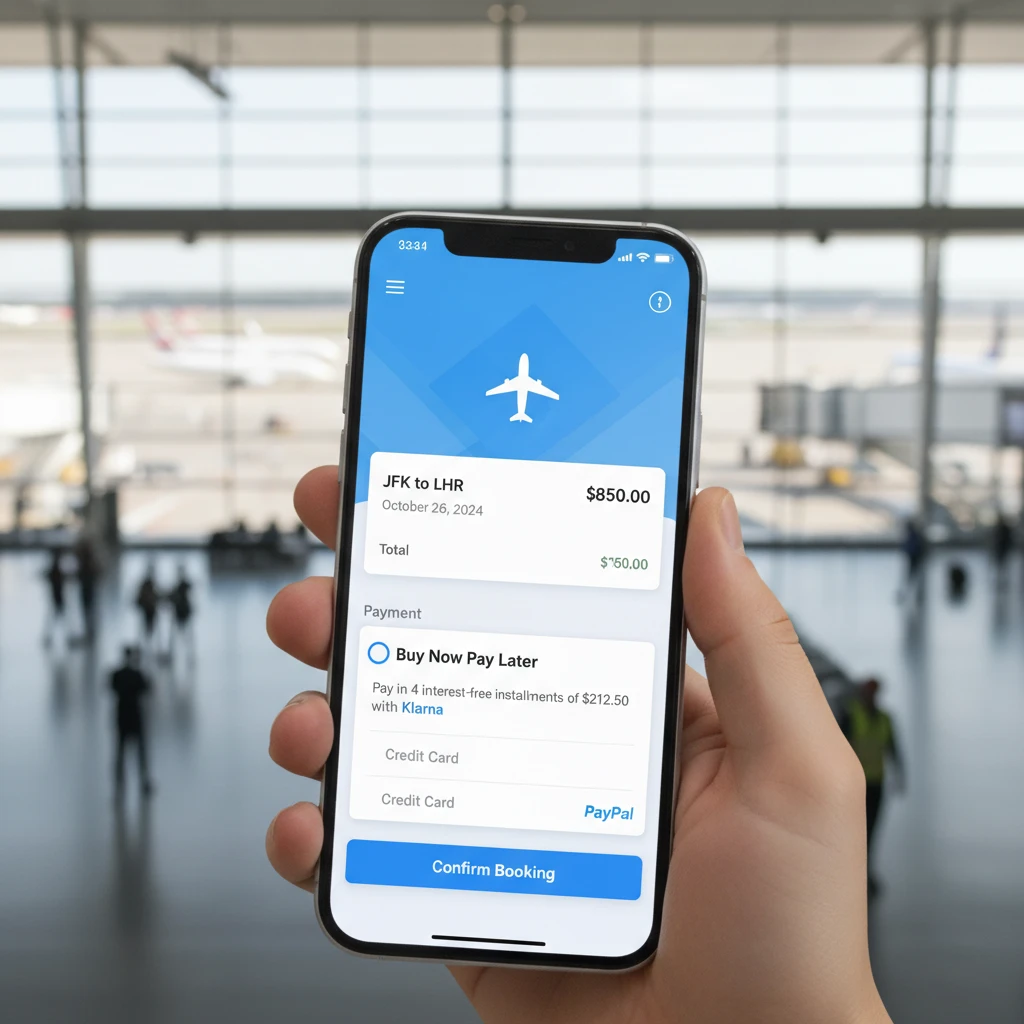
Several travel agencies and airlines operating in New Zealand allow you to split the cost of flights or hotel bookings into four to six weekly or fortnightly interest-free payments. For example, booking a $800 return flight from Auckland to Noumea could be split into four payments of $200.
Pros:
- Interest-Free: As long as you pay on time, there is zero interest.
- Immediate Booking: You can secure your reservation immediately, which is crucial for high-demand seasons in the Pacific.
- No Hard Credit Check: Many BNPL services do not perform a “hard” credit check that impacts your score, though this is changing with new regulations.
Cons:
- Late Fees: Penalties for missed payments can accumulate quickly.
- Spending Creep: It is easy to overcommit by using multiple BNPL services simultaneously.
- Short Repayment Windows: Unlike a travel loan which can be spread over 1-3 years, BNPL usually requires full repayment within 6-8 weeks, which requires significant short-term cash flow.
Maximizing Credit Card Travel Perks
Credit cards remain a staple for international travel, but they can also be a strategic tool for financing your trip if managed correctly.
Interest-Free Days
Many premium New Zealand credit cards offer up to 55 days interest-free on purchases. If you time your booking correctly (at the start of your statement cycle), you effectively get an interest-free short-term loan for nearly two months. This is ideal for booking accommodation or activities in New Caledonia, such as a day trip to the Amedee Lighthouse, allowing you to pay it off with your next couple of paychecks.
Balance Transfers
If you have existing debt or anticipate a large spend, some banks offer low-interest or 0% interest balance transfer deals for 6 to 12 months. You could pay for your holiday on your current card and transfer the balance to a new card to pay it off gradually without accruing interest. Be wary of the “revert rate”—the high interest rate that kicks in once the promotional period ends.
Complimentary Travel Insurance
One of the hidden values of using a premium credit card for finance for holiday NZ purposes is the included travel insurance. Medical costs in New Caledonia can be high for tourists. A comprehensive policy purchased separately might cost $200-$400 for a family. By paying for your flights with an eligible Gold or Platinum credit card, you may receive this cover for free. Always read the policy wording carefully to ensure it covers pre-existing conditions and adventure activities like snorkeling or diving.
Budgeting for New Caledonia: The Real Cost
To effectively finance your holiday, you must have an accurate budget. New Caledonia is often perceived as more expensive than other Pacific destinations like Fiji or Rarotonga due to its French affiliation and currency (CFP Franc).
Currency Considerations
The CFP Franc (XPF) is pegged to the Euro. This means that when the NZD is weak against the Euro, your purchasing power in Noumea decreases. When applying for a travel loan, it is wise to add a 10-15% buffer to your budget to account for currency fluctuations and the generally higher cost of dining and groceries in the territory.
Estimated Costs (NZD)
- Flights: Return economy flights from Auckland typically range from $600 to $1,200 depending on the season.
- Accommodation: A 3-star hotel in Noumea averages $150-$250 per night, while luxury resorts in Isle of Pines can exceed $600 per night.
- Food: A meal at a mid-range restaurant is comparable to Auckland prices, perhaps slightly higher ($30-$50 per main). Supermarket items, particularly imported French cheeses and wines, can be pricey but offer great quality.
Responsible Holiday Financing
While a holiday is good for the soul, it should not be bad for the bank account. New Zealand operates under the Credit Contracts and Consumer Finance Act (CCCFA), which imposes strict responsible lending obligations on lenders. This protects you, the borrower, ensuring you don’t take on unmanageable debt.
The Debt-to-Income Ratio
Before approving finance for holiday NZ applications, lenders will scrutinize your discretionary income. They will look at your bank statements to ensure that loan repayments won’t prevent you from paying rent, utilities, or buying food. If you are already servicing other debts (car loans, credit cards), your borrowing capacity will be reduced.
Impact on Future Borrowing
It is important to remember that a personal loan for travel is considered “bad debt” by mortgage lenders, as it is not for an appreciating asset. If you plan to apply for a mortgage in the next 6-12 months, taking out a travel loan now could reduce the amount a bank is willing to lend you for a home. In this scenario, saving aggressively is a better strategy than borrowing.

Tips for Approval
- Clean up your statements: In the 3 months leading up to your application, minimize unnecessary spending and avoid gambling transactions or overdraft fees.
- Check your credit score: Use free services like Credit Simple or Centrix to check your score. Fix any errors before applying.
- Shop around: Do not just accept the first offer from your main bank. Use comparison websites to check rates from other lenders.
People Also Ask
Can I get a loan specifically for a holiday in NZ?
Yes, most New Zealand banks and private lenders offer “personal loans” that can be used for travel purposes. While they are not labeled exclusively as “holiday loans,” the funds are unrestricted and can be used for flights, accommodation, and spending money.
Is it better to use a credit card or a personal loan for travel?
It depends on the repayment timeline. For short-term repayment (1-3 months), a credit card with interest-free days is superior. For longer-term repayment (12+ months), a personal loan usually offers a much lower interest rate (e.g., 12%) compared to a credit card (e.g., 20%).
Does Afterpay work for flights in NZ?
Yes, travel agents like Webjet and some airlines allow payment via Afterpay or similar BNPL services in New Zealand. This allows you to split the cost of flights into four installments.
How much does a trip to New Caledonia cost from NZ?
For a one-week holiday, budget approximately $2,500 – $3,500 NZD per person. This includes return flights ($800), accommodation ($1,000), food ($700), and activities ($500). Luxury stays will cost significantly more.
Can I get a travel loan with bad credit in NZ?
It is difficult but possible. Some second-tier lenders specialize in bad credit loans, but they charge significantly higher interest rates (often 20-29%). Be very cautious and ensure you can afford the repayments.
Do travel loans cover spending money?
Yes. When you apply for a personal loan, the funds are deposited into your bank account. You can withdraw this as cash, load it onto a travel card, or use it to pay for daily expenses while in New Caledonia.