
Travellers returning to New Zealand from Pacific islands, such as New Caledonia, must declare all food items on their arrival card. While commercially packaged confectionery, roasted coffee, and cooked fruit in sealed jars are generally permitted, fresh produce, meat products, honey, and seeds are strictly prohibited to protect New Zealand’s biosecurity.
New Zealand maintains some of the strictest biosecurity borders in the world. For travellers returning from the Pacific specifically from New Caledonia, knowing the NZ customs food list from Pacific regions is essential to avoid hefty fines, confiscation of expensive souvenirs, or legal prosecution. The Ministry for Primary Industries (MPI) works tirelessly to keep pests and diseases out of the country, and your compliance is mandatory.
The Golden Rule: Declare or Dispose
When you land in New Zealand, you will be handed a Passenger Arrival Card. This is a legal document. False declarations can lead to an instant infringement fee of $400 NZD, and serious breaches can result in prosecution, a criminal record, and fines of up to $100,000 or imprisonment.
The rule is simple: if you are unsure, declare it. Declaring an item does not necessarily mean it will be confiscated; it simply means a biosecurity officer will inspect it to determine if it is safe to enter the country. If you do not declare an item and it is found by X-ray or detector dogs, you will be fined regardless of whether the item is allowed or not.

Permitted Processed Foods: What You Can Bring
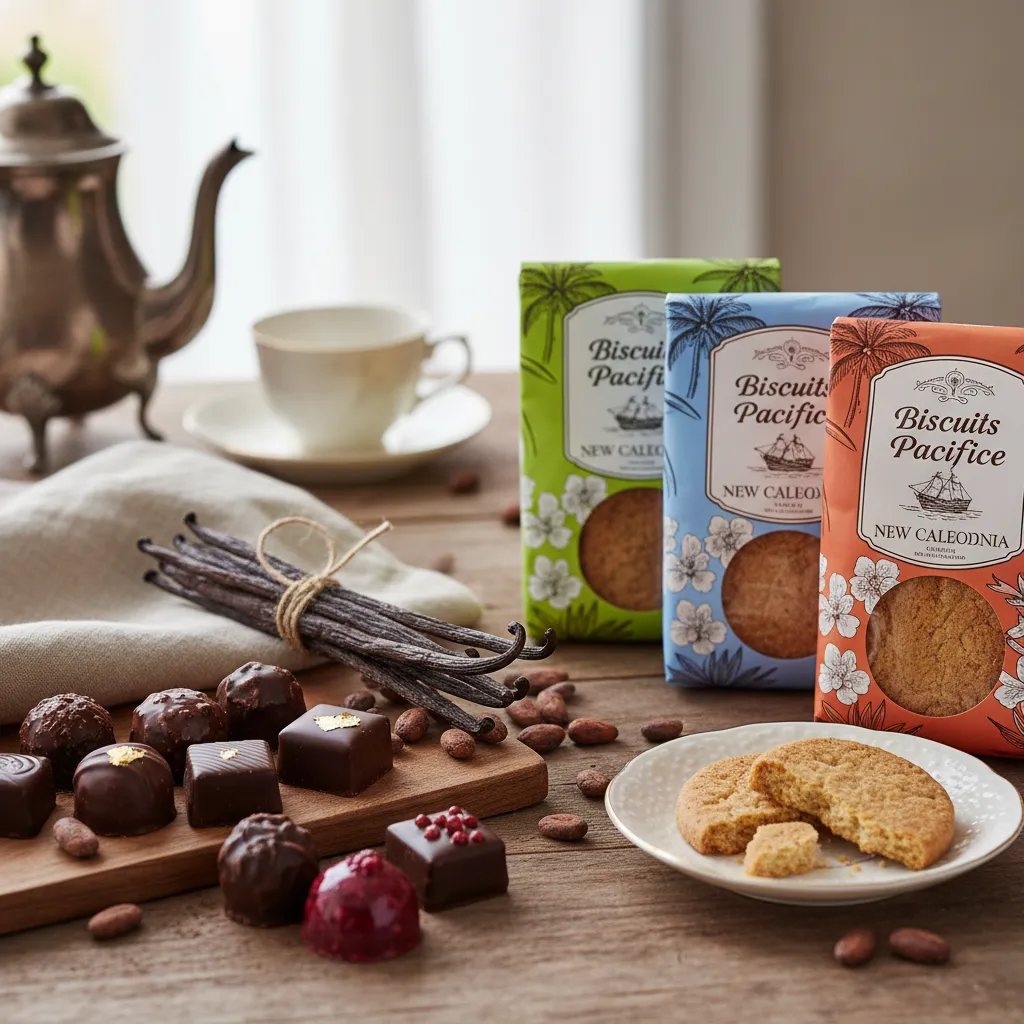
New Caledonia is famous for its French gourmet influence. Fortunately, many of the processed treats you might buy in Nouméa or at local supermarkets are allowed into New Zealand, provided they are commercially packaged and unopened.
Can I bring Chocolate and Confectionery?
Yes. Chocolates, sweets, and confectionery are generally permitted. This is excellent news for travellers bringing back high-quality French chocolates or locally made sweets from New Caledonia. The key requirement is that they must be commercially prepared and packaged. Homemade sweets may be subject to closer inspection or confiscation.
Coffee and Tea
Roasted coffee beans, ground coffee, and commercially packaged tea bags are permitted. New Caledonia produces some excellent coffee, and bringing this back as a gift is usually hassle-free. However, green (unroasted) coffee beans are often restricted or require specific treatment because they can carry pests.
Biscuits and Bakery Items
Biscuits, crackers, and cakes that do not contain fresh cream, meat, or honey are typically allowed. If you have bought packaged French sablés or other dry biscuits, these are safe to bring. Fresh bakery items like sandwiches or pastries containing fresh fruit, custard, or meat should be consumed before you land or disposed of in the amnesty bins.
Spices and Vanilla
The Pacific is renowned for vanilla, particularly from the Loyalty Islands. Dried vanilla beans are generally permitted if they are clean and free of fungal damage. Ground spices and spice mixes are also allowed if commercially packaged. Fresh spices or plant material intended for planting are strictly prohibited.
Fresh Fruit and Vegetable Bans
This is the most critical category for Pacific travellers. New Zealand is free from many pests that devastate agriculture elsewhere, such as the Queensland Fruit Fly. Consequently, the regulations on fresh produce are absolute.
Why is Fresh Fruit Prohibited?
Fresh fruit and vegetables can harbour fruit fly larvae and other pests inside the flesh, where they cannot be seen. A single piece of infected fruit could devastate New Zealand’s multi-billion dollar horticulture industry. Therefore, no fresh fruit or vegetables can be brought into New Zealand from the Pacific.
Common Prohibited Items
Travellers often attempt to bring the following items, all of which will be confiscated and destroyed:
- Mangoes and Papayas: Common in the Pacific but strictly banned.
- Citrus Fruits: Oranges, limes, and grapefruits.
- Fresh Coconut: While processed coconut is okay, whole coconuts or fresh meat can be restricted.
- Taro and Yams: Fresh tubers are generally banned due to soil and nematodes. Frozen or cooked taro is usually acceptable but must be declared.
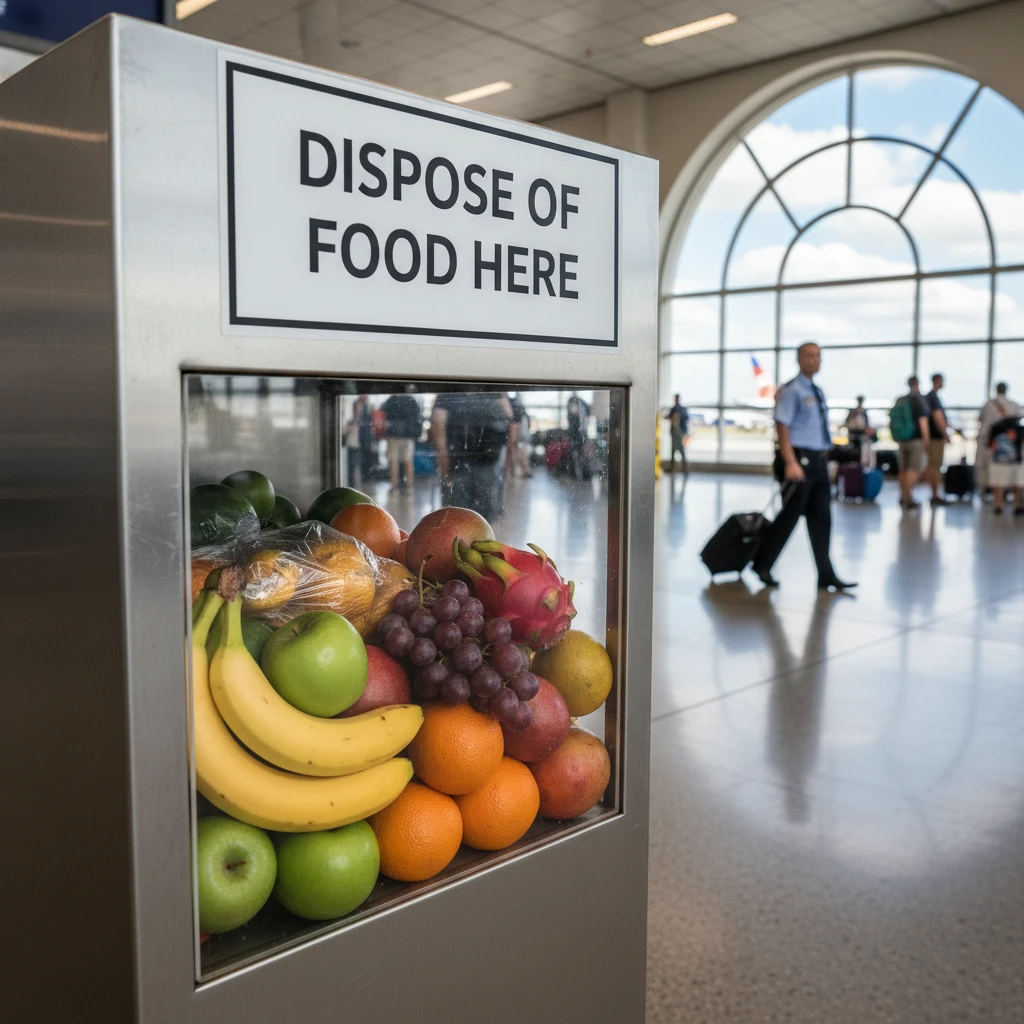
If you have fruit in your hand luggage that you intended to eat on the plane, you must throw it in the amnesty bins located in the airbridge or arrival hall before you reach the customs and biosecurity screening area.
Meat, Dairy, and Honey Restrictions
Animal products pose a high risk of introducing diseases like Foot and Mouth Disease (FMD) or damaging New Zealand’s bee population.
Is Honey Allowed?
Generally, no. Honey and bee products (including pollen, beeswax, and honeycomb) are strictly regulated. New Zealand has a massive manuka honey industry, and imported honey can carry diseases like American Foulbrood. Unless you have specific documentation proving the honey has been heat-treated to a commercial standard acceptable to MPI, it will be confiscated. It is safer to leave honey in the Pacific.
Meat Products (Saucisson and Pâté)
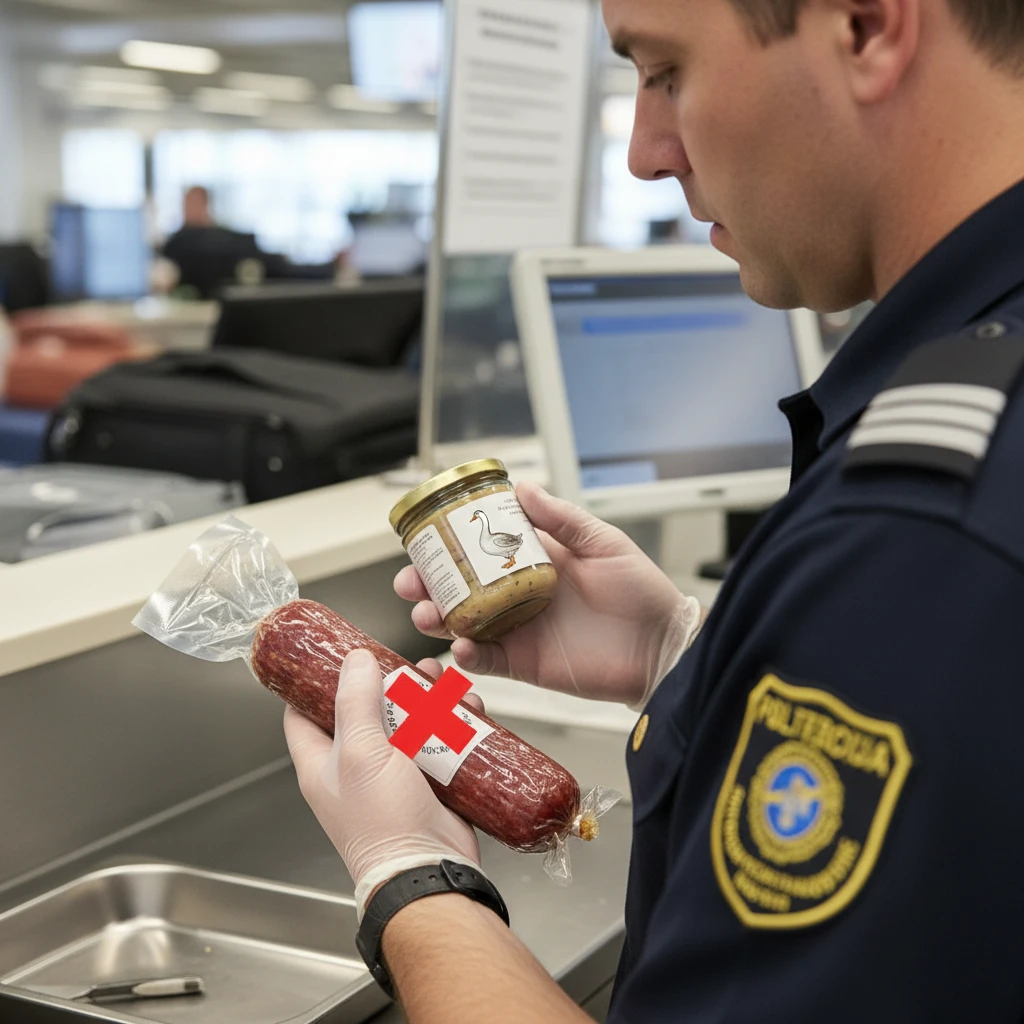
For travellers returning from New Caledonia, this is a common pain point. French cured meats (saucisson) and pâtés are delicious but highly restricted.
- Fresh or Cured Meat: Salami, sausages, and ham are generally prohibited coming from the Pacific. Even vacuum-sealed cured meats often do not meet the strict heating requirements.
- Canned/Retorted Meat: Meat products that are commercially canned (shelf-stable without refrigeration) are usually permitted. If you buy pâté in a glass jar or tin that does not require refrigeration before opening, it is likely acceptable, but you must declare it for inspection.
Cheese and Dairy
Dairy products follow similar rules. Hard cheeses and processed cheeses that are commercially packaged are often allowed. Soft cheeses or fresh milk products may face restrictions depending on their origin and processing. Always declare cheese so an officer can verify the packaging and type.
Duty-Free Allowances and Alcohol
While not a biosecurity risk, alcohol and tobacco are subject to Customs duty and tax limits. When arriving in New Zealand, you are entitled to specific duty-free concessions.
Alcohol Limits
If you are aged 17 or over, you can bring in:
- 4.5 litres of wine or beer (equivalent to six 750ml bottles of wine).
- AND 3 bottles of spirits or liqueur (each bottle can hold up to 1.125 litres).
Since New Caledonia offers excellent French wines and Champagne at duty-free prices, many travellers maximise this allowance. If you exceed these limits, you will have to pay GST and duty on the excess.
Tobacco Limits
The tobacco allowance is very strict. You can bring:
- 50 cigarettes, OR
- 50 grams of tobacco products (including loose tobacco and cigars), OR
- A mixture of both not exceeding 50 grams.
Note: This limit was reduced significantly in recent years. Bringing in 200 cigarettes (a carton) will result in significant tax payments.
Cultural Items and Souvenirs
Food isn’t the only thing that concerns biosecurity. Souvenirs made from natural materials can also harbour pests.
Wooden Items and Carvings
Wooden carvings, common in Pacific markets, must be free of bark, insects, and holes (borer). If an officer finds signs of insect activity, the item may need to be treated (fumigated) at your expense, or destroyed.
Woven Mats and Bags
Items woven from pandanus or flax are generally allowed if they are clean, dry, and free of seeds or soil. However, fresh green weaving materials are prohibited.
Shells and Coral
Shells must be completely clean and free of animal tissue. Some coral and large shells (like Queen Conch or Giant Clam) are protected under CITES (Convention on International Trade in Endangered Species) and require special permits to import. Without a permit, they will be seized.
The Biosecurity Arrival Process
Understanding the flow of the arrival process can reduce stress.
- Passport Control: You clear immigration.
- Baggage Claim: Collect your checked luggage.
- The Declaration: You will approach the MPI biosecurity area. An officer will ask to see your arrival card. They will ask you specifically about food. Answer honestly.
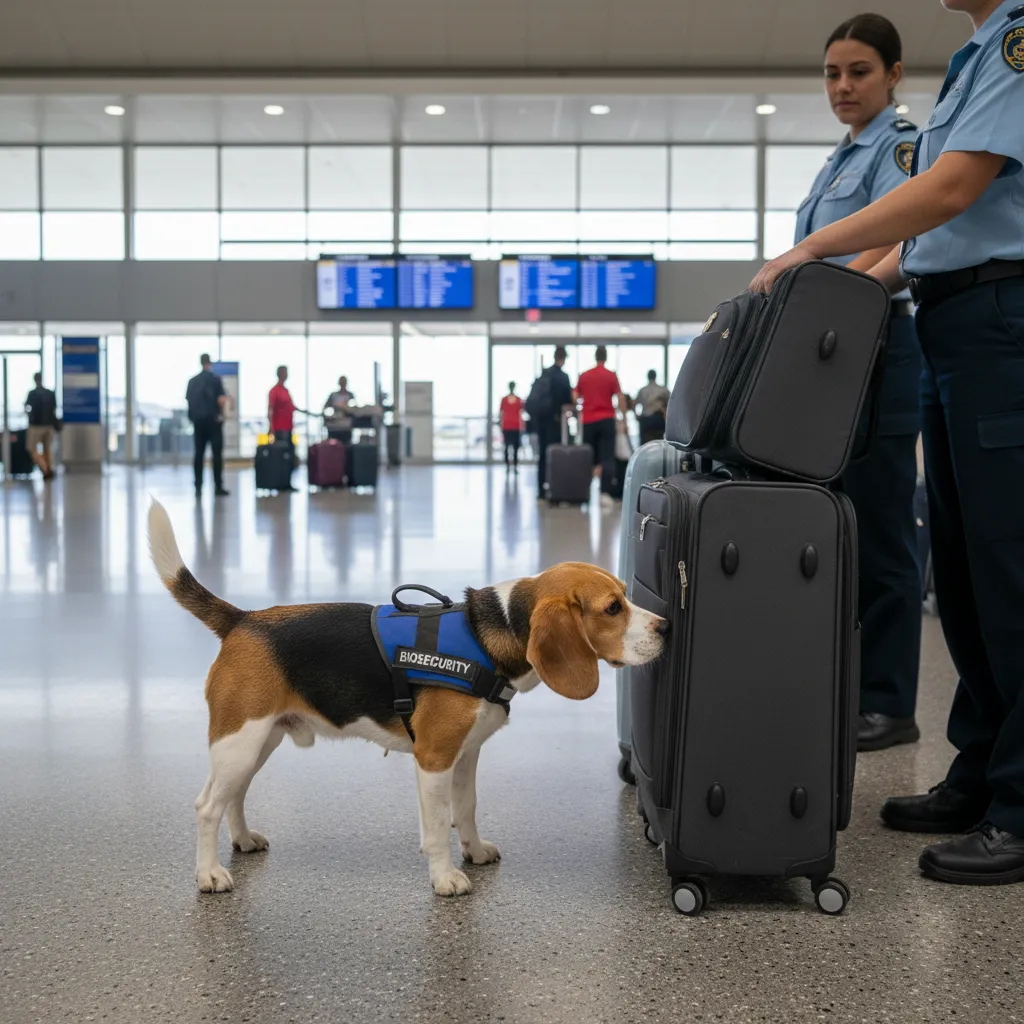
- Screening: Your bags will likely be put through an X-ray machine. You may also be sniffed by a detector dog. These dogs are trained to find fruit, meat, sandwiches, and cash.
- Inspection: If you have declared items, an officer will ask you to open your bag. They will look at the item. If it is permitted (e.g., a block of chocolate), they will let you go. If it is prohibited (e.g., a mango), they will take it for destruction. If it is declared, there is no fine.
People Also Ask
Can I bring French cheese from New Caledonia to NZ?
Yes, in most cases. Hard cheeses and commercially packaged processed cheeses are generally permitted. The cheese must be in its original sealed packaging. Soft cheeses may be subject to stricter scrutiny, so always declare them for inspection.
What food items are strictly prohibited in New Zealand?
Strictly prohibited items include fresh fruit and vegetables, fresh meat and fish, honey and bee products, eggs, and fresh plant cuttings or seeds intended for planting. These pose significant biosecurity risks.
Do I have to declare chocolate at NZ Customs?
Yes. You must tick “Yes” to the food question on your arrival card if you are carrying chocolate. However, commercially packaged chocolate is permitted and will be cleared by the officer quickly after a visual check.
Can I bring vanilla beans into New Zealand?
Yes, dried vanilla beans are generally permitted provided they are clean and free of fungal diseases or pests. They must be declared. Fresh vanilla plant material for planting is prohibited.
What is the fine for not declaring food in NZ?
If you fail to declare food items that are found in your luggage, you face an instant infringement fine of $400 NZD. Serious or deliberate breaches can lead to prosecution and much higher fines.
Can I bring canned pâté or foie gras?
Usually, yes. Meat products that are commercially canned or retorted (shelf-stable without refrigeration) are generally allowed. They must be in their original sealed tins or jars. Fresh or vacuum-packed pâté that requires refrigeration is usually banned.