
NZ Ministry for Primary Industries customs regulations require all travellers arriving from New Caledonia to declare or dispose of risk items. These rules protect New Zealand’s unique environment and economy from foreign pests and diseases. Failure to declare restricted items like food, plants, or animal products can result in immediate fines and legal action.
What are the MPI rules for Pacific travellers?
The NZ Ministry for Primary Industries customs protocols are among the strictest in the world. For New Zealanders returning from a tropical getaway in New Caledonia, understanding these rules is vital before you even pack your bags in Nouméa. The primary legislation governing these entries is the Biosecurity Act 1993, which mandates that every person entering New Zealand must report any ‘risk goods’ they are carrying.
New Caledonia, while a close neighbor, hosts a variety of pests and diseases that are not present in New Zealand. These include specific fruit flies, plant pathogens, and animal diseases that could devastate New Zealand’s multi-billion dollar primary industry sector. The MPI rules apply to all items regardless of whether they were purchased at a luxury boutique in Anse Vata or a local market in the Loyalty Islands.
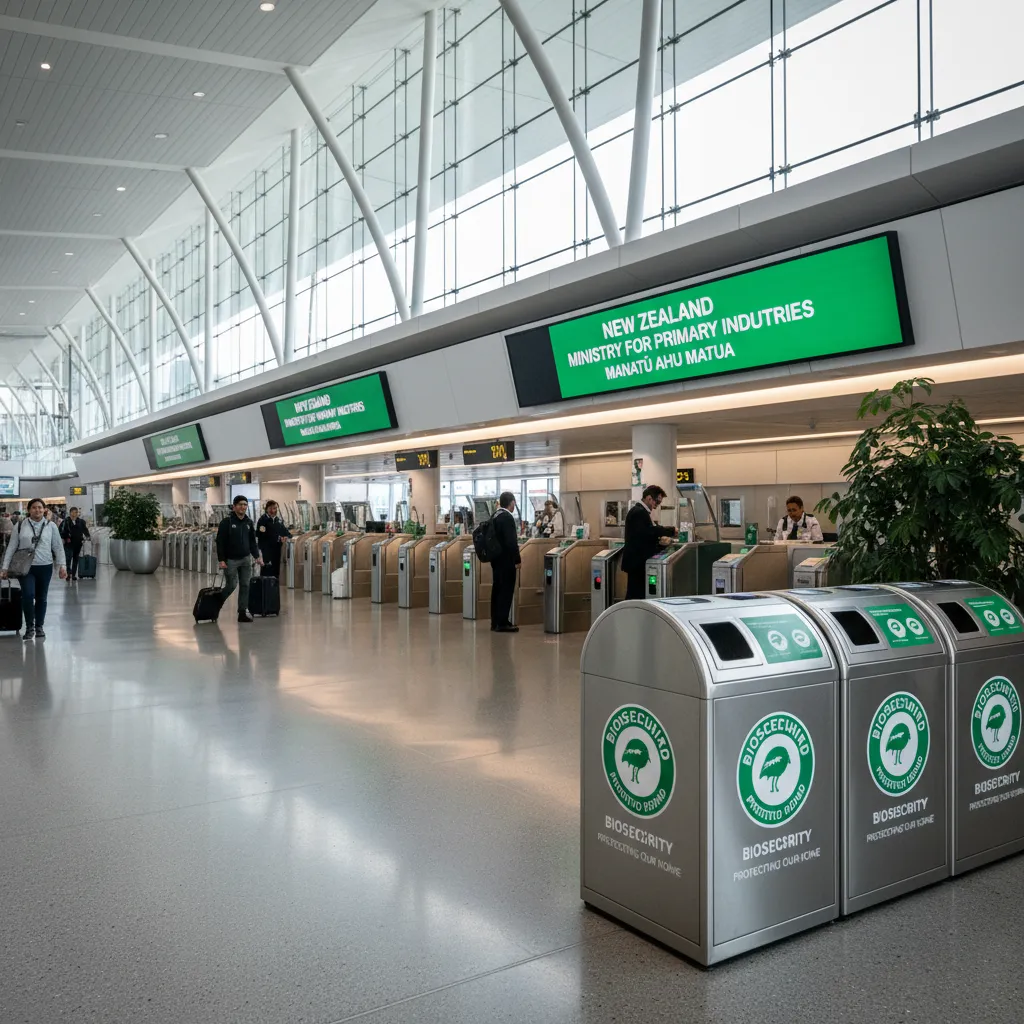
Identifying Biosecurity Risk Items
Risk items are broadly categorized into four groups: food, plant products, animal products, and other high-risk items like used outdoor equipment. Even if an item is commercially packaged, it may still be considered a risk depending on its ingredients and processing method. For instance, meat products from the Pacific are often strictly prohibited due to the risk of Foot and Mouth Disease (FMD), even if they are canned or vacuum-sealed.
How to declare food and souvenirs from New Caledonia?
When you are flying back from La Tontouta International Airport to Auckland, Wellington, or Christchurch, you will be handed a Passenger Arrival Card. This is a legal document. The NZ Ministry for Primary Industries customs officers use this card as your primary declaration. If you are unsure about an item, the golden rule of New Zealand biosecurity is: “Declare it or dispose of it.”
New Caledonia is famous for its vanilla, coffee, and honey. While these are popular souvenirs, they are subject to scrutiny. Vanilla beans must be dried and commercially prepared. Honey is generally prohibited from entering New Zealand due to the risk of introducing European foulbrood or other bee diseases. If you bring honey from New Caledonia, you must declare it, and it will likely be confiscated and destroyed.
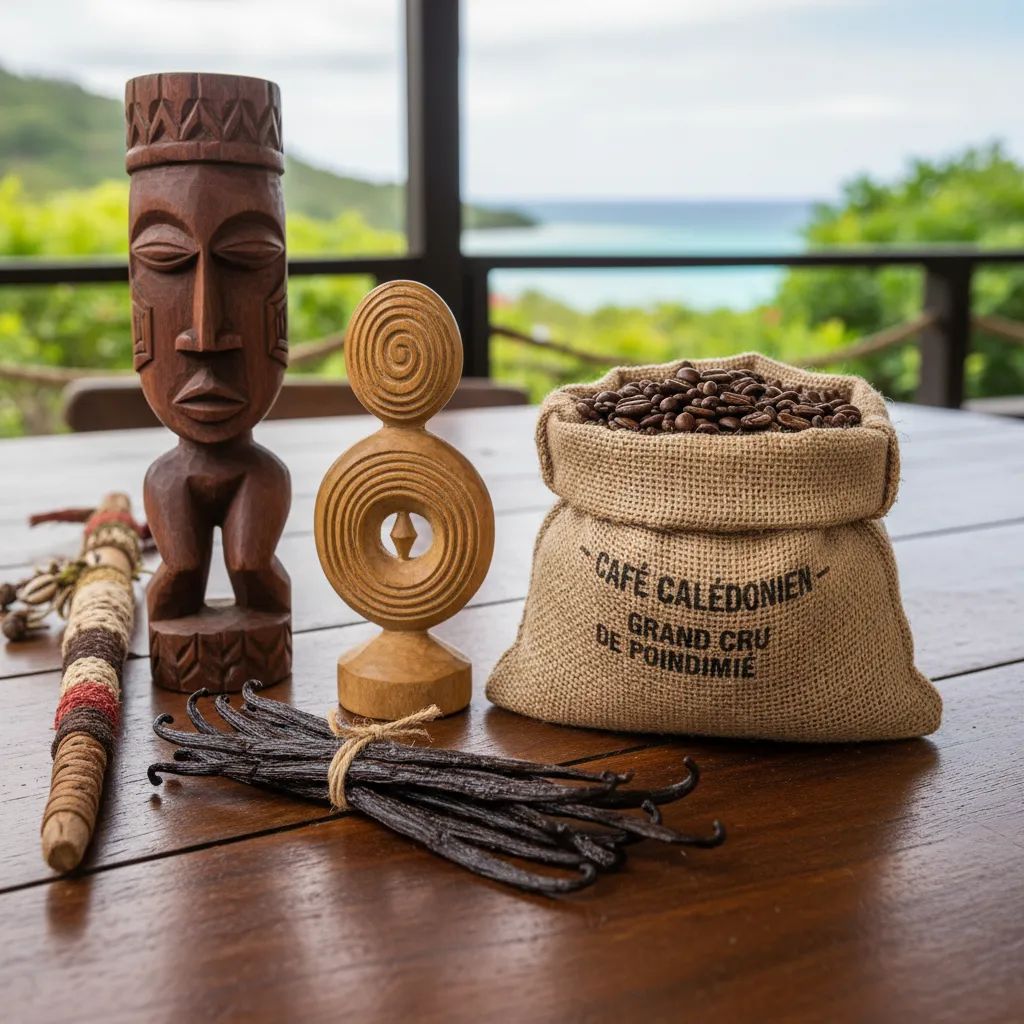
Souvenirs and Cultural Artifacts
Traditional Kanak carvings and items made of wood, bone, or greenstone (jade) are common purchases. Wood items must be free of bark and show no signs of insect infestation (such as small holes or sawdust-like ‘frass’). If an officer detects insects, the item may require expensive fumigation at your expense, or it may be destroyed. Shells collected from New Caledonian beaches must be completely clean, dry, and free of any sand, salt, or tissue.
What are the fines and penalties for biosecurity breaches?
The NZ Ministry for Primary Industries customs enforcement is rigorous. If you fail to declare a risk item on your Passenger Arrival Card and it is subsequently found by an officer, an X-ray, or a detector dog, you will face an immediate infringement fine. Currently, the standard instant fine is NZD $400. This is a non-negotiable penalty for providing a false declaration.
For more serious breaches—such as intentionally smuggling prohibited goods or bringing in large quantities of restricted items for sale—the penalties are significantly higher. Individuals can face fines of up to NZD $100,000 and a prison sentence of up to five years. Furthermore, non-residents may have their visas cancelled and be deported on the next available flight. It is important to note that paying the $400 fine does not grant you the right to keep the prohibited item; the item will still be seized and destroyed.

What is on the ‘Safe List’ for Kiwis?
While the rules seem daunting, many items are perfectly safe to bring back from New Caledonia. The NZ Ministry for Primary Industries customs maintains a ‘safe list’ of items that generally do not pose a biosecurity risk, provided they are declared and inspected. Commercially manufactured chocolate, confectionery, and roasted coffee beans are typically allowed. However, green (unroasted) coffee beans are strictly prohibited.
Cooked or processed foods that do not contain meat or high levels of dairy are often cleared. For example, baked goods like biscuits or cakes from a Nouméa patisserie are usually fine, provided they don’t contain fresh fruit or meat fillings. Dried spices are also generally permitted, as long as they are free of seeds and commercially packaged. Always remember that the final decision rests with the biosecurity officer on duty.
Camping and Hiking Gear
If you have been hiking in the Blue River Provincial Park or camping along the coast, your gear is a potential carrier for soil-borne diseases and weed seeds. Boots, tents, and trekking poles must be meticulously cleaned before you leave New Caledonia. If MPI officers find dirt or organic matter on your equipment, they will require it to be cleaned at the airport, which can cause significant delays to your journey home.
What is the arrival process at NZ airports?
Upon landing in New Zealand, you will first pass through Passport Control. After collecting your luggage, you will enter the biosecurity screening area. Here, you will hand your Passenger Arrival Card to an MPI officer. They will ask you specific questions about the items you have declared. Be honest and detailed in your answers.
Following the interview, your bags will likely go through an X-ray machine. These machines are calibrated to detect organic matter, including fruit, seeds, and meat. In many cases, detector dogs will also be patrolling the area. These dogs are trained to sniff out even the smallest traces of food or plant material. If you are cleared, you can exit into the arrivals hall. If an item requires further inspection, you will be directed to a secondary search area.

Why Biosecurity Matters for New Zealand
New Zealand’s isolation has allowed a unique ecosystem to evolve, free from many of the pests that plague other parts of the world. The NZ Ministry for Primary Industries customs system is the first line of defense against threats like the Brown Marmorated Stink Bug, which could destroy the kiwifruit and wine industries, or the Fruit Fly, which would devastate the local produce market. By following the rules when returning from New Caledonia, you are playing a direct role in protecting New Zealand’s natural beauty and economic stability.
The logistics of biosecurity are complex, but the responsibility of the traveller is simple: be aware of what is in your bag, fill out your declaration card accurately, and when in doubt, talk to an officer. Your cooperation ensures that the South Pacific remains a safe and beautiful region for everyone to enjoy.
People Also Ask
Can I bring back shells from New Caledonia to NZ?
Yes, you can bring back shells, but they must be declared. They must be completely clean, dry, and free from any organic matter, sand, or dead organisms. Endangered species may require CITES permits.
Is New Caledonian honey allowed in New Zealand?
No, honey and bee products from New Caledonia are generally prohibited to protect New Zealand’s bee population from foreign diseases. It must be declared and will likely be confiscated.
What happens if I forget to declare an apple?
If an undeclared apple is found in your bag, you will likely receive an immediate $400 infringement fine, even if it was an honest mistake. Always check your bags thoroughly before landing.
Can I bring wooden carvings from Nouméa?
Yes, but they must be declared. They will be inspected for bark and signs of boring insects. If they are clean and processed, they are usually allowed through.
Do I need to clean my hiking boots before returning to NZ?
Yes, all outdoor equipment, including hiking boots and tents, must be free of soil and seeds. It is best to clean them thoroughly in New Caledonia before your flight.
Are commercially packaged snacks from New Caledonia okay?
Most commercially packaged snacks like chips or crackers are fine, but they must still be declared on your arrival card under the food category for inspection.