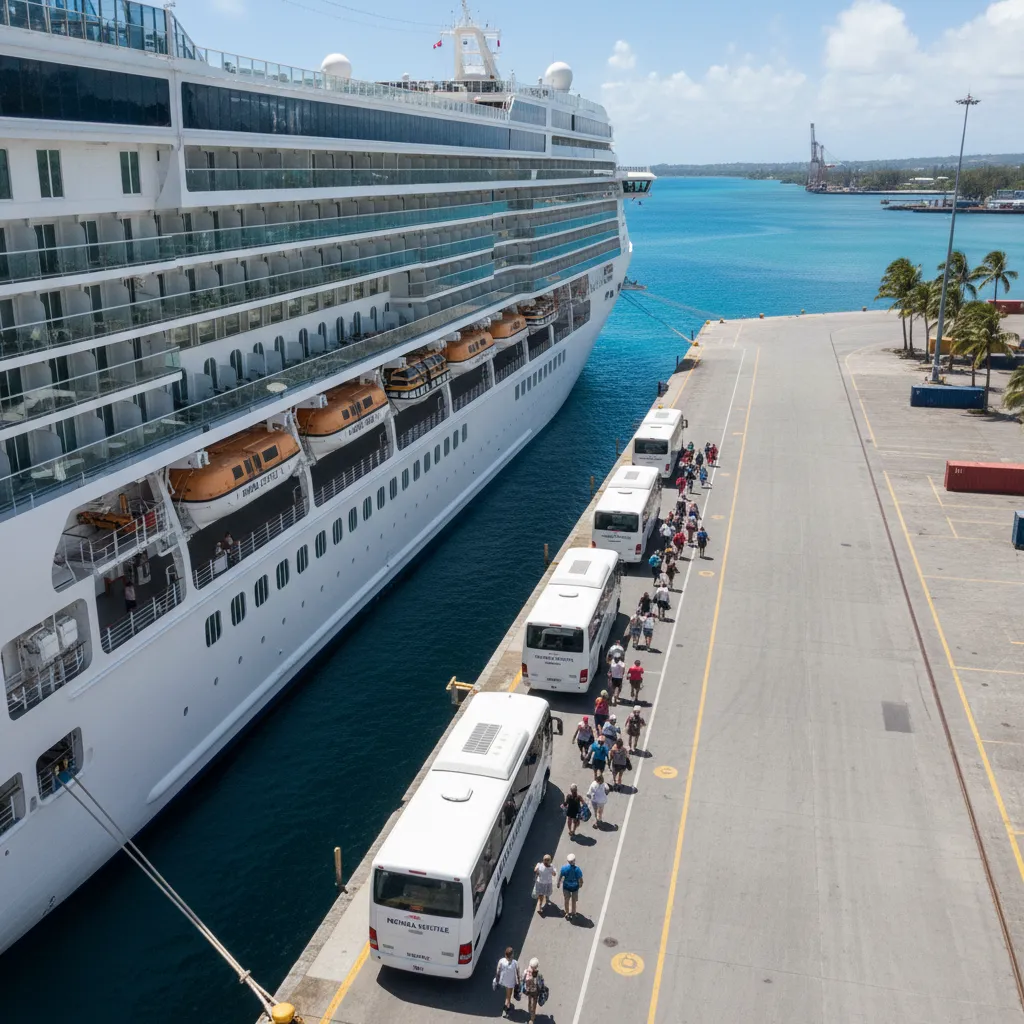
The top Nouméa city centre attractions include the vibrant Place des Cocotiers, the historic St. Joseph’s Cathedral, and the cultural hub of Chinatown. Visitors can also explore colonial-era architecture and the Museum of New Caledonia, all easily accessible via a self-guided walking tour through the city’s charming, grid-aligned streets.
What is Place des Cocotiers?
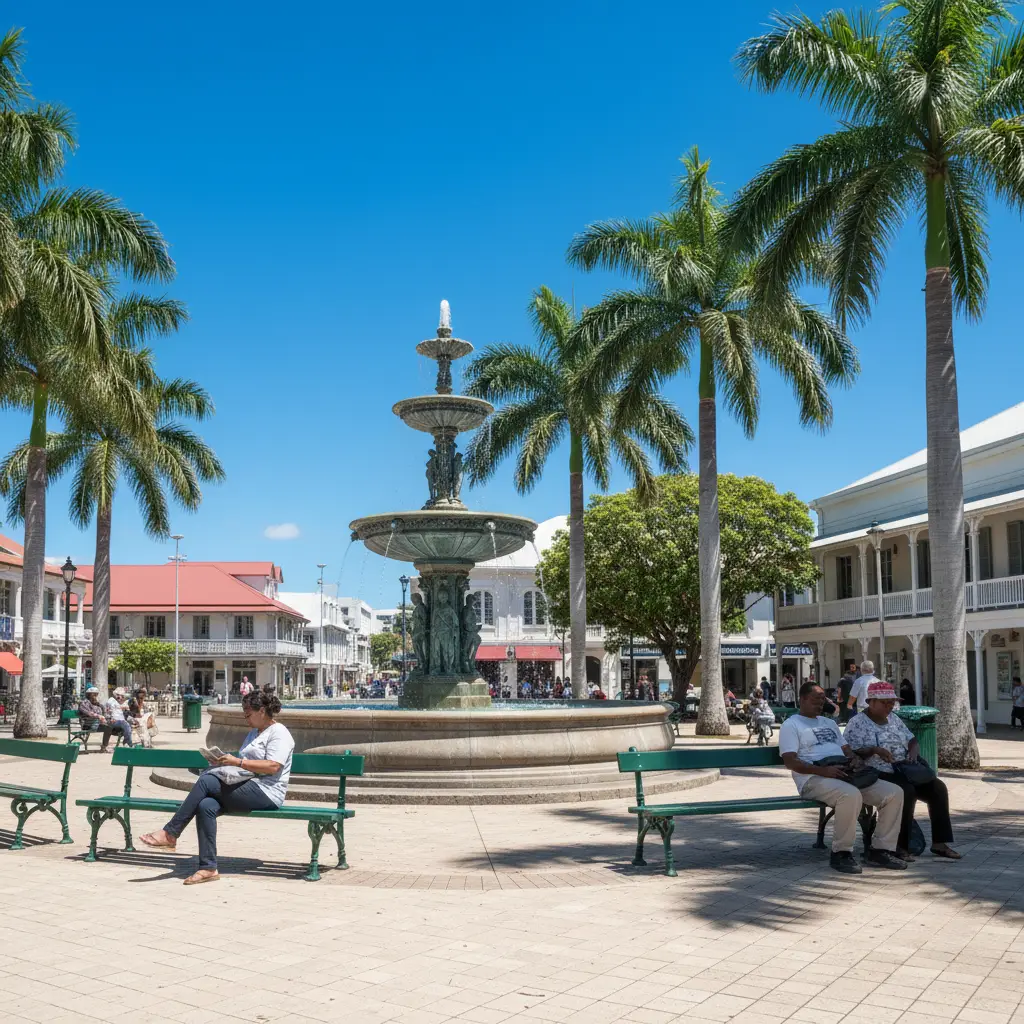
At the very heart of Nouméa lies the Place des Cocotiers, a sprawling four-block plaza that serves as the city’s social and cultural epicenter. For any traveler starting their exploration of Nouméa city centre attractions, this is the logical first stop. Spanning nearly four hectares, the square is not just a single park but a series of interconnected spaces, each with its own distinct character and historical significance. Originally designed in the late 19th century, the square has witnessed the evolution of New Caledonia from a penal colony to a modern Pacific hub.
The Four Squares of Place des Cocotiers
The plaza is divided into four distinct sections. At the western end, you find the Place Feillet, which is home to the iconic music kiosk (kiosque à musique) built in 1879. This ornate structure still hosts live performances and community events, echoing the French colonial era’s penchant for public entertainment. Moving eastward, the Place Courbet features the Fontaine Céleste, a beautiful white stone fountain that serves as the zero-mile marker for all roads in New Caledonia. This fountain is a favorite spot for photographers and a common meeting point for locals.
The central portion, Place de la Marne, often hosts open-air markets and flea markets (brocantes) where you can find everything from French antiques to local Kanak handicrafts. Finally, the easternmost section, Place Olry, features a statue of Commandant Olry and provides a more shaded, tranquil environment perfect for escaping the midday tropical sun. For New Zealanders used to the structured parks of Auckland or Wellington, the Place des Cocotiers offers a familiar yet distinctly Gallic atmosphere, where the smell of fresh baguettes from nearby boulangeries wafts through the air.
Why visit St. Joseph’s Cathedral?
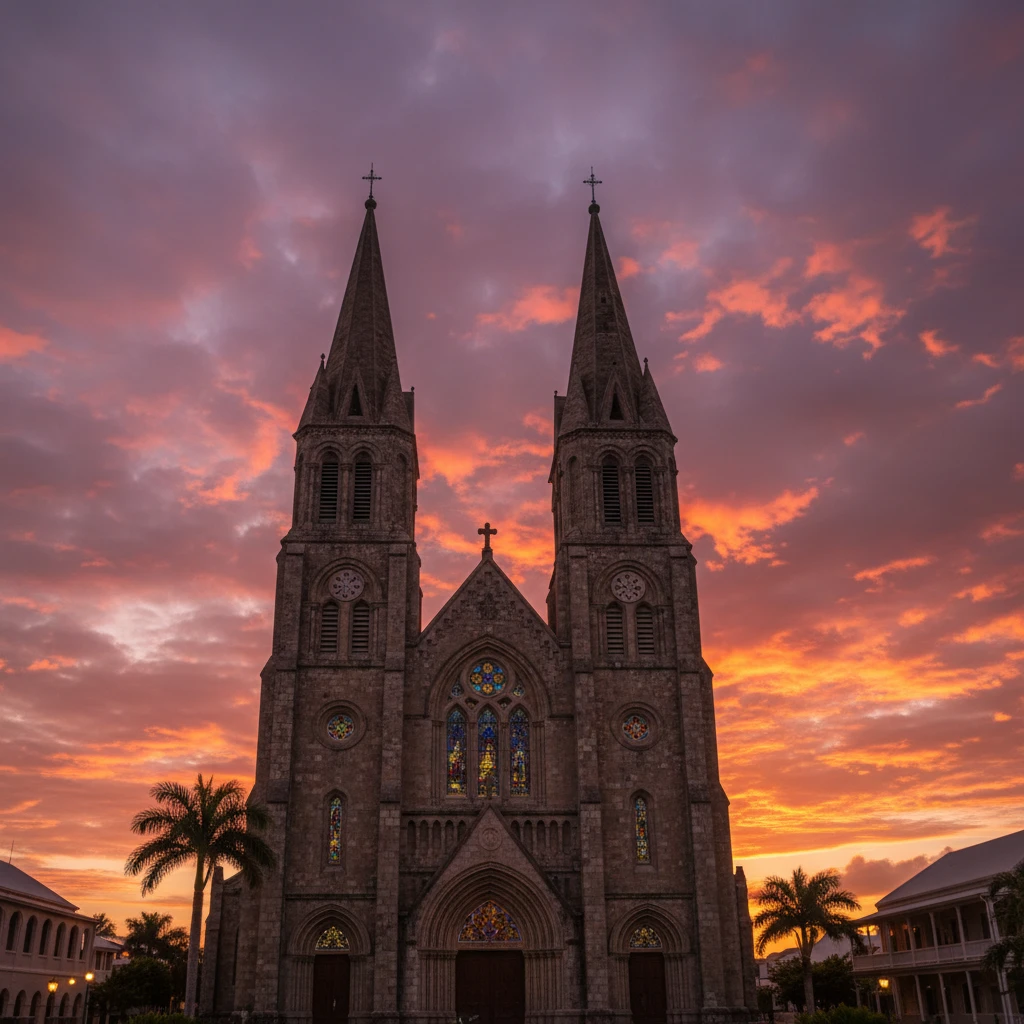
Perched on a hill overlooking the town, St. Joseph’s Cathedral (Cathédrale Saint-Joseph de Nouméa) is one of the most prominent Nouméa city centre attractions. Its twin towers are visible from almost anywhere in the harbor, serving as a spiritual and navigational landmark since its construction began in 1887. The cathedral was built using convict labor, a common practice in New Caledonia’s early colonial history, and it took ten years to complete. The architecture is a striking example of Neo-Gothic style, adapted for the Pacific climate with thick stone walls and high ceilings to maintain a cool interior.
Architectural Highlights and Interior Beauty
Upon entering the cathedral, visitors are greeted by a sense of serenity and grandeur. The interior features beautiful stained-glass windows that filter the bright Pacific light into a kaleidoscope of colors across the nave. One of the most unique aspects of the cathedral is the use of local materials; the woodwork, including the pews and the altar, is crafted from indigenous New Caledonian timber, showcasing the skill of 19th-century artisans. The organ, imported from France, is still used during services and provides an acoustic experience that rivals many European cathedrals. For those willing to make the short uphill walk from Place des Cocotiers, the cathedral grounds also offer a panoramic view of the Nouméa skyline and the turquoise waters of the lagoon beyond.
Exploring Chinatown and Colonial Architecture
Nouméa’s Chinatown, located primarily along Rue de l’Alma and Rue de Verdun, offers a fascinating glimpse into the multicultural fabric of the city. Unlike the sprawling Chinatowns of Sydney or San Francisco, Nouméa’s version is compact but rich in history. The presence of the Chinese community dates back to the late 19th and early 20th centuries, when many arrived to work in the island’s booming nickel mines. Today, the area is marked by traditional red gates and a variety of shops selling Asian spices, textiles, and curios. It is a vibrant part of the Nouméa city centre attractions, providing a sharp contrast to the surrounding French-style boutiques.
The Legacy of Colonial Architecture
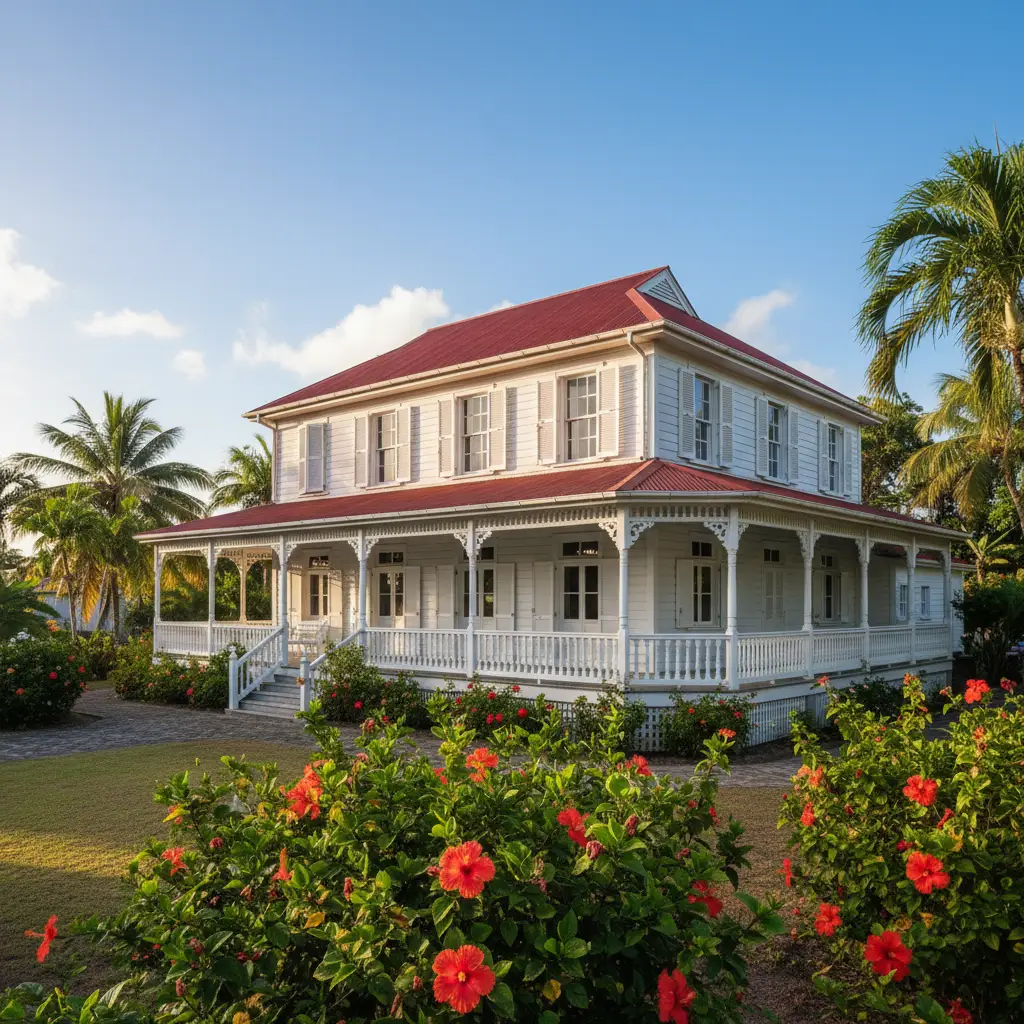
Interspersed throughout the city centre and the adjacent Quartier Latin are stunning examples of colonial architecture. These buildings, known as “maisons coloniales,” are characterized by their wide verandas, intricate fretwork (lambrequins), and high-pitched roofs designed to encourage airflow. One of the best-preserved examples is the Maison Célières in the nearby Faubourg Blanchot, though many smaller examples can be found right in the city centre. These structures represent a time when Nouméa was a burgeoning port town, blending European design with tropical necessity. Walking past these homes, you can almost imagine the colonial officials and merchants of the early 1900s enjoying a pastis on their shaded porches. The preservation of these buildings is a priority for the local government, as they form a vital link to the city’s complex past.
The Museum of New Caledonia (MUZ)
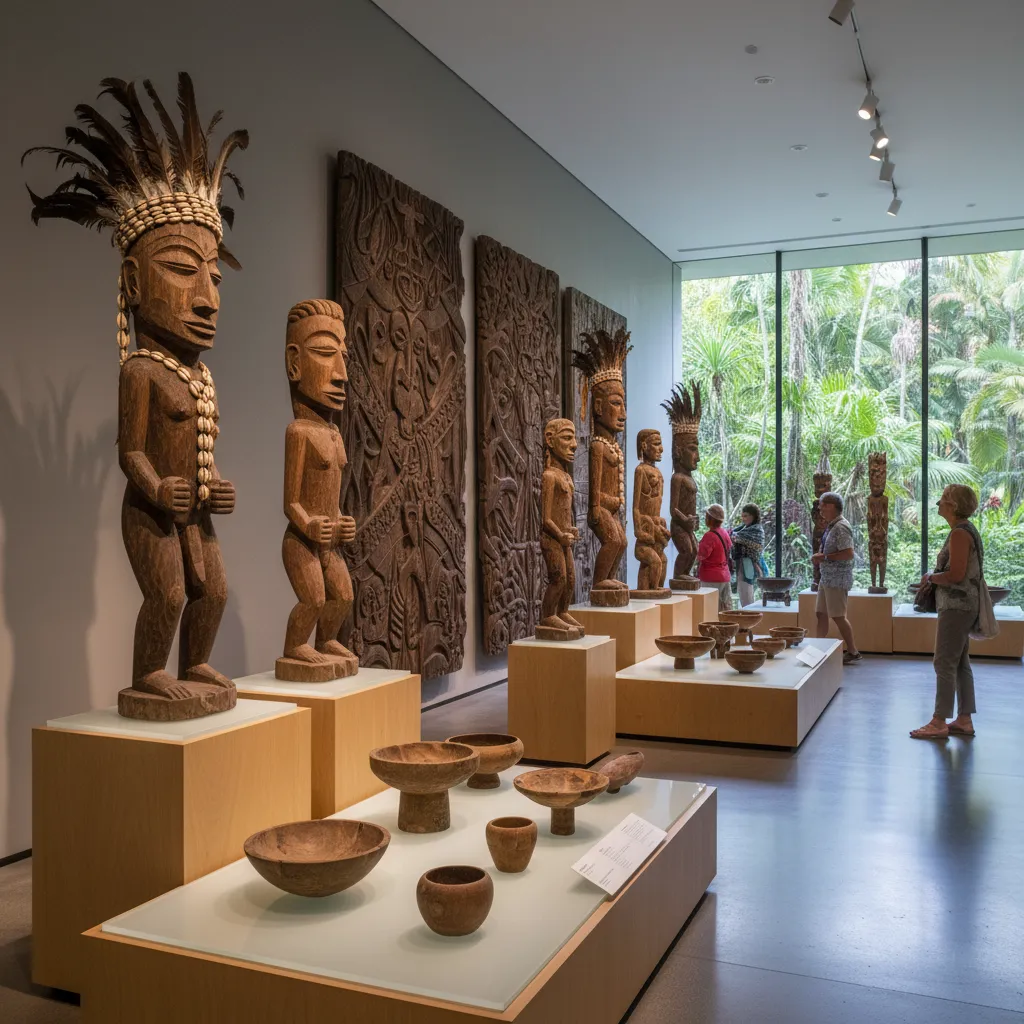
For those looking to dive deep into the indigenous heritage of the islands, the Museum of New Caledonia (Musée de Nouvelle-Calédonie) is an essential stop among Nouméa city centre attractions. Located near the waterfront, the museum is currently undergoing a massive renovation and expansion project, rebranding as MUZ (Musée de la Nouvelle-Calédonie). This institution houses one of the world’s most significant collections of Kanak art and Melanesian artifacts. Even during its transition, the museum’s influence is felt throughout the city, as it works to preserve the “Custom” (la Coutume) – the traditional social and legal framework of the Kanak people.
Understanding Kanak Culture and Art
The collection includes intricately carved doorposts (grandes cases), ceremonial masks, and traditional tools made from jade and shell. These items are not merely historical relics; they are living symbols of a culture that has inhabited these islands for over 3,000 years. The museum also explores the broader context of Pacific seafaring and the shared heritage between New Caledonia and its neighbors, including Fiji, Vanuatu, and the Solomon Islands (for island hopping, read our Lifou Island Travel Guide). For New Zealand visitors, seeing the similarities and differences between Māori and Kanak carvings provides a profound perspective on Polynesian and Melanesian cultural evolution. Once fully reopened, MUZ will be a world-class facility that anchors the city’s cultural district.
Practical Tips for New Zealand Travelers
Visiting Nouméa from New Zealand is incredibly convenient, with flights from Auckland taking just under three hours. Reviewing a Baggage Allowance Guide: Avoiding Hidden Fees is recommended before departure. However, there are a few practicalities to keep in mind to make the most of your walking tour of Nouméa city centre attractions. Firstly, while Nouméa is a Pacific island, it operates on French time. This means many shops and smaller attractions close for a long lunch break, typically between 11:30 AM and 1:30 PM. Plan your walking tour to explore the parks or have a leisurely French lunch during these hours to avoid disappointment.
Currency, Language, and Connectivity
The currency is the CFP Franc (XPF), which is pegged to the Euro. While major credit cards are widely accepted in the city centre, having some cash is useful for small purchases at the markets in Place des Cocotiers. Regarding language, French is the official tongue. While many people in the tourism industry speak English, especially given the proximity to Australia and New Zealand, learning a few basic French phrases like “Bonjour” (Hello), “Merci” (Thank you), and “S’il vous plaît” (Please) will go a long way in establishing rapport with the locals. For connectivity, consider purchasing a local SIM card (OPT) at the airport (following our Arrival Logistics: Tontouta Airport to Noumea) or in the city centre to help navigate the streets using GPS, although the city’s grid layout makes it relatively easy to find your way without digital assistance.
What to Wear and When to Walk
The climate in Nouméa is tropical, meaning it is generally warm and humid year-round. For a walking tour, lightweight, breathable clothing is essential. Comfortable walking shoes are a must, as some areas around the Cathedral involve inclines. Don’t forget a hat, high-SPF sunscreen, and a reusable water bottle, as the Pacific sun can be intense even on cloudy days. The best time to embark on your walking tour is early in the morning, starting around 8:30 AM, to beat the heat of the day and catch the local markets at their most active.
Conclusion: A City of Layers
The Nouméa city centre attractions offer far more than just a quick stopover for cruise ship passengers. By taking the time to walk through Place des Cocotiers, climb to St. Joseph’s Cathedral, and wander the streets of Chinatown, you uncover a city of deep historical layers and vibrant multiculturalism. From the echoes of the penal colony and the nickel boom to the modern aspirations of the Kanak people and the enduring French influence, Nouméa is a destination that rewards the curious traveler. Whether you are enjoying a café au lait at a sidewalk bistro or admiring the ancient craftsmanship at the museum, the heart of New Caledonia’s capital is a place where the Pacific and Europe meet in a beautiful, sun-drenched harmony.
Frequently Asked Questions
How long does a Nouméa city centre walking tour take?
A comprehensive walking tour covering the main attractions like Place des Cocotiers, the Cathedral, and Chinatown typically takes between 2 to 4 hours, depending on your pace and how long you spend at each site.
Is Nouméa safe for tourists to walk around?
Yes, Nouméa is generally very safe for tourists. Like any city, it is wise to stay aware of your surroundings and keep an eye on your belongings, especially in crowded market areas, but violent crime against tourists is rare.
What is the best time of year to visit Nouméa?
The best time to visit is during the cooler, drier months from September to November, or during the shoulder season in April and May. This avoids the peak humidity and cyclone risk of the summer months (December to March).
Do I need to speak French to enjoy Nouméa?
While not strictly necessary, knowing basic French enhances the experience. Most staff in hotels and major attractions speak English, but menus and signs are primarily in French.
Where can I find the best shopping in Nouméa city centre?
Rue de l’Alma is the main shopping street for fashion and boutiques. For local crafts and souvenirs, the markets at Place des Cocotiers or the Port Moselle Market (a short walk from the centre) are your best bets.
Are the Nouméa city centre attractions open on Sundays?
Many shops and some attractions in the city centre close on Sundays. However, the Cathedral remains open for services, and Place des Cocotiers is a public space accessible anytime. It is often the quietest day in the city.