
New Caledonia is often celebrated for its sprawling turquoise lagoon and French-influenced urbanity, but the soul of the archipelago lies in the rugged, rust-colored terrain of the Grand Sud. For those seeking a profound connection with nature, the Great South offers an unparalleled landscape of endemic biodiversity and ancient geological formations.
Great South New Caledonia tourism offers an immersive escape into a prehistoric landscape of iron-rich red earth and endemic biodiversity. Located just an hour from Noumea, the Grand Sud features iconic landmarks like the Blue River Provincial Park, the ethereal Drowned Forest, and the majestic Madeleine Falls, making it a premier destination for hiking and nature enthusiasts.
What makes the Great South landscape unique?
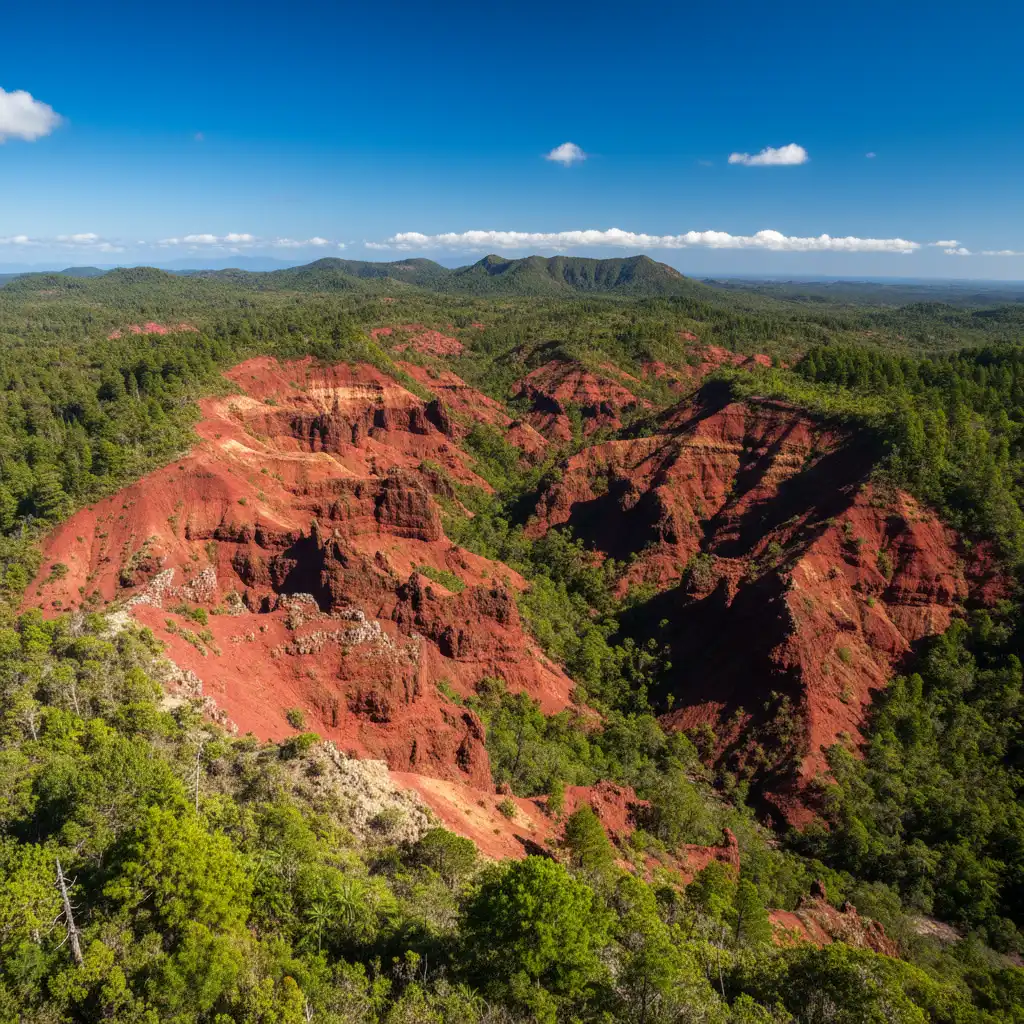
The first thing any traveler notices when entering the Grand Sud is the striking color palette. The earth is a deep, oxidized red, a result of the high iron and manganese content in the soil. This unique geology is known as the “Maquis Minier,” a specialized ecosystem that has evolved on ultramafic rocks. For Kiwi travelers used to the lush greens of the Waitakere Ranges or the volcanic grays of the Central Plateau, the Great South feels like stepping onto a different planet.
This red soil isn’t just a visual marvel; it is the foundation for incredible biodiversity. New Caledonia is home to some of the highest rates of plant endemism in the world, and a significant portion of these species are found only in the Great South. Walking through this landscape, you will encounter ancient conifers, carnivorous plants, and vibrant shrubs that have survived virtually unchanged for millions of years. The contrast between the crimson earth, the emerald green vegetation, and the startlingly blue sky creates a photographer’s dream.
What is there to do in Blue River Provincial Park?
The Parc de la Rivière Bleue (Blue River Provincial Park) is the crown jewel of Great South New Caledonia tourism. Spanning over 9,000 hectares, it is a sanctuary for the territory’s most famous resident: the Cagou. This flightless, crested bird is the national symbol of New Caledonia, and the park is one of the best places in the world to see them in their natural habitat. Because they have no natural land predators, Cagous are often surprisingly curious, occasionally approaching hikers on the forest trails.
The Drowned Forest (Forêt Noyée)
One of the most hauntingly beautiful sights in the park is the Forêt Noyée. When the Yaté Dam was constructed, a portion of the valley was flooded, submerging a forest of oak-like trees. Today, the bleached, skeletal trunks of these trees rise from the blue waters of the lake. The best way to experience this is by renting a kayak. Paddling through the silent, standing remains of the forest provides a sense of tranquility and wonder that is hard to find anywhere else.
The Grand Kaori
Deep within the park stands the Grand Kaori, a giant tree that is estimated to be over 1,000 years old. With a circumference of nearly nine meters, this ancient sentinel serves as a reminder of the primeval forests that once covered the island. The hike to the Kaori is well-marked and takes you through various micro-climates, showcasing the transition from the dry maquis to the humid rainforest.

Why should you visit the Chutes de la Madeleine?
The Chutes de la Madeleine (Madeleine Falls) is a protected botanical reserve that offers a more concentrated look at the region’s unique flora. The waterfall itself is wide and horseshoe-shaped, spilling over a ledge of volcanic rock into a clear pool. While the falls are not exceptionally high, the surrounding environment is what makes the site world-class.
A dedicated botanical path winds through the reserve, featuring informative signage about the rare plant species found here. Many of these plants, such as the dwarf conifers and specialized Grevilleas, are relics from the Gondwana supercontinent. The reserve is a testament to the fragile beauty of the New Caledonian environment. It is important to stay on the marked paths here, as the soil crust and specialized plants are extremely sensitive to foot traffic. The accessibility of the Madeleine Falls makes it an ideal stop for families or those looking for a less strenuous outdoor experience.
How difficult is the hike up Mont-Dore?
Visible from Noumea, Mont-Dore (the Golden Mountain) is the gateway to the Great South. For many locals and tourists alike, hiking to its summit is a rite of passage. The mountain is famous for its shimmering golden hue at sunset, caused by the reflection of light off the mineral-rich rocks. There are two primary routes to the top: the ridge trail and the forest trail.
The ridge trail is the more popular and scenic route, though it is also the most exposed. As you ascend, the views of the surrounding lagoon—the largest in the world—unfold in spectacular fashion. You can see the various shades of blue where the reef meets the deep ocean, and on a clear day, the city of Noumea is visible in the distance. The hike is moderately difficult, requiring about 3 to 4 hours for a round trip. It is essential to start early in the morning to avoid the midday sun, as there is very little shade on the ridge. At the base of the mountain, hikers often stop at the natural spring to fill their bottles with the famous Mont-Dore mineral water, which is bottled and sold throughout the territory.

What is the history of Prony Bay?
Continuing further south leads you to the historic village of Prony. This area offers a fascinating blend of colonial history and natural beauty. Prony was originally established as a penal colony and a base for the timber and mining industries. Today, the ruins of the old stone buildings are being reclaimed by the roots of giant banyan trees, creating an atmosphere reminiscent of the jungle temples of Angkor Wat.
Prony Bay is also a significant site for marine life. From July to September, the bay becomes a nursery for humpback whales. Boat tours depart from the Prony wharf, allowing visitors to witness these majestic creatures in the sheltered waters of the Great South. For divers, the “Aiguille de Prony” (Prony Needle) is a unique underwater thermal spring that has created a massive stalagmite-like structure rising from the seabed, teeming with coral and fish life.
How to plan your Great South adventure from New Zealand?
For New Zealanders, New Caledonia is a remarkably accessible destination, located just under three hours by flight from Auckland. To truly experience Great South New Caledonia tourism, renting a car is highly recommended. While some tour operators offer day trips from Noumea, having your own vehicle allows the freedom to explore the many hidden lookouts and side roads that define the region.
The drive from Noumea to the entrance of the Blue River Provincial Park takes approximately 45 to 60 minutes. Most of the main roads are sealed, but if you plan on exploring deeper into the mining tracks, a 4WD or a vehicle with high clearance is beneficial. It is also important to note that many parks and reserves in the south have specific opening hours and entry fees. For instance, Blue River Park is generally closed on Mondays. Packing a picnic is essential, as there are very few commercial facilities once you leave the outskirts of Mont-Dore. Stock up on French cheeses, fresh baguettes, and local fruits at the Noumea markets before heading south for the ultimate alfresco lunch.

Essential Gear for the Grand Sud
The environment in the south can be harsh. The red dust (laterite) is notorious for staining clothes and shoes permanently, so it is wise to wear gear that you don’t mind getting a bit dirty. Sturdy hiking boots are a must, as the terrain can be rocky and slippery. Due to the high iron content in the soil, the ground can get very hot, so sun protection and ample water are non-negotiable. For those planning to kayak or swim in the rivers, a dry bag and quick-dry clothing will enhance the experience.
The Best Time to Visit
While New Caledonia is a year-round destination, the best time for hiking in the Great South is during the cool, dry season from May to October. During these months, temperatures range from 20°C to 25°C, providing the perfect conditions for physical activity. The wet season (December to March) can make the red dirt roads muddy and difficult to navigate, and the humidity can make strenuous hikes like Mont-Dore much more challenging.
In conclusion, the Great South of New Caledonia is a destination that rewards the curious and the adventurous. It is a place where the geological history of the earth is laid bare, and where the unique flora and fauna offer a glimpse into a world that has remained unchanged for eons. Whether you are kayaking through the Drowned Forest, spotting a Cagou in the wild, or standing atop Mont-Dore, the Grand Sud promises an experience that is as profound as it is beautiful.
People Also Ask
When is the best time to visit the Great South?
The best time to visit is during the cool, dry season from May to October. The weather is pleasant for hiking, and the risk of heavy rain making the red dirt roads impassable is much lower.
Do I need a 4WD to explore the Grand Sud?
A 4WD is not strictly necessary for the main attractions like Blue River Park or Madeleine Falls, but a vehicle with high clearance is recommended for comfort on the unpaved sections of the road.
How long does the Mont-Dore hike take?
The hike typically takes between 3 to 5 hours round trip, depending on your fitness level and which trail you choose. The ridge trail is more scenic but more exposed to the sun.
Can you see the Cagou bird in the wild?
Yes, Blue River Provincial Park is the best place to see them. They are most active in the early morning and are often found near the forest trails in the humid zones of the park.
Are there entrance fees for the provincial parks?
Yes, most parks like Blue River Provincial Park and Chutes de la Madeleine charge a small entry fee (usually around 400-600 CFP) to help with conservation and maintenance efforts.
Is it possible to visit the Great South on a day trip from Noumea?
Absolutely. Most of the major sites are within a 60 to 90-minute drive from Noumea, making it very easy to explore the region and return to the city by evening.