
Tribal accommodation in New Caledonia, known locally as “Accueil en Tribu,” offers travelers an immersive stay within a Kanak village. Guests typically sleep in traditional huts or simple bungalows, share communal meals with host families, and participate in local customs, providing a deep cultural connection distinct from standard hotels.
What is Tribal Accommodation in New Caledonia?
For travelers arriving from New Zealand, New Caledonia offers a tropical escape that feels distinctively French yet profoundly Pacific. While the resorts of Nouméa provide luxury, the true soul of the archipelago lies in the Brousse (the bush) and the Loyalty Islands. Here, the concept of tribal accommodation New Caledonia (Accueil en Tribu) serves as the primary bridge between visitors and the indigenous Kanak culture.
Unlike a standard Airbnb or a bed and breakfast, a tribal stay is an invitation into a protected social structure. You are not merely a customer; you are a guest of the clan. These accommodations are generally regulated by local tourism associations but are run entirely by families within the tribe. The experience focuses on human connection, respect for nature, and the sharing of traditions that have existed for thousands of years.

Choosing this type of lodging supports the local micro-economy directly and encourages the preservation of Kanak heritage. However, it requires a mindset shift from the typical commercial transaction to a relational exchange. Understanding this distinction is vital for a successful and respectful stay.
The Essential Protocol: Understanding La Coutume
Before discussing amenities or locations, it is imperative to understand La Coutume (The Custom). This is the code of conduct that governs social interactions in Kanak society. When you enter a tribal area for accommodation, you are entering a space where traditional laws apply.
How do I perform the Customary Gesture?
Upon arrival at your tribal accommodation, you must present a small token of respect to the chief or the head of the host family. This is not a tip or payment for the room; it is a gesture of humility and a request for welcome.
For New Zealand travelers, this protocol might seem formal, but it is deeply appreciated. You should prepare a small piece of Manou (colorful fabric, easily bought in Nouméa shops) and place a small amount of money (500 to 1000 CFP) or a packet of tobacco on top of it. When meeting your host, you present this offering and say a few words explaining who you are, where you come from, and that you are honored to visit their home. Your host will accept it and give a speech of welcome in return. Once this is done, you are under their protection.
Facilities and Comfort Levels: Managing Expectations
When booking tribal accommodation New Caledonia, it is crucial to align your expectations with reality. These are not five-star resorts, nor do they claim to be. They offer rustic authenticity. Comfort levels can vary significantly between different tribes and even different hosts within the same village.
What are the sleeping arrangements like?
Accommodation typically falls into three categories:
- La Case (Traditional Hut): This is the most immersive option. You sleep in a round, thatched-roof structure. The floor is covered in woven mats. Often, mattresses are placed directly on the mats. It is cool, dark, and smells of wood and dried grass. It is a communal sleeping experience, ideal for families or groups.
- Paillotte (Bungalow): These are simple, square cabins made of wood or masonry with tin roofs. They usually contain standard bed frames and are more similar to a basic campground cabin.
- Camping: Many tribes offer designated spots to pitch your own tent, with access to communal facilities.

Are there modern bathrooms?
Sanitary facilities are almost always shared and located in a separate block outside the sleeping huts. While cleanliness is generally high, amenities are basic. You should expect:
- Cold Showers: While some hosts have installed solar heating, cold showers are common, especially in remote areas. In the tropical climate, this is often refreshing.
- Toilets: Flush toilets are standard, though you may occasionally encounter well-maintained pit latrines in very remote hiking stops.
- Electricity and Wi-Fi: Electricity is usually available in the common dining areas to charge phones, but may not be present inside a traditional Case. Wi-Fi is rare; this is a time to disconnect.
Participating in Daily Kanak Life
The primary value proposition of tribal accommodation New Caledonia is the activity schedule. You are not just paying for a bed; you are paying for access to a lifestyle. Hosts are eager to share their knowledge of the land and sea.
What activities can guests join?
Your hosts will often offer paid or complimentary activities. It is highly recommended to book these, as they provide income for the family and enrich your experience.
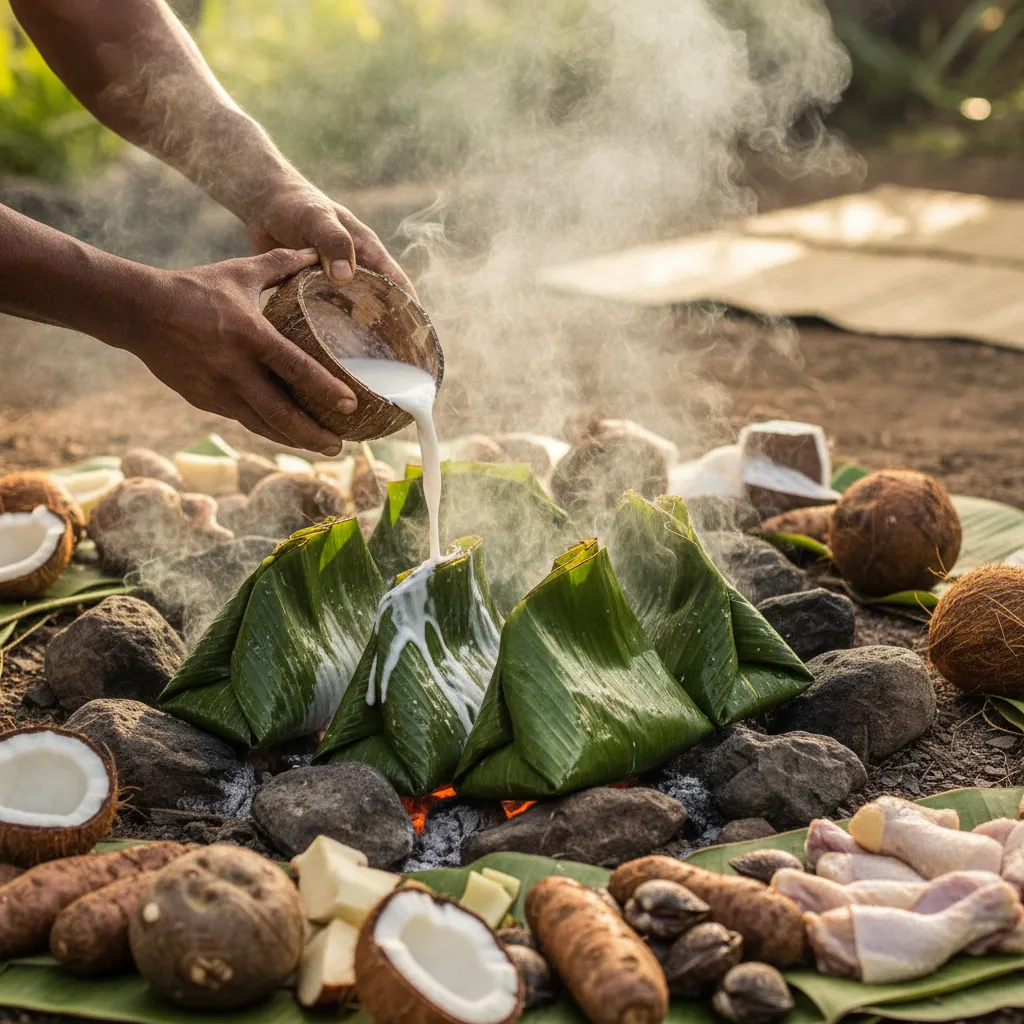
- Preparation of the Bougna: This is the signature dish of New Caledonia. It involves wrapping chicken, fish, yams, taro, and sweet potatoes in banana leaves, soaking them in fresh coconut milk, and burying the packet in an earth oven lined with hot stones. Guests are often invited to help scrape the coconuts or wrap the leaves.
- Traditional Fishing: Depending on the location, you might learn net fishing in the lagoon or crab hunting in the mangroves.
- Weaving and Craftwork: Many women in the tribes are expert weavers. You can learn how to weave pandanus leaves into plates, hats, or mats.
- Guided Hikes: Access to tribal land is restricted. Your host can guide you to waterfalls, caves, and peaks that are otherwise inaccessible to the general public.
Top Locations for Homestays on the East Coast
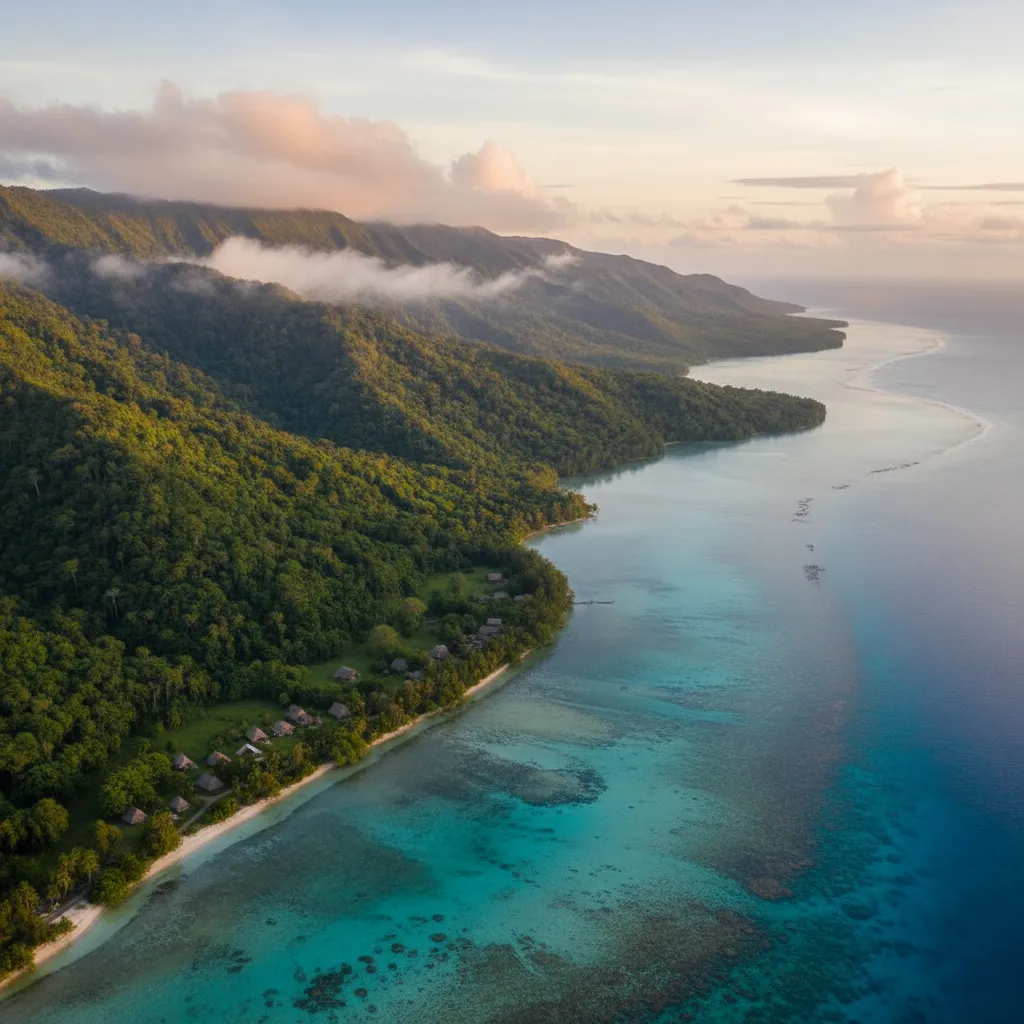
While tribal stays are available across the Grande Terre and the Loyalty Islands, the East Coast offers the most lush, dramatic scenery and a very strong adherence to custom. The road from Hienghène to Poindimié is dotted with high-quality tribal lodgings.
Hienghène Region
Famous for its black limestone cliffs and the “Brooding Hen” rock formation, Hienghène is a stronghold of Kanak culture.
- Tribe of Tiendanite: Located deep in the valley, this is a historically significant site. The drive in is spectacular, crossing rivers and winding through dense vegetation. The accommodation here is basic but deeply atmospheric.
- Werap Beach: Some tribes offer accommodation right on the water, where the river meets the sea. These are excellent for travelers who want to combine cultural exchange with kayaking and swimming.
Poindimié Region
Poindimié is often considered the capital of the East Coast. It offers a blend of beautiful reefs and deep valleys.
- Ina Tribe: Known for its beautiful hiking trails and waterfalls. The hosts here are accustomed to international visitors and often speak some English, which is helpful for Kiwis with limited French.
- Nââwêê Tribe: Located near the sea, offering a mix of traditional huts and bungalows. It is a great base for diving excursions to the Tibarama islet.
Booking Logistics for New Zealand Travelers
Booking tribal accommodation New Caledonia requires more effort than a standard hotel booking. Many tribes do not use platforms like Booking.com or Expedia. This friction is part of the charm, as it filters for dedicated travelers.
How do I make a reservation?
1. Direct Contact: The most effective method is calling the host directly. If you do not speak French, this can be challenging. However, many hosts now use Facebook Messenger or email. Use Google Translate to send a polite inquiry in French.
2. Tourism Information Centers (Point I): The local tourism offices (e.g., in Hienghène or Lifou) act as intermediaries. You can email them your dates, and they will arrange the stay with the tribes on your behalf.
3. Payment: Credit cards are rarely accepted in tribal accommodations. You must carry sufficient cash (Pacific Francs – XPF). Ensure you withdraw enough cash in Nouméa or major towns like Koné before heading into remote tribal areas.
4. What to Pack: Bring your own toiletries, a towel, insect repellent, and a torch (flashlight). A sleeping bag liner is also a good idea for extra comfort, even if sheets are provided.
By choosing a tribal homestay, you are opting for a travel experience that prioritizes people over luxury. For New Zealanders looking to understand their Pacific neighbors, there is no better way to see the real New Caledonia.
Is it safe to stay in a tribe in New Caledonia?
Yes, staying in a tribe is generally very safe. The structure of the tribe provides a secure environment. By performing the Customary Gesture (La Coutume), you are formally accepted as a guest under the protection of the chief. However, basic travel precautions regarding valuables should still be observed.
Do I need to speak French for a tribal homestay?
While some younger Kanak hosts speak English, French is the primary language of communication. Having a basic grasp of French phrases or a translation app is highly recommended to facilitate interaction and show respect.
How much does tribal accommodation cost?
Tribal stays are very affordable. A night in a traditional case typically costs between 2,000 and 4,000 XPF (approx. $30-$60 NZD) per person. Meals are charged separately, with a full Bougna dinner costing around 2,500 to 3,500 XPF.
Can I drink the tap water in tribal accommodations?
Water quality varies. In many mountainous tribes, the water comes directly from springs and is pure. However, to avoid stomach issues, it is recommended that tourists drink bottled water or use water purification tablets/filters.
Is tribal accommodation suitable for children?
Yes, Kanak culture is very family-oriented, and children are welcomed warmly. It is an excellent educational experience for kids. Just be mindful that amenities are basic, so bring necessary supplies for infants.
What happens if I forget the Customary Gesture gift?
If you arrive without the Manou and tobacco/money, apologize sincerely. Most hosts are understanding of tourists’ mistakes. However, try to procure it at the nearest shop as soon as possible, or ask your driver/guide for assistance before arriving.