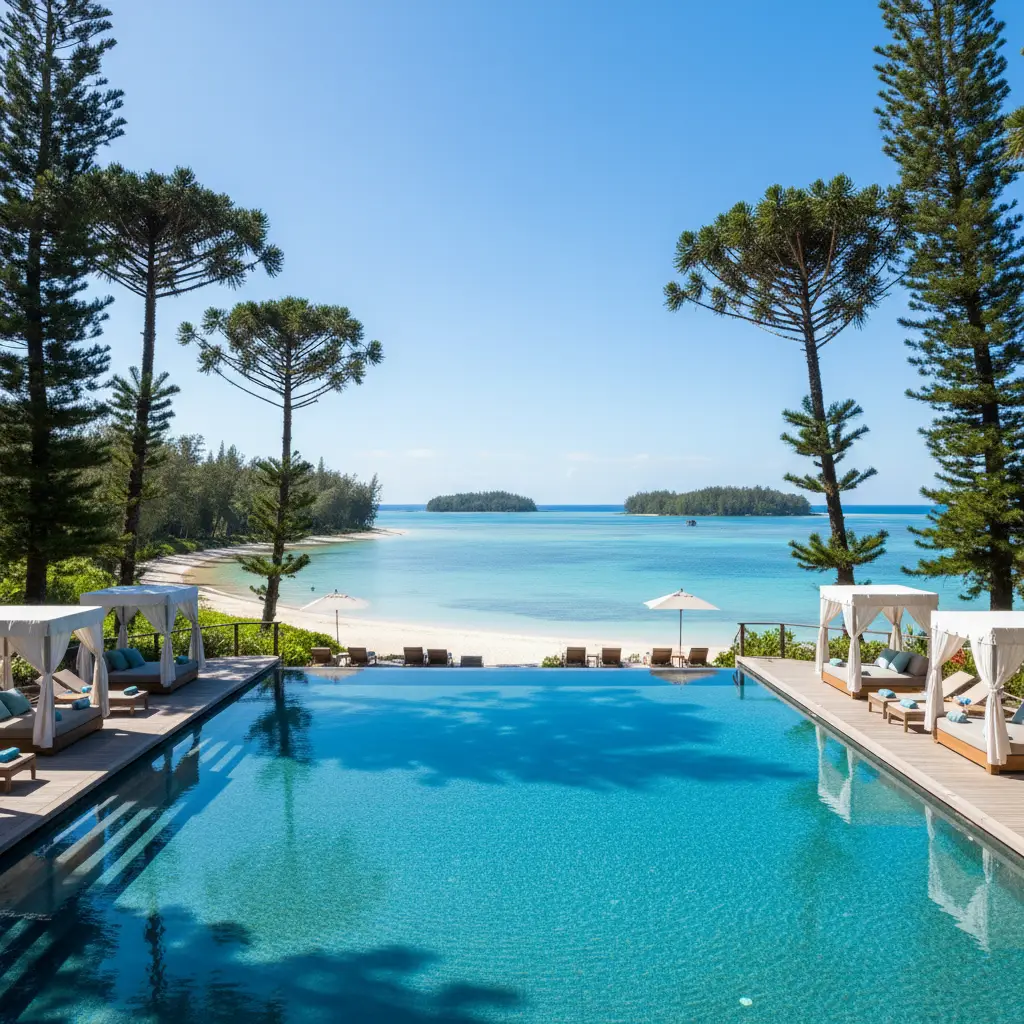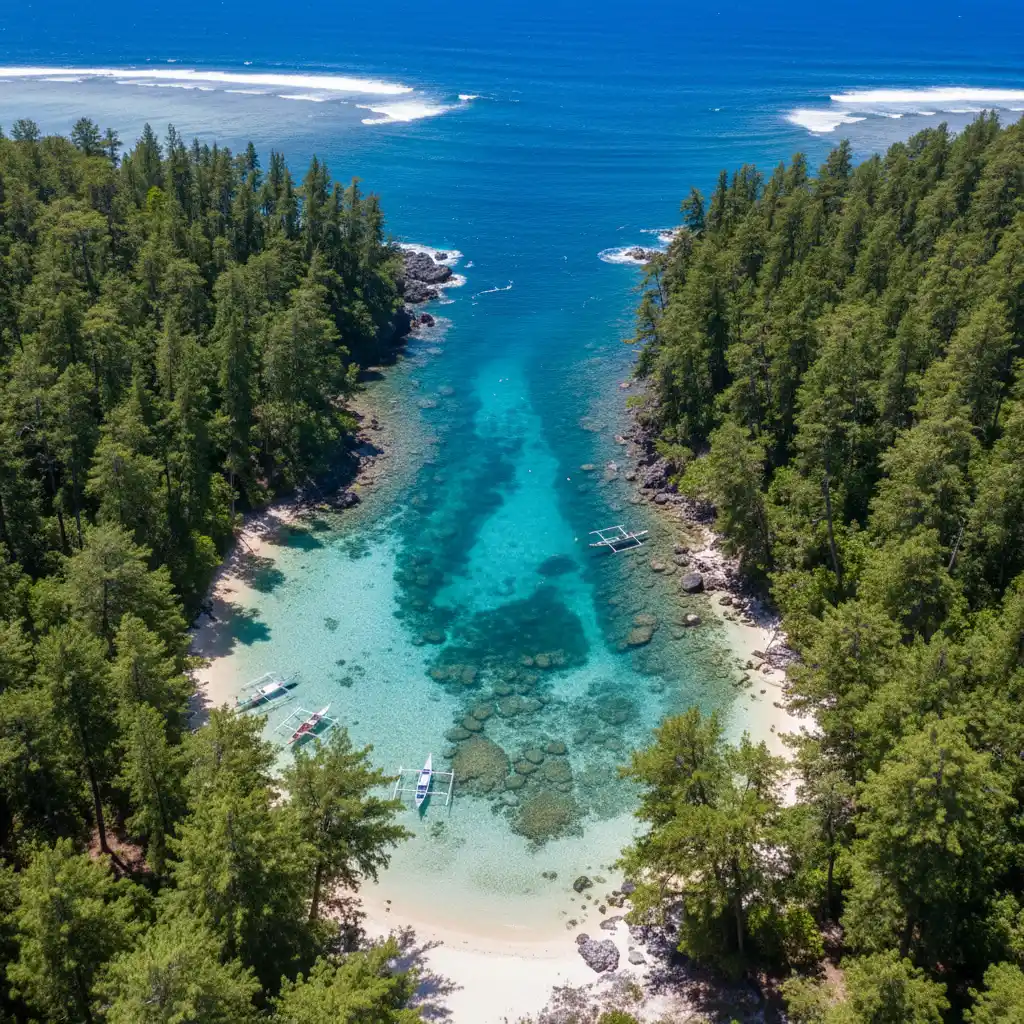
Getting to the Isle of Pines from Noumea requires either a 20-minute domestic flight via Air Calédonie from Magenta Airport or a 2.5-hour high-speed catamaran trip on the Betico 2 ferry from the downtown ferry terminal. For a 3-day extension, flights are recommended to maximize island time, though the ferry offers a scenic, budget-friendly alternative.
For New Zealand travellers looking to escape the hustle of daily life, New Caledonia offers the closest slice of French paradise. While Noumea provides a sophisticated blend of French Riviera chic and Melanesian culture, the true “Jewel of the Pacific” lies just a short journey south. The Isle of Pines (Île des Pins) is renowned globally for its tall Araucaria pines that line the white sandy shores, creating a prehistoric yet tropical aesthetic found nowhere else on earth.
Planning a Isle of Pines 3-Day Extension is the most popular add-on for Kiwis visiting the main island. This guide details exactly how to navigate the logistics, choose the best transport, and uncover the hidden gems of the island.
How to Get to Isle of Pines from Noumea
The journey to the Isle of Pines is relatively straightforward, but it involves specific logistics that differ from typical domestic travel within New Zealand. Understanding the geography of Noumea’s airports and ferry terminals is critical to ensuring a seamless transfer, especially if you are connecting directly from your international flight from Auckland.
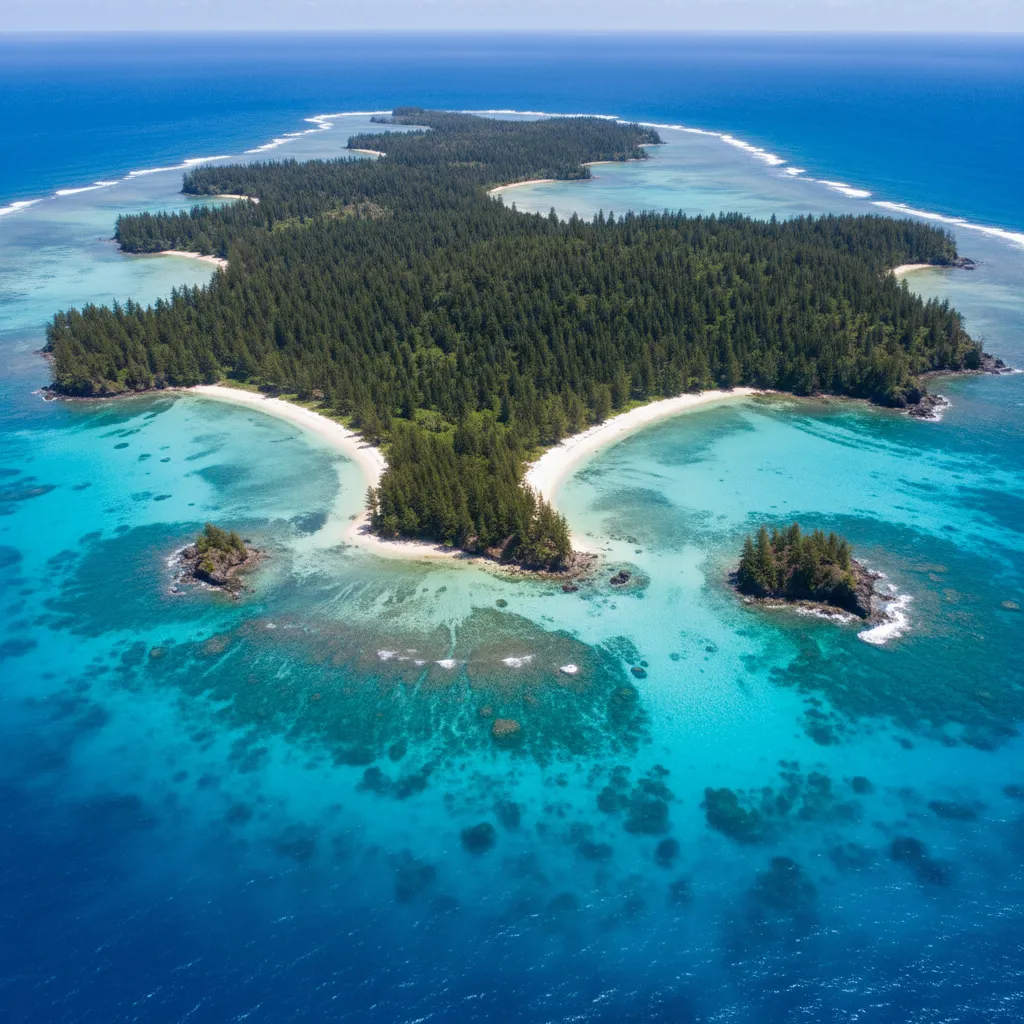
Air Calédonie vs. Betico Ferry: Which is Best?
When booking your Isle of Pines from Noumea transfer, you have two distinct options. Your choice will depend largely on your budget, your tolerance for sea travel, and your schedule.
Option 1: Domestic Flight (Air Calédonie)
This is the preferred option for those on a strict 3-day timeline. Flights depart from Magenta Airport (GEA), not the international Tontouta Airport (NOU). Magenta is located within Noumea city, roughly a 45-minute to 1-hour shuttle ride from the international airport.
- Duration: Approximately 20 to 30 minutes.
- Frequency: Multiple flights daily.
- Baggage: strictly monitored. The standard allowance is usually 20kg, but lighter fare classes may restrict this to 12kg. Excess baggage fees are steep.
- Pros: Fast, incredible aerial views of the lagoon, reliable schedule.
- Cons: More expensive than the ferry; requires a transfer between airports if arriving internationally the same day.
Option 2: High-Speed Catamaran (Betico 2)
The Betico ferry departs from the ferry terminal in downtown Noumea, near the cruise ship docks.
- Duration: Approximately 2 hours and 30 minutes.
- Frequency: Schedule varies by season, often running 3-4 times a week (usually Wednesday, Saturday, Sunday).
- Pros: Significantly cheaper than flying; higher luggage allowance (25kg); comfortable VIP lounge options available.
- Cons: The crossing can be rough. The stretch of ocean between the mainland and Isle of Pines is open sea, and sea sickness is common. It also eats up a significant portion of your morning or afternoon.
The Perfect 3-Day Itinerary
To make the most of a short extension, you need a plan that balances relaxation with exploration. The island is larger than many expect (15km by 13km), so you cannot walk everywhere.
Day 1: Arrival and Kanumera Bay
Upon arrival at Moue Airport or the Kuto ferry wharf, take a pre-arranged shuttle to your accommodation. We recommend basing yourself near Kuto or Kanumera Bay for the first day.
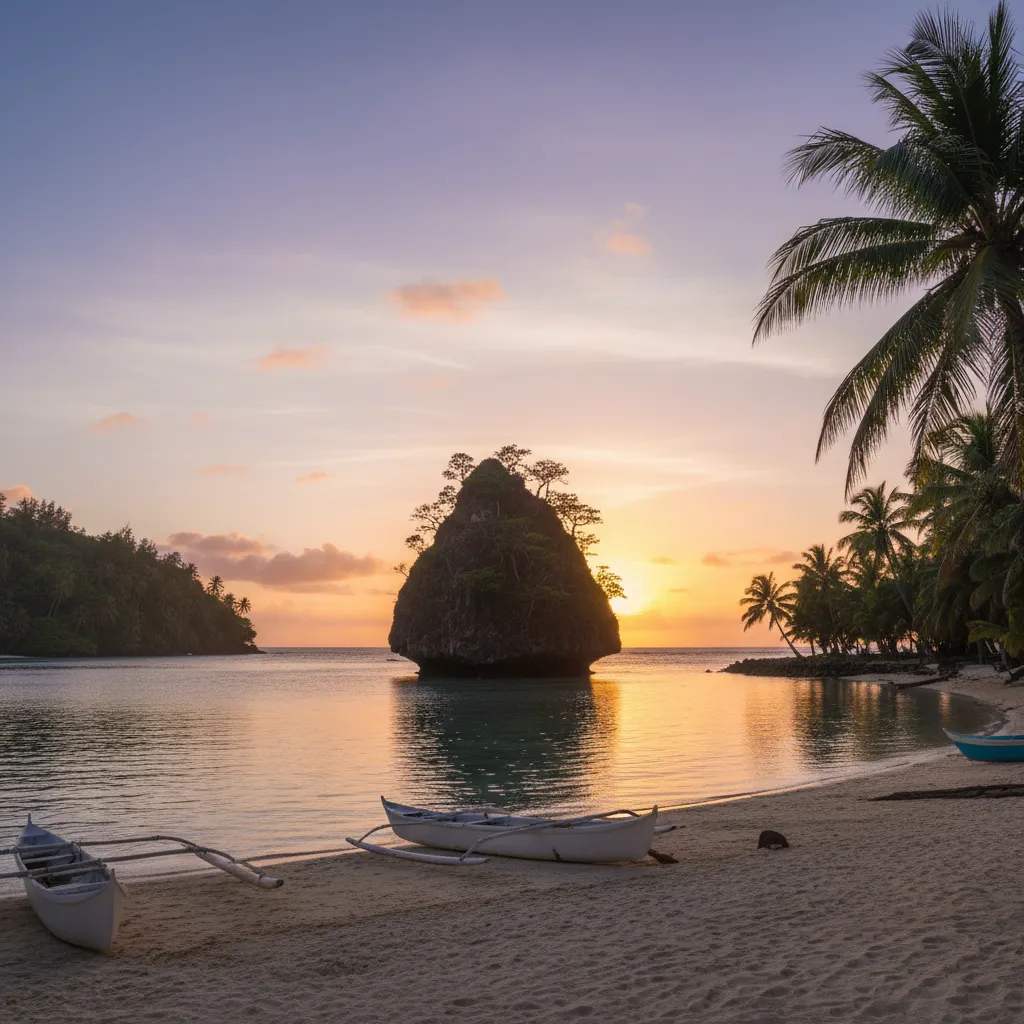
Spend your afternoon at Kanumera Bay. This is arguably one of the most photogenic beaches in the South Pacific. A large coral rock (Rocher de Kaa) sits in the middle of the bay, connected to the beach by a thin sandbar. Note: The rock is sacred to the locals; do not climb it. Snorkelling around the base of the rock is permitted and offers spectacular marine life viewing in shallow water.
Watch the sunset at Kuto Bay, which faces west and offers a long stretch of powdery white sand that feels like flour underfoot.
Day 2: The Natural Pool and Oro Bay
This is the highlight of the trip. You cannot visit the Isle of Pines without experiencing the Piscine Naturelle.
The Natural Pool (Piscine Naturelle) Guide
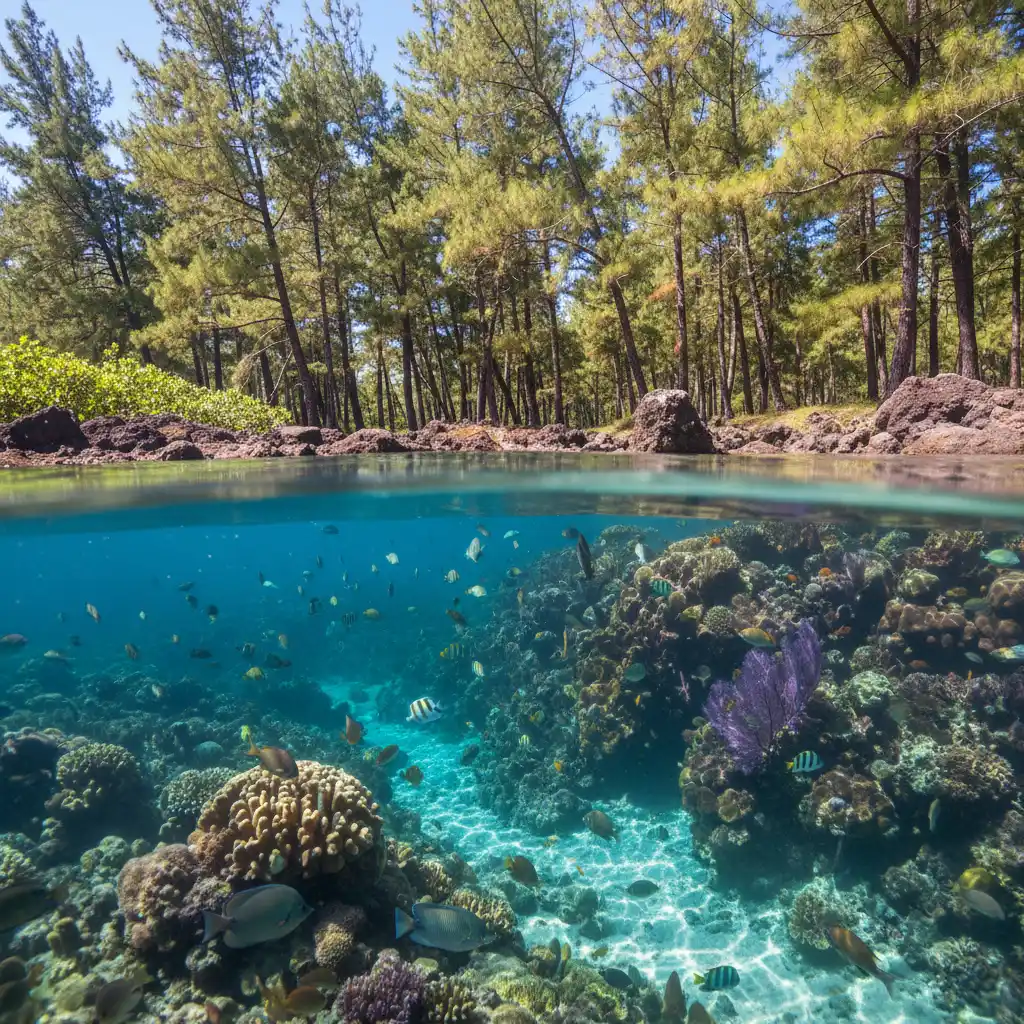
The Natural Pool is a sheltered lagoon separated from the ocean by a coral reef, creating a natural aquarium. The water is crystal clear and teeming with tropical fish that are unafraid of swimmers.
How to get there
You have two main ways to reach Oro Bay, where the pool is located:
- By Road: Take a transfer or rental car to the Le Méridien parking area. From there, it is a 15-minute walk along a forest trail and through a shallow river channel (wading required).
- By Pirogue (Traditional Outrigger): This is the recommended route for the full experience. You depart from St Joseph’s Bay in a traditional sailing canoe. The journey takes about 90 minutes, gliding silently over the lagoon. You then walk 45 minutes through the jungle to reach the pool.
Pro Tip for Kiwis: Bring your reef shoes. The walk involves wading through water and crossing sharp coral sections. Also, bring cash (CFP) as there is a small entrance fee (approx. 200 XPF) to access the trail leading to the pool, which goes to the local tribe.
Day 3: Queen Hortense’s Grotto and Departure
Before your flight or ferry back to Noumea, visit the interior of the island. The Grotte de la Reine Hortense is a massive cave located in the rainforest. It is named after a local Queen who reportedly hid there during tribal conflicts in 1855.
The entrance is majestic, surrounded by lush tropical vegetation and giant tree ferns. Inside, a stream runs through the cavern, and a skylight allows beams of sun to pierce the darkness. It is a cool, serene respite from the beach heat.
Best Places to Stay: From Luxury to Tribal
Accommodation on the Isle of Pines caters to various budgets, though it generally leans towards the higher end compared to Southeast Asia. For the New Zealand market, accustomed to quality lodges and motels, here are the top picks.
Luxury: Le Méridien Ile des Pins
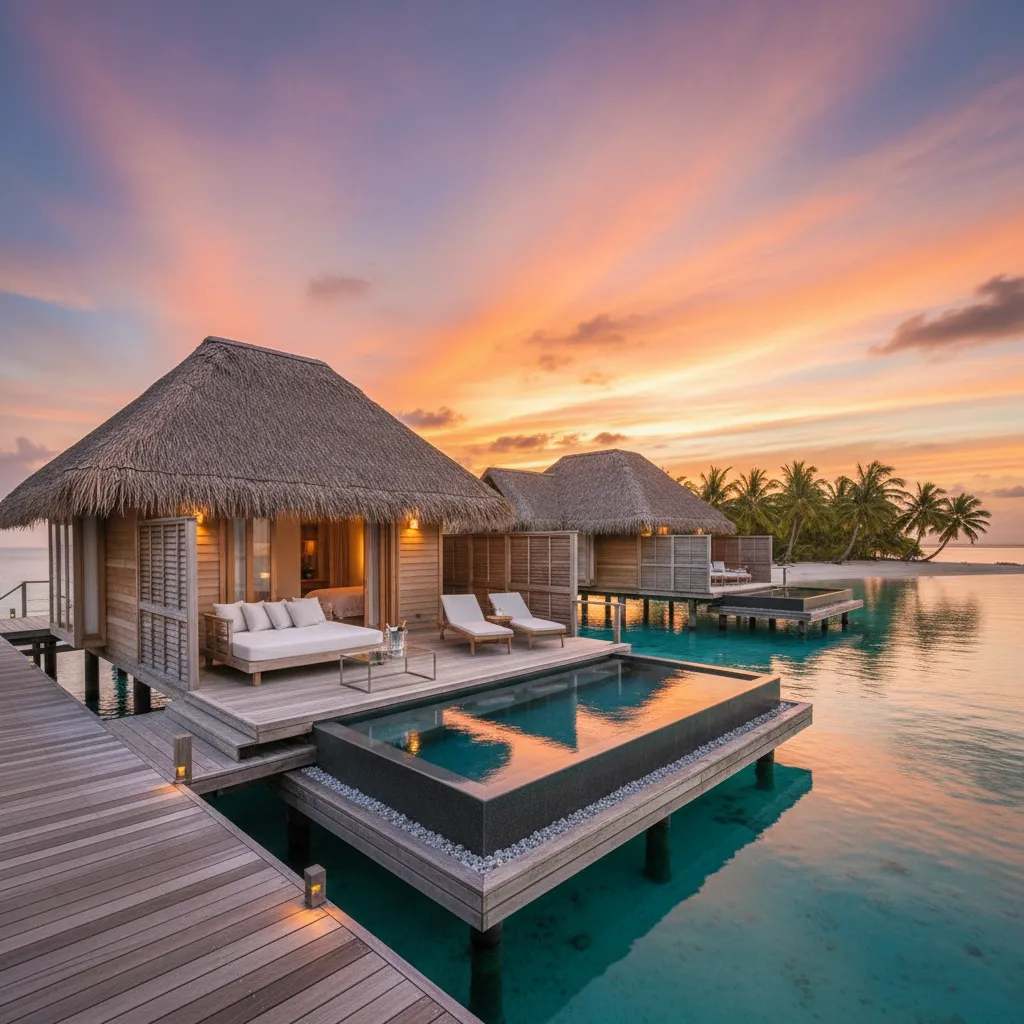
Located at Oro Bay, this is the only 5-star resort on the island. It offers direct access to the lagoon leading to the Natural Pool. The bungalows are high-end, featuring private terraces and luxury amenities. It is perfect for honeymooners or those wanting a “flop and drop” experience with impeccable service.
Mid-Range: Oure Tera Beach Resort
Situated on Kanumera Bay, Oure Tera is a favourite for families and couples. The bungalows are nestled in a tropical garden or right on the beach. The location is its biggest asset, providing immediate access to the best swimming beaches and sunset spots. The restaurant here is also highly rated for its local lobster (seasonal).
Budget/Authentic: Gites and Tribal Stays
For a more immersive experience, consider staying at a “Gite” (guesthouse). Places like Gite Nataiwatch offer basic bungalows and camping options. These stays often provide communal dinners where you can try Bougna, a traditional Melanesian dish of chicken, lobster, or fish wrapped in banana leaves and cooked under hot stones.
Island Logistics for NZ Travellers
Successfully navigating the Isle of Pines requires a bit of preparation. Unlike Rarotonga or Fiji, the infrastructure here is more rustic.
Transportation on Island
There is no public bus system. Your options are:
- Hotel Transfers: Essential for arrival and departure. Book these in advance with your accommodation.
- Car Rental: There are a few local rental agencies. Cars are limited, so book weeks in advance.
- Scooters/Bicycles: A popular way to see the island, but be aware that roads can be narrow and unlit at night.
Money and Banking
The currency is the Pacific Franc (XPF/CFP). While the major resorts (Le Méridien, Oure Tera) accept credit cards, smaller gites, snack bars, and tour operators often deal only in cash. There is an ATM at Vao (the main village), but it is not always reliable. It is highly recommended to withdraw sufficient cash in Noumea before travelling to the island.
Language
French is the official language, alongside the local Kanak language, Kwényï. While staff at major hotels speak English, it is less common in small shops or tribal areas. Learning a few basics like Bonjour (Hello) and Merci (Thank you) goes a long way in showing respect.
Connectivity
Wi-Fi is generally available in hotel lobbies but can be spotty in rooms. The 3G/4G network is decent across most of the island. NZ travellers should check their roaming packs, or purchase a local “Tourism Card” SIM at Tontouta Airport upon arrival in New Caledonia.
People Also Ask (PAA)
Is 3 days enough for Isle of Pines?
Yes, 3 days is the ideal duration for a first visit. It allows enough time to see the major highlights—Kanumera Bay, Kuto Bay, and the Natural Pool—without feeling rushed, while leaving time for relaxation.
How much is the ferry from Noumea to Isle of Pines?
A return ticket on the Betico 2 ferry typically costs between 10,000 and 15,000 XPF (approx. $150-$220 NZD) depending on the class of seat and the season. Children and seniors often receive discounted rates.
Can you swim in Isle of Pines?
Absolutely. The Isle of Pines is famous for its calm, lagoon-like swimming conditions, particularly at the Natural Pool and Kanumera Bay. However, always be respectful of marine life and local customs regarding sacred areas.
Are there sharks in Isle of Pines?
Like most tropical waters in the Pacific, sharks inhabit the surrounding ocean. Inside the lagoons and the Natural Pool, you may see small reef sharks which are generally harmless to swimmers. Always adhere to local warnings and avoid swimming at dusk or in murky water.
What is the best time of year to visit Isle of Pines?
The best time to visit is during the shoulder seasons: September to November and April to May. These months offer warm temperatures (23°C – 28°C) with less rainfall than the hot, humid summer months (December to March).
Do I need a visa for New Caledonia from New Zealand?
New Zealand passport holders do not need a visa for short tourist stays (up to 3 months) in New Caledonia. Ensure your passport has at least 3 months of validity past your intended departure date.