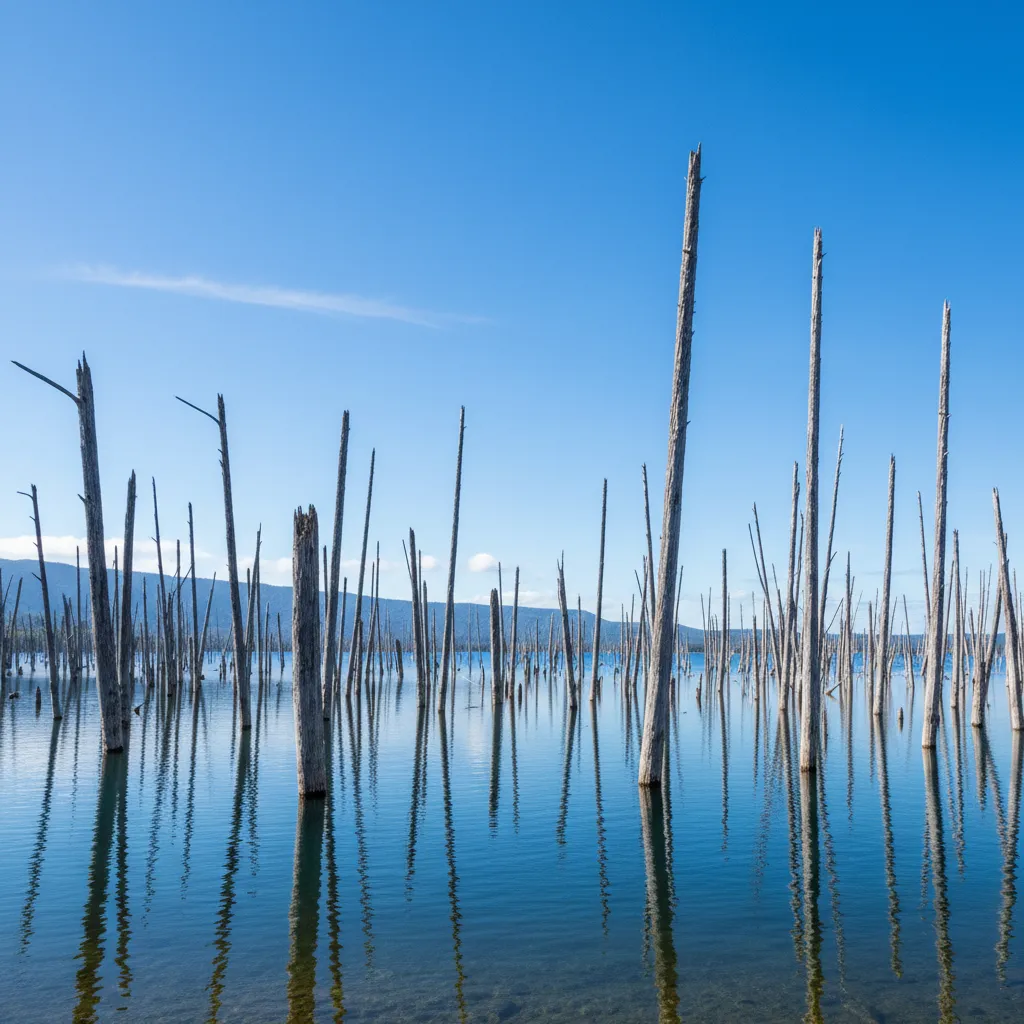
The Mont Dore hiking trail is a premier trekking destination located just south of Noumea, New Caledonia. Known for its distinctive red soil and panoramic views of the UNESCO-listed lagoon and Ouen Toro, this challenging ascent offers hikers a unique opportunity to experience the island’s diverse biodiversity and stunning coastal scenery.
How difficult is the Mont Dore hiking trail?
The Mont Dore hiking trail is widely considered one of the most challenging yet rewarding day hikes in the vicinity of Noumea. For New Zealand hikers accustomed to the rugged terrain of the Southern Alps or the steep inclines of the Waitakere Ranges, Mont Dore offers a familiar physical challenge but with a distinctly tropical, sub-tropical twist. The mountain rises to an elevation of approximately 800 metres, and the ascent is characteristically steep, particularly if you choose the ‘Sentier de la Crête’ (the Ridge Path).
Fitness is a significant factor when attempting this trail. It is not a casual stroll; rather, it is a sustained climb that requires good cardiovascular health and strong leg muscles. The trail consists of two primary routes. The first is the aforementioned Ridge Path, which is direct, steep, and involves navigating over loose rocks and the iconic red ‘laterite’ soil that defines the New Caledonian landscape. This path is recommended for experienced hikers who are comfortable with uneven footing and significant vertical gain over a short distance. The second option is the ‘Sentier de la Corniche,’ which is slightly longer but offers a more gradual incline, making it accessible to those with moderate fitness levels, though it still demands respect and preparation.

For New Zealanders, the heat and humidity are the primary variables that increase the perceived difficulty. While a 800-metre climb in the Ruahine Range might feel manageable in 15-degree weather, doing the same in 28-degree heat with 80% humidity requires a different pacing strategy. Hikers should be prepared for a total moving time of anywhere between 3 to 5 hours, depending on the chosen route and the number of stops taken to admire the scenery. The descent can be equally taxing on the knees, as the loose red earth can be slippery, even when dry. Proper footwear—specifically hiking boots with deep lugs—is non-negotiable for safety and comfort.
What fitness level is required for Mont Dore?
To comfortably complete the Mont Dore hiking trail, an individual should be capable of walking for at least four hours with a weighted pack. If you can handle the Tongariro Alpine Crossing or the climb up Mount Maunganui multiple times in a row, you are well-prepared for Mont Dore. It is highly recommended to engage in stair climbing or hill repeats in the weeks leading up to your trip to Noumea. This will condition your quadriceps and calves for the relentless upward trajectory of the mountain. Additionally, core stability is vital for maintaining balance on the scree-like sections of the ridge path.
What are the views like from the Mont Dore summit?
The primary drawcard of the Mont Dore hiking trail is the unparalleled panoramic view afforded at various points along the ascent and, most spectacularly, from the summit. As you climb, the vegetation transitions from dense coastal scrub to the unique ‘maquis minier’—a type of shrubland that grows exclusively on New Caledonia’s mineral-rich soils. This low-lying flora ensures that your views are rarely obstructed, providing constant visual motivation as you gain altitude.
Once you reach the higher elevations, the sheer scale of the New Caledonian lagoon becomes apparent. This lagoon is one of the largest in the world and is a designated UNESCO World Heritage site. From the vantage point of Mont Dore, you can see the distinct gradients of blue, from the pale turquoise of the shallow reef flats to the deep sapphire of the open ocean beyond the barrier reef. On a clear day, the Amédée Lighthouse is visible as a tiny white needle on the horizon, surrounded by its shimmering marine reserve.

Looking back toward the northwest, the city of Noumea unfolds across its various peninsulas. You can identify key landmarks such as the Ouen Toro hill, the bays of Anse Vata and Baie des Citrons, and the industrial port areas. The contrast between the urban sprawl of the capital and the wild, red, iron-rich mountains of the ‘Grand Sud’ (Great South) is striking. It provides a geographical context that is hard to grasp from sea level. The summit itself is marked by a large cross and several telecommunications towers, but the real prize is the 360-degree vista that encompasses the mountain ranges of the interior and the endless Pacific Ocean.
Photography at the summit
For photography enthusiasts, the best light is often found in the early morning. The rising sun illuminates the red soil, making it glow with an almost ethereal intensity against the blue of the sky and sea. If you are hiking during the late afternoon, the ‘golden hour’ provides a soft light that highlights the textures of the lagoon’s reef structures. However, remember that descending in the dark is hazardous, so plan your photography sessions with enough time to return to the trailhead safely.
When is the best time to hike Mont Dore?
Timing is everything when planning a trek on the Mont Dore hiking trail. New Caledonia, like New Zealand, has distinct seasons, but being a tropical territory, the primary concern is the distinction between the dry season and the humid/cyclone season. For the optimal hiking experience, the ‘Cool Season’ or ‘Dry Season,’ which runs from May to October, is the undisputed champion.
During these months, the temperatures are much more conducive to physical exertion, typically ranging from 20°C to 24°C. The humidity is significantly lower, and the risk of rainfall is minimized. Rain is a major factor on Mont Dore because the laterite soil turns into a slick, clay-like mud when wet, making the steep sections of the trail incredibly dangerous and difficult to navigate. Furthermore, the dry season offers the best visibility, ensuring that your efforts are rewarded with the clear, crisp views of the lagoon that the mountain is famous for.

The ‘Hot Season’ (November to April) presents several challenges. Temperatures frequently soar above 30°C, and the tropical sun is unforgiving on the exposed slopes of the mountain. There is very little shade on the Mont Dore hiking trail, and the heat reflected off the red rocks can lead to heat exhaustion or dehydration very quickly. Additionally, this period coincides with the cyclone season. Sudden tropical downpours can wash out sections of the path or make the descent a treacherous affair. If you must hike during this time, it is imperative to start at the crack of dawn—ideally before 6:00 AM—to be off the mountain before the peak afternoon heat.
Monthly climate guide for hikers
June, July, and August are the peak months for hiking in New Caledonia. For New Zealanders looking to escape the winter, this coincides perfectly with a mid-year break. The air is fresh, the sky is often a deep, cloudless blue, and the trails are at their most stable. September and October are also excellent, though you may start to feel the temperatures rising as the southern summer approaches.
Safety tips and path markers on the trail
Safety on the Mont Dore hiking trail begins with navigation. The trail is generally well-marked with paint splashes on rocks and trees—typically using the standard French hiking markers (yellow lines for local trails). However, the ‘red’ nature of the mountain means that in some light conditions, the markers can blend in or become obscured by dust. It is essential to keep a keen eye out for these signs, especially where the trail forks or crosses rocky outcrops.
One of the most important safety tips for Mont Dore is water management. There are no potable water sources on the mountain. Because of the heat and the physical demand of the climb, you should carry a minimum of 3 litres of water per person. Electrolyte replacements are also highly recommended to combat the salt lost through sweat. New Zealanders, who might be used to the abundance of freshwater streams in the Southern Alps, must adjust to this ‘carry-everything’ requirement.

Sun protection is another critical factor. As mentioned, the trail is highly exposed. A wide-brimmed hat, high-SPF sunscreen, and lightweight, breathable long-sleeved clothing are necessary to prevent severe sunburn. The UV index in New Caledonia is consistently high, and the reflection from the mineral-rich soil can intensify the exposure. Additionally, let someone know your plans before you head out. While the trail is popular, parts of it are remote enough that an injury could leave you stranded for hours before help arrives. Mobile phone reception is generally good along the ridge, but it should not be solely relied upon for emergencies.
Emergency procedures in New Caledonia
In the event of an emergency, the local emergency number for the police is 17, and for medical emergencies/SAMU, it is 15. It is also wise to have the contact information for your accommodation in Noumea. Ensure your travel insurance covers ‘hiking’ or ‘trekking,’ as some policies have altitude or technical difficulty exclusions. Fortunately, Mont Dore is within the standard limits for most recreational policies.
Logistics and preparation for Kiwis
For New Zealanders, New Caledonia is a remarkably accessible destination, with flights from Auckland to Noumea taking less than three hours (the perfect duration to enjoy In-Flight Dining: French Cuisine vs Kiwi Classics). Once you arrive at La Tontouta International Airport, organizing your Arrival Logistics: Tontouta Airport to Noumea is essential before heading to the base of Mont Dore. The mountain is located in the municipality of Mont-Dore, about a 20-to-30-minute drive south of central Noumea. Renting a car is the most convenient option, as it allows you to reach the trailhead early in the morning before the public transport system is fully operational.
Essential packing list for Mont Dore
- Sturdy hiking boots with excellent grip (essential for laterite soil).
- 3 litres of water and electrolyte powder.
- High-energy snacks (nuts, dried fruit, energy bars).
- Sunscreen (SPF 50+), hat, and polarized sunglasses.
- Lightweight rain shell (even in the dry season, weather can change).
- A fully charged mobile phone and a portable power bank.
- A basic first aid kit including blister plasters and antiseptic wipes.
By following these guidelines and respecting the natural environment, your hike up Mont Dore will be the highlight of your New Caledonian adventure. The combination of physical challenge and world-class coastal views is a rare find, making the Mont Dore hiking trail a must-do for any Kiwi traveller visiting the archipelago, whether on a solo trip or a Honeymoon in Isle of Pines.
How long does it take to hike Mont Dore?
The hike typically takes between 3 to 5 hours for a round trip. The ascent usually takes 2 to 2.5 hours via the ridge path, while the descent may take slightly less but requires caution due to slippery rocks.
Is the Mont Dore hiking trail difficult?
Yes, it is considered a difficult/strenuous hike. It involves a steep 800m elevation gain, loose rocky terrain, and significant sun exposure. It is suitable for those with a good level of fitness.
Do I need a guide for Mont Dore?
A guide is not strictly necessary as the main paths are marked. However, if you are inexperienced or unfamiliar with tropical hiking conditions, a local guide can provide valuable botanical and geological insights.
What should I wear for hiking in New Caledonia?
Wear moisture-wicking, breathable clothing. Long sleeves and pants can protect against the sun and scratchy vegetation. Most importantly, wear sturdy hiking boots, as trainers may not provide enough grip on the red clay.
Are there snakes on the Mont Dore trail?
No, New Caledonia has no land snakes. You may see small lizards or unique bird species, but there are no dangerous terrestrial predators to worry about on the trail.
Is there water available on the trail?
No, there are no water stations or natural streams with potable water on Mont Dore. You must carry all the water you need (at least 3 litres) from the start.