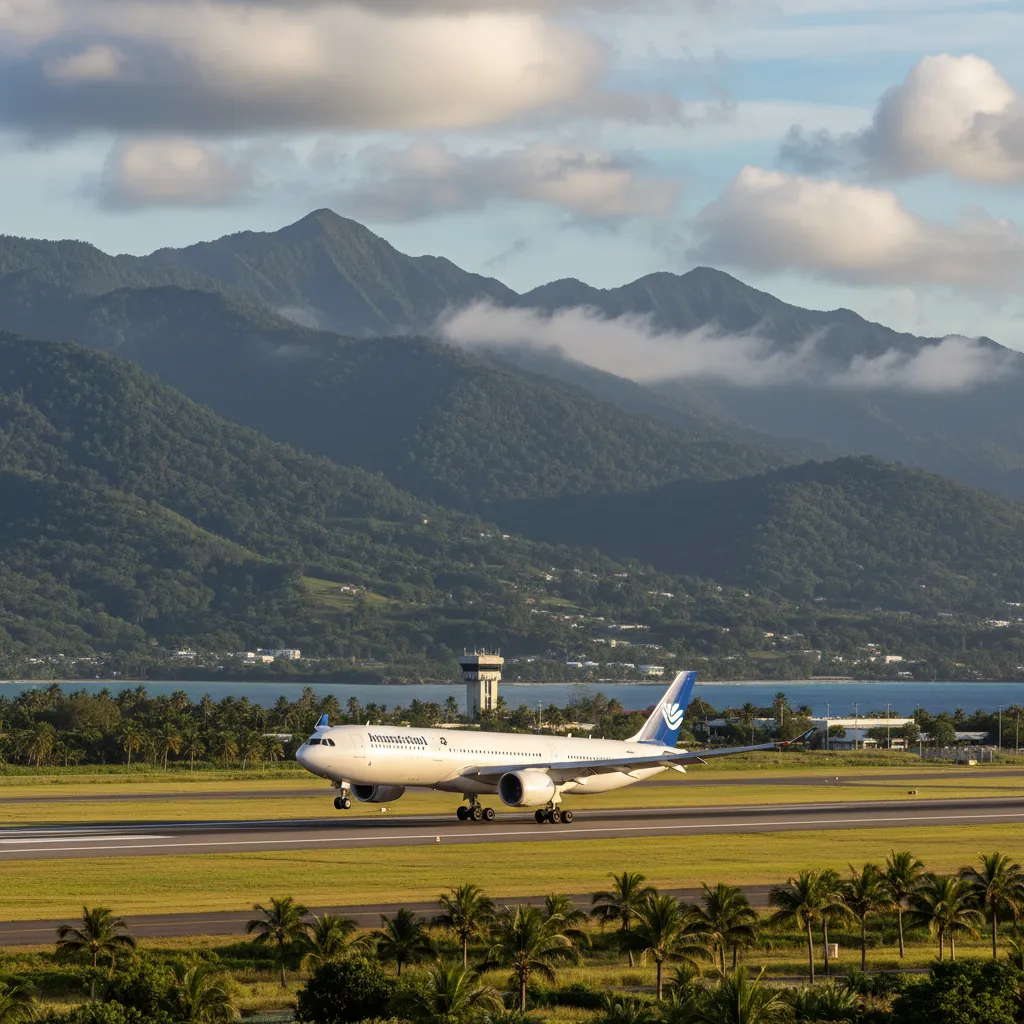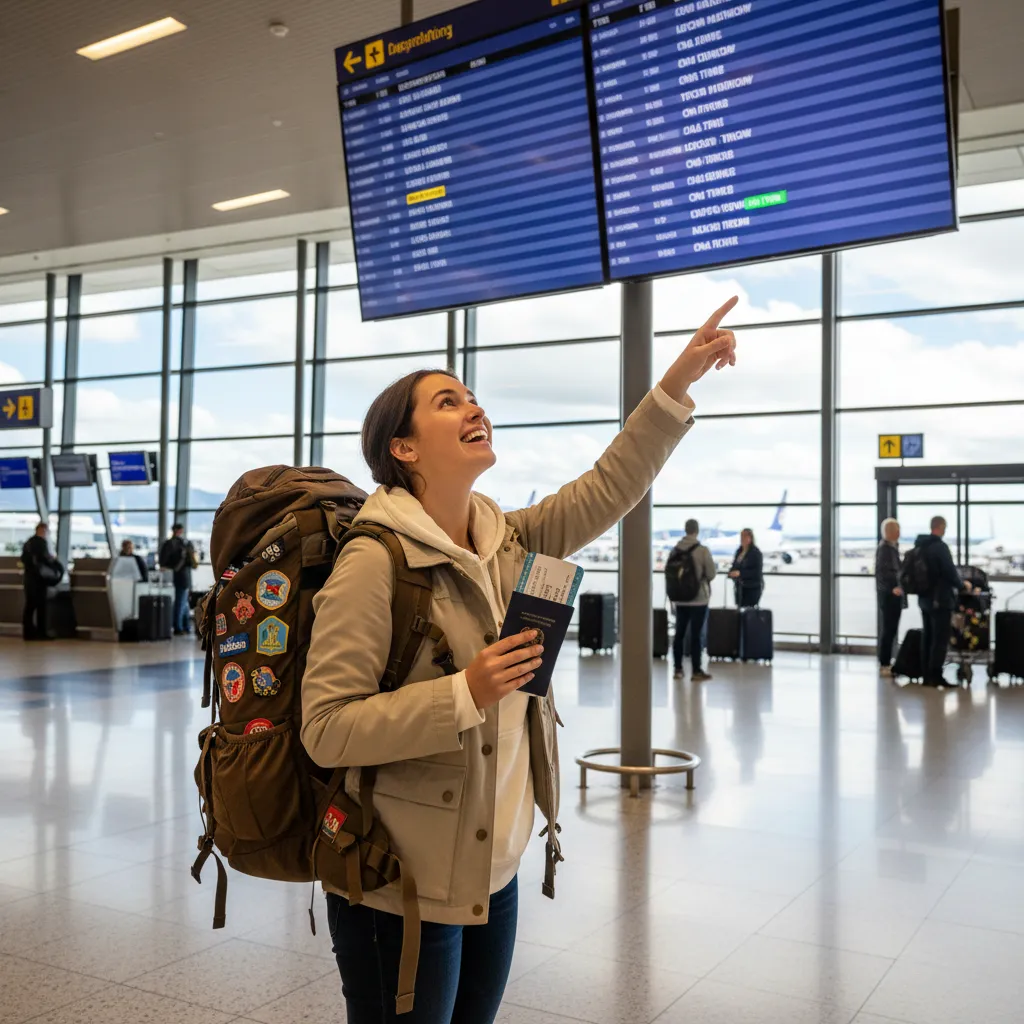
New Caledonia flight taxes encompass a variety of mandatory government and carrier-imposed charges, including the International Visitor Conservation and Tourism Levy (IVL) equivalents, airport infrastructure fees, and departure taxes. When booking flights to Nouméa, travelers should anticipate these additional costs to range between $50 and $150 USD per ticket, separate from the base airfare.
The allure of New Caledonia, with its pristine lagoons and French-Melanesian culture, is undeniable. However, for the budget-conscious traveler, the initial ticket price seen on search engines often tells only half the story. The aviation industry is notorious for “drip pricing,” and flights to the Pacific Islands are no exception. Understanding the breakdown of New Caledonia flight taxes and ancillary fees is crucial for accurate budget planning.
Whether you are flying via Aircalin, Qantas, or Air New Zealand, the final price at checkout is often significantly higher than the advertised fare. This guide dissects every hidden fee, from government-mandated ecological levies to carrier-imposed surcharges, ensuring you aren’t caught off guard when booking your tropical getaway.

What Are New Caledonia Flight Taxes?
When we discuss “flight taxes,” we are often grouping together two distinct categories of costs: government taxes and airline surcharges. It is vital to distinguish between the two to understand where your money is going.
Government taxes are non-negotiable fees collected by the airline on behalf of the government. In the context of New Caledonia, these fund airport security, customs processing, and environmental conservation efforts. Airline surcharges, on the other hand, are fees like the “Fuel Surcharge” (often listed as YQ or YR on your ticket), which go directly to the carrier to offset operating costs.
Common Tax Codes on Your Ticket
If you look at the fine print of your e-ticket receipt, you will likely see a string of codes. Here is what they typically represent for flights into Nouméa (NOU):
- QX: Passenger Service Charge (International)
- FR: Aviation Civil Tax
- IZ: Solidarity Tax
- YQ/YR: Carrier-imposed fuel and insurance surcharges
The International Visitor Conservation and Tourism Levy (IVL)
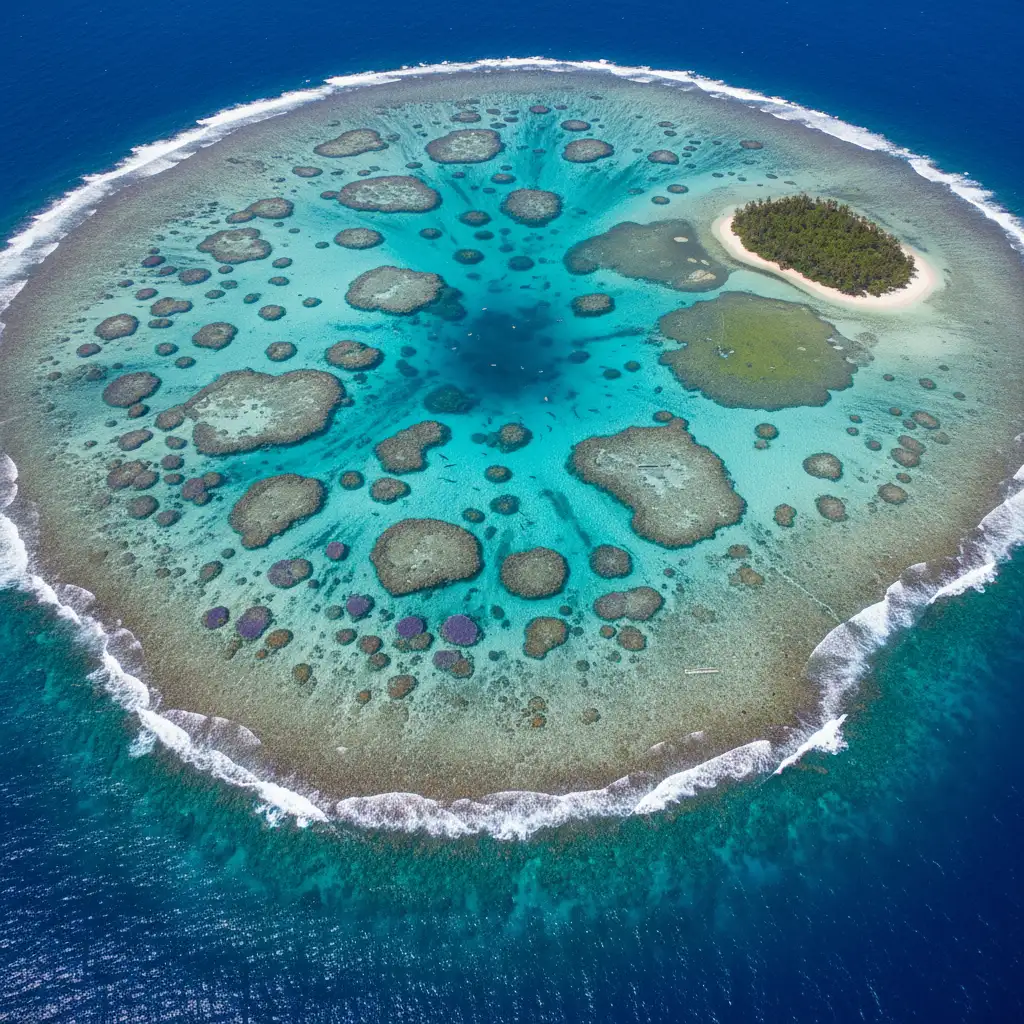
Sustainable tourism is a growing priority across the Pacific. While the term “International Visitor Conservation and Tourism Levy” (IVL) is most famously associated with New Zealand, New Caledonia has implemented similar fiscal structures designed to protect its unique biodiversity. The archipelago is home to one of the world’s largest lagoons and a distinct ecosystem that requires significant funding to maintain.
Travelers should be aware that conservation taxes are often embedded directly into the cost of the airfare under the “Taxes and Fees” section. These funds are allocated toward maintaining national parks, protecting coral reefs, and improving infrastructure for tourists. Unlike a visa fee which might be paid separately upon arrival or online, these levies are almost always collected at the point of ticket purchase.
Why This Fee Matters
New Caledonia faces unique ecological challenges. The revenue generated from these flight taxes helps manage the impact of tourism on local resources. When you see a slight increase in your total fare attributed to government taxes, it is effectively an investment in the preservation of the destination you are about to enjoy.
Departure Taxes: Leaving La Tontouta
One of the most commonly overlooked expenses is the departure tax. While many modern airlines include this in the ticket price, it is a line item that significantly bumps up the cost of a round-trip ticket. La Tontouta International Airport (NOU) charges fees to cover passenger processing and security measures.
Is the Departure Tax Included?
For most major carriers flying into New Caledonia, such as Aircalin, Qantas, and Air New Zealand, the departure tax is collected at the time of booking. However, if you are booking separate one-way tickets or flying on a smaller charter operation, you must verify if this tax has been paid. If not, you may be asked to pay it at the airport before you can pass through immigration, though this practice is becoming increasingly rare in favor of digital integration.
The departure tax generally covers:
- Security Screening: Maintenance of X-ray machines and security personnel.
- Customs and Immigration: Processing of exiting passengers.
- Infrastructure: Upkeep of the terminal buildings.
Navigating Baggage Fees and Allowances
Perhaps the most frustrating “hidden” fee for travelers is the cost of luggage. As airlines move toward “unbundled” fares (where you pay for the seat only), baggage fees have become a primary revenue stream. Flights to New Caledonia are not immune to this trend.
Aircalin Baggage Policies
As the flag carrier, Aircalin generally offers generous allowances, but this depends heavily on the fare class booked. “Saver” fares may strictly limit carry-on weight or exclude checked bags entirely.
- Economy: typically allows one checked bag up to 23kg.
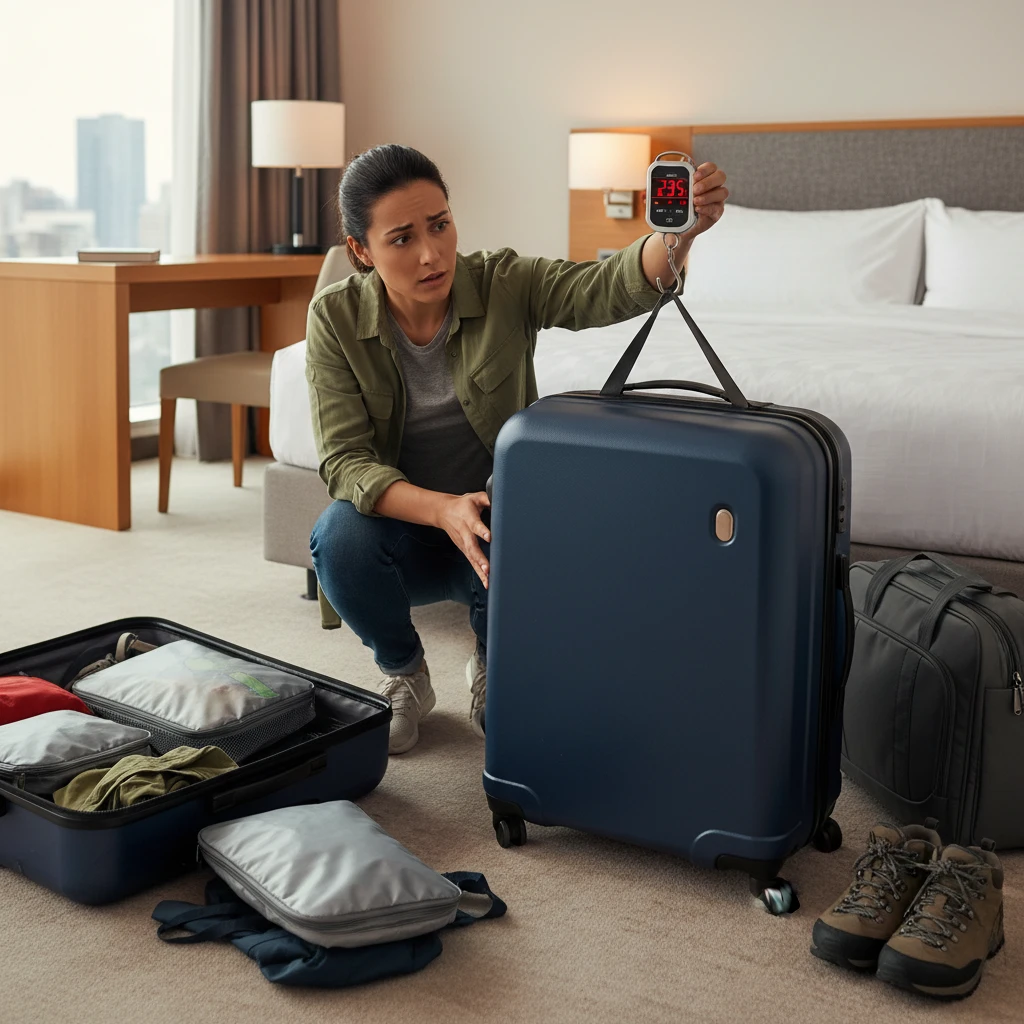
- Excess Baggage: If you go over the weight limit, the per-kilo charge can be exorbitant. It is often cheaper to purchase an extra bag allowance online in advance than to pay for overweight fees at the check-in counter.
- Sports Equipment: New Caledonia is a hub for kitesurfing and diving. Always check the specific fees for sports equipment. Aircalin often has specific allowances for golf or diving gear, but this must be confirmed 48 hours before departure.
Partner Airline Variations
If your itinerary involves a codeshare (e.g., flying Qantas from Sydney to connect to an Aircalin flight), the baggage rules of the “Most Significant Carrier” (MSC) usually apply. However, confusion often arises regarding carry-on weights. Aircalin may allow 12kg, while a connecting regional partner may only allow 7kg. Being forced to check a carry-on bag at the gate due to weight discrepancies can result in an unexpected $60-$100 fee.
Credit Card Processing and Booking Fees
You have found the perfect flight, selected your dates, and are ready to pay. Then, the final screen updates, and the price jumps by 1.5% to 3%. This is the credit card processing fee (or surcharge).
Surcharges by Payment Method
Airlines and booking agents pass the merchant fees charged by credit card companies directly to the consumer.
- Visa/Mastercard: Typically incur a fee ranging from 1% to 1.5% of the total transaction value.
- American Express/Diners Club: Often attract higher surcharges, sometimes upwards of 2.5% to 3%.
- Debit Cards: In some jurisdictions, paying with a debit card incurs a lower fee or no fee at all.
To avoid these fees, look for payment options like direct bank transfer (POLi in Australia/NZ) or use a debit card if the airline’s policy waives the fee for that payment method. While a 1.5% fee sounds small, on a $2,000 family booking, that is an extra $30 spent on nothing but processing.
The Hidden Cost of Seat Selection
Gone are the days when picking a window or aisle seat was a free perk of flying. Today, seat selection is a monetized commodity. When booking flights to New Caledonia, you will likely encounter a seat map where almost every desirable seat has a price tag.
Standard vs. Preferred Seating
- Standard Seats: Often free only during online check-in (24-48 hours before flight). If you want to secure them months in advance, you pay a fee.
- Preferred Seats: These are standard economy seats located near the front of the cabin for quicker disembarkation. They offer no extra legroom but command a premium price.
- Exit Row/Extra Legroom: These seats can cost upwards of $80-$150 extra per leg.
Strategy for Families
If you are traveling with children, airlines are generally required to seat children near a parent. However, the algorithms used by booking engines don’t always recognize this automatically. To ensure you sit together without paying extra, it is recommended to call the airline directly after booking. If you wait until check-in, you risk being separated or forced to pay for whatever premium seats remain.
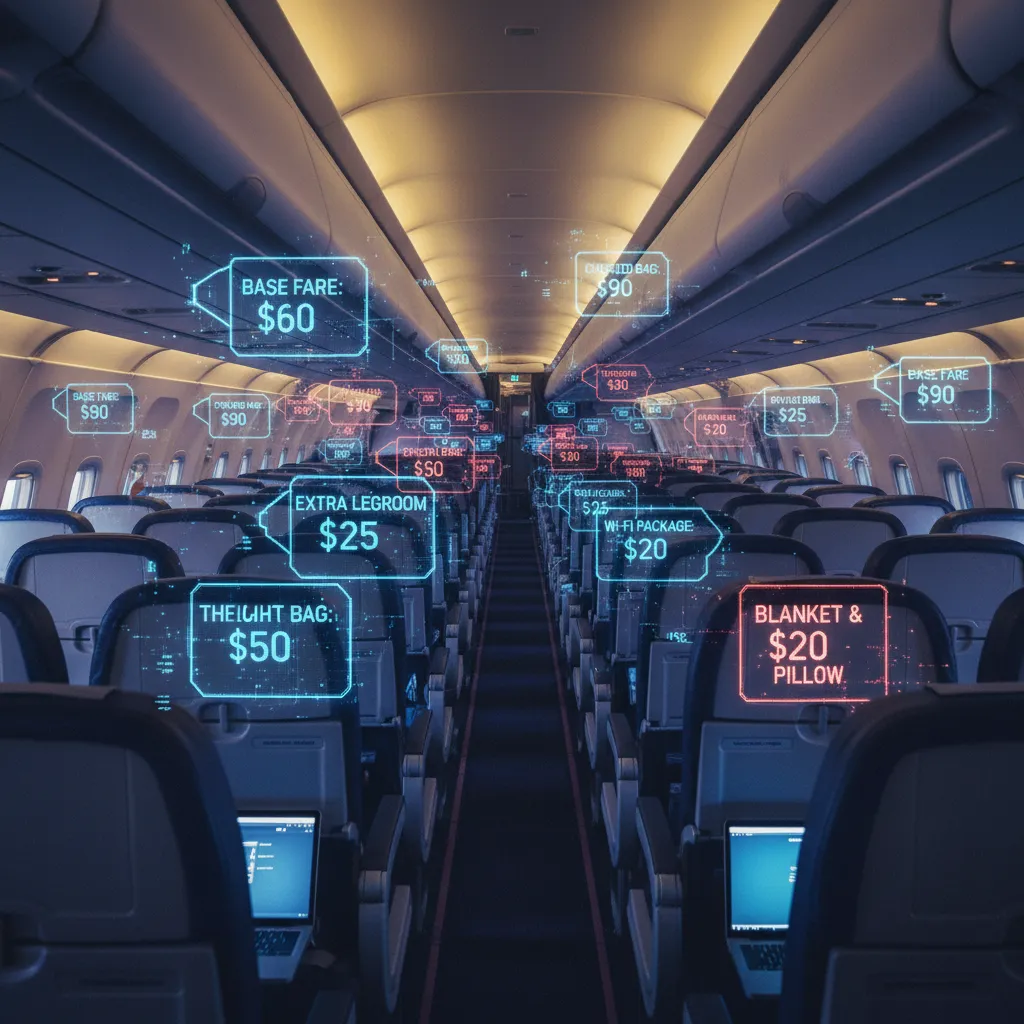
How to Read Your Ticket Tax Breakdown
Understanding your invoice is the first step toward smart travel budgeting. When you receive your e-ticket receipt, do not just look at the bottom line. Expand the “Taxes and Carrier Fees” section.
You will see a base fare, which might be surprisingly low. For example, a ticket might show a base fare of $200, but a total price of $550. The $350 difference is comprised of the New Caledonia flight taxes, security levies, and the fuel surcharge. Knowing this breakdown is helpful if you need to cancel or change your flight. generally, government taxes are refundable even on non-refundable tickets if you do not fly, whereas the base fare and carrier surcharges are not.
Conclusion: Budgeting Beyond the Base Fare
A trip to New Caledonia is an investment in memories, but it shouldn’t be a source of financial stress due to surprise fees. By accounting for the International Visitor Conservation and Tourism Levy, anticipating departure taxes, managing baggage allowances strictly, and being strategic about seat selection and payment methods, you can keep your travel budget intact.
Always read the fine print before clicking “Pay,” and consider travel insurance that covers flight cancellations to ensure you can recoup those hefty taxes should your plans change. With the right preparation, the only thing you will need to worry about is which beach to visit first.
Do I have to pay a departure tax at Noumea airport?
In most cases, the departure tax is included in the price of your airline ticket under the taxes and fees section. However, if you are flying on a charter flight or a separate ticket not linked to a major carrier, you should verify if this fee has been prepaid to avoid delays at the airport.
How much is the tourist tax for New Caledonia?
New Caledonia does not have a single flat-rate “tourist tax” paid upon entry like some other nations. Instead, costs are embedded in airfare taxes (such as the solidarity tax and passenger service charges). These can total between $50 and $100 USD depending on the origin and carrier.
Are flight taxes refundable if I cancel my trip?
generally, yes. Even if you purchased a non-refundable economy ticket, the government taxes (like airport and security taxes) are usually refundable because the airline only pays them to the government if you actually travel. However, carrier-imposed surcharges (fuel) are often not refundable.
Does Aircalin charge for checked bags?
It depends on your fare class. Standard Economy fares usually include one checked bag (23kg). However, “Saver” or promotional fares may exclude checked baggage, requiring you to purchase it as an add-on. Always check your specific ticket conditions.
What is the YQ tax on my flight ticket?
The YQ (or sometimes YR) code on your ticket represents a “Carrier Imposed Surcharge,” commonly known as a fuel surcharge. While it looks like a tax, it is actually a fee collected and kept by the airline to offset volatile fuel prices and insurance costs.
How can I avoid credit card fees when booking flights?
To avoid credit card surcharges, look for payment methods like direct debit, bank transfer (such as POLi), or use a debit card if the airline offers lower fees for these methods. Some frequent flyer credit cards also offer waived booking fees on their specific partner airlines.