
The primary health requirements for New Caledonia involve ensuring routine vaccinations like MMR and Tetanus are up-to-date. While there are no mandatory vaccines for New Zealanders arriving directly, health authorities strongly recommend Hepatitis A and Typhoid vaccinations. Protection against mosquito-borne illnesses like Dengue fever is also a critical health priority for all visitors.
What are the recommended vaccinations for New Caledonia?
For New Zealanders planning a tropical getaway to New Caledonia, the first step in health preparation is a consultation with a GP or a specialized travel clinic. Ideally, this should happen six to eight weeks before your departure date. While New Caledonia is a developed territory with high standards of public health, the tropical environment presents specific risks that differ from the New Zealand climate.
The most important health requirements for New Caledonia start with your routine immunisations. Ensure you are current with Measles-Mumps-Rubella (MMR), Diphtheria-Tetanus-Pertussis, Polio, and Varicella (Chickenpox). In recent years, measles outbreaks have occurred globally, making the MMR vaccine particularly vital for international transit.

Hepatitis A and Typhoid
Hepatitis A and Typhoid are the two most frequently recommended travel-specific vaccines for New Caledonia. Both diseases are transmitted through contaminated food or water. While Noumea maintains high sanitation standards, travellers exploring the rural areas of the Grande Terre or the Loyalty Islands (Lifou, Mare, and Ouvea) may encounter varying levels of hygiene. A combined vaccine or individual doses can provide long-term protection against these gastrointestinal illnesses.
Hepatitis B and Rabies
Hepatitis B vaccination is recommended for travellers who might engage in activities involving blood or bodily fluids, such as medical work, tattoos, or new sexual partners. While rabies is not currently a significant threat in New Caledonia, those planning extensive outdoor activities in remote areas or working with animals should discuss the risk with their healthcare provider. Unlike many other Pacific nations, New Caledonia is currently considered rabies-free, but keeping abreast of current WHO status is always advisable.
How to prevent mosquito-borne diseases in the Pacific?
Mosquitoes in New Caledonia are more than just a nuisance; they are vectors for several viral diseases. Unlike New Zealand, where mosquitoes are primarily a source of itchy bites, the Aedes aegypti mosquito in New Caledonia can transmit Dengue fever, Zika virus, and Chikungunya. There is currently no vaccine available to the general public for these diseases, making prevention the only effective strategy.

Understanding Dengue Fever
Dengue fever is endemic to New Caledonia, with periodic outbreaks occurring during the warmer, wetter months from December to April. Symptoms include high fever, severe headache, joint and muscle pain (often called ‘breakbone fever’), and a skin rash. To minimize risk, travellers must be diligent about using insect repellent containing DEET, Picaridin, or Oil of Lemon Eucalyptus. Unlike the mosquitoes that carry Malaria (which is not present in New Caledonia), the Dengue-carrying mosquito bites primarily during daylight hours, especially at dawn and dusk.
Practical Prevention Tips
When packing for your trip, include light-colored, long-sleeved shirts and long trousers. Treating clothing with permethrin can provide an extra layer of protection. Ensure your accommodation is air-conditioned or has high-quality window and door screens. If you are staying in more rustic or traditional ‘case’ accommodation, always use a mosquito net over your bed.
Is the tap water safe to drink in Noumea?
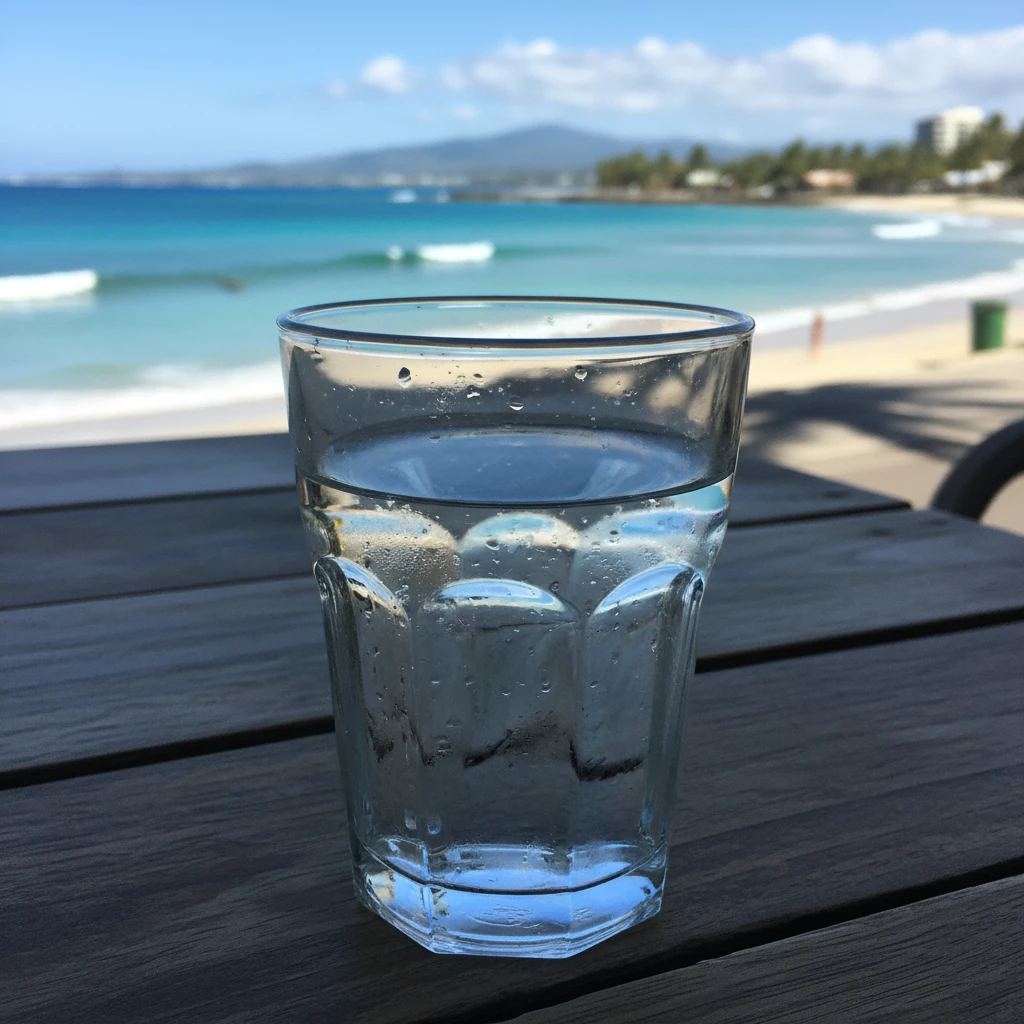
One of the most common questions regarding health requirements for New Caledonia is the safety of the local water supply. In the capital city of Noumea, the tap water is treated and generally considered safe for drinking, brushing teeth, and washing food. Many New Zealanders find the taste slightly different due to the mineral content, but it does not typically cause illness.
Water Safety in Rural Areas
Outside of Noumea and the major resort areas, the reliability of the water supply can vary. In the ‘Brousse’ (the rural countryside) or on the smaller islands, it is safer to stick to bottled water or to boil tap water for at least one minute. If you are hiking or camping, use portable water filters or purification tablets. Always ensure that the seal on bottled water is intact when purchasing from local stores.
Staying Hydrated
The tropical heat and humidity of New Caledonia can lead to rapid dehydration, especially for New Zealanders accustomed to a cooler climate. Increase your water intake significantly, even if you do not feel thirsty. Limit the consumption of alcohol and caffeine, which can exacerbate dehydration. If you are engaging in strenuous physical activity like hiking Mount Panie, consider using oral rehydration salts to maintain your electrolyte balance.
How do I access medical care in New Caledonia?
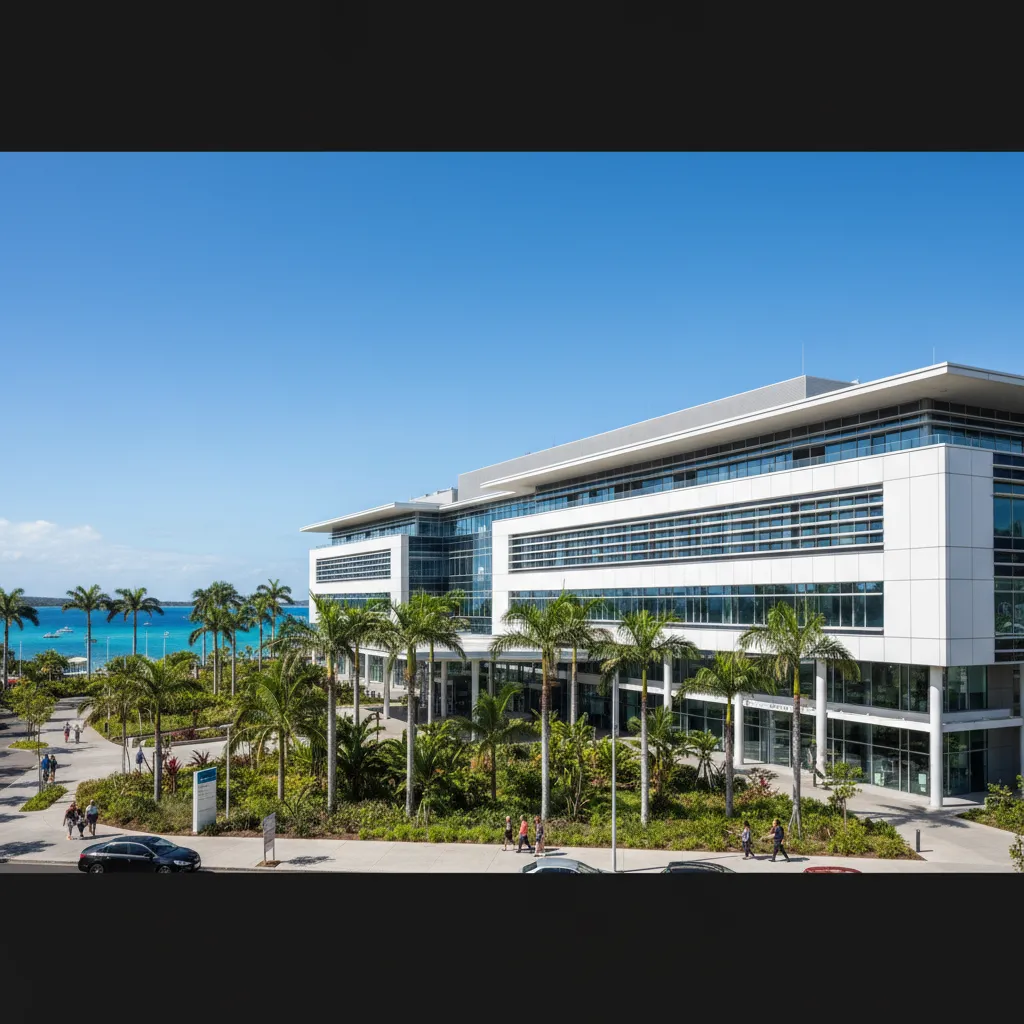
New Caledonia boasts some of the best medical facilities in the South Pacific, largely due to its status as an overseas territory of France. The standard of care in Noumea is comparable to that found in New Zealand or Australia. The main public hospital, the Centre Hospitalier Territorial (CHT) Gaston-Bourret, is a modern facility equipped to handle serious emergencies and specialist treatments.
Private Clinics and Pharmacies
For non-emergency issues, there are several private clinics (cliniques) and numerous general practitioners throughout Noumea. Pharmacies (identified by a glowing green cross) are abundant and well-stocked with French and international medications. Many pharmacists are highly trained and can provide advice for minor ailments like stings, rashes, or digestive upsets. Note that many medications that are over-the-counter in NZ might require a prescription in New Caledonia.
Language Barriers and Costs
While many doctors in Noumea speak English, the primary language of the medical system is French. It is helpful to have a translation app or a list of your current medications and allergies written in French. Medical care in New Caledonia is expensive. Unlike some other Pacific nations, there is no reciprocal health agreement between New Zealand and New Caledonia. This means you will be required to pay for all treatments upfront, which can run into thousands of dollars for even minor hospital stays.
Sun Safety and Marine Hazards
The New Caledonian sun is exceptionally strong. Even on cloudy days, the UV index can reach extreme levels. New Zealanders, who are already aware of high UV risks at home, should apply the same ‘Slip, Slop, Slap, and Wrap’ rules. Use a broad-spectrum, water-resistant sunscreen with an SPF of at least 50+, and reapply every two hours, especially after swimming in the lagoon.
Marine Life Precautions
The world-class lagoon is a highlight of any trip, but it does house certain hazards. Stonefish and scorpionfish camouflage themselves on the sea floor; wearing reef shoes is highly recommended to avoid painful stings. Sea snakes (tricot rayé) are common but generally docile; however, they are highly venomous and should never be touched. Additionally, be aware of ‘Ciguatera’—a food poisoning caused by eating certain large reef fish that have accumulated toxins from algae. It is generally safer to eat pelagic fish like tuna or mahi-mahi rather than large reef predators.
Why is travel insurance essential for NZ travellers?
Given the high cost of private medical care and the potential need for emergency medical evacuation back to Auckland, comprehensive travel insurance is non-negotiable. When selecting a policy, ensure it covers ‘medical evacuation and repatriation.’ If you fall seriously ill or have a significant accident on a remote island, the cost of a medivac flight to Noumea or New Zealand can exceed $50,000.
Check that your policy covers the specific activities you plan to enjoy, such as scuba diving, kite surfing, or mountain biking. Always disclose any pre-existing medical conditions to your insurer to ensure your coverage is valid. Keep a digital and physical copy of your insurance policy and the 24-hour emergency contact number with you at all times during your travels.
Do I need a yellow fever vaccine for New Caledonia?
Only if you are arriving from a country with a risk of yellow fever transmission. New Zealand is not on this list, so direct travellers do not require it.
Is Zika virus a concern in New Caledonia?
Yes, Zika has been reported in New Caledonia. Pregnant women or those planning pregnancy should consult their doctor before travelling due to the risk of birth defects.
Can I use my New Zealand prescriptions in Noumea?
You should bring an ample supply of your medication in original packaging. While a NZ prescription might help a local doctor write a French equivalent, it cannot be filled directly at a local pharmacy.
Are there poisonous snakes in New Caledonia?
The ‘Tricot Rayé’ is a venomous sea snake found on beaches and in the water. They are not aggressive but should be avoided. There are no land snakes in New Caledonia.
What should I do if a mosquito bites me?
Monitor for symptoms like high fever or joint pain over the next two weeks. If symptoms develop, seek medical attention immediately and mention your travel history.
Is the medical system in New Caledonia expensive?
Yes, medical costs are high and must be paid upfront. Comprehensive travel insurance is essential for all New Zealand visitors.