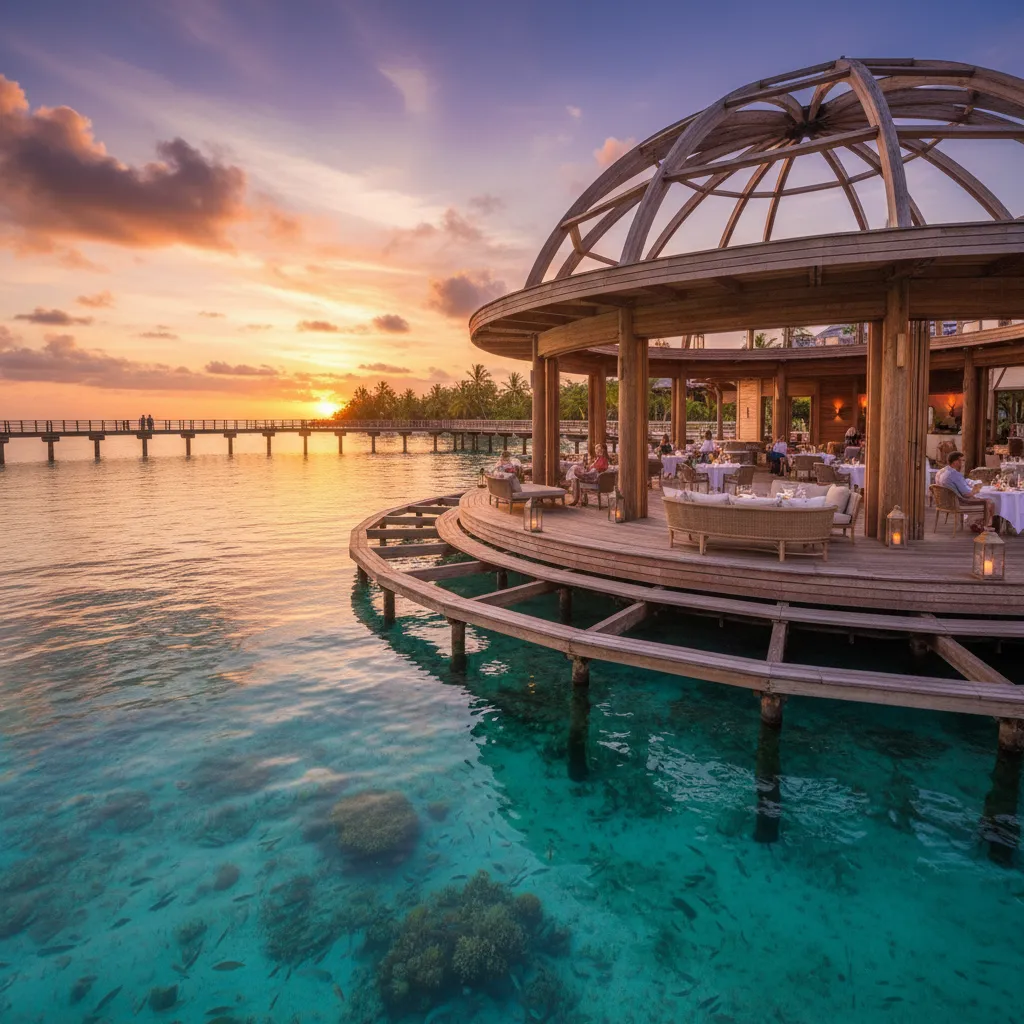
The best wine bars in Noumea, specifically Le Chai de l’Hippodrome and Le 12 Glasser, offer an authentic French oenological experience with extensive selections of Bordeaux, Burgundy, and Côtes du Rhône by the glass. These venues define the local ‘apéro’ culture, pairing imported vintages with artisanal charcuterie and cheese boards known as planchettes.
Why visit wine bars in Noumea?
For travelers from New Zealand and Australia, including those taking Flights from Christchurch to New Caledonia, New Caledonia represents the closest opportunity to experience authentic French gastronomy without the twenty-four-hour flight to Paris. The wine bars in Noumea are not merely places to drink; they are cultural institutions that mirror the sophistication of metropolitan France while embracing the relaxed rhythm of the South Pacific. Finding the right wine bars noumea has to offer is essential for any tourist looking to elevate their holiday experience.
The city operates on the rhythm of the “apéro”—the sacred pre-dinner hour where locals and tourists alike gather to unwind. Unlike the craft beer focus often found in Auckland or Sydney, or across Regional NZ Connections: Nelson, Dunedin, Napier, Noumea remains steadfastly loyal to the grape. Here, wine lists are dominated by French imports, prices are surprisingly accessible for high-quality vintages, and the accompanying food is treated with equal reverence. Whether you are a connoisseur of complex Burgundies or simply enjoy a crisp Provence Rosé, the capital’s venues cater to every palate.
Where are the best wine bars in Noumea?
Noumea’s wine scene is concentrated primarily around the Baie des Citrons, Anse Vata, and the Latin Quarter. Each neighborhood offers a distinct vibe, ranging from beachfront casual to upscale chic. When searching for the premier wine bars Noumea provides, you must look for venues that prioritize their cellar management and temperature control—a crucial factor in the tropical climate.
Le 12 Glasser
Located in the Faubourg Blanchot district, Le 12 Glasser is a favorite among expatriates and locals who appreciate a more intimate setting. It operates as a “Cave à Manger” (dining cellar), meaning you are essentially eating inside a wine shop. The selection here is meticulously curated, often featuring smaller producers and organic or biodynamic wines that you won’t find in the larger supermarkets. The atmosphere is cozy, sophisticated, and distinctly Parisian.
L’Endroit
situated at Baie des Citrons, L’Endroit offers a stunning view of the ocean, making it the perfect location for a sunset drink. While it serves a full restaurant menu, its wine list is extensive. The venue bridges the gap between a high-end beach club and a traditional French brasserie. It is an ideal spot for those who want to sip a chilled Chablis while watching the sun dip below the horizon.
Le Bout du Monde
Located at Port Moselle, this venue is an institution. While it is more of a bistro-bar than a dedicated wine cellar, its location overlooking the marina makes it a prime spot for wine lovers. The wine list is robust, featuring reliable classics from major French regions. The ambiance is lively, often featuring live music, making it a great choice for a Friday night out.
What makes Le Chai de l’Hippodrome a must-visit?
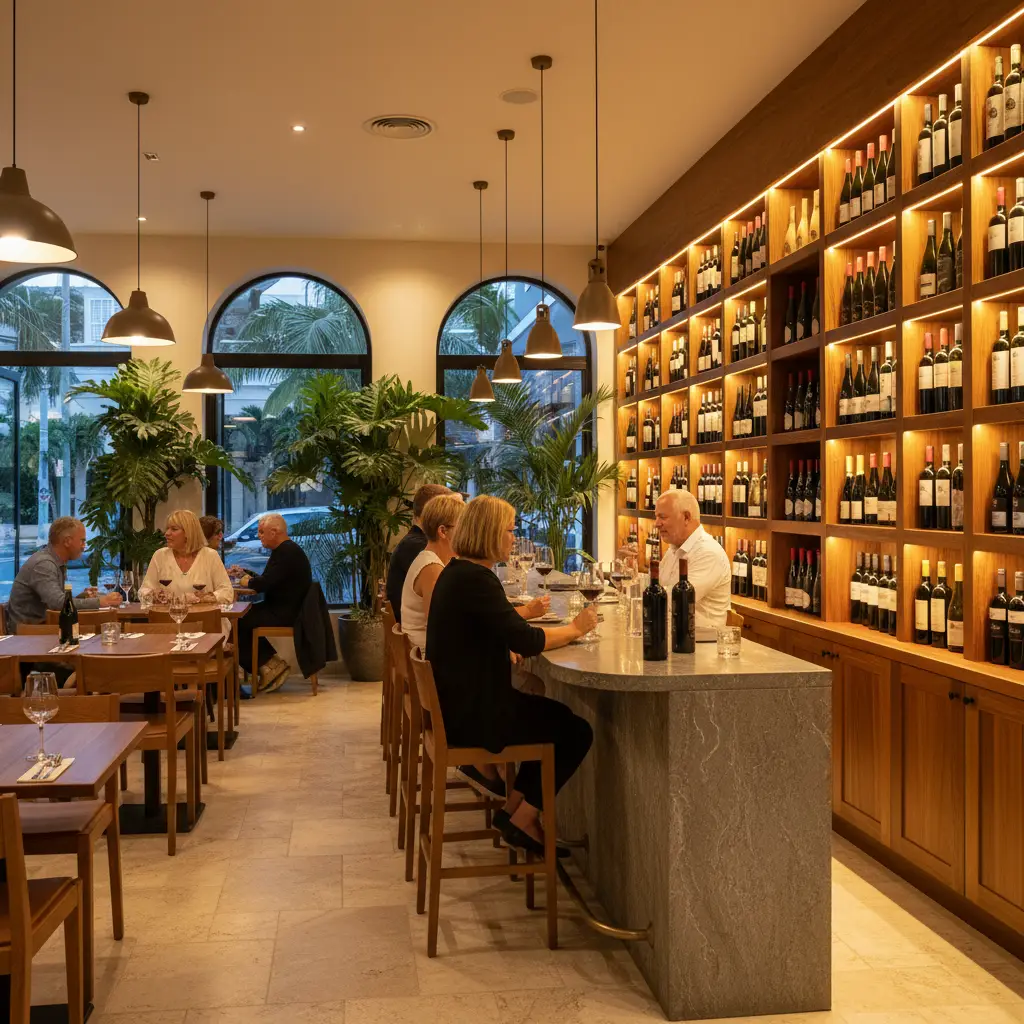
If you only visit one dedicated wine venue in New Caledonia, it should be Le Chai de l’Hippodrome. Located in the Anse Vata area, this establishment is widely regarded as the cathedral of wine in Noumea. It is not just a bar; it is a massive cellar, a gourmet grocery, and a tasting venue rolled into one.
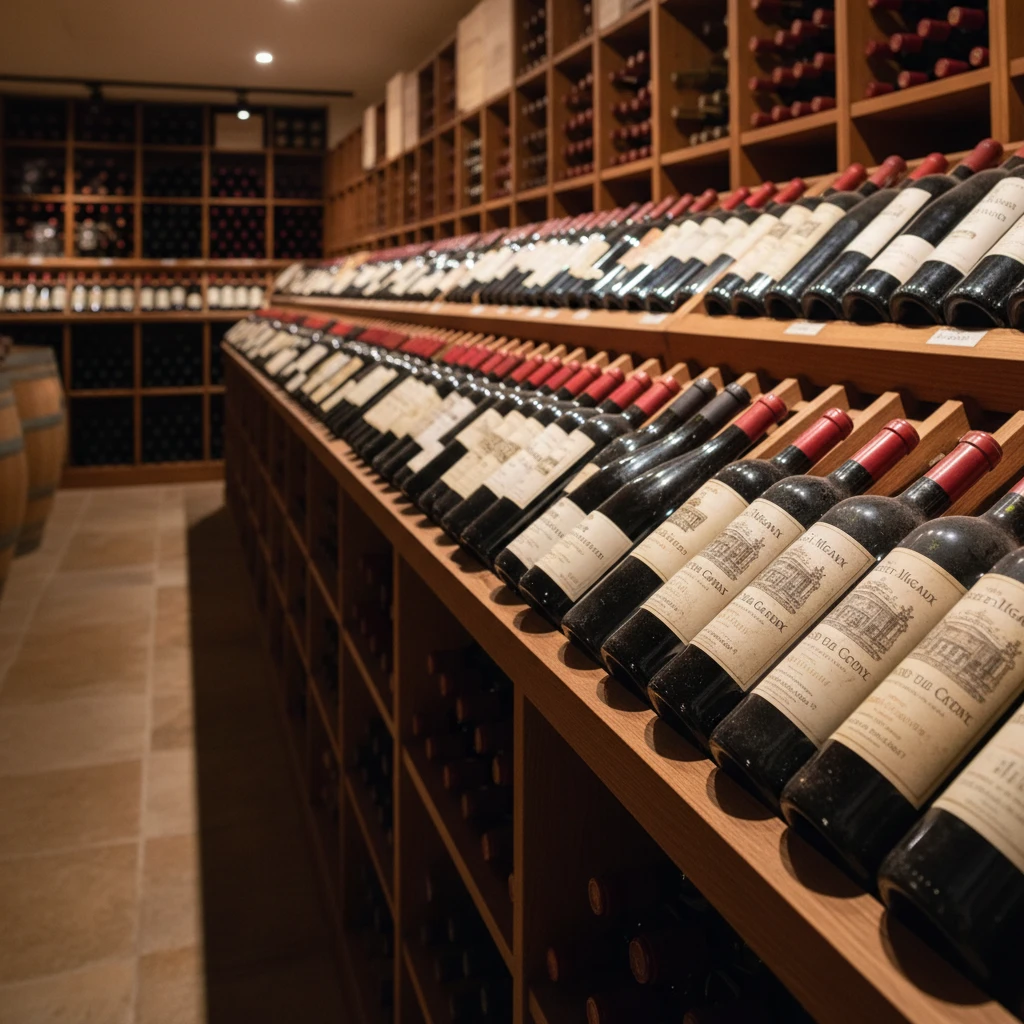
The architecture itself sets the tone—high ceilings, industrial-chic aesthetics, and walls lined with thousands of bottles creating a library of wine. The “Enomatic” wine serving system allows guests to sample premium wines by the glass that would normally only be sold by the bottle. This technology preserves the wine perfectly, allowing you to taste a Grand Cru Classé Bordeaux without committing to the full price of the bottle.
The staff at Le Chai are sommeliers who speak excellent English and are eager to guide New Zealand travelers through the complexities of French appellations. They frequently host tasting events and masterclasses. Furthermore, the attached gourmet shop allows you to purchase the exact bottle you just enjoyed, along with foie gras, terrines, and chocolates to take back to your accommodation.
How to order a ‘Planchette’ (Cheese & Charcuterie Board)
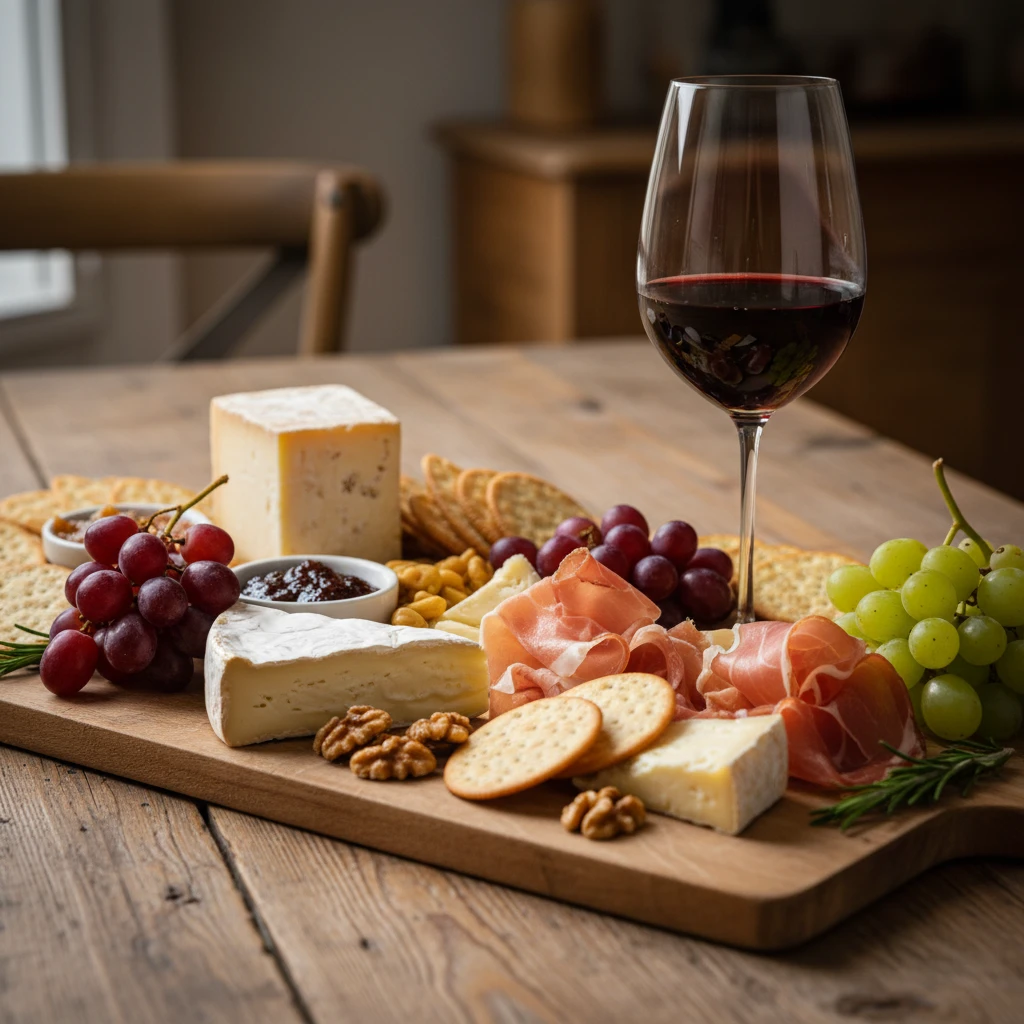
In Noumea, wine is rarely consumed in isolation. It is almost always accompanied by food, specifically the “Planchette.” Understanding how to order and enjoy a planchette is vital for the full experience. A planchette is a wooden board laden with artisanal products, designed for sharing.
The Composition
A standard “Planchette Mixte” includes both cheese (fromage) and cured meats (charcuterie). However, you can usually request a board dedicated entirely to one or the other. Expect to find:
- Cheeses: Staples include Comté (aged 18 to 36 months), Brie de Meaux, Roquefort (blue cheese), and Saint-Nectaire. Unlike the processed cheeses often found in the Pacific, these are raw-milk cheeses imported directly from Rungis Market in Paris.
- Charcuterie: Rosette de Lyon (salami), Jambon de Bayonne (cured ham similar to prosciutto), Rillettes (potted meat), and Pâté de Campagne.
- Accompaniments: Cornichons (pickles), semi-salted butter (beurre demi-sel), and a basket of fresh baguette.
When ordering at wine bars in Noumea, the portion sizes are generally generous. A large planchette can easily serve as a light dinner for two people. Do not be afraid to ask the server for a wine pairing recommendation based on the specific cheeses on the board; for example, a white Sancerre pairs beautifully with goat cheese, while a robust Cahors Red is better suited for the charcuterie.
Which French wines should you try by the glass?
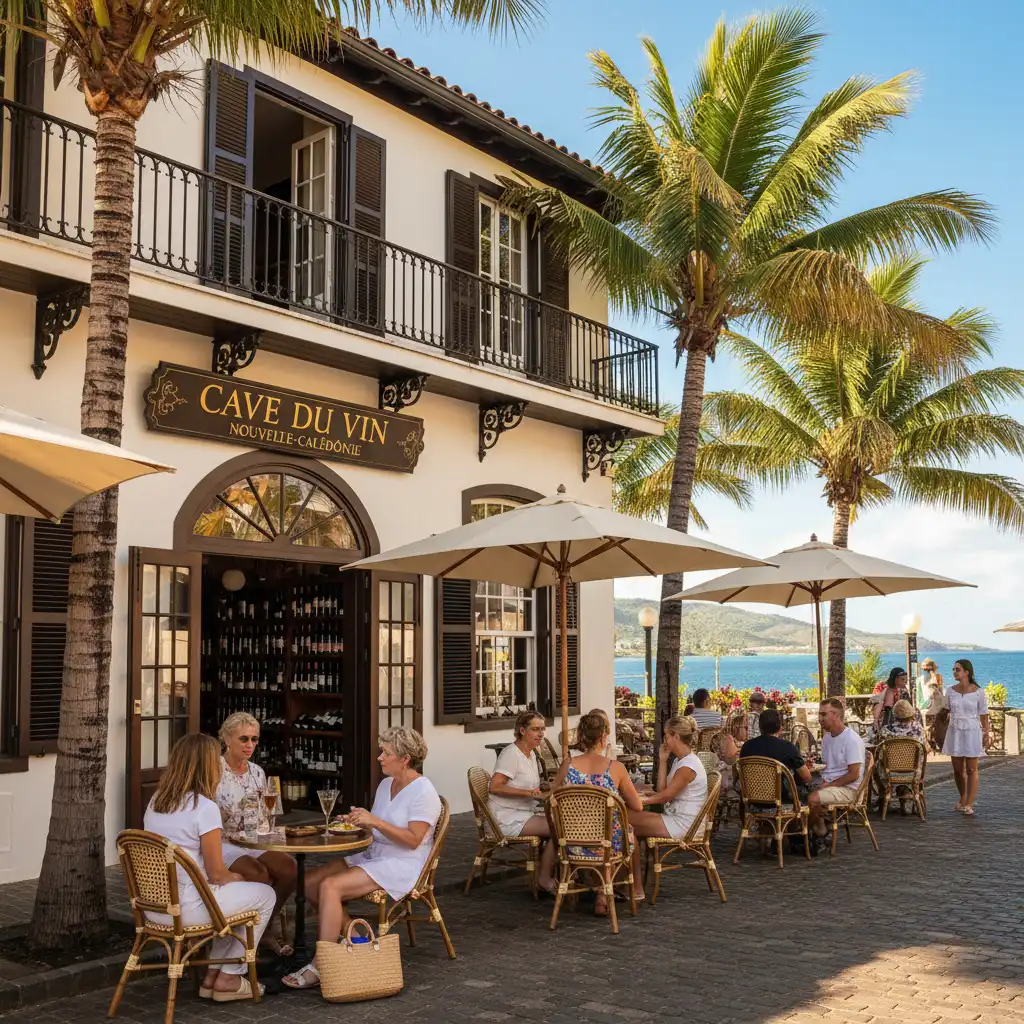
The beauty of the wine bars in Noumea lies in the variety available by the glass (“au verre”). Because New Caledonia is a French territory, the import taxes and supply chains favor French regions heavily. Travelers should take this opportunity to explore appellations that are expensive or rare in New Zealand.
Alsace
For white wine lovers, look for Riesling or Gewürztraminer from Alsace. These are aromatic, floral, and often dry, making them perfect for the tropical humidity. They differ significantly from the sweeter styles often produced in New Zealand.
Côtes de Provence
Rosé is the lifeblood of Noumea. A “Piscine” (Pool) is a popular way to drink rosé here—served in a large glass over ice. While purists may frown, it is a refreshing way to enjoy a Côtes de Provence rosé on a hot afternoon. For a serious glass, look for Bandol Rosé, which offers more structure and complexity.
Bordeaux and Rhône Valley
For reds, the lists are dominated by Bordeaux (Merlot/Cabernet blends) and the Rhône Valley (Syrah/Grenache blends). Try a Crozes-Hermitage or a Saint-Émilion Grand Cru. These wines are served at cellar temperature (slightly cooler than room temperature in the tropics) to ensure the alcohol doesn’t overpower the palate.
Buying Wine to Take Home: Limits and Tips
After sampling the best wine bars Noumea has to offer, you will likely want to bring bottles back to New Zealand. The prices in Noumea for French wine are significantly lower than in NZ, often by 30% to 50% for equivalent bottles, due to the direct trade links with France.
Where to Buy
While wine bars sell bottles to take away, supermarkets like Carrefour and Géant often have impressive wine alleys (“Foire aux Vins”) with excellent prices. However, for specific advice and premium storage conditions, specialty shops like La Vinothèque or the shop at Le Chai de l’Hippodrome are superior.
Duty-Free Allowances for New Zealand
It is critical to adhere to New Zealand Customs regulations to avoid fines or confiscation upon your return. As of the current regulations:
- Wine and Beer Limit: You are entitled to bring in 4.5 liters of wine or beer duty-free. This equates to exactly 6 standard bottles (750ml each).
- Spirits Limit: In addition to the wine, you can bring up to 3 bottles (max 1.125L each) of spirits.
Pack your wine carefully in your checked luggage. Many wine shops in Noumea sell inflatable bottle protectors or styrofoam shippers specifically for travelers. Remember that Arrival Logistics: Tontouta Airport to Noumea and duty-free purchases at the airport are also an option, but the selection is generally smaller than what you will find in the city’s specialized caves.
People Also Ask
What is the legal drinking age in New Caledonia?
The legal drinking age in New Caledonia is 18 years old. You may be asked to show photo ID, such as a passport or driver’s license, at bars and supermarkets.
Is tipping expected in Noumea wine bars?
Tipping is not mandatory in New Caledonia as service is included in the price. However, leaving small change or rounding up the bill is appreciated for good service, though not expected.
Can I buy wine in supermarkets in Noumea on weekends?
New Caledonia has strict laws regarding the sale of alcohol. The sale of alcohol in supermarkets and bottle shops is often prohibited on Wednesday, Friday, Saturday, and Sunday afternoons, and sometimes entirely on weekends during holidays. However, you can always order alcohol in bars and restaurants to consume on-site.
What is a ‘Pichet’ of wine?
A ‘Pichet’ is a carafe of wine, typically available in 25cl or 50cl sizes. It is usually the house wine and is a more economical option than ordering by the bottle, perfect for a casual lunch.
Are wine bars in Noumea expensive?
Compared to Paris, prices are slightly higher, but compared to Auckland or Sydney, they are competitive. A glass of good French wine typically costs between 800 and 1,200 XPF ($11-$17 NZD), and a generous cheese board is around 2,500 to 4,000 XPF.
Do staff at wine bars speak English?
Yes, at major venues like Chai de l’Hippodrome and tourist-centric areas in Baie des Citrons, staff generally speak good English. In smaller, local caves, English may be limited, but the universal language of wine usually suffices.