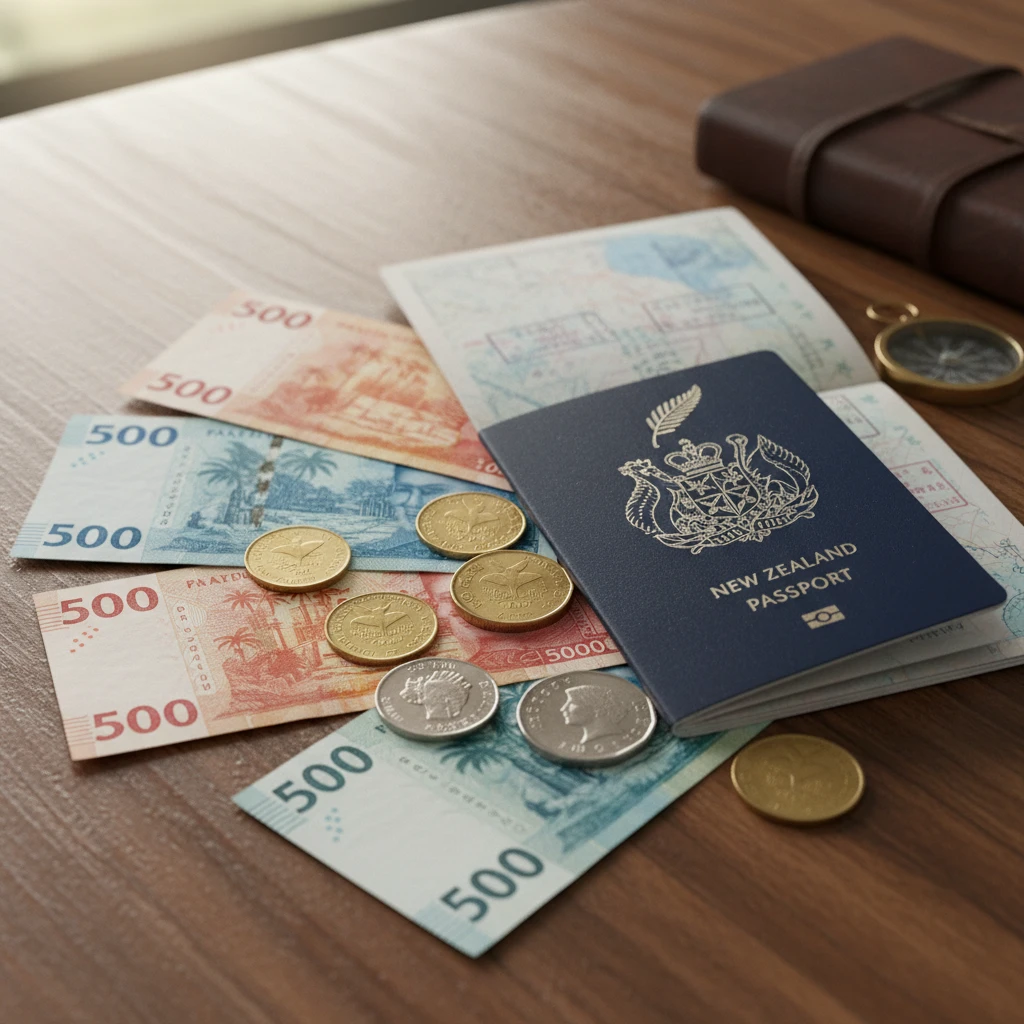
Taking a water taxi from Noumea to Duck Island (Île aux Canards) is the most efficient and cost-effective method for New Zealand cruisers to reach this marine reserve. Boats depart continuously from the red-roofed huts at Anse Vata Beach, taking just five minutes to cross. Tickets typically cost 1,200 to 1,500 XPF ($18-$22 NZD) return, offering significant savings over pre-booked cruise excursions.
What is Duck Island (Île aux Canards)?
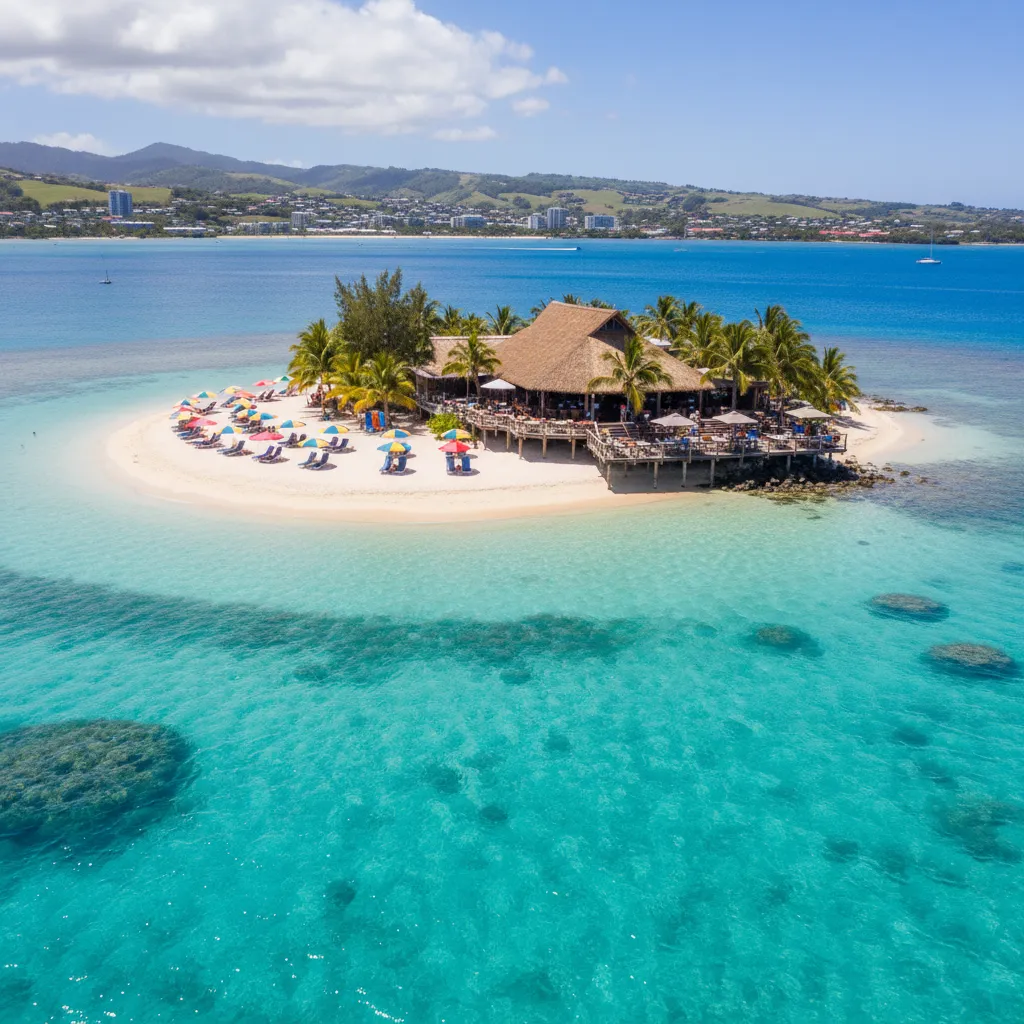
Duck Island, locally known as Île aux Canards, is a small coral islet located just off the coast of Anse Vata in Noumea, New Caledonia. It is officially designated as a marine protected area, boasting a marked underwater snorkeling trail that makes it one of the most accessible snorkeling destinations for tourists. For New Zealanders arriving by cruise ship, it represents the perfect balance of convenience and tropical adventure without the heavy price tag of remote island tours like Amédée Lighthouse.
The island is compact, walkable in about 10 minutes, but packed with amenities including a restaurant, bar, and rental facilities. Its proximity to the mainland means you spend less time commuting and more time in the water, a crucial factor when you are on a strict port schedule.
How to Get from the Cruise Terminal to Anse Vata
Before you can board the water taxi, you must navigate from the cruise ship terminal (usually the Gare Maritime or the Container Terminal) to Anse Vata Beach. This is the main tourist hub of Noumea and serves as the launchpad for your DIY adventure.
Taking the Local Bus (Tanéo)
The most economical way to reach Anse Vata is via the local public bus system, Tanéo. This is the preferred method for budget-conscious travelers.
- Route: Look for Line L3.
- Cost: A ticket costs approximately 300 XPF (about $4.50 NZD) if bought on board, or slightly less if purchased at a kiosk.
- Duration: The ride takes about 15-20 minutes depending on traffic.
- Stop: Disembark at the “Anse Vata” stop. You will know you are there when you see a long stretch of beach lined with hotels and palm trees.
The Hop-On Hop-Off Bus and Tchou Tchou Train
Many cruisers opt for the yellow “Tchou Tchou Train” or the Hop-On Hop-Off buses sold at the terminal. While convenient, these are significantly more expensive than the public bus, often costing $20-$30 NZD per person. However, they drop you directly at the water taxi departure point, eliminating any navigation guesswork.
Taxi Services
A standard taxi from the cruise terminal to Anse Vata will cost between 1,500 and 2,000 XPF one way. If you are a group of four, this can actually be cheaper per person than the tourist buses and is the fastest option, getting you there in under 10 minutes.
Booking the Water Taxi: Yellow, Green, and Red Boats
Once you arrive at Anse Vata Beach, locating the water taxis is straightforward. You do not need to book these months in advance; it is a turn-up-and-go service, which provides excellent flexibility for DIY travelers.
Where to Find the Water Taxis
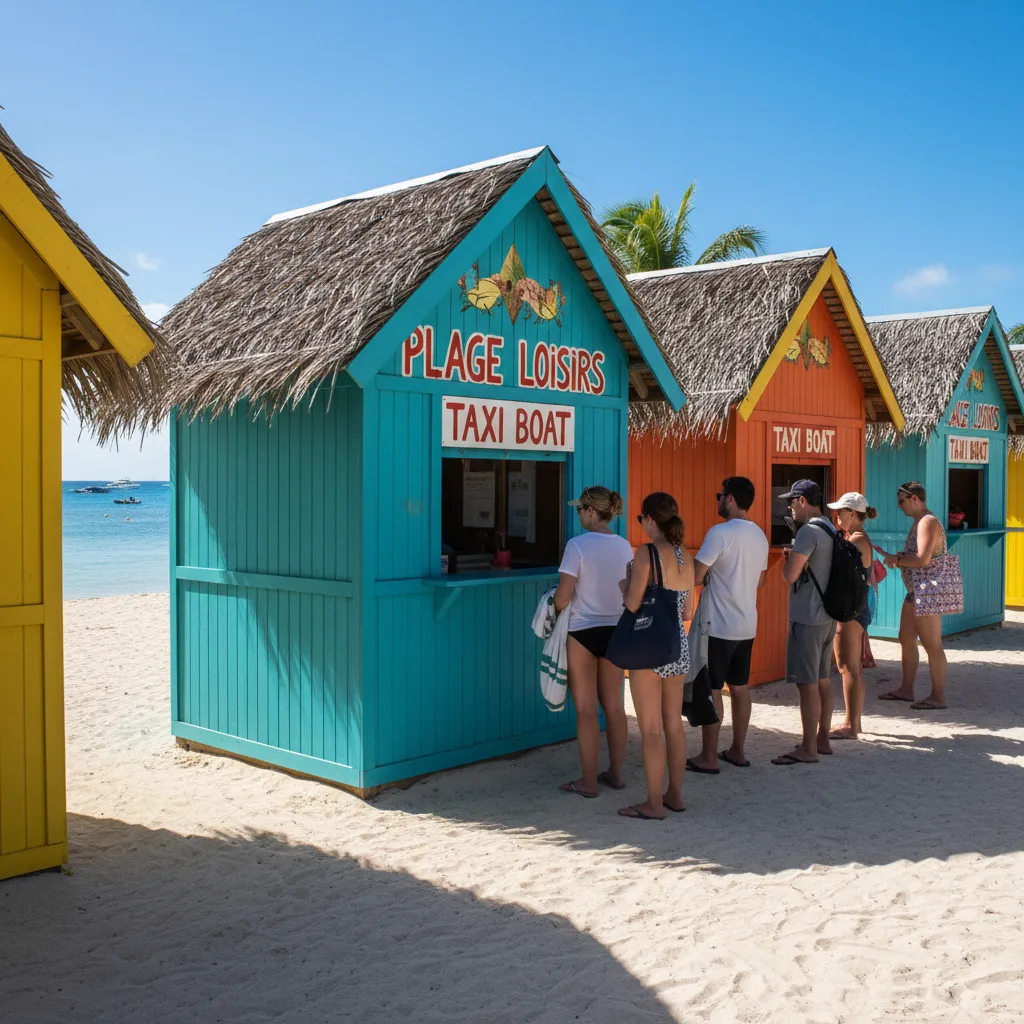
Walk towards the middle of Anse Vata Beach. You will see several small, colorful huts (fare) on the sand or near the promenade. These serve as the ticket offices for the different boat operators.
The Operators
There are generally two to three main operators, often distinguished by the color of their boats:
- The Yellow Boats (Plage Loisirs): These are often the most recognized.
- The Green Boats: A direct competitor offering similar service.
- The Red Boats: Another reliable option.
Professional Tip: There is rarely a difference in price or service quality between these operators. Go with the one that has a boat ready to leave or the shortest queue. They all operate small, flat-bottomed skiffs that are easy to board from the beach.
Schedule and Frequency
Water taxis run continuously from roughly 8:30 AM to 4:30 PM or 5:00 PM. departures are usually every 10 to 15 minutes. When you purchase your ticket, you may be asked to specify a return time, or you may be given a ticket to present whenever you are ready to leave. Always confirm the time of the last boat back to the mainland to ensure you do not miss your ship’s all-aboard time.
Cost Comparison: DIY vs. Cruise Ship Tours
The primary motivation for a DIY Duck Island trip is the cost savings. Cruise lines often mark up shore excursions significantly for the convenience they provide. Below is a breakdown of the approximate costs for a New Zealand couple.
The DIY Cost (Per Person)
- Transport to Anse Vata (Bus): ~600 XPF ($9 NZD) return.
- Water Taxi Ticket: ~1,500 XPF ($22 NZD) return.
- Snorkel Gear (BYO): $0.
- Total: ~$31 NZD per person.
The Cruise Ship Tour Cost
Cruise lines typically charge between $80 and $120 NZD per person for a “Duck Island Snorkel Adventure.” This usually includes the transfer and gear rental.
The Verdict
By arranging the water taxi Noumea to Duck Island yourself, you can save upwards of $50-$70 NZD per person. For a family of four, that is a saving of over $200, which can be better spent on a nice lunch or souvenirs.
Renting Snorkel Gear and Sun Loungers
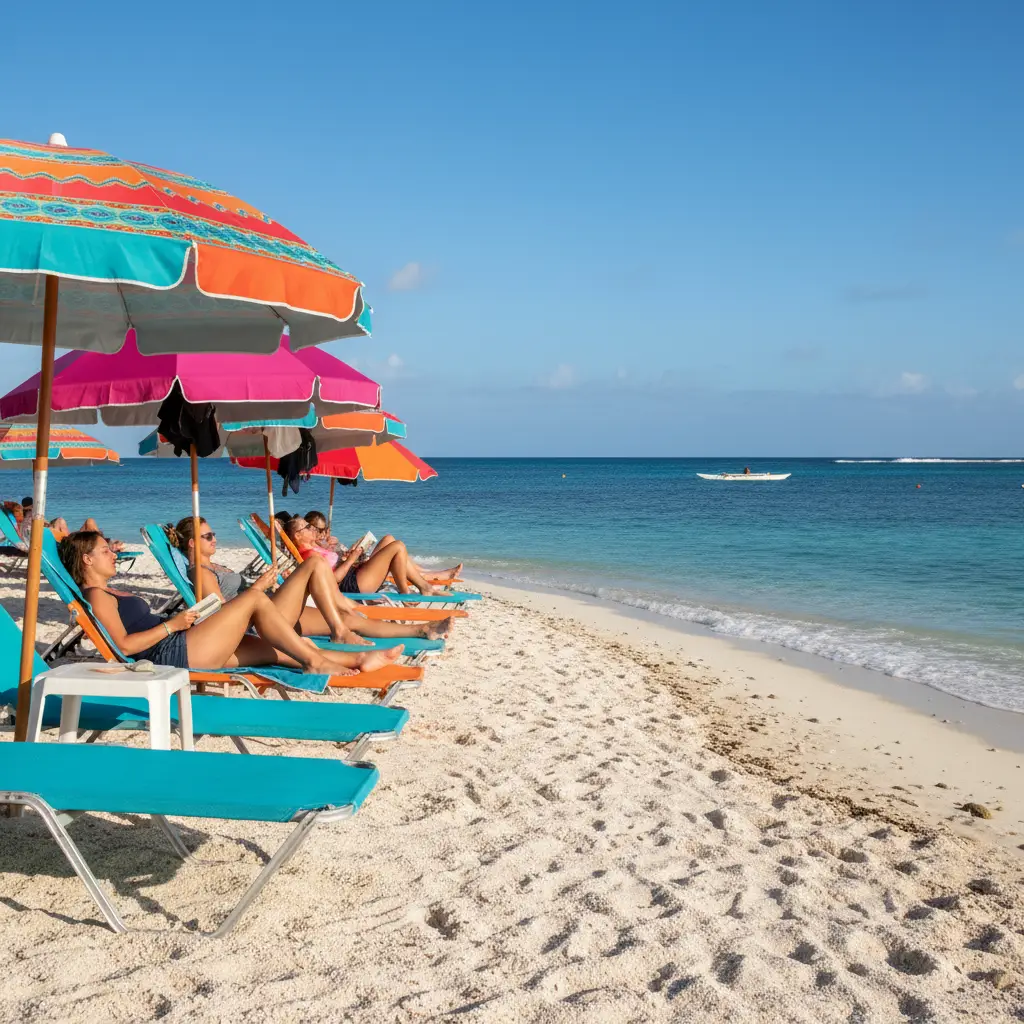
Duck Island is well-equipped for comfort, but these amenities come at an additional cost. If you are planning to spend the whole day, renting a chair is advisable as the beach is composed of crushed coral, which can be uncomfortable to lie on with just a towel.
Rental Prices (Estimates)
- Sun Lounger (Transat): 1,500 XPF (approx. $22 NZD) for the day.
- Umbrella (Parasol): 1,000 XPF (approx. $15 NZD).
- Full Set (2 Beds + 1 Umbrella): Often bundled for around 3,500 – 4,000 XPF.
- Snorkel Gear (Mask, Snorkel, Fins): 1,000 – 1,500 XPF.
- Lockers: Small coin-operated lockers are available for valuables, usually costing around 200-500 XPF.
Note for Kiwis: Bring your own snorkel gear if possible. Not only does this save money, but the quality of rental gear can vary, and having a mask that fits your face perfectly ensures a better experience.
Restaurant Prices and Food Options
There is one main restaurant and bar on the island, usually referred to as Le Banian. It offers a relaxed, open-air dining experience with views of the lagoon.
Menu and Pricing
New Caledonia is not known for being cheap, and island prices reflect this. However, the food quality is generally high, featuring French and Melanesian influences.
- Burgers / Sandwiches: 1,800 – 2,500 XPF ($26 – $36 NZD).
- Salads (e.g., Tahitian Fish Salad): 2,200 XPF ($32 NZD).
- Grilled Fish / Steak: 3,000+ XPF ($44+ NZD).
- Beer / Soft Drinks: 600 – 900 XPF ($9 – $13 NZD).
Can you bring your own food?
Officially, the restaurant discourages picnicking on their leased furniture. However, if you sit on your towel away from the restaurant area on the public parts of the beach, you can eat your own snacks. Many savvy travelers grab a baguette and some cheese from a supermarket in Noumea before heading to the water taxi.
The Underwater Trail: What You Will See
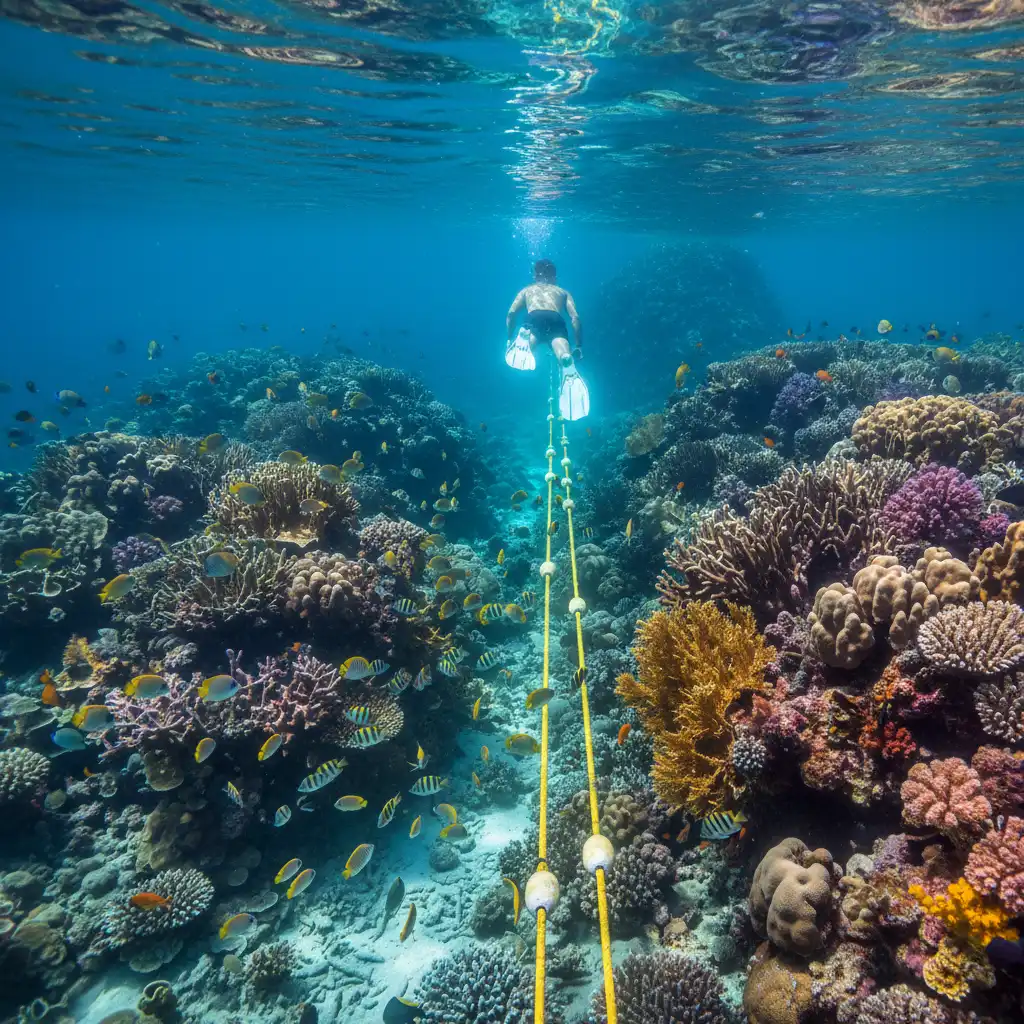
The highlight of Duck Island is the marked underwater path (Sentier Sous-marin). This is a UNESCO World Heritage site zone, and the biodiversity is impressive for such a high-traffic area.
Navigating the Trail
The trail is marked by a series of numbered white buoys. You simply swim from buoy to buoy. Underneath each buoy, there are often information signs explaining the coral or fish species in that zone.
Marine Life
Expect to see:
- Coral: A mix of hard and soft corals. While some damage from tourism is visible, regeneration efforts are underway.
- Fish: Butterflyfish, Parrotfish, Angelfish, Triggerfish, and large schools of Chromis.
- Turtles: Green sea turtles are frequently spotted grazing on the seagrass beds near the perimeter of the swimming zone.
- Sea Snakes: The Tricot Rayé (banded sea krait) is common. They are venomous but extremely docile and non-aggressive. Do not touch them, and they will ignore you.
Essential Packing List for Kiwis
To ensure your DIY excursion runs smoothly, pack a day bag with the following:
- Pacific Francs (XPF): While credit cards are accepted at the restaurant and ticket office, having cash is safer for buses and small purchases. $1 NZD is roughly 65-70 XPF.
- Reef Shoes: Critical. The beach is made of dead coral fragments which can be very sharp. Entering and exiting the water without footwear is painful.
- Reef-Safe Sunscreen: New Caledonia sun is harsh. Protect your skin and the coral.
- Water Bottle: Stay hydrated. Buying water on the island is expensive.
- Towel: The cruise ship towels are fine, just don’t lose them!
Frequently Asked Questions (PAA)
How much is the water taxi to Duck Island?
The water taxi typically costs between 1,200 and 1,500 XPF per person for a return ticket. This equates to approximately $18 to $22 NZD. Prices are generally uniform across the different boat operators (Yellow, Green, and Red boats) located at Anse Vata Beach.
Do you need to book Duck Island in advance?
No, you do not need to book in advance. The water taxis operate on a continuous loop, and you can simply purchase your ticket at the huts on Anse Vata Beach on the day of your visit. This flexibility makes it an ideal DIY excursion for cruise ship passengers.
Is there a toilet on Duck Island?
Yes, there are toilet and changing facilities available on the island. They are generally clean and maintained by the restaurant/resort management. There may be a small fee or they may be reserved for customers of the restaurant or those renting sun loungers, so carry some small change.
Can you walk to Duck Island from Noumea?
No, you cannot walk to Duck Island. Although it looks very close to the mainland (less than 1km), the channel is too deep and has boat traffic. You must take a water taxi, a kayak, or a paddleboard to reach the island safely.
Is Duck Island good for snorkeling?
Yes, Duck Island is excellent for snorkeling, particularly for beginners and families. It features a marked underwater trail with buoys that guide you through the reef. You can expect to see a wide variety of tropical fish, coral, and occasionally sea turtles and sea snakes.
What currency is used in New Caledonia?
New Caledonia uses the Pacific Franc (XPF). While some tourist operators may accept Australian or New Zealand dollars (often at a poor exchange rate), it is highly recommended to exchange money into XPF or use a credit card with no international transaction fees for the best value.