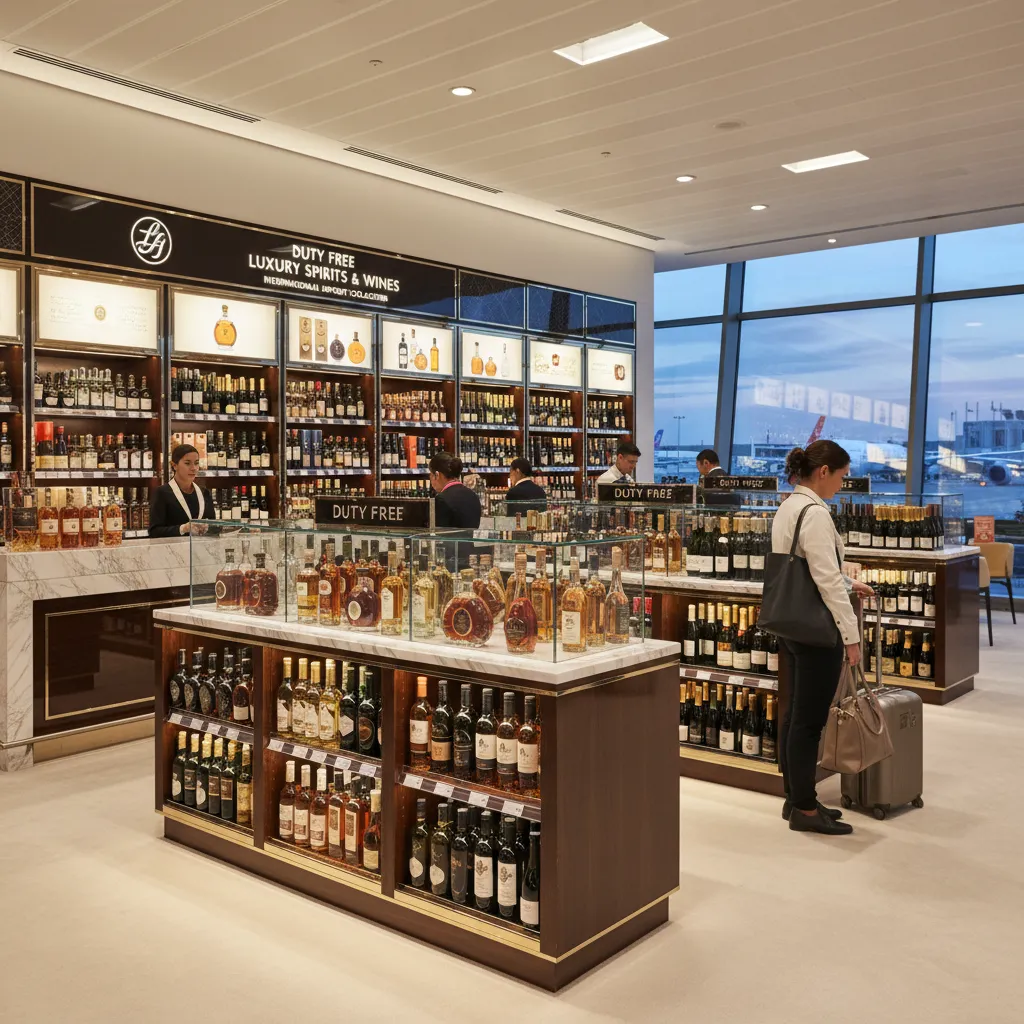
New Zealand travellers returning from Noumea are entitled to a duty-free alcohol allowance of 4.5 litres of wine or beer, plus three bottles (up to 1.125L each) of spirits or liqueur. To qualify for this concession, you must be 17 years or older and the goods must be for your personal use or gifts, not for resale.
New Caledonia offers a unique opportunity for Kiwis to access high-quality French wines and spirits at competitive prices right on their doorstep. However, navigating the strict biosecurity and customs regulations of New Zealand upon return is critical to avoid hefty fines or confiscation. This guide details everything you need to know about bringing wine back to NZ from Noumea.
What is the Alcohol Allowance for Entering New Zealand?
When travelling from Noumea to New Zealand, understanding the specific volume limits is the first step in a successful trip. New Zealand Customs Service enforces strict limits on the amount of alcohol you can bring into the country without paying Goods and Services Tax (GST) and excise duty.
The 4.5 Litre Wine Limit
For wine lovers, the allowance is generous. You are permitted to bring in 4.5 litres of wine or beer. In practical terms, this equates to:
- 6 standard bottles of wine (750ml each).
- 3 magnums of wine (1.5L each).
- Approximately 13 standard cans of beer (330ml each), though most travellers from Noumea prioritize French wine.
The Spirits and Liqueur Allowance
In addition to the wine allowance, you are also entitled to bring in spirits. The rule allows for three bottles of spirits or liqueur, provided that each bottle does not exceed 1.125 litres in volume.
It is crucial to note that these allowances are cumulative. This means a single traveller can bring 4.5L of wine AND 3 bottles of spirits duty-free. You do not have to choose between the two categories.
Conditions for the Concession
To claim these duty-free concessions, you must meet the following criteria:
- You must be arriving in New Zealand personally (you cannot mail the alcohol separately).
- You must be 17 years of age or older.
- The items must be for your own personal use or intended as gifts.
- The items must not be intended for sale or commercial exchange.
How much tax and duty do you pay on excess alcohol?
Many travellers find a vintage in Noumea that is too good to pass up, even if it pushes them over the limit. If you choose to bring back more than the duty-free allowance, you will be required to pay Customs charges on the entirety of the excess goods.
The calculation for bringing wine back to NZ from Noumea in excess of the limit involves three components:
- Customs Duty: A percentage based on the type of good and its country of origin.
- Excise Equivalent Duty (ALAC): A tax based on the alcohol volume (percentage of alcohol) inside the beverage.
- GST (Goods and Services Tax): 15% calculated on the total value including the cost of the item, shipping/insurance (if applicable), and the duty payable.
The “Minimum Duty” Rule
There is a practical threshold to be aware of. If the total revenue payable (Duty + Excise + GST) on your declared goods is less than $60 NZD, Customs will generally waive the fee. However, because alcohol attracts high excise taxes, it is very easy to exceed this $60 threshold with just a few extra bottles of spirits or high-alcohol wine.
Is it worth paying the duty?
For standard supermarket wines found in Noumea, paying the duty often negates the price advantage compared to buying in New Zealand. However, for rare vintages, specific Grand Crus, or limited-release Champagnes that are unavailable in NZ, paying the duty is often still worthwhile for collectors.
Where to Find the Best French Wines in Noumea
Noumea is often referred to as the “Paris of the Pacific,” and its wine selection reflects this. Unlike New Zealand, where the market is dominated by local and Australian varietals, New Caledonia’s shelves are stocked almost exclusively with French imports.
Supermarkets vs. Cavistes (Wine Merchants)
Supermarkets (Casino, Carrefour): You will find excellent table wines at supermarkets in Noumea. Look for the “Foire aux Vins” (Wine Fair) signs if you are travelling around September or October. The selection of Bordeaux and Rhône Valley wines here is superior to most NZ supermarkets and significantly cheaper.
Specialist Wine Shops (Cavistes): For the serious connoisseur, visiting a specialist is a must. Shops like La Vinothèque, Pavillon des Vins, or Maison Ballande offer temperature-controlled environments and expert advice.
What to Buy?
When deciding on bringing wine back to NZ from Noumea, focus on regions that are expensive or hard to find in New Zealand:
- Champagne: Prices in Noumea for real French Champagne are often 30-40% lower than in NZ due to the direct trade links with metropolitan France.
- Rosé from Provence: The variety of dry, pale Rosé available in Noumea is staggering and perfect for the NZ summer.
- Bordeaux: You can find aged Bordeaux at reasonable prices that would command a premium in Auckland.
How to Pack Wine for Travel to New Zealand
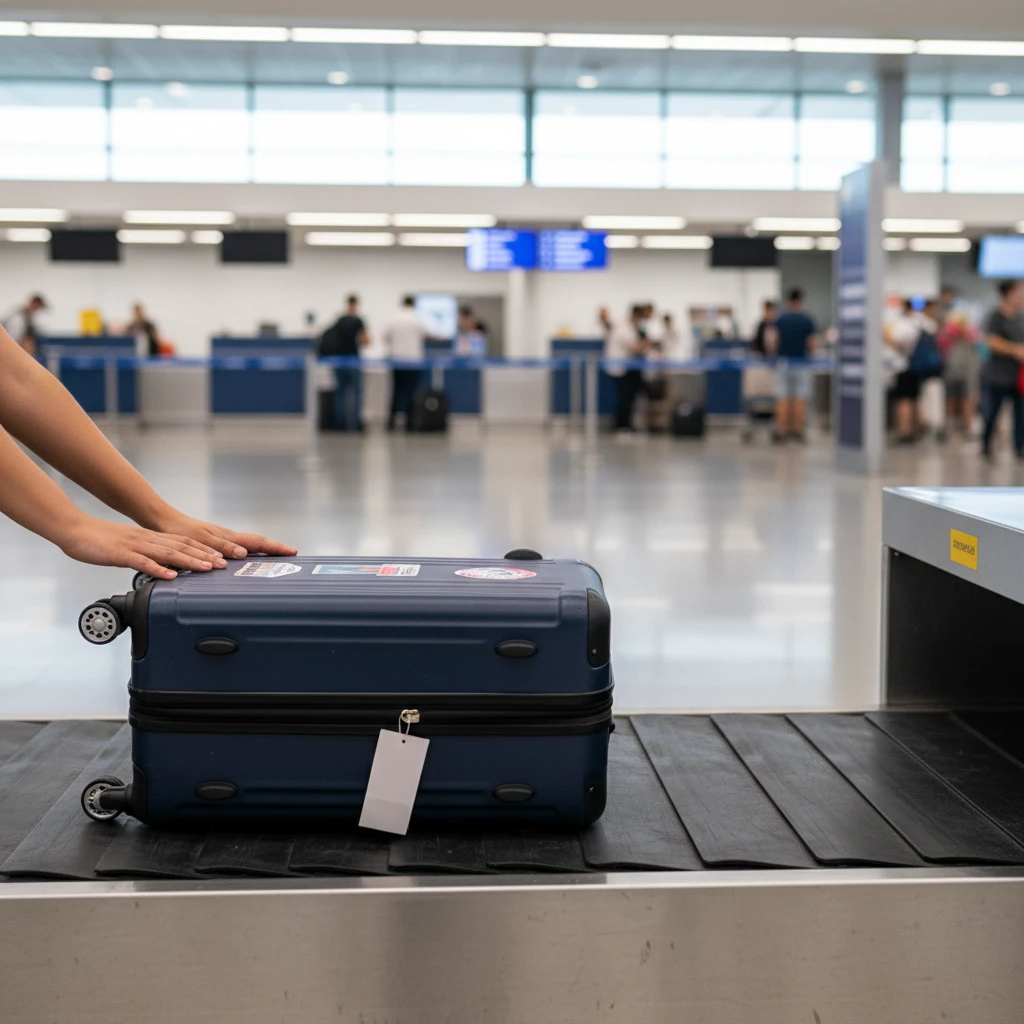
The journey from La Tontouta International Airport to Auckland is relatively short, but baggage handlers can be rough. Ensuring your bottles survive the trip is paramount.
Hard-Shell Suitcases are Mandatory
Never attempt to transport wine in a soft-sided duffel bag. A hard-shell suitcase provides the necessary structural integrity to protect glass bottles from impact and crushing forces.
Protective Gear
Wine Skins / Wine Wings: These are specialized plastic sleeves lined with bubble wrap that seal with strong adhesive. If a bottle breaks, the Wine Skin contains the liquid, preventing it from ruining your clothes and suitcase. It is highly recommended to buy these in NZ before you depart, or find them at travel stores in Noumea.
The DIY Method: If you haven’t purchased professional protectors, wrap each bottle in a thick plastic bag (tied tightly), then roll it inside a thick sweater or pair of jeans. Place the bottles in the center of the suitcase, ensuring no glass touches the outer walls of the bag or other bottles.
Airline Restrictions
Check your weight allowance with Aircalin or Air New Zealand. A standard 750ml bottle of wine weighs approximately 1.2kg to 1.5kg. Bringing back your full 4.5L allowance will add roughly 8-9kg to your luggage. Ensure you have purchased enough baggage weight to accommodate this.
Navigating Customs at Auckland International Airport
Upon landing in New Zealand, you will pass through the Ministry for Primary Industries (MPI) and Customs checks. This is the final hurdle.
The Passenger Arrival Card
You must fill out the New Zealand Passenger Arrival Card. Section 5 deals with goods that may be prohibited or restricted, but Section 6 is where you declare alcohol if you are over the limit.
If you are within the 4.5L + 3 bottles limit: You do not need to declare the alcohol specifically for tax purposes, provided it is for personal use. However, you must always be honest if an officer asks what you are carrying.
If you are over the limit: You MUST tick “Yes” to the question regarding bringing goods into New Zealand that attract duty or tax. Failure to declare excess alcohol is an offence. You can be fined $400 instantly for a false declaration, and the alcohol will likely be confiscated.
Biosecurity Concerns
While wine is generally safe, be careful with wooden gift boxes. If the wine comes in a wooden crate or box, MPI may need to inspect the wood for insect borers. If the wood is untreated or shows signs of infestation, the box may be seized, though you will usually be allowed to keep the bottles.
People Also Ask
Can I combine my alcohol allowance with my partner?
No, duty-free allowances are personal and cannot be pooled. However, if a couple is travelling together, they can collectively bring in 9 litres of wine and 6 bottles of spirits, provided the goods are distributed so that neither person is physically carrying more than their own allowance through the “nothing to declare” line, or they declare them together as a family group where the officer may apply discretion.
What is the duty rate for wine in New Zealand?
The rates change annually based on inflation (CPI). Generally, you pay Customs duty (often 5% unless a Free Trade Agreement applies), Excise duty (calculated per litre of alcohol), and GST (15%). For a standard bottle of wine, the combined tax usually sits between $3 and $6 NZD depending on the alcohol percentage and value.
Can I bring cheese back with my wine from Noumea?
Generally, no. New Zealand has very strict biosecurity rules regarding dairy products. While some hard, commercially packaged cheeses from Australia are allowed, French cheeses coming from New Caledonia are frequently confiscated by MPI to protect NZ’s agricultural industry. It is safer to consume your cheese in Noumea.
Does duty-free alcohol bought at Noumea airport count towards the limit?
Yes. The allowance covers all alcohol you bring into the country, regardless of whether you bought it at a supermarket in downtown Noumea, a winery, or the duty-free shop at La Tontouta airport. It is the total volume entering NZ that matters.
What happens if I bring 5 litres of wine instead of 4.5 litres?
Strictly speaking, you are over the limit. You should declare it. However, if the duty payable on that extra 500ml is less than $60 NZD (which it almost certainly is), Customs will waive the charge. You still must declare it to allow them to make that assessment.
Are there restrictions on the alcohol percentage for spirits?
There is no specific cap on the alcohol percentage for the duty-free allowance, but high-proof alcohol (over 70% ABV) is often restricted by airlines as a “dangerous good” due to flammability. Check with Aircalin or Air NZ before packing very strong spirits like Absinthe.