New Caledonia cyclone season safety relies on strictly adhering to the local three-stage alert system (Pre-Alert, Alert Level 1, and Alert Level 2), securing comprehensive travel insurance before a named storm develops, and remaining accessible to hotel management for confinement protocols. The season runs from mid-November to mid-April, with peak activity typically occurring in February and March.
Understanding the New Caledonia Alert System
For New Zealand travelers accustomed to the occasional tail-end of a tropical cyclone, the intensity of a direct hit in the tropics can be surprising. New Caledonia operates under a highly organized, state-managed civil defense system. Understanding this hierarchy is the cornerstone of New Caledonia cyclone season safety. Unlike the generic weather warnings you might see on apps, these alerts carry legal obligations for movement and confinement.
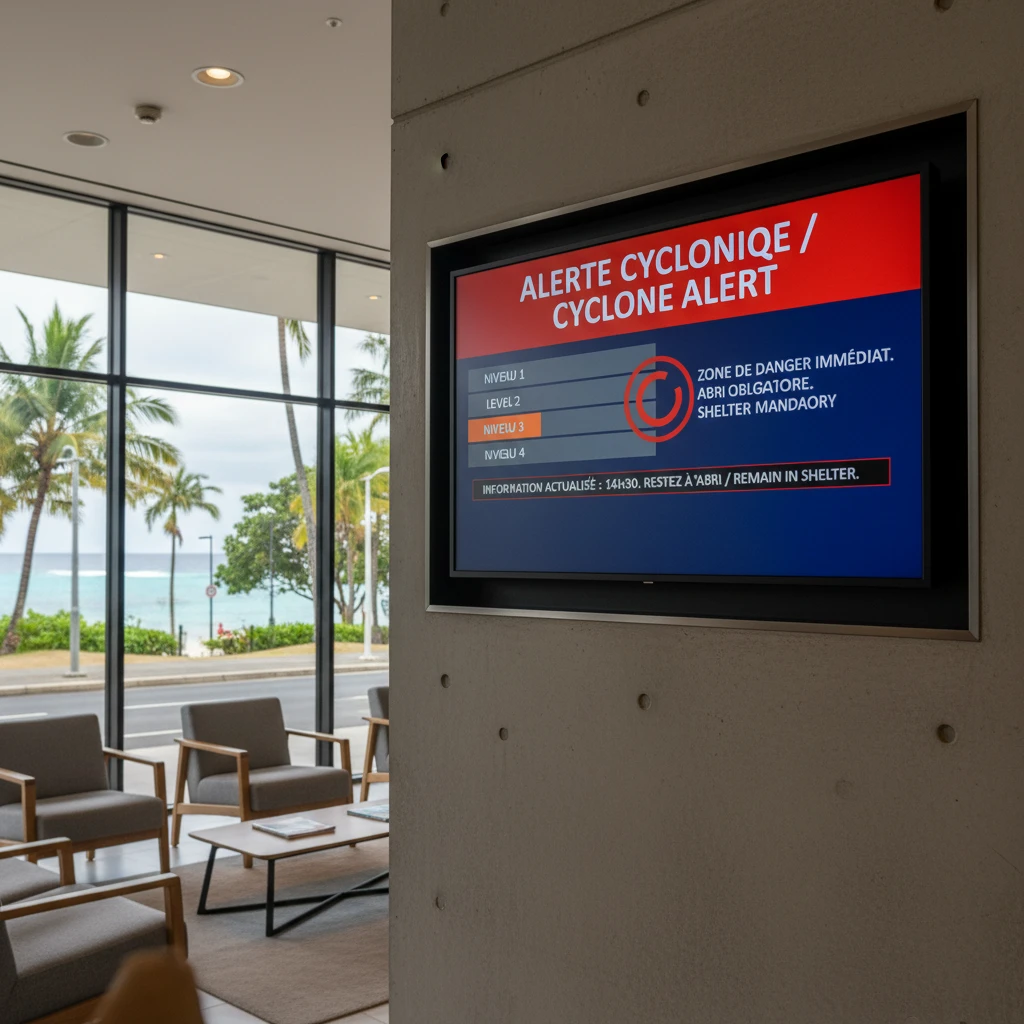
The system is generally divided into four distinct phases. Knowing the difference between a “Pre-Alert” and “Level 2” can mean the difference between enjoying a final cocktail by the pool and being legally required to stay inside your room.
Pre-Alert (Pré-alerte cyclonique)
This phase is declared when a weather phenomenon enters the observation zone and poses a potential threat within the next 48 to 72 hours. During this phase, life continues mostly as normal, but with heightened vigilance.
- Status: The threat is potential, not immediate.
- Action for Tourists: Keep listening to the radio (RRB, Radio Océane) or checking official websites like Météo-France NC. Do not plan long excursions to remote islets (like Ilôt Maître or Phare Amédée) that might be cut off.
- Services: Shops and businesses remain open.
Alert Level 1 (Alerte cyclonique niveau 1)
Level 1 signifies that a cyclone constitutes a threat within the next 18 hours. This is the preparation phase. The wind may already be picking up, and rain may be intensifying.
- Status: Impact is imminent.
- Action for Tourists: You must return to your accommodation immediately. All outdoor activities, nautical events, and public transport will cease. If you are camping or on a boat, you must evacuate to a solid structure.
- Services: Businesses and schools close. You should purchase final supplies (water and non-perishable food) if you are in a self-catering apartment, though hotels will manage this for guests.
Alert Level 2 (Alerte cyclonique niveau 2)
This is the confinement phase. The cyclone is hitting or is about to hit with full force.
- Status: Maximum danger.
- Action for Tourists: A strict curfew is enforced. It is illegal to be outside. You must stay inside your hotel room or the designated shelter area provided by your accommodation. Do not open windows.
- Services: Everything is closed. Emergency services may not be able to respond until the winds die down.
Safeguard Phase (Phase de sauvegarde)
After the cyclone passes, the government will lift the confinement, but caution is still required due to downed power lines, flooding, or damaged infrastructure.
What Happens if a Cyclone Hits?
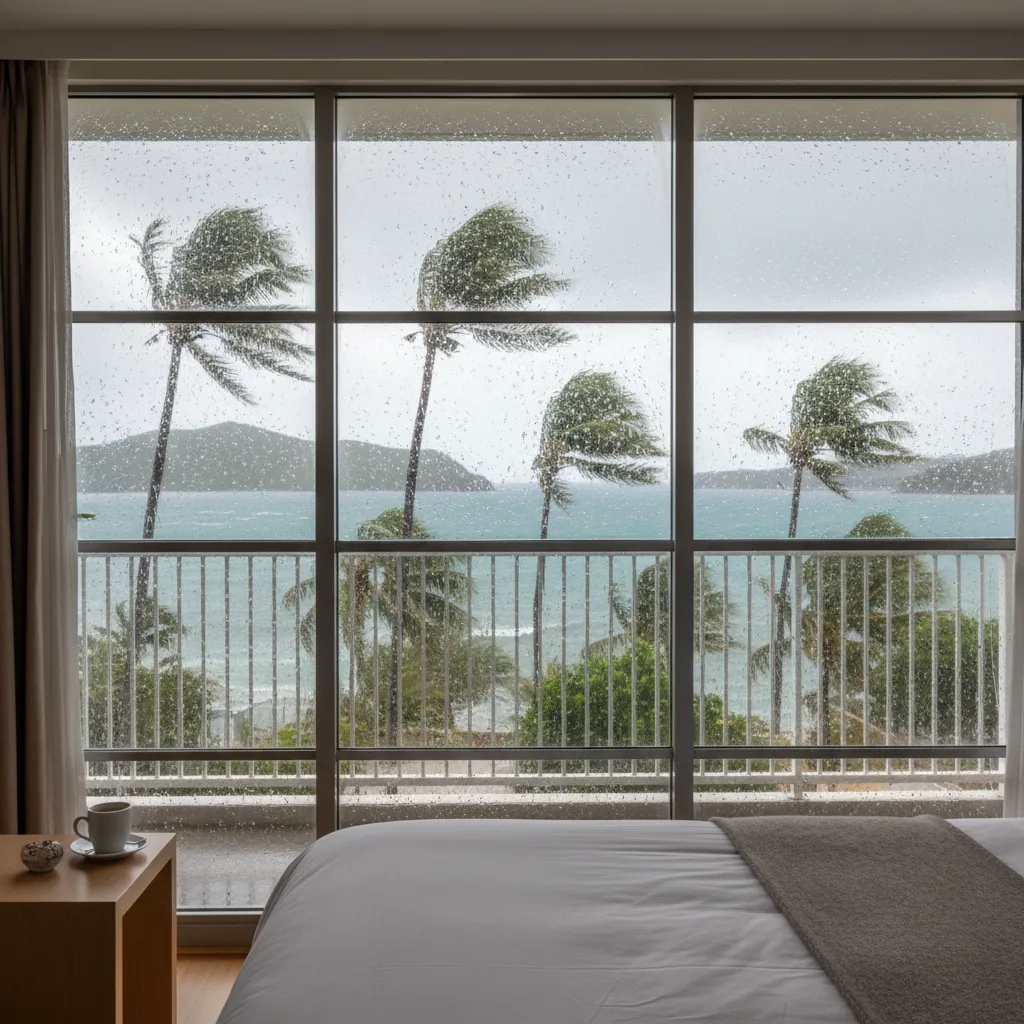
Experiencing a tropical cyclone while on holiday can be daunting, but New Caledonia’s infrastructure is built to withstand these events. Hotels in Nouméa, such as the Chateau Royal or Le Méridien, are constructed with reinforced concrete and cyclone-proof glazing. Understanding the logistics of a hit will help reduce anxiety.
Hotel Protocols and Confinement
Once Alert Level 2 is announced, your hotel becomes your world. Staff are trained for this. They will usually provide guests with a “cyclone kit” or specific instructions. This may include filling the bathtub with water (in case pumps fail), securing patio furniture, and closing heavy shutters. In larger resorts, guests may be asked to gather in a central ballroom or conference center if the rooms are exposed to the direct battering of the wind, though this is rare for modern structures.
Power and Communication
Power outages are common during a cyclone. Most major hotels have backup generators, but these may only power essential lighting and elevators, not air conditioning or wall sockets. It is vital to charge all your devices (phones, power banks, e-readers) during the Pre-Alert phase. Wi-Fi may go down, so having offline entertainment downloaded is a smart move for passing the time.
Food and Water Supply
Hotel kitchens will close during the height of the storm. Most establishments will provide a cold meal box (sandwiches, fruit, water) delivered to your room before the lockdown begins. It is advisable to buy your own stash of snacks and bottled water during the Pre-Alert phase, especially if you have children or specific dietary requirements.
Refund Policies and Insurance Checks
For New Zealand travelers, the financial aspect of a cyclone disruption can be as stressful as the weather itself. Navigating “Force Majeure” clauses requires diligence before you even book your ticket.
The Timing of Your Policy Purchase
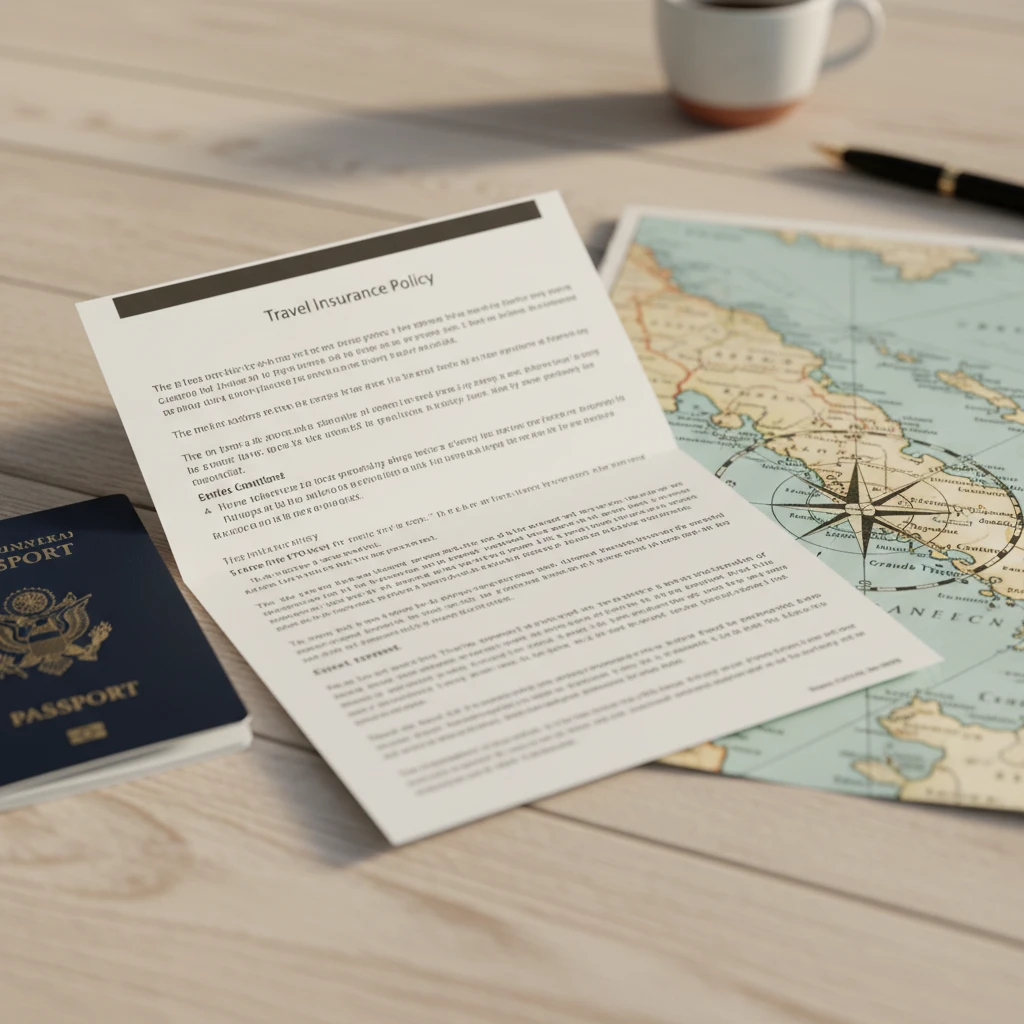
This is the single most critical factor in New Caledonia cyclone season safety regarding your finances. Travel insurance covers unforeseen events. Once a tropical depression has been named or publically forecasted as a cyclone, it is considered a “known event.” If you buy insurance after the news reports a storm forming near Vanuatu heading for Nouméa, you will not be covered for any cancellations or delays related to that storm. You must purchase your policy at the same time you book your flights.
Flight Cancellations and Rescheduling
Aircalin and Air New Zealand are experienced in handling Pacific weather disruptions. If the airport (Tontouta International) closes due to high alert levels, flights will be cancelled. In these instances, airlines typically offer a waiver to rebook your travel for a later date without penalty. However, full cash refunds are rare unless you have a fully flexible fare. This is where your travel insurance “Trip Interruption” or “Travel Delay” benefit kicks in to cover extra accommodation costs while you wait for the next flight.
Accommodation Refunds
If you are forced to leave early or arrive late, hotels often rely on the Force Majeure clause. This generally relieves them of the obligation to refund you for unused nights if the cause is an Act of God. However, many hotels in New Caledonia are reasonable and may offer credit vouchers for future stays. Always check the specific cancellation policy on your booking confirmation—booking directly with the hotel often provides more flexibility than third-party aggregators.
The Upside: Benefits of Traveling During Cyclone Season
It is important to remember that cyclone season does not mean six months of continuous storms. In fact, for 90% of the season, the weather is hot, humid, and sunny. For the savvy Kiwi traveler, this period (often called the “Summer Season”) offers distinct advantages.
Warmer Water Temperatures
From December to March, the lagoon temperature rises to a balmy 27°C to 29°C. For snorkeling at Duck Island (Île aux Canards) or diving the outer reef, this is the most comfortable time of year. You can stay in the water for hours without a wetsuit. The underwater visibility remains excellent outside of immediate storm periods.
Fewer Crowds and Better Rates
Because of the weather stigma, fewer tourists visit during these months. This results in a more authentic experience. You will find more space on the beaches of Baie des Citrons, easier reservations at top French restaurants in the Baie de l’Orphelinat, and significantly lower accommodation rates. Many resorts offer “low season” packages that can make a luxury stay much more affordable compared to the peak cool season (July-September).
Lush Landscapes
The increased rainfall means the Grande Terre (the main island) is incredibly verdant. The waterfalls along the East Coast (Côte Oubliée) are spectacular during this season, and the flora is in full bloom, offering a stark contrast to the drier, brown hues of the winter months.
Indoor Activities in Nouméa for Rainy Days
Even if a cyclone isn’t hitting, the summer season brings tropical rain showers. Fortunately, Nouméa is the most cosmopolitan city in the Pacific and offers excellent indoor infrastructure. Do not let the rain dampen your spirit; use it as an excuse to explore the cultural sophistication of the capital.
Tjibaou Cultural Centre
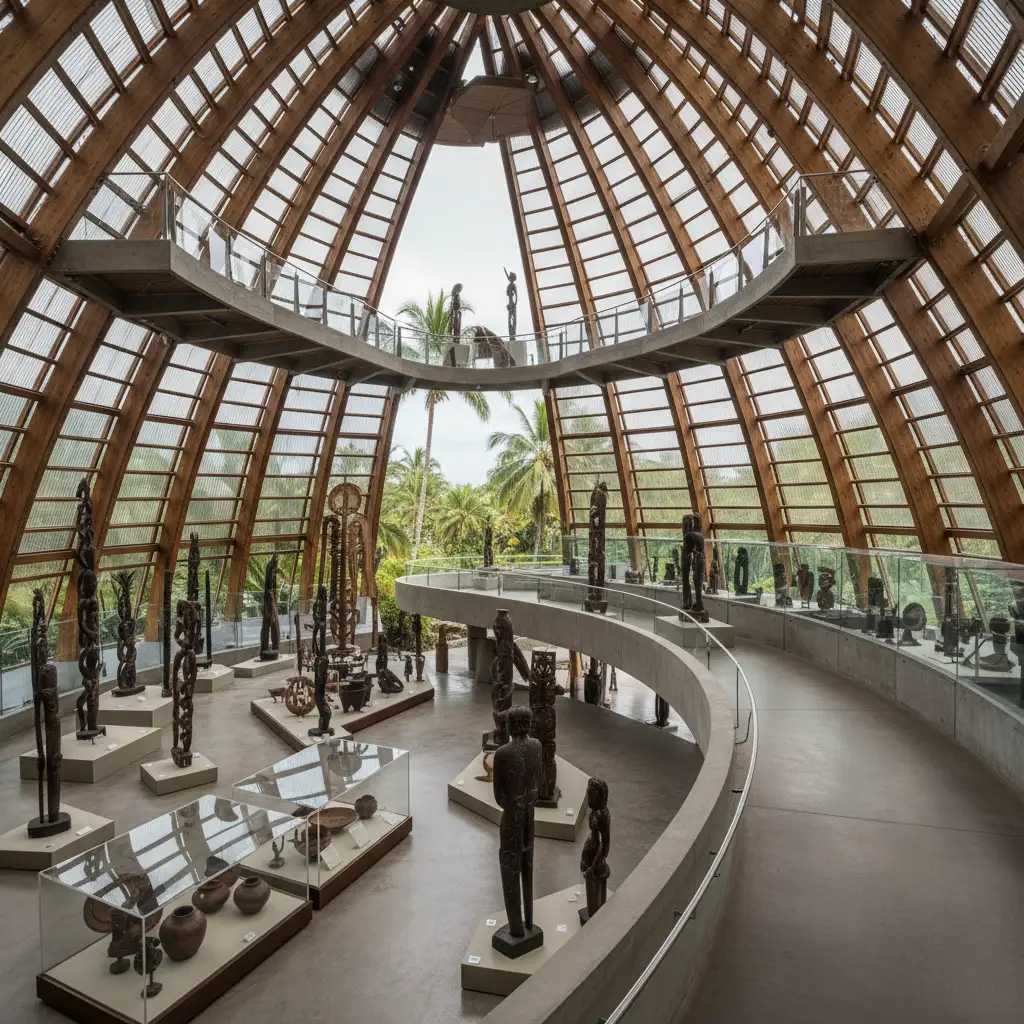
Designed by Renzo Piano, this architectural masterpiece is a must-visit. While the grounds are outdoors, the pavilions housing the art and history of the Kanak people are fully enclosed. You can spend half a day here immersing yourself in the indigenous culture, viewing contemporary Pacific art, and admiring the soaring timber structures that mimic traditional Kanak huts.
Aquarium des Lagons
Located in Anse Vata, the Aquarium des Lagons is world-class and completely indoors. It is the perfect refuge from a downpour. The exhibits take you through the various ecosystems of New Caledonia, from the mangroves to the deep ocean. The fluorescent coral room is particularly mesmerizing and offers a dry way to see the reef’s beauty.
Musée de la Nouvelle-Calédonie and Maritime Museum
Dive into history at the Maritime Museum of New Caledonia. Located near the cruise ship terminal, it details the voyages of La Pérouse and the intense naval history of the region. It is a fascinating way to understand the European connection to the islands.
French Shopping and Gastronomy
Rainy days are perfect for shopping. Visit the Port Plaisance shopping center or the boutiques in the Latin Quarter. Afterward, settle into a French bakery or bistro. Enjoying a long, lazy lunch with French wine, cheeses, and pastries while watching the tropical rain fall outside is a quintessential Nouméa experience.
People Also Ask
When is the cyclone season in New Caledonia?
The official cyclone season in New Caledonia runs from mid-November to mid-April. However, the period with the highest statistical probability of a cyclone is typically February and March.
Is it safe to swim during the cyclone season?
Yes, it is safe to swim on most days. However, during a “Pre-Alert” or higher, swimming is prohibited due to rough seas and strong currents. Always heed the flags on the beaches at Anse Vata and Baie des Citrons.
Do flights get cancelled often?
Flights are generally only cancelled when a cyclone is imminent (Alert Level 1 or 2) and the crosswinds exceed safety limits. Standard tropical rain usually does not affect international jet operations.
What does Alert Level 2 mean for tourists?
Alert Level 2 means strictly no movement. You are legally required to stay inside your accommodation. You cannot drive, walk outside, or leave the hotel premises until the “Safeguard Phase” is announced.
Which side of the island is safer during a cyclone?
Cyclones can approach from any direction, but the West Coast (including Nouméa) is generally better protected by the barrier reef against storm surges compared to the East Coast. However, wind intensity can be severe anywhere.
What should I pack for cyclone season travel?
Pack a lightweight waterproof jacket, quick-drying clothes, a waterproof bag for electronics, a power bank (for outages), a small torch, and a basic first aid kit. sturdy reef shoes are also recommended.