You cannot directly use New Zealand Dollars (NZD) in New Caledonia for everyday transactions; the official currency is the Pacific Franc (XPF). While select tourist vendors may accept NZD at unfavorable rates, travelers must exchange cash or use ATMs to withdraw XPF. New Zealand Visa and Mastercard are widely accepted, though currency conversion fees typically apply.
What is the Currency of New Caledonia?
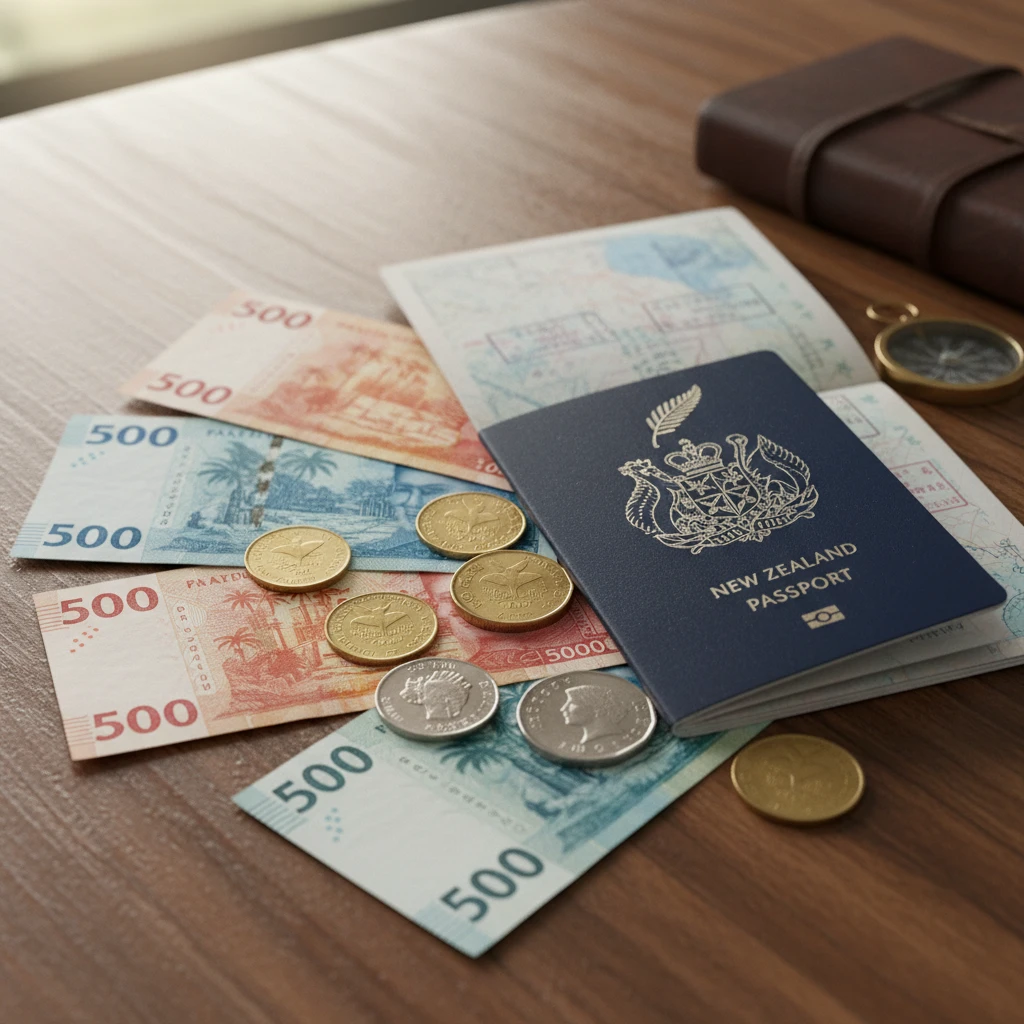
For New Zealand travelers planning a tropical escape to our closest Pacific neighbor, understanding the local currency is the first step in successful trip planning. New Caledonia uses the Pacific Franc, denoted as XPF or sometimes CFP. Unlike the fluctuating New Zealand Dollar, the XPF has a fixed exchange rate pegged to the Euro.
This peg provides economic stability but means that the exchange rate between NZD and XPF fluctuates based on the performance of the New Zealand Dollar against the Euro. When the NZD is strong against the Euro, your holiday in Nouméa becomes cheaper. Conversely, if the NZD weakens against the Euro, your purchasing power in New Caledonia decreases.
Can I use NZD in shops in Nouméa?
Generally, no. While New Caledonia welcomes thousands of Kiwi tourists annually, it is a French territory with its own banking system. You might find the occasional market stall holder at the Port Moselle Market or a taxi driver willing to accept NZD, but this is the exception, not the rule. If they do accept it, the exchange rate offered will likely be heavily skewed in their favor—often 10% to 20% worse than the bank rate.
How to Exchange NZD to Pacific Francs (XPF)
Maximizing your travel budget involves exchanging your money at the right place and time. Many New Zealanders make the mistake of exchanging all their cash at Auckland International Airport or, worse, waiting until they reach their hotel in Nouméa.
Exchanging in New Zealand
Ordering Pacific Francs from your local bank in New Zealand (such as ANZ, BNZ, Westpac, or ASB) a few days before departure is often a safe strategy. While banks charge a commission, the rates are generally transparent. Specialist foreign exchange retailers in NZ cities can also offer competitive rates if you shop around.
Exchanging in New Caledonia
If you arrive with NZD cash, you have a few options for conversion:
- La Tontouta International Airport: There is a BCI (Banque Calédonienne d’Investissement) exchange counter. It is convenient for immediate cash needs (like the shuttle bus), but rates may include higher margins.
- Nouméa Banks: Banks such as BCI, BNC (Banque de Nouvelle-Calédonie), and Société Générale operate in downtown Nouméa. They generally offer better rates than hotels. Note that banks are typically closed on weekends and during the long midday “siesta” (often 11:30 AM to 1:30 PM).
- Hotels and Resorts: Most major resorts will exchange currency, but this should be your last resort. The exchange rates here are notoriously poor, often labeled as a “convenience service” rather than a financial transaction.
ATM Availability and Fees for NZ Cards
Using your New Zealand bank card to withdraw cash from an ATM (distributeur de billets) is often the most cost-effective way to access XPF, provided you understand the fee structures.

Will my NZ EFTPOS card work?
Standard non-chipped EFTPOS cards that only work within New Zealand will not work in New Caledonia. You must have a card with a Visa or Mastercard logo (Debit or Credit). Always notify your bank of your travel dates to prevent your card from being blocked for suspicious activity.
Understanding the Fees
When you withdraw money in Nouméa, you may be hit with three different fees:
- NZ Bank International Transaction Fee: Usually 2% to 3% of the transaction amount.
- NZ Bank International ATM Fee: A flat fee (e.g., $5 – $10 NZD) charged by your bank for using an overseas machine.
- Local Operator Fee: Some New Caledonian ATMs may charge their own access fee, though this is less common at major bank branches than in independent tourist ATMs.
Pro Tip for Kiwis: To avoid the flat ATM fee, withdraw larger amounts less frequently. Instead of taking out 5,000 XPF daily, withdraw 30,000 XPF once or twice during your trip. Alternatively, use travel cards like Wise or Revolut, which often offer a certain limit of fee-free international withdrawals and use the mid-market exchange rate.
Dynamic Currency Conversion: A Trap to Avoid
When using your NZ Visa or Mastercard at a restaurant or shop in Nouméa, the payment terminal might ask if you want to pay in XPF or NZD.
Always choose XPF (Local Currency).
If you choose NZD, the merchant’s bank performs the currency conversion at a rate they determine, which is almost always significantly worse than the rate your own bank would give you. This process is known as Dynamic Currency Conversion (DCC) and can cost you an extra 5% to 7% on every transaction.
Cost of Living: Supermarket Prices vs Dining Out
New Caledonia is often perceived as an expensive destination for New Zealanders. Because almost everything is imported (much of it from France or NZ/Australia) and taxed, prices can be high. However, smart budgeting can make it manageable.
Supermarket Shopping
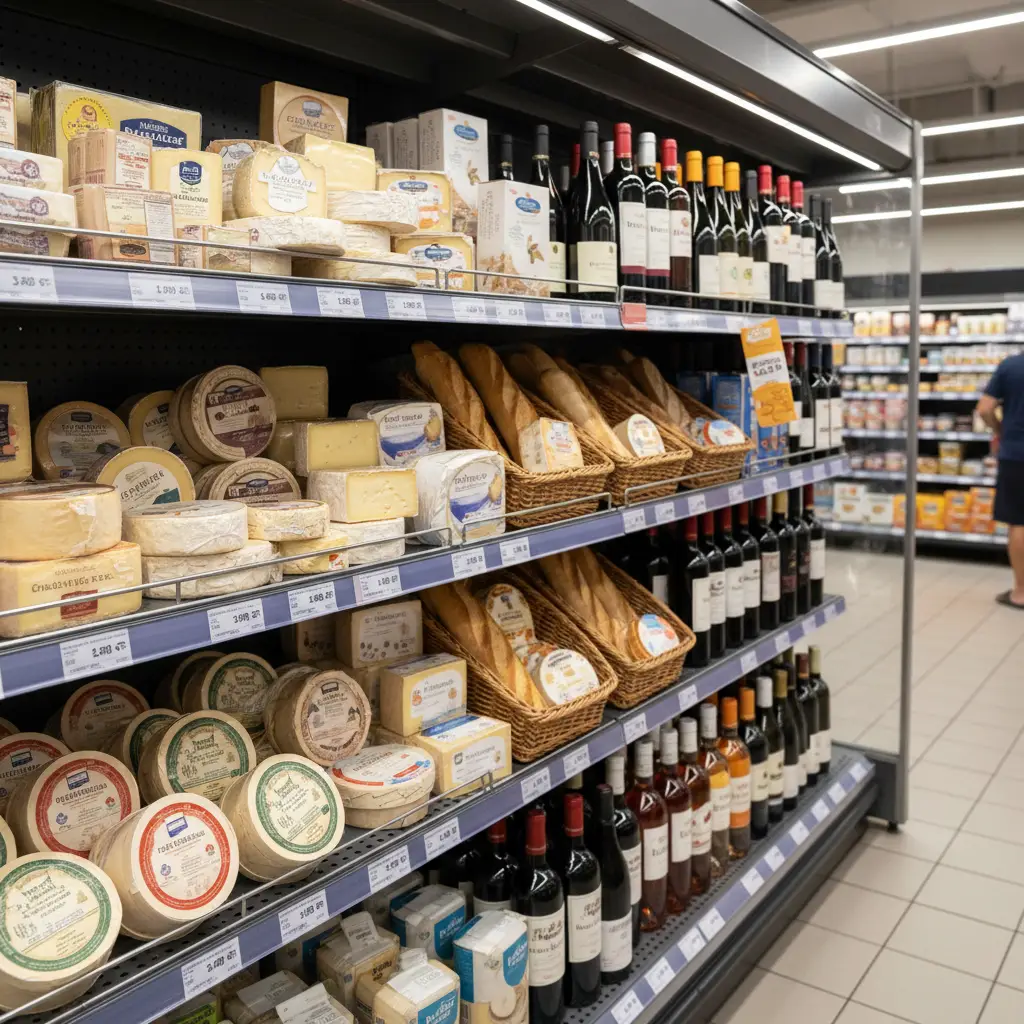
Self-catering is a popular option for Kiwi families staying in apartment-style accommodation. Supermarkets like Casino, Carrefour, and Super U are well-stocked.
- French Goods: Items like French wine, cheese, and baguettes are surprisingly affordable and high quality. A fresh baguette can cost as little as 100 XPF (approx. $1.50 NZD).
- Imported Goods: Fresh produce, meat, and dairy imported from NZ or Australia will be significantly more expensive than back home. Expect to pay a premium for milk and fresh vegetables.
Dining Out
Eating out in Nouméa ranges from affordable French snacks to high-end gastronomy.
- Lunch: A “plat du jour” (dish of the day) at a local brasserie might cost between 2,500 and 3,500 XPF ($35 – $50 NZD).
- Dinner: A three-course meal at a nice restaurant over the water can easily run 8,000+ XPF ($115+ NZD) per person, excluding wine.
- Budget Option: Look for “Snacks” (casual eateries) where you can get sandwiches, paninis, or Vietnamese dishes for under 1,500 XPF ($20 NZD).
Is Tipping Customary in New Caledonia?
Unlike the United States, and similar to New Zealand, New Caledonia does not have a mandatory tipping culture.
Service Charge
In restaurants and cafes, the price you see on the menu is the price you pay. Service is included in the cost of the meal (service compris). There is no obligation to add 10-15% on top of the bill.
When to Tip
While not expected, tipping is appreciated for exceptional service. If you have a fantastic tour guide or a waiter who went above and beyond, leaving small change or rounding up the bill is a kind gesture. However, do not feel pressured to do so. It is not rude to pay the exact amount.
Budgeting Tips for Kiwi Travelers
To make your NZD go further in the Pacific, consider these strategic tips tailored for the New Zealand market.

1. Bring Your Own Dry Goods
New Caledonia has strict biosecurity rules, but processed and packaged foods are generally allowed. If you are checking a bag, consider bringing snacks, tea bags, coffee, and muesli bars from a NZ supermarket (Pak’nSave or Countdown). This saves you from buying expensive imported snacks in Nouméa.
2. Drink the Tap Water
The tap water in Nouméa is safe to drink and meets high sanitary standards. Bring a reusable water bottle and refill it rather than buying bottled water, which adds up quickly and creates plastic waste.
3. Duty-Free Alcohol
Alcohol is heavily taxed in New Caledonia. If you enjoy a gin and tonic or a glass of wine on your balcony, purchase your allowance at the Duty-Free store at Auckland Airport before you fly. The savings compared to buying spirits in a Nouméa bottle shop are substantial.
4. Use “Le Pass” for Activities
Look for tourist passes or combo tickets for museums and the aquarium. Sometimes the local tourism office offers discount booklets that can save families significant amounts on entry fees.
Frequently Asked Questions
Can I pay with NZ dollars in Noumea?
No, NZ dollars are not legal tender. While some tourist markets might accept them, the exchange rate will be very poor. You should always pay in Pacific Francs (XPF) using cash or a credit card.
Is New Caledonia expensive for New Zealanders?
Yes, generally speaking. Costs for dining out and accommodation are higher than in New Zealand or arguably Fiji. However, French staples like bread and wine can be cheaper. Budget roughly $150-$250 NZD per person per day for a mid-range experience.
What is the best currency to take to New Caledonia?
The only useful currency is the Pacific Franc (XPF). It is best to take a debit card (like Wise or a standard NZ bank card) to withdraw cash from ATMs upon arrival, and perhaps carry a small amount of Euros or NZD to exchange in an emergency.
Do New Zealand debit cards work in New Caledonia?
Yes, as long as they are Visa or Mastercard Debit cards. Standard EFTPOS cards (without the chip/credit logo) will not work. Inform your bank before you travel to ensure your card isn’t blocked.
How much spending money do I need for a week in New Caledonia?
For a moderate budget (eating out once a day, supermarket for other meals, some activities), allow for approximately 15,000 XPF (approx. $220 NZD) per day per couple, excluding accommodation. For a luxury trip, double this amount.
Should I exchange money before I go to New Caledonia?
It is convenient to have a small amount of XPF (e.g., $100-$200 NZD worth) before you leave for immediate expenses like airport transfers. However, you will often get better value by withdrawing cash from an ATM in Nouméa using a low-fee travel card.