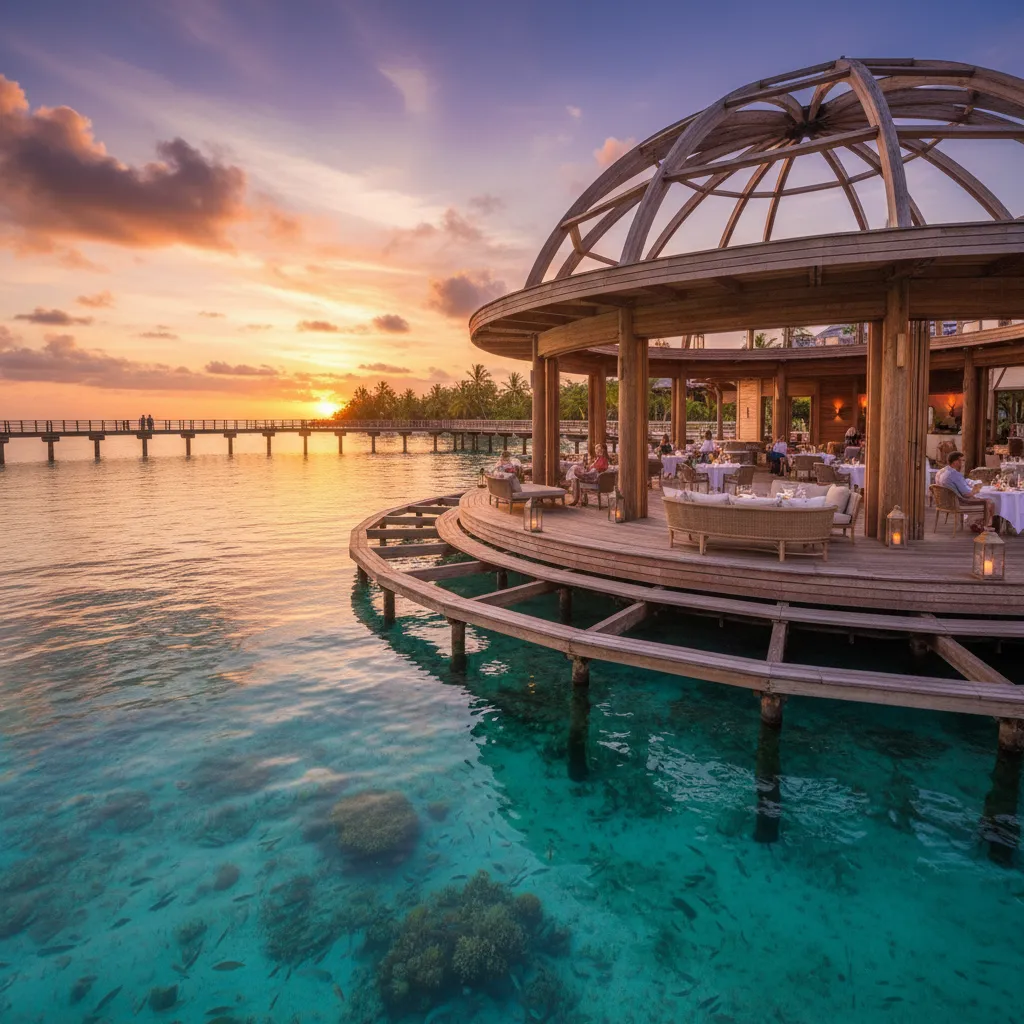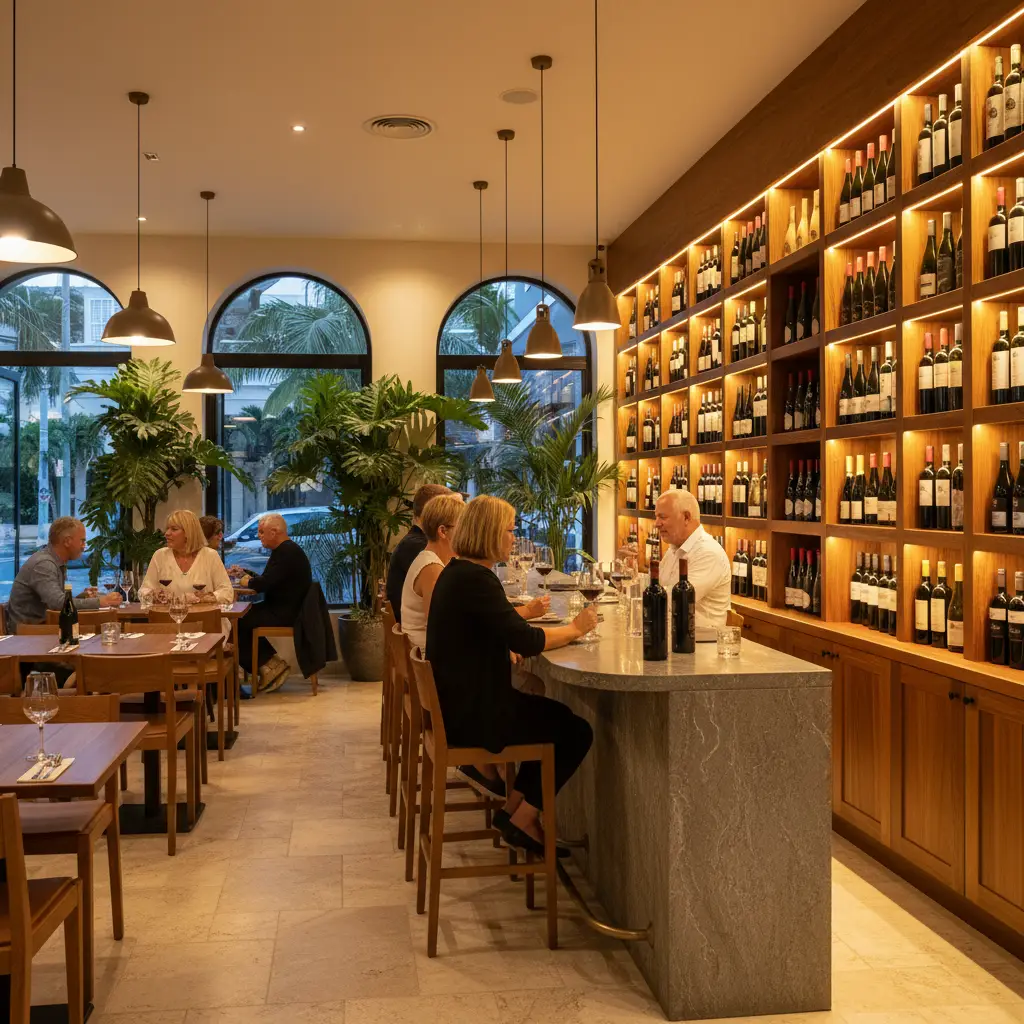
Cooking classes in New Caledonia offer a distinct fusion of high-end French culinary techniques and fresh Melanesian produce. Visitors can experience hands-on workshops ranging from mastering delicate macarons and pastries in Noumea to preparing traditional Kanak bougna in earth ovens, providing an immersive gastronomic education just a short flight from New Zealand.
The Paris of the Pacific: A Culinary Fusion
For New Zealanders looking to escape the winter chill or simply seeking a sophisticated tropical getaway, New Caledonia represents the closest taste of France to Auckland. However, the true magic of this destination lies not just in its turquoise lagoons, but in its kitchens. Cooking classes in New Caledonia are not merely about following a recipe; they are a deep dive into a culture that views food as a central pillar of life.
Noumea, often dubbed the “Paris of the Pacific,” boasts a dining scene that rivals many European capitals. Here, the culinary philosophy is a marriage of two distinct worlds. On one hand, you have the rigorous, disciplined tradition of French gastronomy—think butter, cream, precision knife work, and perfect reductions. On the other, you have the abundance of the Pacific—sweet yams, tarot, coconuts, blue prawns, and reef fish.
Participating in a cooking class here allows travelers to bridge the gap between being a tourist and becoming a participant. Whether you are a seasoned home cook wanting to refine your soufflé or a beginner looking to understand local spices, the commercial offerings in Noumea cater to every skill level. For the Kiwi market, where fresh seafood and quality produce are already appreciated, these classes elevate familiar ingredients using centuries-old French techniques.
Mastering French Pastry and Baking
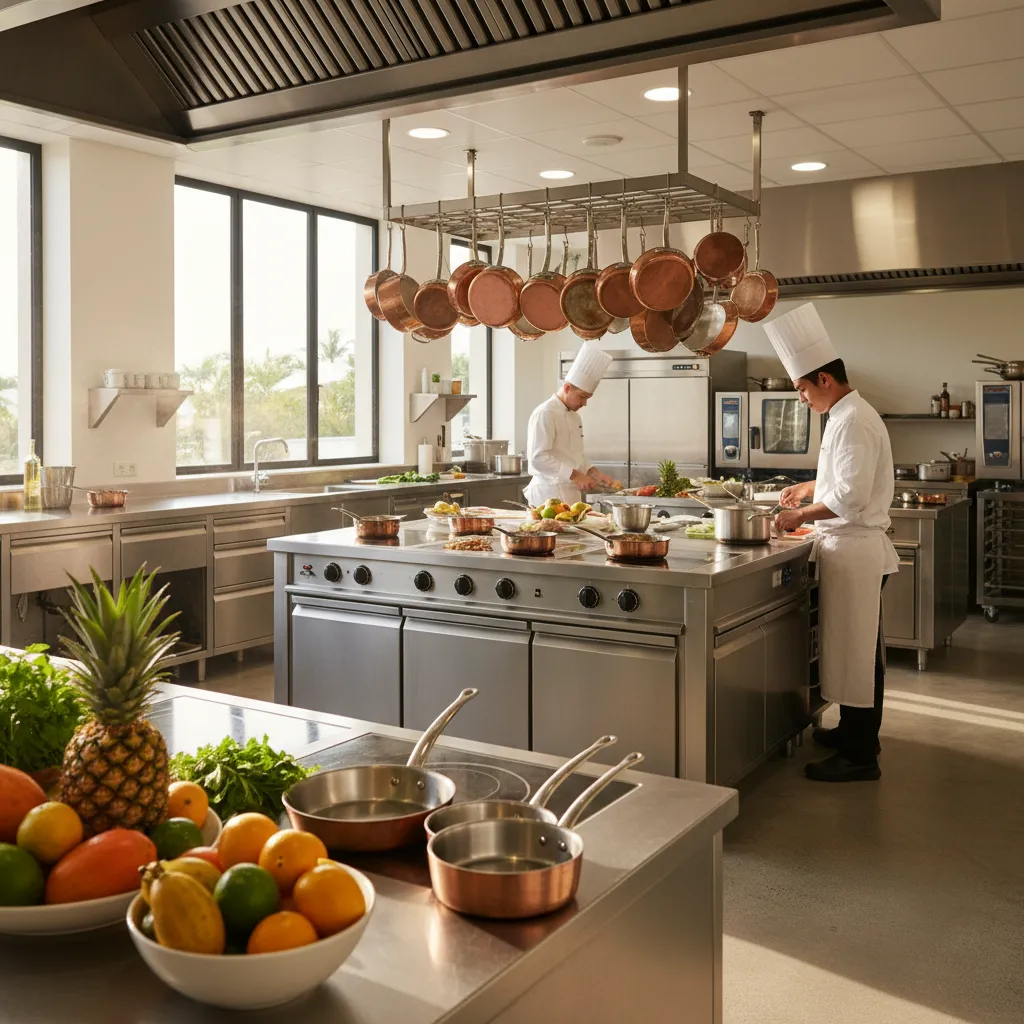
When one thinks of French cuisine, the mind immediately drifts to the patisserie. It is arguably the most popular category of cooking classes in New Caledonia for international visitors. The technical precision required to create the perfect croissant, macaron, or éclair is something that is best learned hands-on under the guidance of a Master Pâtissier.
What to Expect in a Pastry Workshop
These workshops are typically held in professional kitchens within Noumea and range from two to four hours. They are designed to demystify the science of baking. You aren’t just given a recipe card; you are taught the “why” behind the method.
- Macaron Mastery: Learn the critical ‘macaronage’ technique (folding the batter) to ensure the perfect feet and smooth shells. Instructors often use local flavors like vanilla from Lifou or passionfruit to fill these delicate treats.
- Choux Pastry: Master the art of pâte à choux, the base for éclairs and profiteroles. You will learn how to judge the consistency of the dough and how to pipe it uniformly.
- Chocolate Work: Some specialized classes focus on tempering chocolate, creating truffles, and molding pralines, often utilizing high-quality chocolate imported from France or sourced regionally.
For New Zealand travelers, these classes offer a skill set that can be taken home and replicated for dinner parties. The instructors usually provide tips on how to adapt French recipes using NZ dairy products and ovens, ensuring that your holiday learning translates to your home kitchen.
Market-to-Table: The Port Moselle Experience
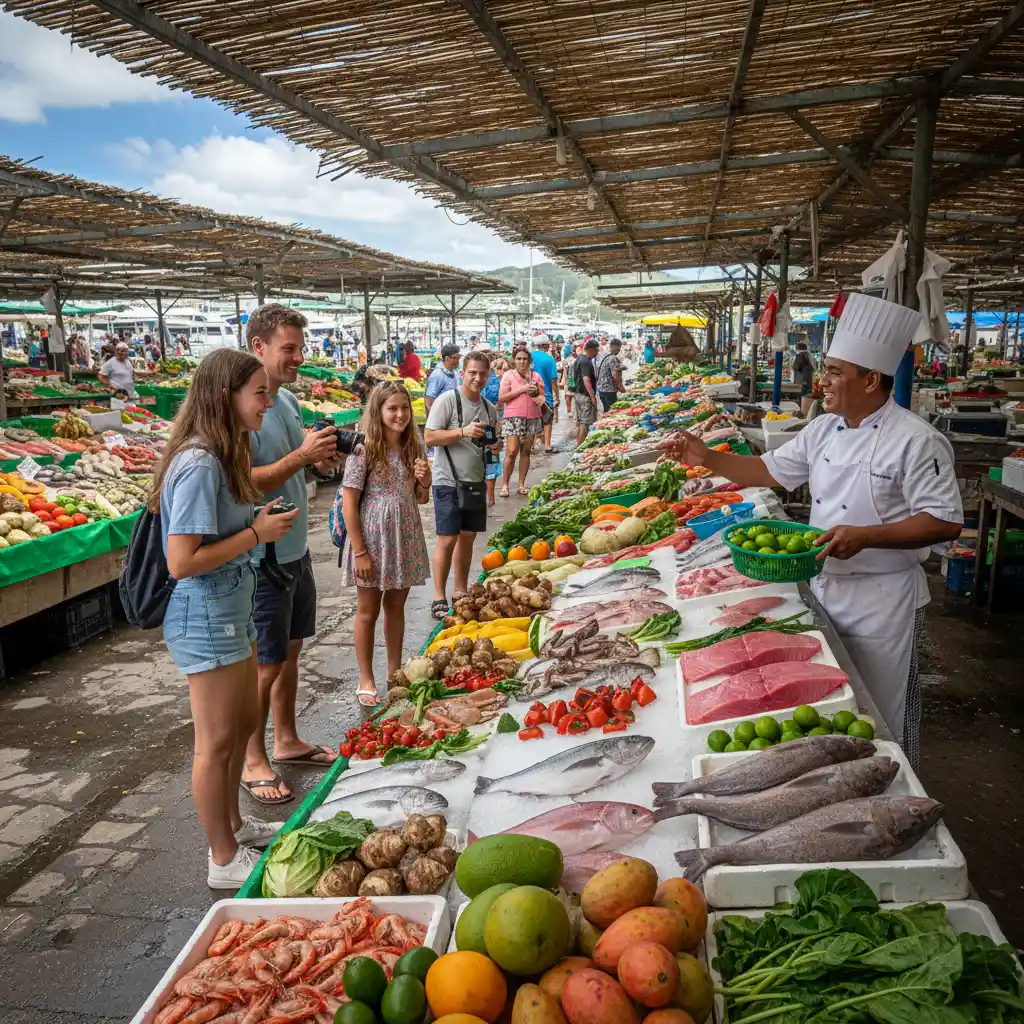
For a more dynamic and sensory-rich experience, market-to-table classes are the gold standard. These tours usually begin early in the morning at the Port Moselle Market, the beating heart of Noumea’s food scene.
The Sourcing Process
Accompanied by a chef, you will navigate the vibrant stalls. This is an education in produce selection. The chef will show you how to identify the freshest fish—looking for clear eyes and red gills on the local Mahimahi or Snapper. You will learn to distinguish between different varieties of yams and sweet potatoes, which are staples in Caledonian cuisine.
The market is also where the French and Melanesian influences collide visually. You will see tables stacked with crusty baguettes next to woven baskets of tropical fruit. The chef will guide you in purchasing specific ingredients for the day’s menu, negotiating in French (or teaching you how to), and explaining the seasonality of the produce.
The Cooking Phase
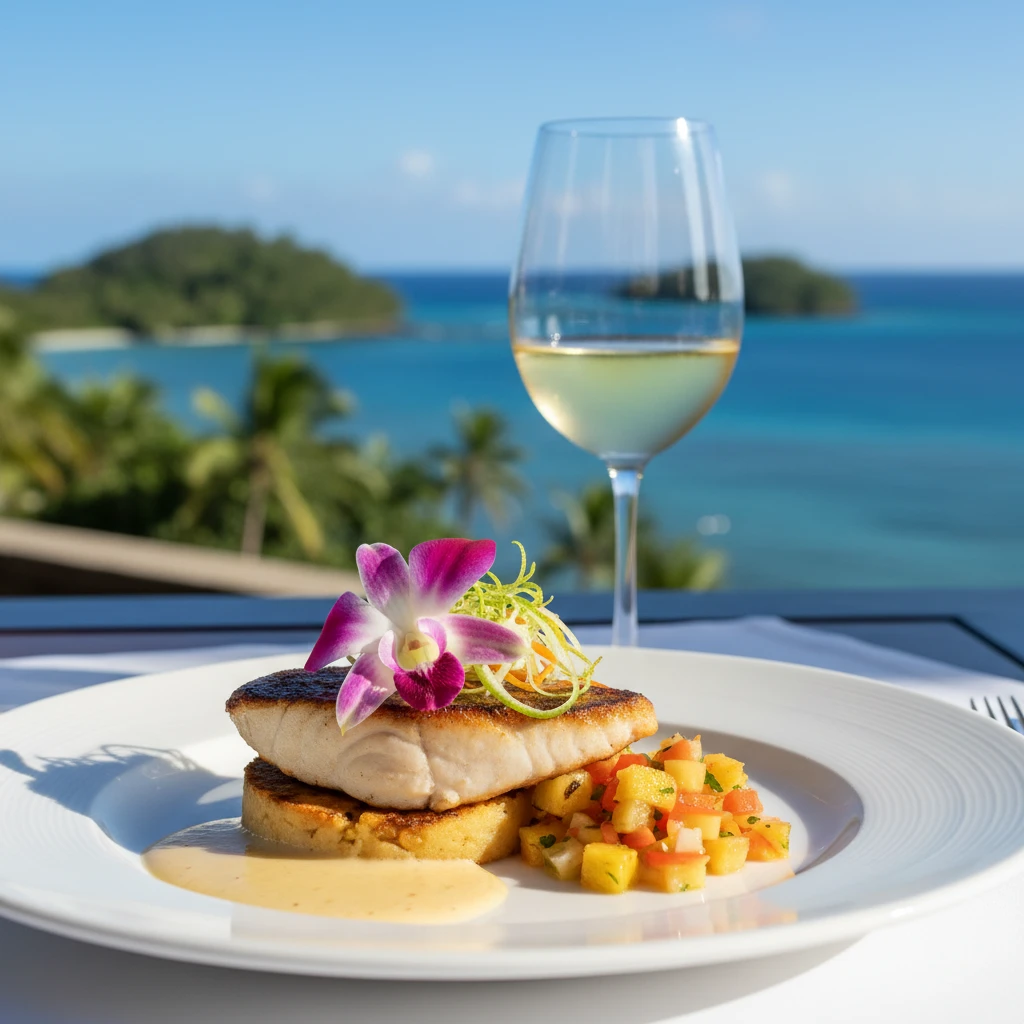
After the market tour, the group transports the haul back to a cooking studio or a private villa. Here, the focus shifts to preparation. A typical menu might involve a Tartare de Thon (Tuna Tartare) utilizing the fish just bought, seasoned with lime and coconut milk, followed by a main course of venison (a local specialty) or prawns.
These classes are excellent for those who want to understand the entire food cycle. It emphasizes the “farm-to-fork” (or “lagoon-to-plate”) philosophy that is prevalent in New Caledonia. The experience usually concludes with a communal lunch accompanied by French wines, allowing you to savor your creations.
Traditional Kanak Cooking: The Art of Bougna
To visit New Caledonia and focus solely on French cuisine is to miss half the story. The indigenous Kanak culture possesses a rich culinary heritage that is deeply tied to the land and community. The centerpiece of this tradition is the Bougna.
What is Bougna?
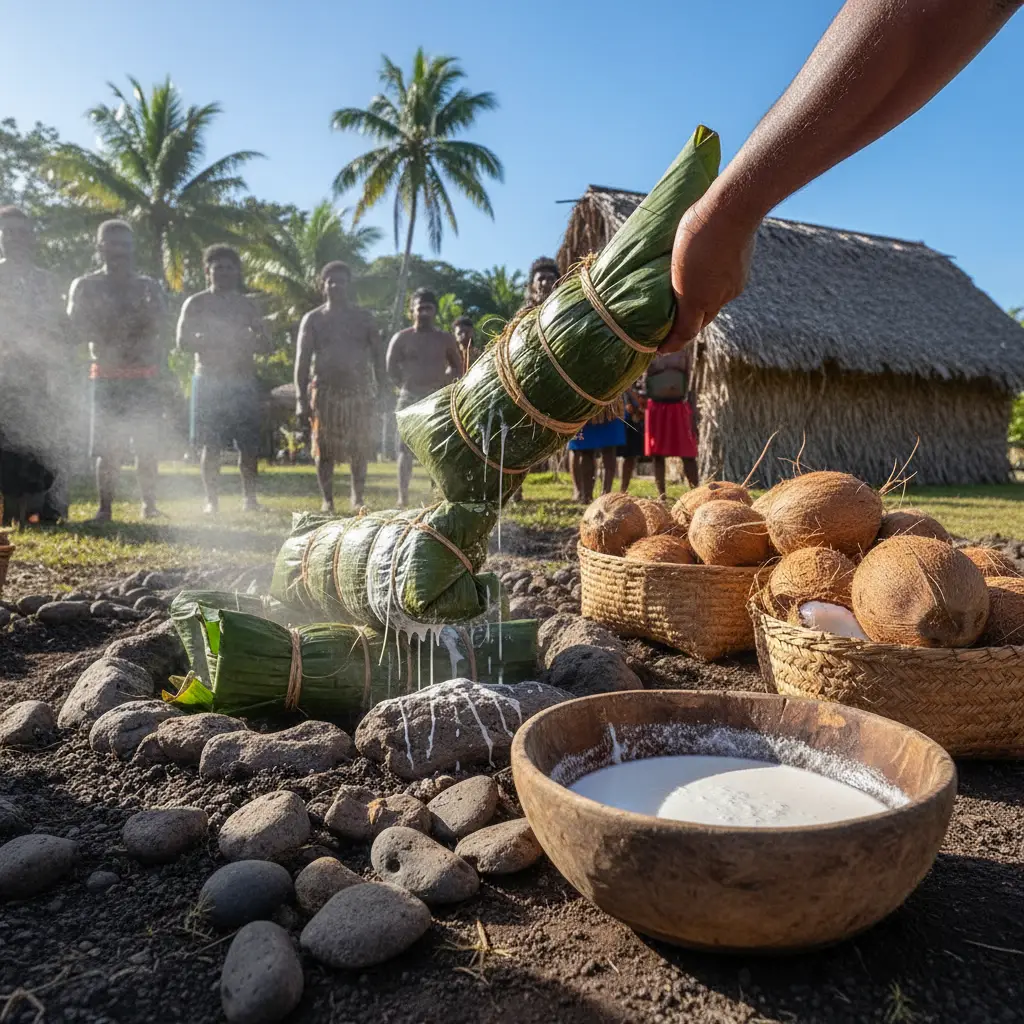
Bougna is a festive dish that is more than just a meal; it is a ceremony. It consists of a combination of taro, yam, sweet potato, banana, and pieces of chicken, fish, or lobster. These ingredients are marinated in fresh coconut milk, wrapped tightly in banana leaves, and cooked over hot stones in an earth oven known as a Kanak oven.
The Workshop Experience
Classes focusing on Kanak cuisine are often held in a tribal setting or a cultural center, sometimes slightly outside of Noumea, offering a great day-trip opportunity. These workshops are immersive:
- Preparation: You will learn how to grate fresh coconut to extract the milk, a labor-intensive but rewarding process that tastes infinitely better than canned versions.
- Wrapping: The folding of the banana leaves is a specific skill. It must be tight enough to steam the food and retain the moisture but constructed in a way that it doesn’t burn.
- The Earth Oven: You will assist in preparing the fire and the stones. While the food cooks (which can take several hours), hosts often share stories of Kanak history, customs, and the significance of the food being prepared.
This type of class appeals strongly to the “experience-seeker” demographic in New Zealand—travelers who want authentic cultural connection rather than just sightseeing.
Signature Ingredients You Will Handle
Understanding the raw materials is key to mastering the cuisine. In these classes, you will likely encounter these premium local ingredients:
- Obsidian Blue Prawns: Known globally for their sweet flavor and unique blue hue before cooking. They are farmed sustainably in New Caledonia and are a favorite in high-end cooking classes.
- Vanilla from Lifou: The vanilla grown in the Loyalty Islands is incredibly potent and aromatic. It is a staple in both savory fish dishes and sweet pastries.
- Niaouli Essence: Derived from the paperbark tree, this essence is sometimes used in syrups or honey and has a distinctive medicinal-herbal flavor unique to the region.
- Venison: With a large population of Rusa deer, venison is a common protein in New Caledonia, often prepared as a carpaccio or slow-cooked in wine.
Finding English-Speaking Instructors
One of the primary concerns for Kiwi travelers is the language barrier. While French is the official language, the tourism sector in Noumea is well-adapted to English-speaking visitors, particularly from Australia and New Zealand.
Most reputable cooking schools and commercial tour operators offer classes specifically led by bilingual chefs. When booking, it is crucial to verify the language of instruction. Many chefs have trained internationally and speak excellent English. In the market tours, having an English-speaking guide is vital to understanding the nuances of the produce and the banter of the stallholders.
If you are booking a smaller, private experience or a tribal homestay for Kanak cooking, translation might be more informal, but food is a universal language. The visual nature of cooking demonstrations often transcends linguistic hurdles.
Practical Booking Tips for Kiwi Travelers
To ensure you secure a spot in these sought-after experiences, consider the following advice tailored for the New Zealand market:
- Book in Advance: Classes, especially the intimate pastry workshops and market tours, have limited capacity (often 6-10 people). It is recommended to book at least 2-3 weeks prior to your trip.
- Currency Matters: New Caledonia uses the Pacific Franc (XPF). While credit cards are widely accepted in Noumea, some smaller market vendors or tribal experiences may prefer cash. Check the current NZD to XPF exchange rate before you go.
- Dietary Requirements: French cuisine relies heavily on butter, gluten, and seafood. If you have allergies, communicate this clearly at the time of booking. Most chefs can accommodate, but they need notice.
- Transport: Check if your cooking class includes hotel pickup. Noumea is spread out, and while taxis are available, a transfer inclusion makes the day much smoother.
Frequently Asked Questions
How much do cooking classes in Noumea cost?
Prices vary significantly based on the type of class. A standard 2-hour pastry workshop typically ranges from 8,000 to 12,000 XPF (approx. $110-$170 NZD). Full-day market tours including lunch can range from 15,000 to 20,000 XPF. Tribal experiences are often cheaper but may require transportation costs.
Do I need to speak French to attend a cooking class?
No, you do not. Many major cooking schools and tour operators cater specifically to English-speaking tourists from New Zealand and Australia. Always confirm the language provision when booking your session.
Are cooking classes suitable for children?
Yes, many providers offer specific “Little Chef” workshops or family-friendly classes, particularly for baking and pastry. However, complex market tours or hot-stone cooking may be better suited for older teenagers and adults.
What is the best time of year for a foodie trip to New Caledonia?
New Caledonia is a year-round destination, but for foodies, the cooler months (May to October) are pleasant for market walking. The “Fête de la Gastronomie” (French Gastronomy Festival) often takes place in September, offering additional workshops and events.
Can I bring the food I cook back to my hotel?
Generally, yes. For pastry classes, you are usually given a box to take your creations home. For savory cooking classes, you typically eat the meal on-site as a lunch or dinner, but leftovers might be packed upon request.
Where is the best place to buy ingredients to take back to NZ?
Port Moselle Market and local supermarkets (like Casino or Carrefour) are excellent. However, be aware of New Zealand’s strict biosecurity laws. Processed items like vanilla pods, chocolates, and canned goods are usually fine, but fresh fruit and meat are prohibited.