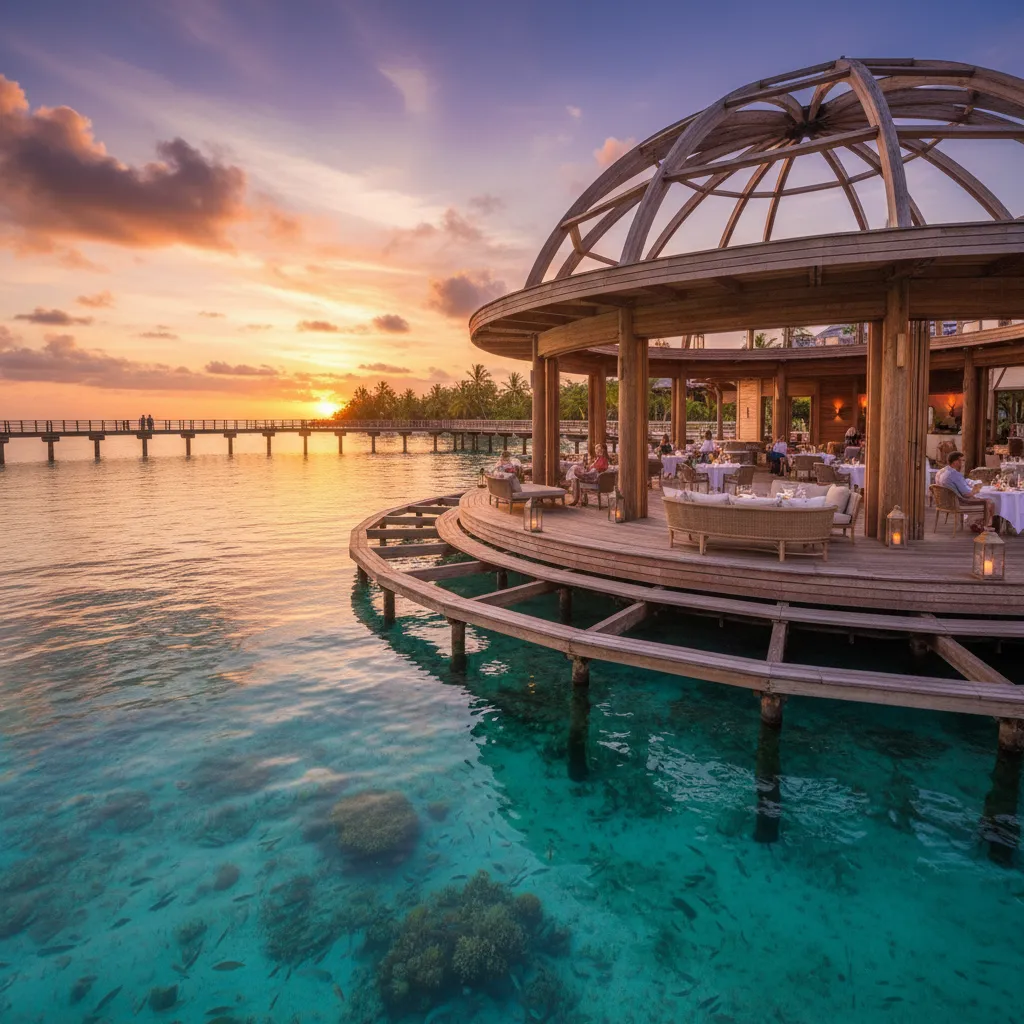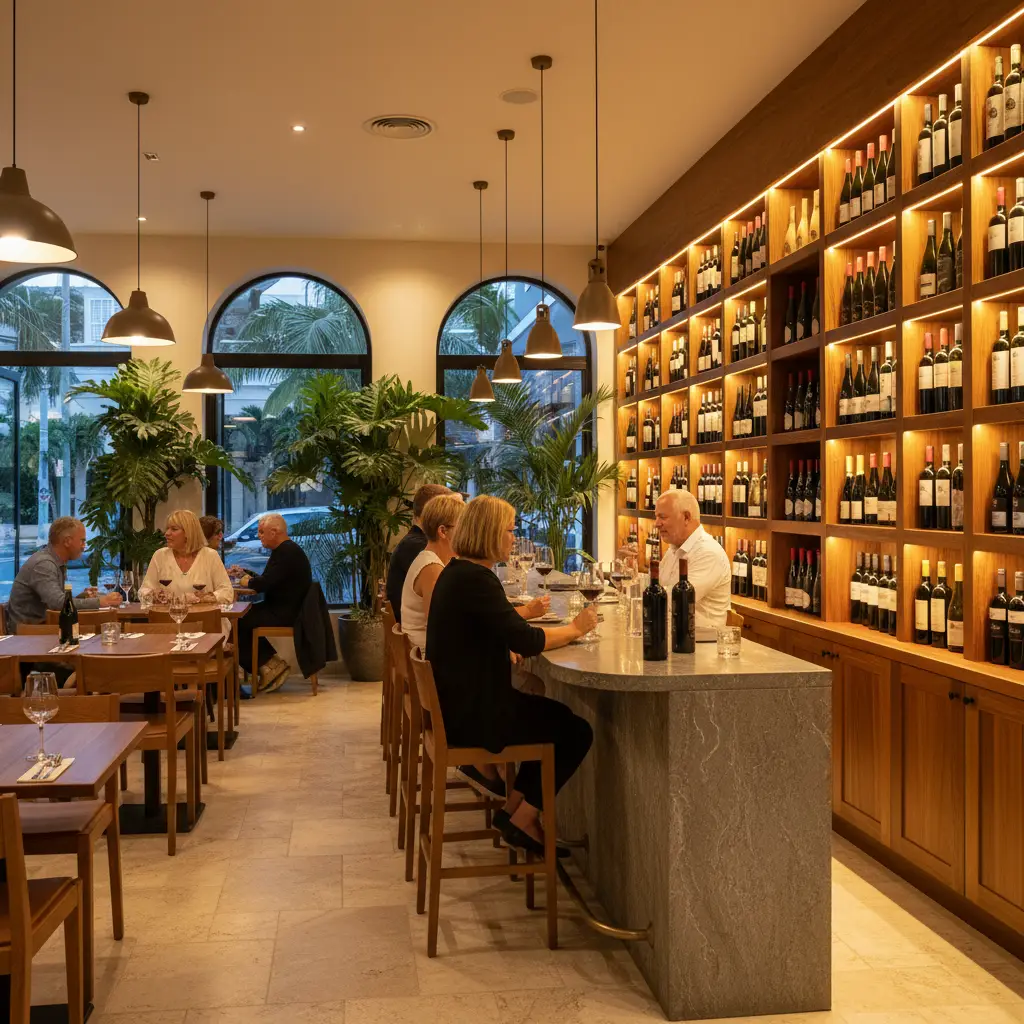
Coffee in Noumea represents a sophisticated fusion of traditional French café culture and emerging specialty coffee trends suitable for New Zealand travelers. While the city historically favors strong espresso and traditional ‘café au lait,’ modern venues now offer local New Caledonian beans and textured milk options like flat whites, set against a backdrop of colonial architecture and tropical lagoons.
For New Zealanders, coffee is not merely a morning beverage; it is a ritual, a necessity, and a cultural touchstone. When traveling to our closest neighbor in the Pacific, New Caledonia, the expectation for a high-quality caffeine fix travels with us. Noumea, the cosmopolitan capital, offers a unique coffee scene that blends the chic elegance of Paris with the laid-back vibes of the South Pacific. However, navigating this scene requires a bit of local knowledge, especially when your palate is tuned to the specific texture of a Wellington flat white.
This guide serves as your comprehensive manual to finding, ordering, and enjoying the best coffee in Noumea, ensuring your island getaway remains fully caffeinated and culturally enriching.
The Noumea Coffee Scene: What to Expect
To understand the coffee culture in Noumea, one must first appreciate the heavy French influence that permeates the city. Unlike the “Third Wave” coffee movement that dominates Auckland or Melbourne—characterized by light roasts, single-origin pour-overs, and intricate latte art—Noumea adheres closer to the traditional French approach. Coffee here is often treated as a digestive or a quick energy boost rather than a dessert-like beverage.
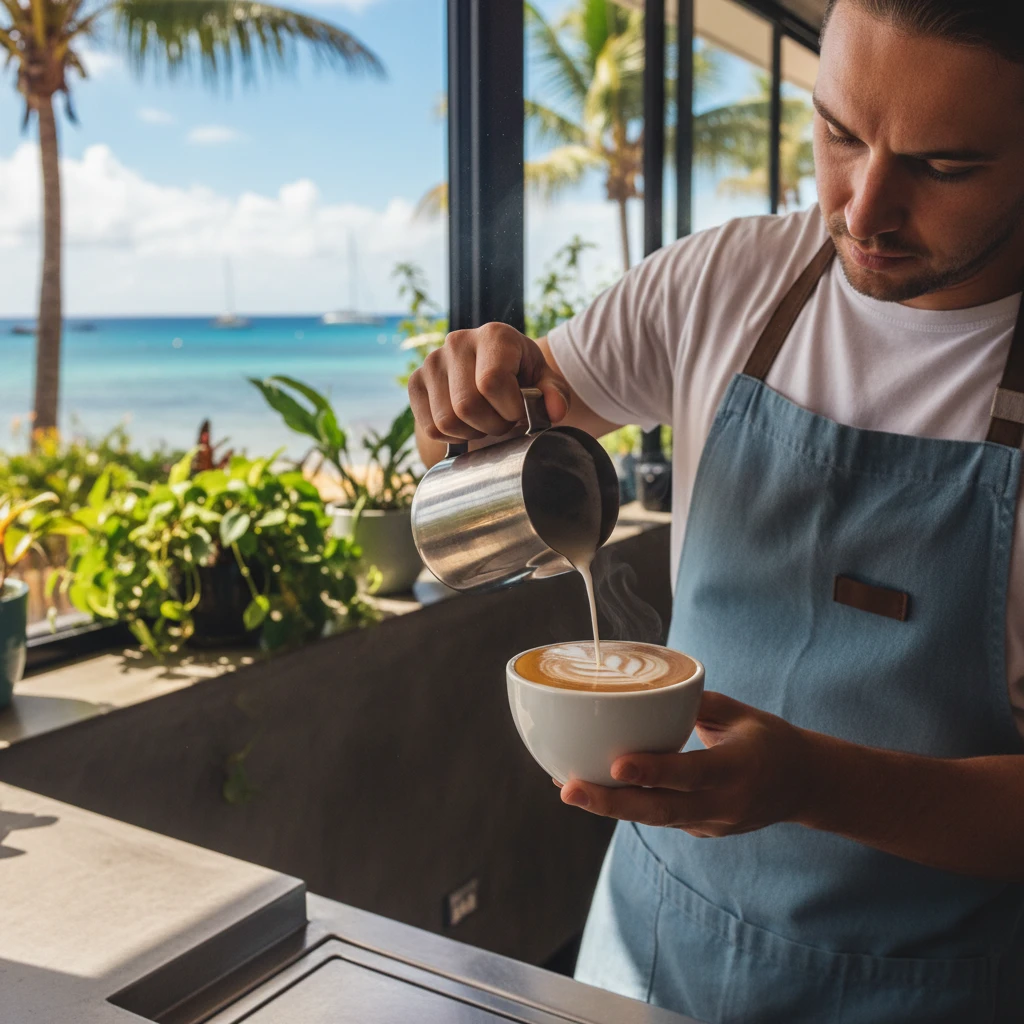
However, the landscape is shifting. With the influx of Australian and New Zealand tourists, combined with a younger generation of Caldoches (locals of European descent) who have studied abroad, the demand for specialty coffee is growing. You will now find a dichotomy in the city: the classic brasseries serving robust, dark-roast espresso, and the modern cafés utilizing high-end machines and offering the velvety micro-foam that Kiwis crave.
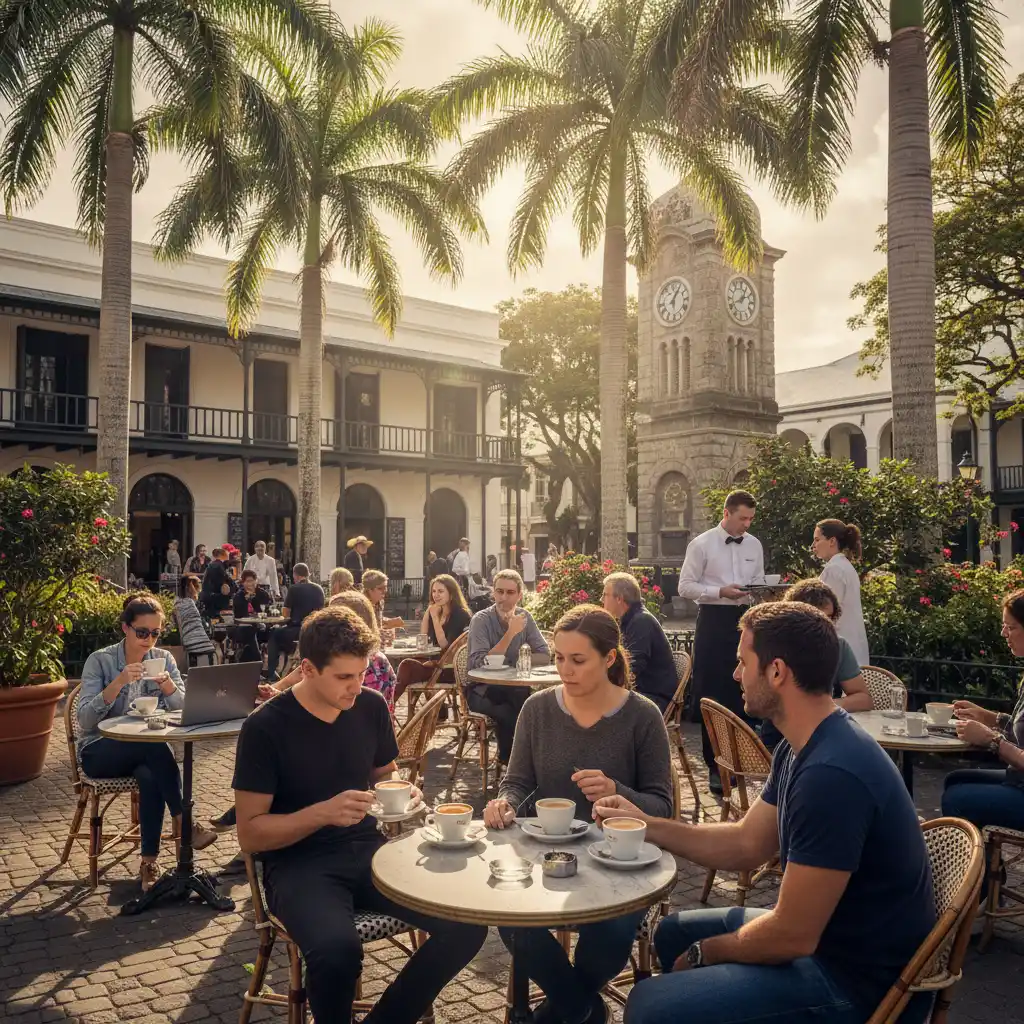
Decoding the French Coffee Menu for Kiwis
The most common anxiety for a New Zealander ordering coffee in a Francophone country is the terminology. Ordering a “Flat White” at a traditional establishment may result in a confused look or a glass of hot milk with a dash of coffee. To get what you want, you need to speak the language of the barista.
What is the French equivalent of a Flat White?
There is no exact direct translation, but the closest approximation in a traditional French café is a Grand Crème. This is a large coffee with hot milk. However, be aware that the milk is often steamed differently—more frothy than textured. In modern specialty cafes in Noumea, you can ask for a “Flat White” directly, and they will understand.
Common Coffee Terms Explained
- Un Café (or Un Express): This is the standard. If you just ask for “coffee,” you will get a shot of espresso. It is short, black, and strong.
- Un Allongé: Similar to a Long Black. It is an espresso diluted with hot water. This is your safest bet if you dislike milk but find a single espresso too intense.
- Un Noisette: Similar to a Macchiato. An espresso with a small dash (a hazelnut-sized drop) of milk or foam to cut the bitterness.
- Café au Lait: Strictly speaking, this is breakfast coffee. It is often served in a bowl (un bol) at home, consisting of strong brewed coffee mixed with a lot of hot milk. In a cafe, it is similar to a latte but often less strong.
- Un Déca: Decaffeinated coffee.
Top Cafes in Noumea for the Discerning Traveler
Finding a venue that satisfies the Kiwi standard for coffee requires knowing where to look. While hotel buffets often serve generic automated brews, the city streets hide culinary gems where the barista skills are top-tier.
Where can you find the best specialty coffee in Noumea?
The best specialty coffee is found in the artisanal bakeries and specific roastery cafes located in the Latin Quarter, Baie des Citrons, and Anse Vata areas. These venues prioritize bean quality and milk texture.
1. L’Atelier Gourmand (The Gourmet Workshop)
Located conveniently for travelers, L’Atelier Gourmand is often cited by expats and tourists alike as a sanctuary for good coffee. It is a bakery first, but their coffee machine is manned by staff who understand the importance of crema and milk temperature. It is an excellent spot for a morning Grand Crème accompanied by a fresh baguette.
2. Malongo Café
Malongo is a serious name in French coffee, specializing in high-quality beans and ethical sourcing. Their establishment in Noumea offers a sophisticated tasting experience. Here, you can choose beans from different origins. It is less about the “grab and go” culture and more about sitting down to appreciate the flavor profile of a specific roast. If you are a black coffee drinker, this is your destination.
3. Au P’tit Café
Situated in the Latin Quarter, this venue offers a quintessential Noumea experience. It combines a bistro atmosphere with excellent coffee service. It is a popular spot for lunch, so arriving mid-morning for a coffee break allows you to enjoy the ambiance without the midday rush. Their Noisette is particularly renowned.
4. Amorino
While famous globally for their gelato, the Amorino outlet in Noumea (often found near the tourist hubs like Baie des Citrons) takes their coffee seriously to pair with their sweets. It is a great option for an afternoon pick-me-up where you can indulge in an Affogato—espresso poured over vanilla gelato.
New Caledonian Coffee: A Hidden Gem
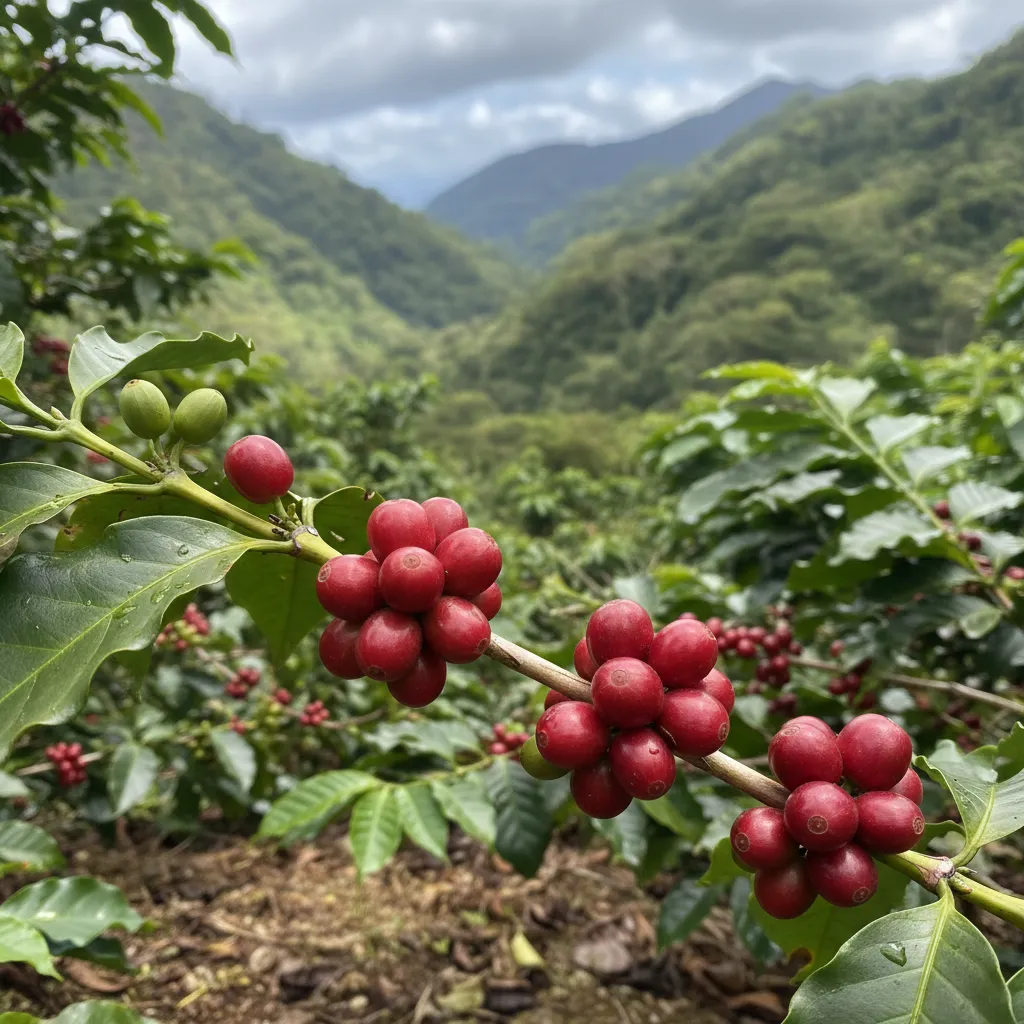
Many travelers are unaware that New Caledonia is a coffee-producing nation. The history of coffee here dates back to the 19th century when French colonists introduced Arabica plants. At one point, coffee was the territory’s primary export before nickel mining took precedence.
What makes New Caledonian coffee unique?
New Caledonian coffee is characterized by a unique terroir that produces beans with low acidity and rich, chocolatey undertones. The most famous, though rare, variety is the Bourbon Pointu (Laurina), a mutation of Arabica that is naturally low in caffeine and highly prized by connoisseurs for its delicate flavor.
Today, production is smaller scale, concentrated on the West Coast and the East Coast of the main island (Grande Terre). The beans are often a mix of Arabica and high-quality Robusta, processed to suit the French preference for a darker, full-bodied roast. When in Noumea, look for bags of “Café Mélanésien” or brands like Café Le Roy in supermarkets or specialty shops. Bringing a bag home is an excellent souvenir that offers a distinct taste of the Pacific not easily found in New Zealand supermarkets.
The Art of the Pairing: Pastries and Brews
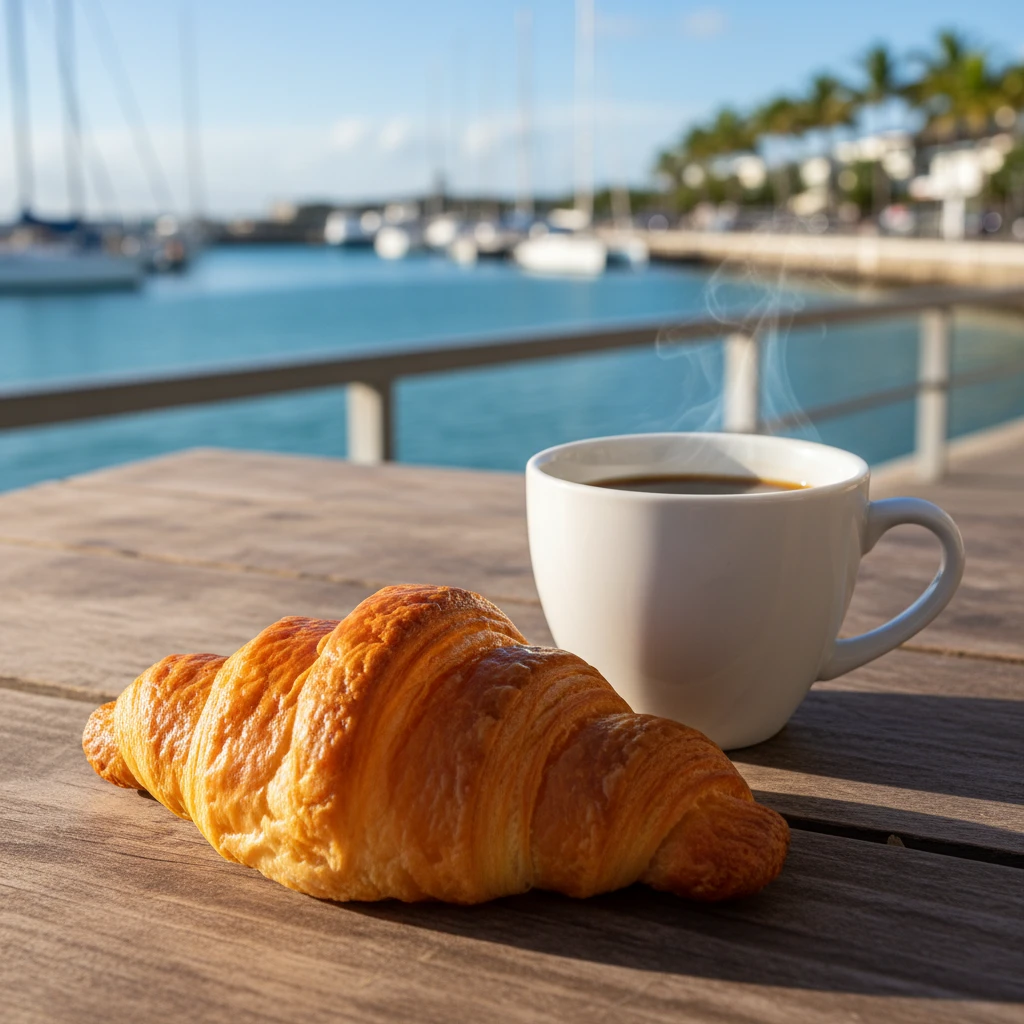
In Noumea, coffee is rarely consumed in isolation. The French culture dictates that coffee requires a companion, usually in the form of a buttery pastry (viennoiserie). For the New Zealand traveler, this is where the experience transcends a simple caffeine fix and becomes a culinary delight.
The Croissant and the Café au Lait
The classic breakfast. The croissants in Noumea are world-class, rivaling those in Paris. Made with imported French butter, they are flaky, airy, and rich. The local custom for breakfast involves dunking the croissant into a bowl of café au lait. This might seem messy to the uninitiated, but the wide rim of the bowl is designed exactly for this purpose.
Pain au Chocolat and Espresso
For a mid-morning break, pair a pain au chocolat with a sharp espresso (un café). The bitterness of the dark roast cuts through the sweetness of the chocolate and the richness of the pastry dough, creating a balanced palate experience.
Chouquette and Noisette
If you want something lighter, look for chouquettes—small puffs of choux pastry topped with pearl sugar. These are airy and light, perfect for snacking alongside a Noisette or a macchiato.
Practical Tips: Etiquette, Hours, and Cost
To fully enjoy the coffee culture in Noumea, there are a few practicalities to keep in mind that differ from the New Zealand norm.
Opening Hours
Noumea wakes up early. You will find bakeries and cafes opening as early as 5:30 AM or 6:00 AM to cater to locals buying fresh bread. However, they also close earlier. Do not expect to find high-end coffee service late in the afternoon. Many cafes may close after the lunch rush (around 2:00 PM) or have a lull period. If you need a coffee at 4:00 PM, you may be limited to hotel bars or specific tourist-focused venues.
Service Etiquette
Service in Noumea follows French customs. It is polite to greet the staff with a “Bonjour” before ordering. Failure to do so can be perceived as rude. Also, unlike in NZ where you might pay at the counter immediately, in many sit-down brasseries, you order at the table and pay when you are finished. However, in modern bakery-cafes, counter service is becoming standard. Tipping is not mandatory as service is included, but leaving small change is appreciated.
Cost Expectations
New Caledonia is not a budget destination. Expect to pay prices similar to or slightly higher than major NZ cities. An espresso might cost between 250-350 XPF (approx. $3.50 – $5.00 NZD), while a large milky coffee or specialty drink can range from 500-700 XPF. Always check if there is a surcharge for sitting on the terrace versus standing at the bar, a common practice in traditional French establishments.
Frequently Asked Questions
Can I get soy or oat milk in Noumea cafes?
Yes, but it is not as ubiquitous as in New Zealand. Major cafes and tourist-centric spots in Anse Vata will usually have soy milk (lait de soja). Oat and almond milk are becoming more common but are not guaranteed at smaller, traditional bakeries. It is best to ask: “Avez-vous du lait de soja ?”
Is the coffee in Noumea strong?
Generally, yes. The French style favors a darker roast which can taste more bitter and intense than the medium roasts popular in NZ. If you find it too strong, ask for hot water on the side (de l’eau chaude) to dilute it to your taste.
What is the best coffee brand to buy as a souvenir?
Look for “Café Le Roy” or “Café Mélanésien.” These are local brands that offer 100% New Caledonian Robusta/Arabica blends. For a premium gift, try to find 100% Arabica from the local plantations, though stock varies by season.
Do cafes in Noumea offer takeaway cups?
“A emporter” means takeaway. While modern cafes offer disposable cups, traditional French culture emphasizes sitting down and drinking from ceramic. If you want to walk and drink, ensure you specifically ask for “café à emporter.”
Where is the best place for coffee with a view?
The Baie des Citrons (Lemon Bay) and Anse Vata are the prime spots. Venues like Le Faré or cafes along the Promenade Roger Laroque offer stunning views of the lagoon while you sip your morning brew.
Is decaf coffee widely available?
Yes, almost every establishment will serve decaf. Ask for “un déca.” It is very common in France and its territories to drink decaf in the late afternoon or evening.