To book a surf guide in Bourail, you must arrange a specialized taxi boat transfer to the outer reef passes, primarily “La Fausse Passe” or the “Secret Spot.” Operators like Nekweta Surf Camp provide essential boat access and local guiding. Booking at least 24 hours in advance is critical as trips are strictly dictated by tides and wind conditions.
For New Zealand surfers accustomed to the rugged beach breaks of the West Coast or the point breaks of Raglan, New Caledonia offers a tantalizingly close tropical alternative. Located just a short flight from Auckland, the Bourail region—specifically the Gouaro Deva domain and Poe Beach—hosts world-class reef breaks that remain surprisingly uncrowded. However, unlike the accessible shores of Piha, these waves break kilometers offshore on the barrier reef, making a boat transfer and local knowledge mandatory.
This guide serves as your comprehensive manual to navigating the logistics of surfing in Bourail, securing a boat captain, and maximizing your time in the water.
The Pass at Bourail: Conditions and Skill Level
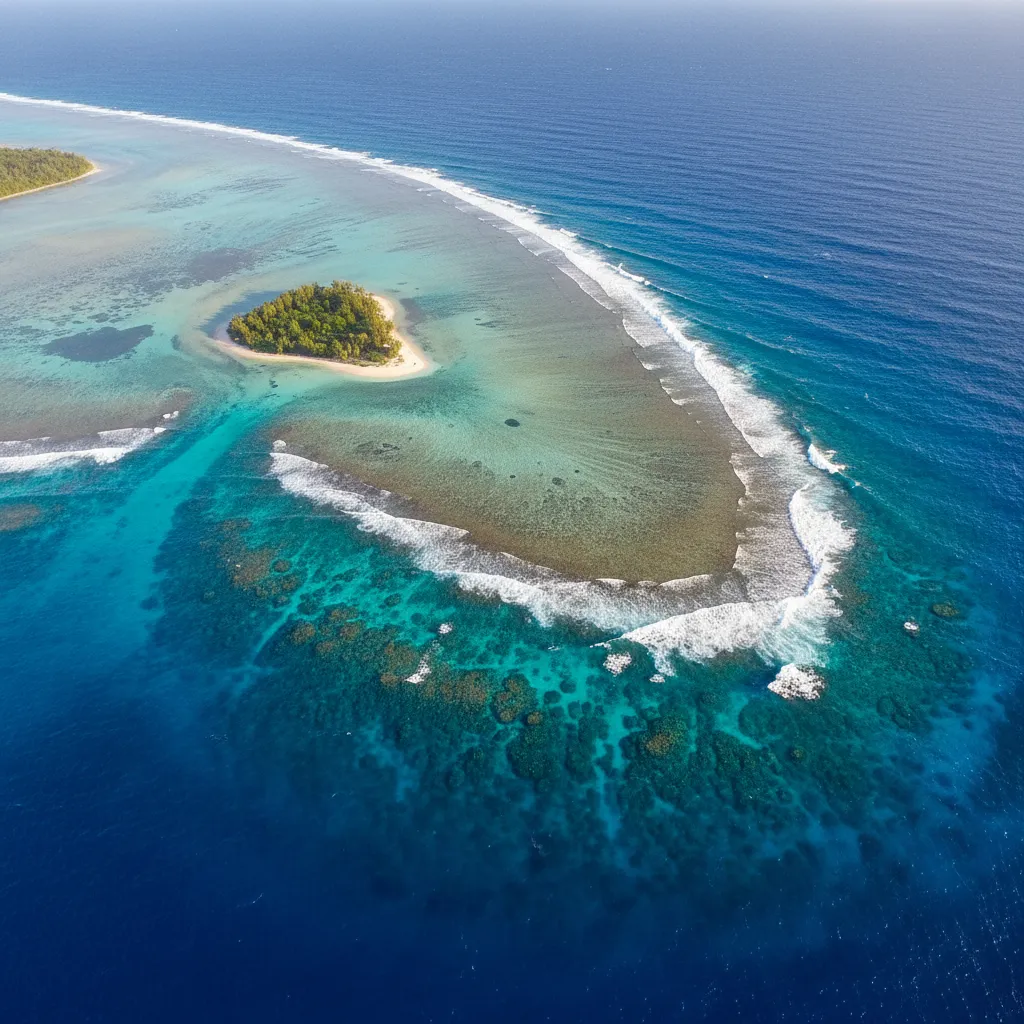
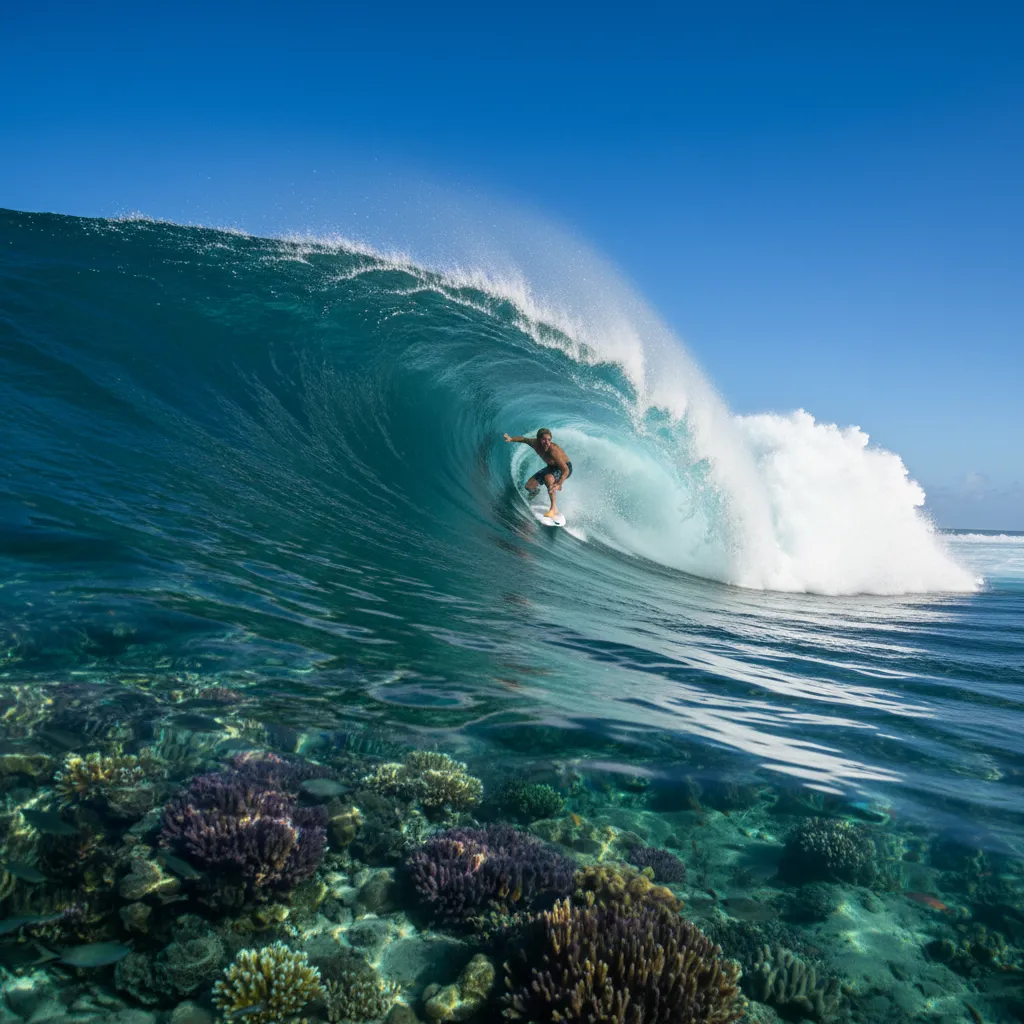
Before you attempt to book a surf guide in Bourail, it is imperative to understand the nature of the waves. The primary spot is known as “La Fausse Passe” (The False Pass) or simply the Gouaro Deva pass. It is a powerful, hollow left-hander that breaks over a living coral reef.
Is it Suitable for Beginners?
No. This is critical information for Kiwi families traveling to the Sheraton Deva. While the lagoon at Poe Beach is excellent for flat-water stand-up paddleboarding and beginner windsurfing, the surf at the reef is for intermediate to advanced surfers only. The wave breaks fast and hollow, and the water can get very shallow at low tide. If you are a beginner looking for lessons, you are better off looking at surfing inside the lagoon on rare huge swell days or heading south to Noumea where beginner beach breaks are more accessible.
The Wave Mechanics
The wave at the pass is a mechanical left. On a good day with a Southwest swell and Northeast trade winds, it offers a steep drop, a barrel section, and a long, walling shoulder. It is comparable to some of the sharper reef breaks in Fiji or Samoa, rather than the mushier waves often found in NZ bays. The “Secret Spot” nearby offers a right-hander, but it is more fickle and requires specific swell directions to work properly.
How to Book Surf Guide and Boat Transfers
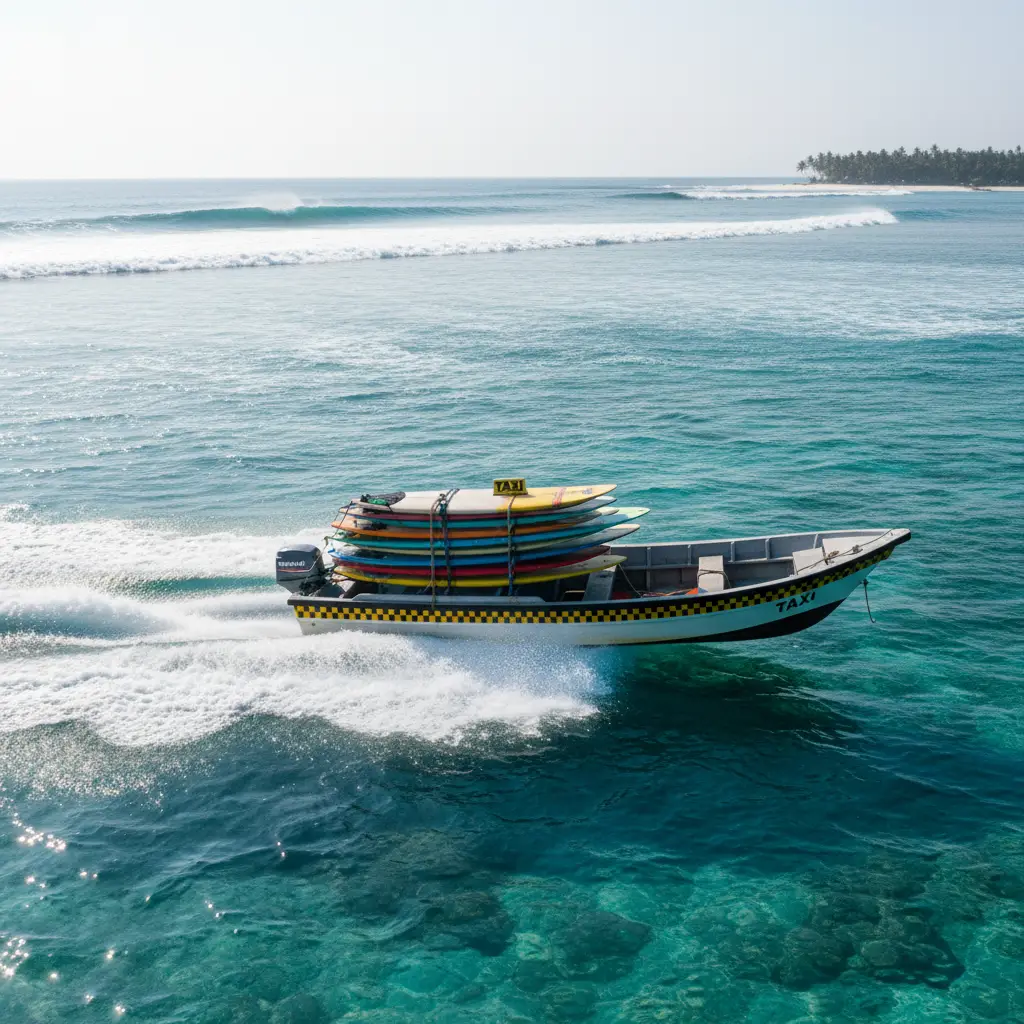
When we discuss the intent to “book surf guide Bourail,” we are almost exclusively talking about booking the taxi boat. You cannot paddle to the reef from the beach; it is roughly 2 to 3 kilometers offshore. The boat captain acts as your surf guide, analyzing the conditions and deciding if it is safe to go out.
The Booking Process
The surf transfer ecosystem in Bourail is small and relaxed. There is no Uber for boats here. You must rely on established local operators. The primary operator in the region is Nekweta Surf Camp, run by Manu. He is a local legend who knows the reef intimately.
To secure your spot, follow these steps:
- Contact Early: Do not wait until the morning of the swell. Reach out via email or phone at least 2-3 days prior.
- Check the Schedule: Boats only run at specific tides (usually mid-to-high tide to ensure the boat can clear the lagoon coral heads).
- Group Size matters: Most boats require a minimum of 2-3 surfers to run, or you will have to pay a surcharge to cover the fuel cost for a solo trip.
- Pricing: Expect to pay between 3,000 and 5,000 XPF (approx. $45 – $75 NZD) per person for a half-day session.
Accommodation Near Poe Beach for Surfers
Proximity to the boat launch is key. Most surf boats launch from the channel near the Sheraton Deva or the Poe Beach boat ramp. Here are the best options catering to different budgets for New Zealand travelers.
Luxury: Sheraton New Caledonia Deva Resort & Spa
For those on a higher budget or traveling with non-surfing family members, the Sheraton is the most convenient option. It is located directly in front of the lagoon.
- Pros: Luxury bungalows, incredible breakfast buffet, golf course for flat days, and the taxi boat can often pick you up directly from the resort beach if the tide allows.
- Cons: High price point (check exchange rates for NZD), and it can feel isolated from the local culture.
The Surfer’s Choice: Nekweta Surf Camp
If your primary goal is to surf, staying at Nekweta is the most logical choice. Located slightly inland from the beach, it offers a true surf lodge experience.
- Pros: You are staying with the boat captain (Manu). You have first priority for boat seats. The atmosphere is communal and focused on ocean activities.
- Cons: Rustic accommodation compared to the resort (mosquito nets, shared spaces), but very authentic.
Budget/DIY: Poe Beach Camping and Gites
There are several “Gites” (holiday homes) and a campsite along Poe Beach.
- Pros: Very affordable. Great for Kiwi families used to camping holidays.
- Cons: You will need a rental car to get to the boat launch or town for supplies. You must be self-sufficient with food.
Best Tides, Wind Directions, and Seasonality
New Caledonia has a distinct surf season that aligns somewhat with the Southern Hemisphere winter, making it a perfect escape for Kiwis looking to ditch their 4/3 wetsuits (though a spring suit is still recommended).
The Golden Season: April to September
This is the prime window. During these months, low-pressure systems in the Tasman Sea and deep Southern Ocean send consistent Southwest swells toward the reef.
- Swell: Look for SW or S swells. A direct West swell can be blocked by the main island depending on the angle.
- Wind: The prevailing wind is the Southeast Trade Wind. At the Bourail pass, a SE wind is cross-offshore to offshore, grooming the left-hander perfectly. If the wind switches to Northwest, the wave becomes choppy and unsurfable.
Tide Management
Tides are the most restrictive factor when you book a surf guide in Bourail. The lagoon drains significantly at low tide.
- High Tide: Essential for the boat to navigate the lagoon.
- Mid Tide: Generally the best time for the wave shape.
- Low Tide: The reef becomes exposed (“dry reef”). It is dangerous to surf, and the boat cannot return to shore until the water fills in. Sessions are usually timed around the incoming or outgoing mid-tide.
Gear and Preparation for NZ Surfers
Traveling from New Zealand to New Caledonia for surf requires specific preparation. While you might be used to cold water and sand bottoms, the tropical reef environment is different.
Board Selection
Bring your standard shortboard or a step-up if the forecast looks heavy. A fish or high-volume groveler is fun for smaller days, but the wave has enough power that you generally want a performance board. Important: Bring a spare leash and an extra set of fins. There are no surf shops in Bourail. If you snap a leash at the reef, it is a long, dangerous swim.
Wetsuits and Protection
Despite being tropical, the water can be fresh in the morning during July and August.
- Attire: A 2mm spring suit or a wetsuit top is perfect. Boardshorts are fine for the afternoon.
- Reef Booties: Highly recommended. The coral is sharp and unforgiving. Getting in and out of the boat or wiping out on the inside section can result in cuts.
- Zinc: The tropical sun is far more intense than in NZ. Use high-grade zinc.
- First Aid: Bring Betadine or lime for reef cuts. Coral infection is a real risk.
Local Surf Taxi Contacts and Logistics
To successfully book your surf guide in Bourail, use the following contact strategies. Note that French is the primary language, but most operators in the tourism sector speak passable English.
Nekweta Surf Camp (Manu)
This is the gold standard for Bourail surf logistics. Manu provides accommodation and boat transfers.
- Service: Full guided experience.
- Booking: Email is best, or book via their website well in advance of your trip.
Bateau Taxi Deva (Glass Bottom Boat / Taxi)
There are commercial glass-bottom boat operators at the Sheraton Deva beach base who sometimes offer surfer drop-offs if arranged privately.
- Service: Drop off and pick up only.
- Tip: Ensure you have a waterproof watch and agree on a strict pick-up time. There is no cell reception on the reef.
Getting to Bourail from Noumea
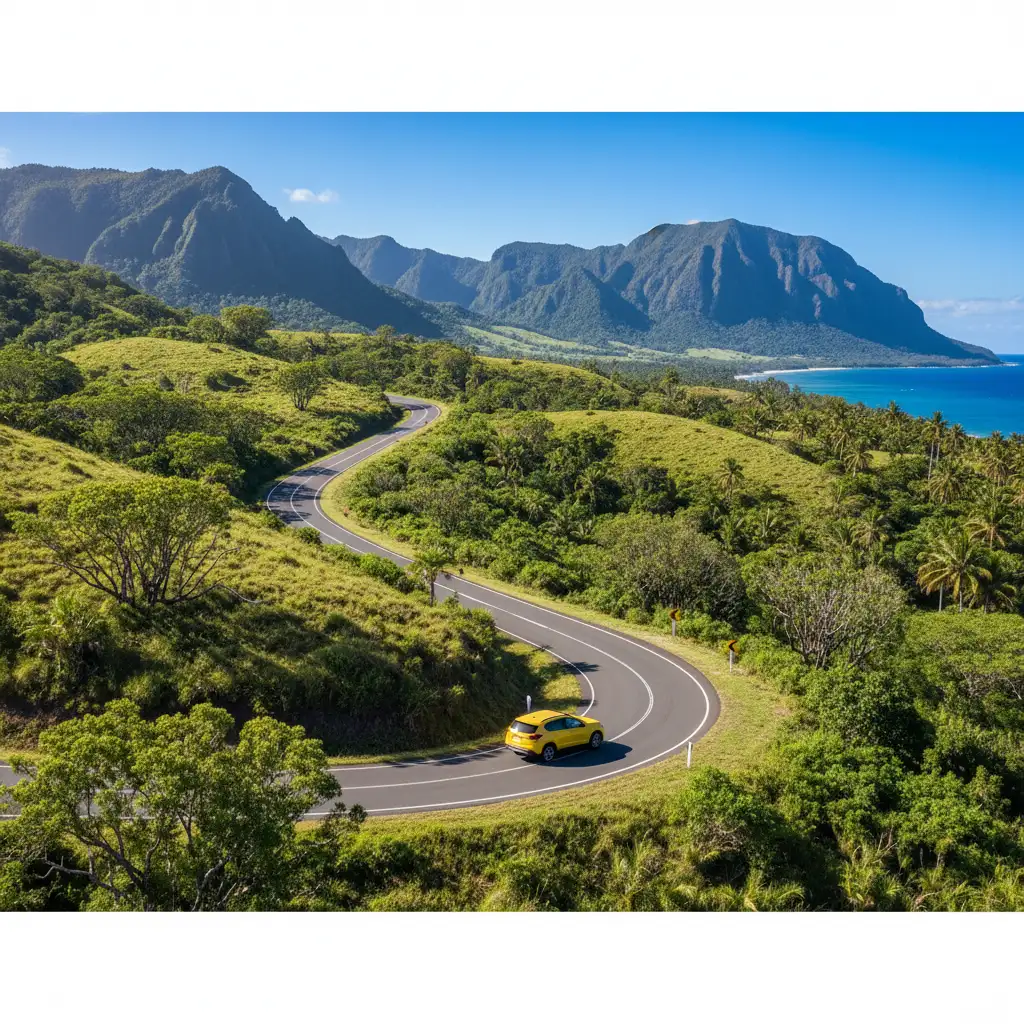
Bourail is approximately a 2 to 2.5-hour drive north of La Tontouta International Airport. Rental cars are essential. While shuttle buses exist, they do not offer the flexibility required for chasing tides and swells. Drive on the right side of the road—a change for Kiwis—and be aware that speed limits are strictly enforced.
Currency and Payments
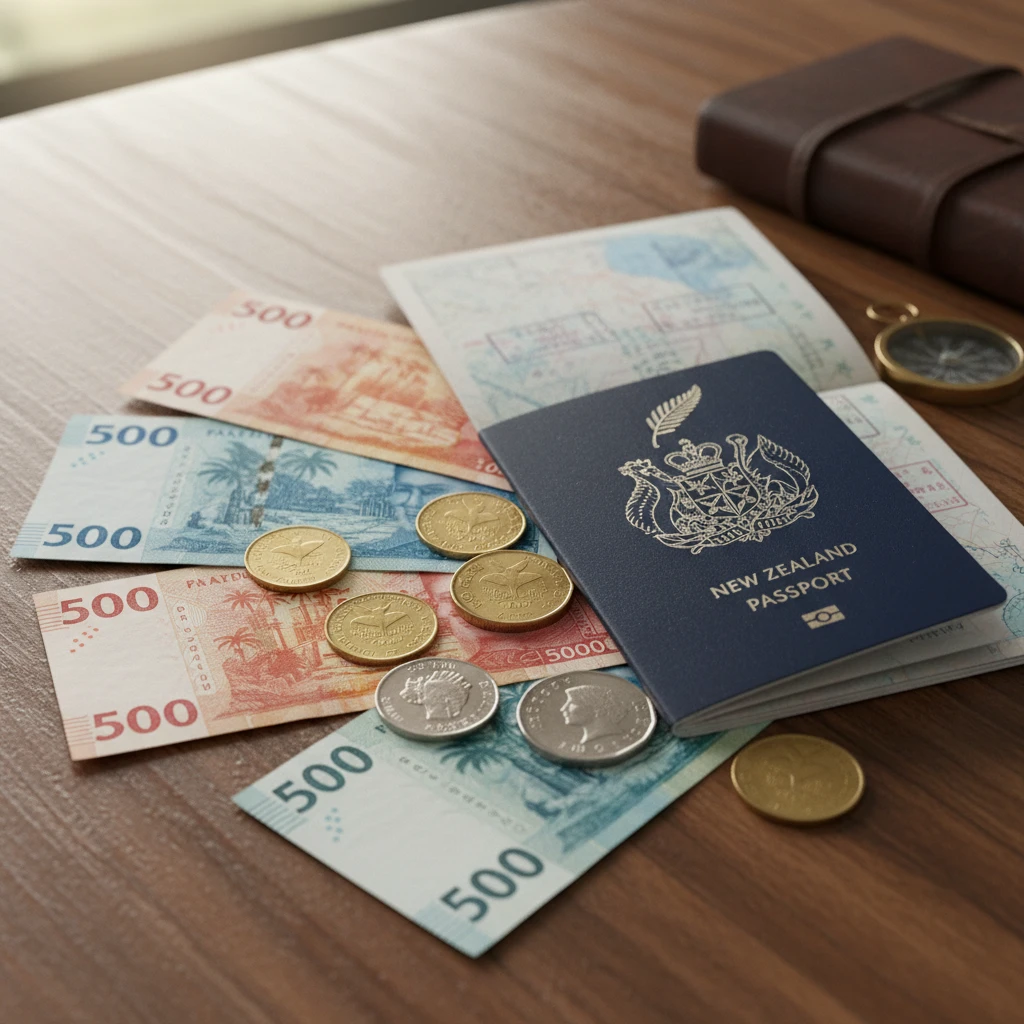
Ensure you have Pacific Francs (XPF) cash. While the Sheraton accepts credit cards, smaller boat operators often prefer or require cash. You can exchange NZD at the airport or withdraw from ATMs in Bourail town (about 15 minutes drive from Poe Beach).
By preparing ahead and understanding the boat-dependent nature of the breaks, you can score some of the best uncrowded waves of your life just a few hours from Auckland. Respect the locals, respect the reef, and enjoy the ride.
How much does a surf boat transfer cost in Bourail?
A surf boat transfer in Bourail typically costs between 3,000 and 5,000 XPF (approximately $45 – $75 NZD) per person. Prices may vary depending on the operator, the number of surfers in the group, and the duration of the session. Solo trips often incur a surcharge to cover fuel costs.
Is it safe to surf in Bourail for beginners?
Generally, no. The main surf spots in Bourail, such as the Pass, are reef breaks located offshore that are suitable for intermediate to advanced surfers. The waves are powerful, hollow, and break over sharp coral. Beginners are better suited to paddleboarding in the lagoon or seeking lessons in Noumea.
Do I need a wetsuit for surfing in New Caledonia?
It depends on the season. In the winter months (June to September), the water temperature drops, and a 1.5mm or 2mm wetsuit top or spring suit is highly recommended, especially for morning sessions. In the summer (December to March), boardshorts and a rash vest are sufficient.
Can I rent surfboards in Bourail?
Surfboard rental options are very limited in Bourail. While the Sheraton Deva or local recursive centers might have stand-up paddleboards or soft-tops, high-performance surfboards are rarely available for rent. It is strongly advised that you bring your own equipment, including spare fins and leashes.
What is the best wind direction for Bourail surf?
The best wind direction for the left-hand pass at Bourail is the Southeast Trade Wind. This direction provides cross-offshore to offshore conditions, grooming the wave face. A Northwest wind is onshore and will chop up the wave, making it difficult to surf.
Are there sharks at the Bourail reef?
Yes, as with any healthy tropical reef ecosystem, sharks are present in New Caledonia. However, attacks on surfers are statistically rare. Local guides and boat captains are experienced in monitoring conditions. It is advised to avoid surfing at dawn or dusk, or when the water is murky due to river runoff.