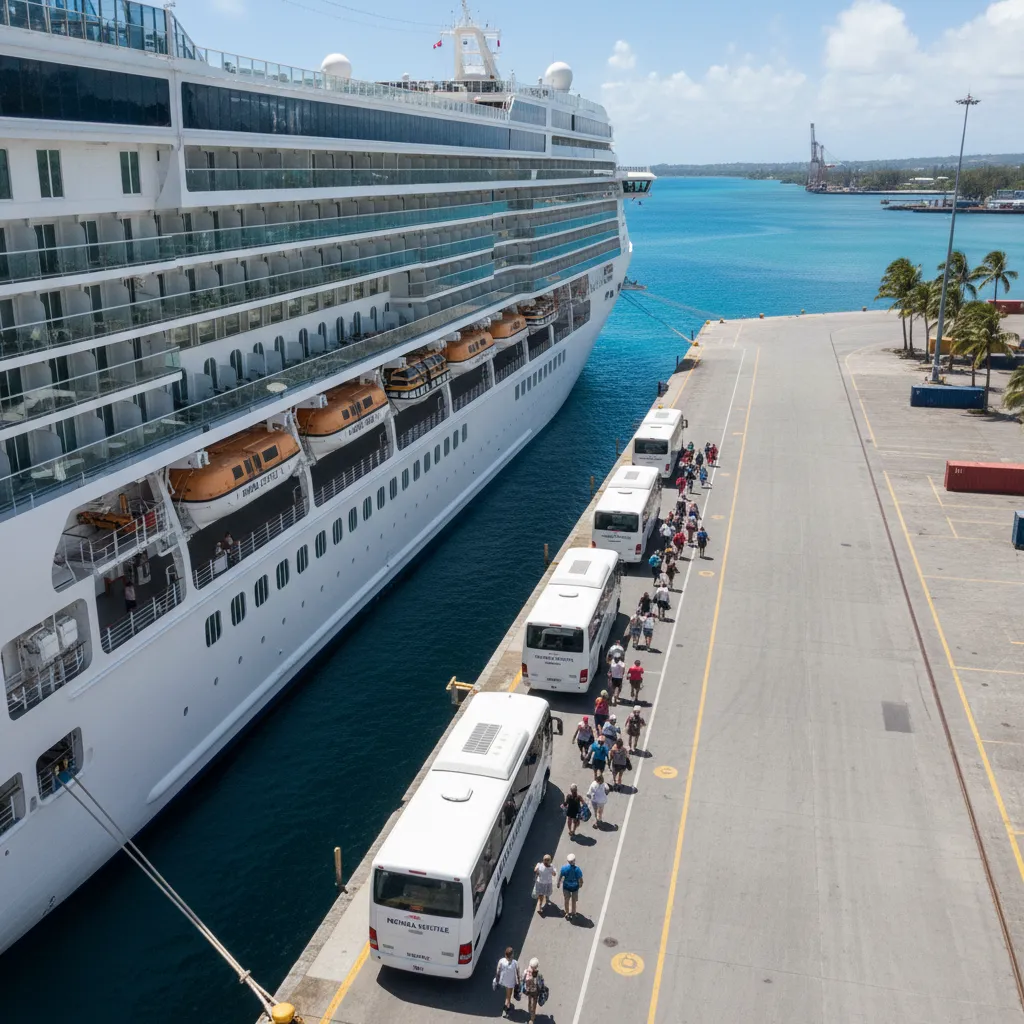
Blue River Park New Caledonia, known locally as Parc Provincial de la Rivière Bleue, is a sprawling 9,000-hectare conservation area located in Yaté. It is famous for its unique ‘Drowned Forest,’ ancient Kaori trees, and as a sanctuary for the flightless Cagou bird, offering visitors world-class hiking, kayaking, and mountain biking experiences.
How to Get to Blue River Park: Renting a Car vs. Guided Tour?
When planning your expedition from Nouméa to Blue River Park New Caledonia, the first logistical hurdle is determining how to navigate the 60-kilometer journey. For most travelers, especially those arriving from New Zealand or Australia, the choice boils down to the independence of a rental car versus the curated expertise of a guided tour. Each option offers a distinct experience of the ‘Grand Sud’ (Great South) landscape.
Renting a car is the preferred method for those who value autonomy. The drive from Nouméa is an attraction in itself, transitioning from the urban sprawl into a Martian-like landscape of iron-rich red soil and endemic scrubland known as ‘maquis minier.’ Having your own vehicle allows you to set your own pace, stop for photos at the Yaté Dam, and stay until the park gates close. Major agencies like Hertz, Europcar, and Point Rouge operate out of Nouméa and La Tontouta International Airport. While a standard 2WD vehicle is sufficient for the main roads leading to the park, a vehicle with higher clearance can provide more comfort on the gravel tracks inside the reserve. However, be mindful that the park operates a shuttle system (navette) past the Pont Pérignon, as private vehicles are restricted in certain sensitive zones to protect the environment.

Conversely, booking a guided tour is highly recommended for those who want to maximize their chances of wildlife sightings and learn about the complex ecology of the region. Local guides are experts at spotting the elusive Cagou and can provide historical context regarding the park’s transition from a logging and mining site to a protected reserve. Many tours include hotel pick-up, a traditional French-style picnic lunch, and pre-arranged kayak rentals, removing the stress of coordination. For visitors with limited time, a tour ensures you hit all the ‘must-see’ spots like the Grand Kaori and the Drowned Forest without getting lost on the park’s extensive trail network.
Where to See the Cagou Bird in the Wild?
The Cagou (Rhynochetos jubatus) is the undisputed star of Blue River Park New Caledonia. This ghost-grey, flightless bird is endemic to the archipelago and is the national emblem of the country. Once on the brink of extinction due to invasive predators like dogs and pigs, the Cagou has made a remarkable recovery within the confines of the park thanks to intensive conservation efforts and predator control programs.
To see a Cagou in the wild, timing and location are critical. The best place to spot them is in the vicinity of Pont Pérignon and along the ‘Sentier des Houp’ or the ‘Sentier des Kaoris.’ These birds are most active during the early morning hours, often seen foraging on the forest floor for snails, worms, and insects. They are surprisingly bold and may walk within a few meters of quiet observers. Their distinctive call—a loud, rhythmic bark that sounds remarkably like a dog—is often the first sign that one is nearby. It is essential to remain quiet and keep a respectful distance; while they are habituated to humans in certain areas, they are still wild animals sensitive to sudden movements.
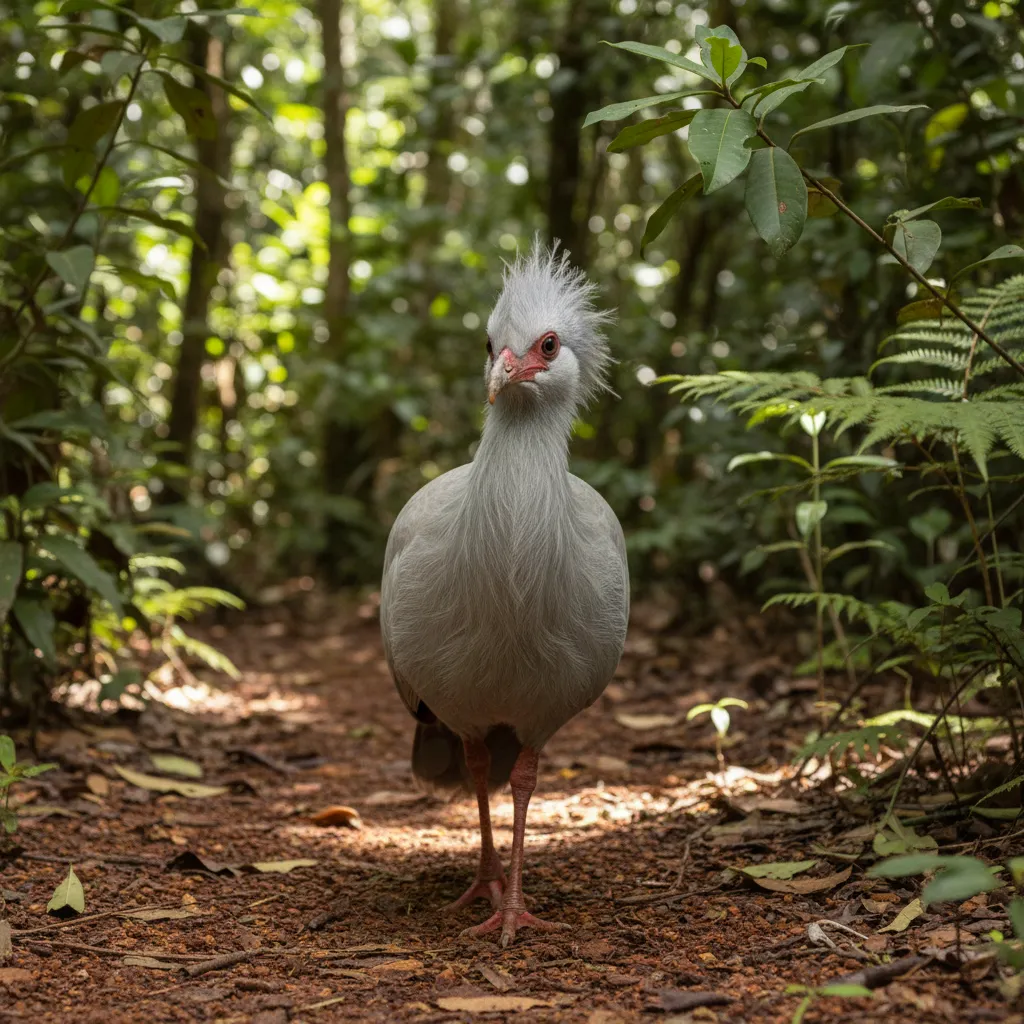
For birdwatchers, Blue River Park is a veritable Eden beyond the Cagou. The park is home to the New Caledonian Crow, famous for its tool-using abilities, as well as the Notou (the world’s largest arboreal pigeon), the New Caledonian Parakeet, and various honeyeaters. The high level of endemism makes every rustle in the canopy a potential sighting of a species found nowhere else on Earth. Bringing a pair of high-quality binoculars and a telephoto lens is highly recommended for any nature enthusiast.
Kayaking the Drowned Forest: A Surreal Experience
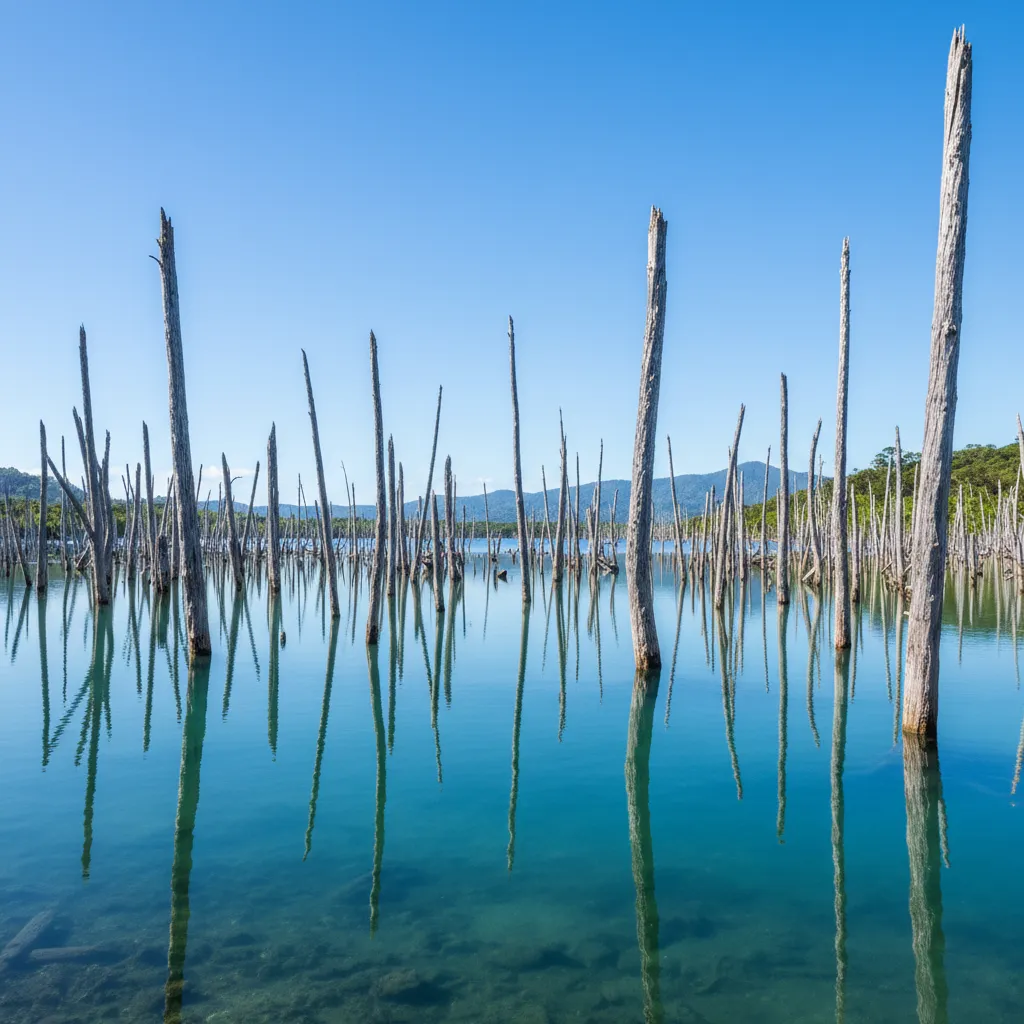
Perhaps the most iconic image of Blue River Park New Caledonia is the Forêt Noyée, or Drowned Forest. This hauntingly beautiful landscape was created in the late 1950s following the construction of the Yaté Dam, which flooded the valley and submerged a forest of Kaori trees. The skeletons of these ancient trees still stand tall above the water’s surface, their silvered trunks reflecting in the mirror-like turquoise water.
Kayaking is the only way to truly immerse yourself in this landscape. Rentals are available at the Pont Pérignon, where you can launch directly into the calm waters of the lake. Paddling through the Drowned Forest is a meditative experience; the sound of the paddle dipping into the water and the distant calls of birds are often the only noises you will hear. The white trunks of the dead trees create a natural labyrinth that is both eerie and majestic. On a clear day, the contrast between the white wood, the deep blue water, and the surrounding red hills is a photographer’s dream.
For those seeking a unique experience, full-moon kayak tours are occasionally organized, offering a completely different perspective of the forest under the silvery glow of the moon. Regardless of when you go, ensure you wear plenty of sunscreen and a hat, as the reflection off the water can be intense. The kayaking routes are generally easy and suitable for beginners, making it an ideal family activity. Most visitors spend between one to two hours on the water before heading back to the mainland to explore the hiking trails.
The Best Picnic Spots and Hiking Trails
With over 150 kilometers of trails, Blue River Park New Caledonia is a hiker’s paradise. The trails range from short, accessible boardwalks to grueling multi-day treks like the GR1 (Grande Randonnée), which traverses the southern province. For a day trip, focusing on the ‘Parc Amont’ (Upper Park) provides the best balance of scenery and accessibility.
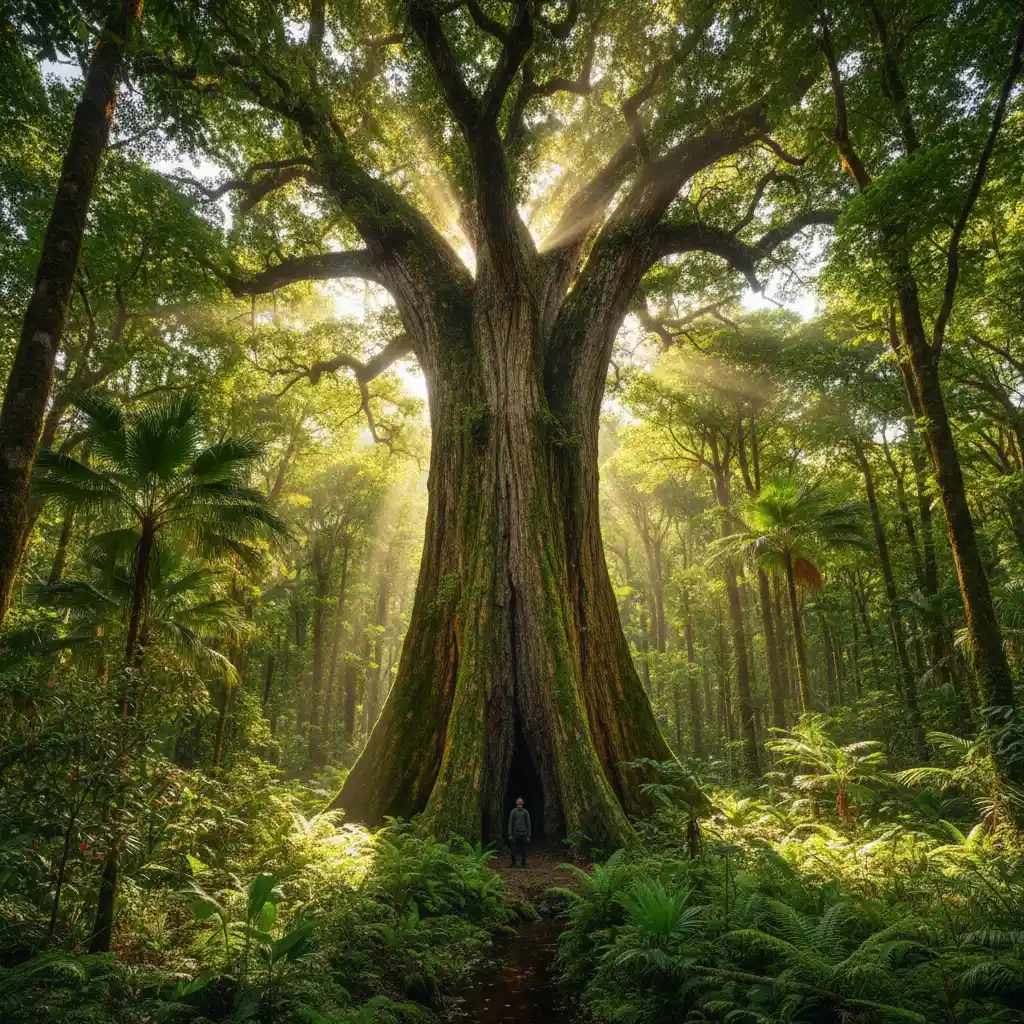
One of the non-negotiable stops is the Grand Kaori. This massive tree (Agathis lanceolata) is estimated to be over 1,000 years old, with a girth that requires several people to encircle. The short, well-maintained path leading to it is accessible for all fitness levels and provides a humbling sense of the scale of New Caledonia’s ancient flora. Another popular route is the ‘Sentier de la Cascade,’ which leads to a series of small waterfalls and swimming holes—perfect for cooling off after a morning of walking. The ‘Sentier des Houp’ offers a more forested experience, taking you through dense groves of endemic Houp trees and providing excellent opportunities for birdwatching.
Picnicking is an integral part of the New Caledonian outdoor culture. The park is exceptionally well-equipped with designated picnic areas, many of which feature thatched ‘farés’ (traditional shelters), wooden tables, and barbecue pits. One of the most scenic spots is located near the Pont Pérignon, overlooking the river. Visitors are encouraged to bring their own supplies from Nouméa—think fresh baguettes, local cheeses, and tropical fruits from the Port Moselle Market. Remember that the park follows a strict ‘leave no trace’ policy; all rubbish must be packed out to maintain the pristine condition of the reserve. There are no shops or restaurants within the park, so coming prepared with ample water and food is essential for a successful day trip.
Essential Planning for Your Blue River Park Trip
To ensure a seamless visit to Blue River Park New Caledonia, a few practical considerations are necessary. The park is generally open from Tuesday to Sunday, closing on Mondays for maintenance. Entry fees are modest (typically around 600 XPF per adult), but it is advisable to check the official South Province website for the most current pricing and opening hours, as these can change seasonally or due to weather conditions.
The climate in the South Province can be unpredictable. While the ‘cool season’ (May to October) offers the most comfortable hiking temperatures, it can also bring rain that turns the red soil into a sticky clay. The ‘warm season’ (November to April) is excellent for swimming but can be very hot and humid, requiring extra hydration. Regardless of the season, sturdy walking shoes are a must—don’t wear your best white sneakers, as the red dust of the South is notorious for permanently staining fabric. For New Zealanders and Australians, the sun in New Caledonia is exceptionally strong, so high-SPF sunscreen and protective clothing are non-negotiable.
Finally, communication and safety: while the main areas of the park are well-signposted, cell service can be spotty once you venture deep into the valleys. It is wise to download offline maps or pick up a physical map at the visitor center near the entrance. If you are driving yourself, ensure you have a full tank of fuel before leaving Nouméa, as gas stations are sparse once you head toward Yaté. By following these tips, your day trip to Blue River Park will be a highlight of your New Caledonian adventure, offering a profound connection to one of the most unique ecosystems in the South Pacific.
People Also Ask
How far is Blue River Park from Noumea?
Blue River Park is approximately 60 kilometers (about a 1-hour to 1-hour 15-minute drive) from Nouméa. The route involves driving through the scenic mountains of the South Province toward Yaté.
Do I need a 4WD for Blue River Park?
A 4WD is not strictly necessary to reach the park or drive to the main visitor areas. However, a vehicle with higher ground clearance is recommended for comfort on the internal gravel roads. A shuttle service is available within the park for those in small cars.
What is the best time to visit Blue River Park?
The best time to visit is during the cool, dry season from May to October. Temperatures are milder for hiking, and there is less chance of heavy rain affecting the trails and road conditions.
Can you swim in the Blue River?
Yes, there are several designated swimming holes within the park, such as those near the ‘Sentier de la Cascade.’ The water is refreshing and clear, though it can be quite cool depending on the time of year.
Are there entry fees for Parc de la Rivière Bleue?
Yes, there is a small entry fee of approximately 600 XPF (roughly $8 NZD/AUD) per adult. Children and seniors may receive a discount. It is best to carry cash in the local currency (XPF).
Is Blue River Park suitable for children?
Absolutely. The park offers many easy, flat walking paths, accessible picnic areas, and the exciting opportunity to see unique wildlife and go kayaking, making it a great destination for families.