
The best time to visit New Caledonia from New Zealand is during the shoulder season months of September to November. During this period, travelers experience optimal weather with daily averages around 24°C to 26°C, low humidity, and minimal rainfall. This window perfectly bridges the gap between the cooler dry season and the hot, humid cyclone season, making it ideal for swimming and hiking.
For New Zealanders looking to swap the grey drizzle of an Auckland winter or the chill of a South Island frost for turquoise lagoons, New Caledonia offers a tantalizingly close tropical escape. Just a three-hour flight from Auckland, this French Pacific territory presents a complex climate profile that varies significantly throughout the year. Choosing the right month can mean the difference between a sun-soaked holiday on the Isle of Pines and a week confined indoors during a tropical depression.
This comprehensive guide breaks down the seasonal nuances for 2025 travel, helping you align your itinerary with the specific weather patterns, local events, and budget considerations relevant to Kiwi travelers.
Climate Overview: What Kiwis Can Expect
New Caledonia sits in the intertropical zone, but its climate is often described as “tropical ocean,” meaning the trade winds (les alizés) temper the heat, creating a climate that is often more comfortable than other Pacific neighbors like Fiji or Samoa. For New Zealanders used to “four seasons in one day,” the weather patterns here are relatively predictable, divided broadly into two main seasons and two inter-seasons.
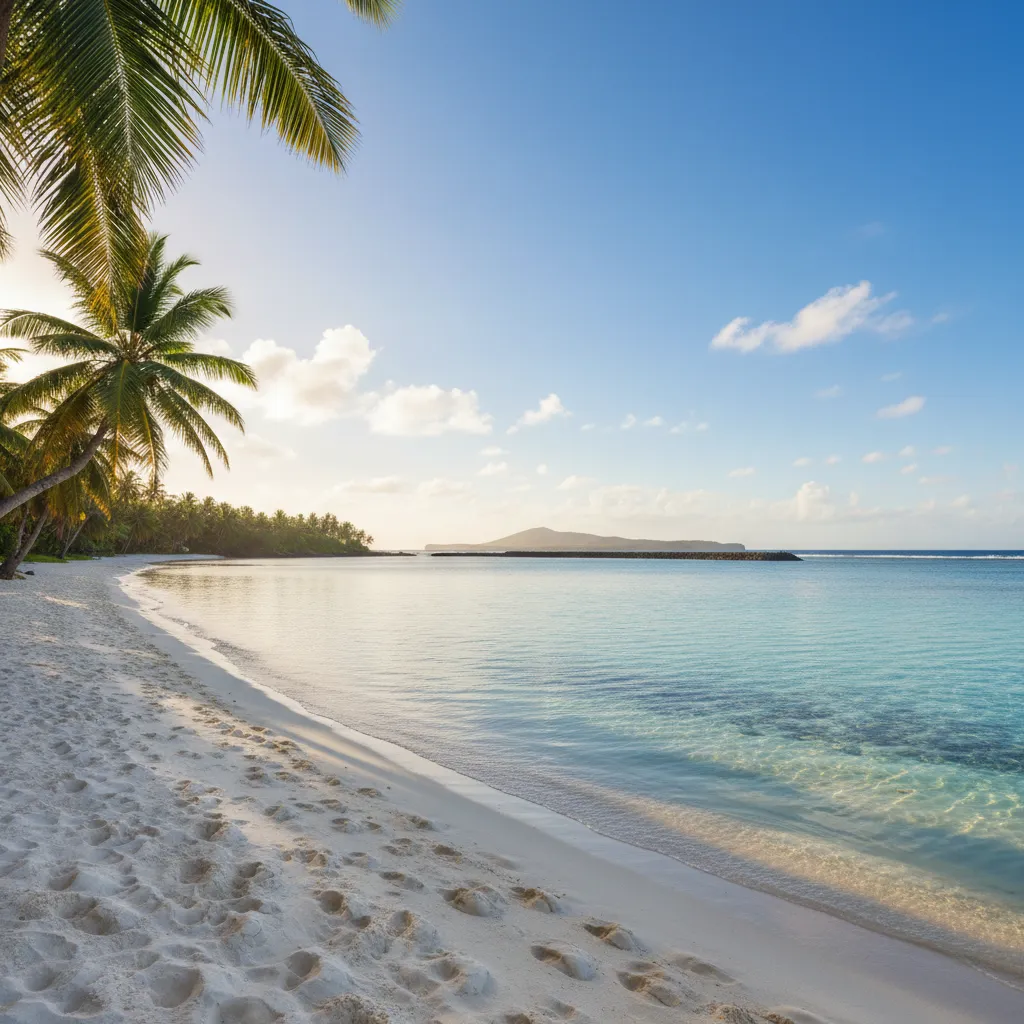
Unlike New Zealand, where temperature fluctuations can be drastic, New Caledonia maintains a fairly consistent temperature range. However, humidity and wind serve as the primary variables. The average annual temperature hovers around 23°C to 24°C, but this average hides the spikes of the hot season and the cool evenings of the dry season.
The Trade Winds Factor
The southeast trade winds are a constant companion in New Caledonia. For kite surfers and sailors, this makes the destination world-class. For sunbathers, these winds provide a refreshing cooling effect, preventing the heat from becoming oppressive. However, during the NZ winter months (June-August), these winds can make the air feel significantly cooler, requiring a light jumper in the evenings—something Kiwi travelers should pack alongside their swimwear.
The Golden Window: September to November
If you are seeking the absolute best time to visit New Caledonia from NZ, look no further than the spring months of September, October, and November. This period is locally referred to as the dry season’s peak before the summer rains begin.
Why This is the Sweet Spot
- Weather Stability: Rainfall is at its annual low. You are statistically least likely to encounter days of wash-out rain during these months.
- Temperature: Expect daytime highs of 25°C–27°C. It is warm enough for all aquatic activities but cool enough to hike the Great South (Grand Sud) without risking heatstroke.
- Whale Watching: This season overlaps with the end of the humpback whale migration. From July to September, the southern lagoon becomes a playground for these giants, making early spring a prime time for wildlife enthusiasts.
For Kiwis, this timing is convenient as it allows for a pre-summer tan before the New Zealand beach season officially kicks off in December. Flights from Auckland are generally reliable, and while accommodation prices rise as the local holidays approach in December, September and October offer a nice balance of availability and value.
Escaping the NZ Winter: June to August
Many New Zealanders instinctively look to the islands when the temperature drops at home. Visiting New Caledonia during the heart of winter (June, July, August) is a popular choice, but it comes with caveats regarding what you define as “tropical.”
The “Cool” Season Reality
While certainly warmer than Wellington or Christchurch in July, New Caledonia in winter is not sweltering. Daytime temperatures average around 20°C to 23°C. The water temperature can drop to around 21°C or 22°C. For many Kiwis, this is perfectly acceptable swimming weather (comparable to a good day in the Bay of Islands), but for those expecting bath-warm water, a wetsuit or rash top is recommended for snorkeling.
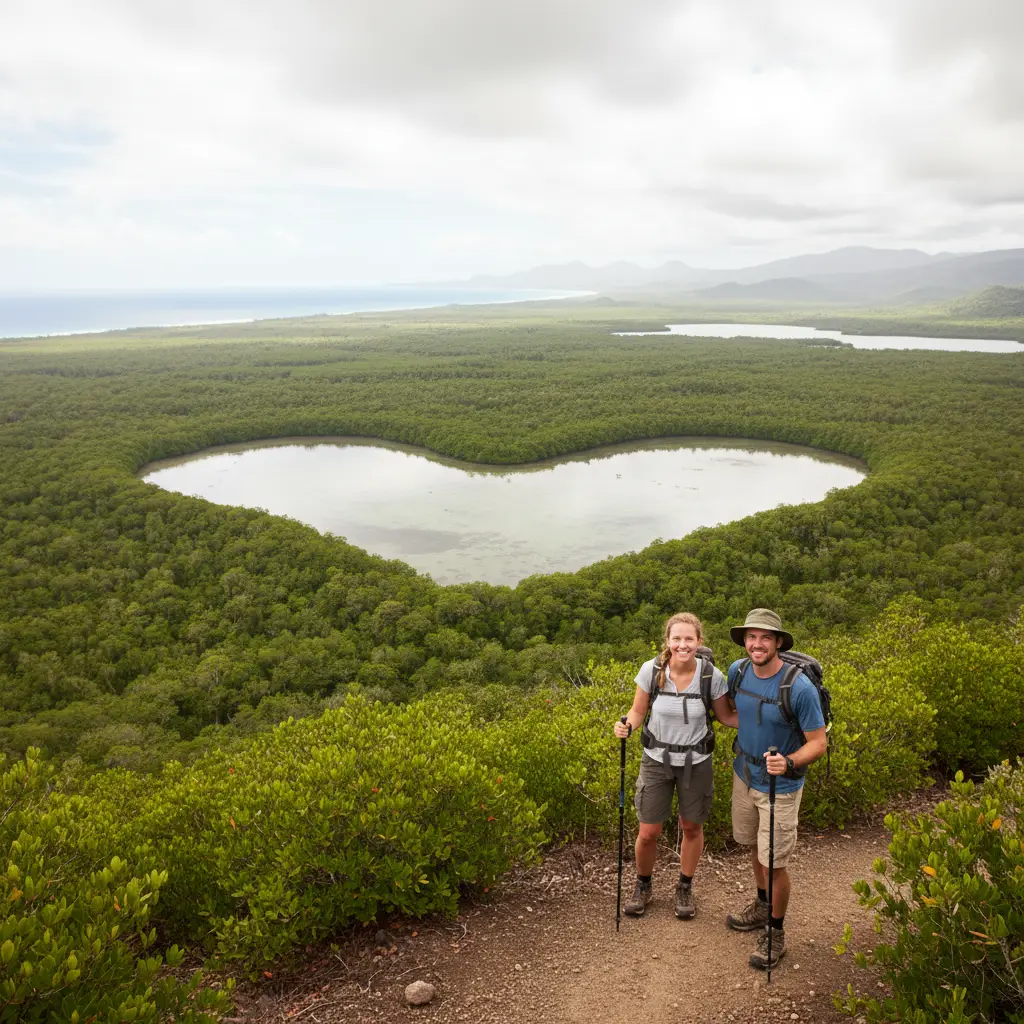
Ideal for Active Travelers
This is the premier season for land-based adventures. If your itinerary involves hiking the GR1 trail, exploring the red earth of the South, or cycling around Isle of Pines, the cooler air is a blessing. Humidity is at its lowest, and mosquitoes are less prevalent than in the summer months.
Summer & Cyclone Season: December to March
The hot season brings the heat, the humidity, and the risk of tropical cyclones. Temperatures regularly climb above 30°C, and the water is gloriously warm, often reaching 28°C. However, this is the riskiest time to travel.
Understanding the Cyclone Risk
New Caledonia lies in the cyclone belt. The official cyclone season runs from mid-November to mid-April, with the highest activity usually between February and March. While a direct hit is not an annual occurrence, tropical depressions can bring days of heavy rain and high winds, grounding flights and ferry services to the Loyalty Islands.
Travel Insurance Tip: If you book travel during this period, ensure your travel insurance policy (purchased in NZ) covers cancellations due to natural disasters. Read the fine print regarding “named storms”—once a cyclone is named, you can no longer buy insurance to cover it.

Month-by-Month Travel Guide
To help you plan your 2025 trip, here is a detailed breakdown of what to expect throughout the year.
January – February
Status: Hot and Humid.
Pros: Warmest water temperatures; lush, green landscapes; local tropical fruits (mangos, lychees) are in season.
Cons: Peak cyclone risk; high humidity can be draining; mosquitoes are active.
March – April
Status: Transition Period.
Pros: The risk of cyclones begins to decrease by late April. The intense heat starts to subside, making way for pleasant evenings. Easter is a major holiday here.
Cons: Still a chance of late-season storms; rain showers can be frequent.
May – June
Status: Cooling Down.
Pros: The “cool” season begins. Great for hiking and outdoor sports. The Giant Omelette Festival usually takes place in Dumbéa.
Cons: Water starts to cool down; days get shorter.
July – August
Status: Peak “Winter”.
Pros: Driest months. Best for whale watching (mid-July onwards). Bastille Day celebrations. Very low humidity.
Cons: Nights can be crisp (15°C-17°C); trade winds can be strong.
September – October
Status: The Sweet Spot.
Pros: Rising temperatures, low rainfall, maximum sunshine hours. Perfect for beach days and lagoon exploration.
Cons: Accommodation can book out early as this is a known prime time.
November – December
Status: Heating Up.
Pros: The festive season brings a vibrant atmosphere to Nouméa. Christmas lights and markets. Lychee season begins.
Cons: Humidity starts to climb; early cyclone warnings are possible in late December.
Key Events: Bastille Day and Local Festivals
Timing your trip around local culture can transform a beach holiday into a rich cultural experience. New Caledonia blends Melanesian Kanak culture with French sophistication, resulting in unique festivities.

Bastille Day (July 14)
As a French territory, New Caledonia celebrates the French National Day with fervor. In Nouméa, expect a military parade, a lantern parade (Retraite aux Flambeaux), and spectacular fireworks over the lagoon. It is a fantastic time for Kiwi families to visit, as the atmosphere is festive and safe. Note that July 14 is a public holiday, so shops will be closed.
Foire de Bourail (August)
Usually held in mid-August, this is an agricultural fair that feels surprisingly like a rural NZ A&P show, but with a Caldoche (local settler) twist. Expect rodeos, livestock judging, and plenty of local food. It offers a glimpse into the “Broussard” (bush) lifestyle of the West Coast.
Festival of the Yam (February – April)
The Yam Festival marks the beginning of the yam harvest and is the most significant event in the Kanak calendar. It symbolizes the connection to the earth and ancestors. While dates vary by tribe and region, visitors are often welcomed to observe these sacred ceremonies if they approach with respect and local guidance.
Practical Tips for NZ Travelers
Before you book your Air New Zealand or Aircalin flight, consider these logistical factors updated for late 2024 and 2025 travel.
Flight Connections
Auckland (AKL) is the primary gateway, with direct flights to Nouméa-La Tontouta International Airport (NOU) taking just under 3 hours. Flight frequencies have stabilized post-pandemic, but it is advisable to book at least 3 months in advance for travel during NZ school holidays (April, July, September/October) to secure the best fares.
Currency and Cost
New Caledonia uses the Pacific Franc (XPF), which is pegged to the Euro. For Kiwis, New Caledonia is not a budget destination. Prices for food and accommodation are comparable to, or slightly higher than, popular NZ tourist spots like Queenstown. Budget accordingly, especially if visiting during the peak dry season.
Safety and Stability
Following the civil unrest in mid-2024, travelers should stay informed via SafeTravel.govt.nz. While tourism infrastructure in the main hubs of Nouméa, Isle of Pines, and the Loyalty Islands is resilient, it is crucial to check the current status of curfew hours or travel restrictions in specific areas before departure. The “best time” to visit is also a time of political stability, so keep an eye on local news closer to your travel date.
Ultimately, the best time to visit New Caledonia from NZ depends on your priorities. For the perfect tan and calm seas, aim for October. For whales and cooler hiking weather, choose August. Regardless of when you go, the blend of French cuisine and Pacific hospitality awaits just across the Tasman.
What is the rainy season in New Caledonia?
The rainy season, which coincides with the warm season, typically runs from late December to late March. During this time, humidity is high, and there is a risk of tropical cyclones and heavy downpours, although rain often comes in short, intense bursts rather than continuous drizzle.
Is New Caledonia warm in July?
July is the coolest month in New Caledonia, with average daytime highs around 22°C (72°F) and lows around 17°C (63°F). While it is generally warmer than a New Zealand winter, it is not hot. The water can feel brisk, so a wetsuit is recommended for snorkeling.
When can you see whales in New Caledonia?
The humpback whale watching season in New Caledonia runs from mid-July to mid-September. The southern lagoon, particularly around Prony Bay and the Isle of Pines, is a prime location to spot these migrating giants.
Do I need a visa for New Caledonia from NZ?
New Zealand passport holders do not need a visa for short tourist stays of up to three months (90 days) in New Caledonia. You must have a passport valid for at least three months beyond your intended departure date.
Is it expensive to visit New Caledonia from New Zealand?
Yes, compared to Southeast Asia, New Caledonia is a relatively expensive destination. Costs for dining, groceries, and activities are similar to or slightly higher than in New Zealand. Budgeting for around $150-$250 NZD per day per person (excluding accommodation) is a safe estimate for a comfortable trip.
What is the best month for swimming in New Caledonia?
February is statistically the best month for swimming in terms of water temperature, which peaks around 28°C. However, for a balance of warm water and lower rainfall risk, November and December are excellent choices, offering water temperatures around 25°C-26°C.