
Essential french phrases for noumea travel include greetings like “Bonjour” and “Merci,” and food requests like “L’addition, s’il vous plaît.” While major resorts speak English, local markets and shops require basic French to navigate effectively and show respect for the local Kanak and French cultures in New Caledonia.
Overcoming the Language Barrier in New Caledonia
For many New Zealanders, New Caledonia represents the closest taste of Europe to our shores. Located just under three hours from Auckland, Noumea offers a unique blend of Pacific island relaxation and sophisticated French culture. However, the most significant hurdle for many Kiwi travellers is the language. While we are used to the English-friendly environments of Fiji or Rarotonga, New Caledonia remains firmly Francophone. Overcoming this barrier is not just about communication; it is about showing respect for the local culture. When you attempt to speak French, even poorly, you immediately signal to the locals that you are a guest who values their heritage.
The key to overcoming the barrier is confidence and a handful of high-frequency phrases. You do not need to be fluent to have a successful holiday. Instead, focus on the “survival French” that covers 80% of your interactions. Most locals in Noumea are incredibly patient, especially if they see you are trying. Interestingly, the linguistic landscape is a mix of standard French and local Kanak influences, but for the traveller, standard French is the gold standard. By mastering a few key sounds—such as the soft ‘r’ and the nasal vowels—you will find that your requests are understood much more easily.
Greetings and Politeness Etiquette
In New Zealand, we are quite casual with our greetings. A simple “hey” or a nod often suffices. In Noumea, and French culture more broadly, politeness is structured and mandatory. The most important word in your vocabulary is “Bonjour.” It is more than a greeting; it is a social lubricant that must precede every single interaction. Whether you are entering a shop, boarding a bus, or approaching a hotel concierge, you must say “Bonjour” before asking a question or making a request.
The Golden Rule of “Bonjour”
Failing to say “Bonjour” can often be perceived as extreme rudeness, which may result in shorter or less helpful service. Along with “Bonjour” for the daytime, remember “Bonsoir” for the evening. When leaving a shop or ending a conversation, “Merci, au revoir” (Thank you, goodbye) is the standard polite exit. For Kiwis, this might feel a bit formal at first, but you will soon notice that the atmosphere becomes much more welcoming when you adhere to these social norms. If you really want to impress, use “Monsieur” or “Madame” after your greeting (e.g., “Bonjour, Madame”).
Ordering Food and Asking for the Bill
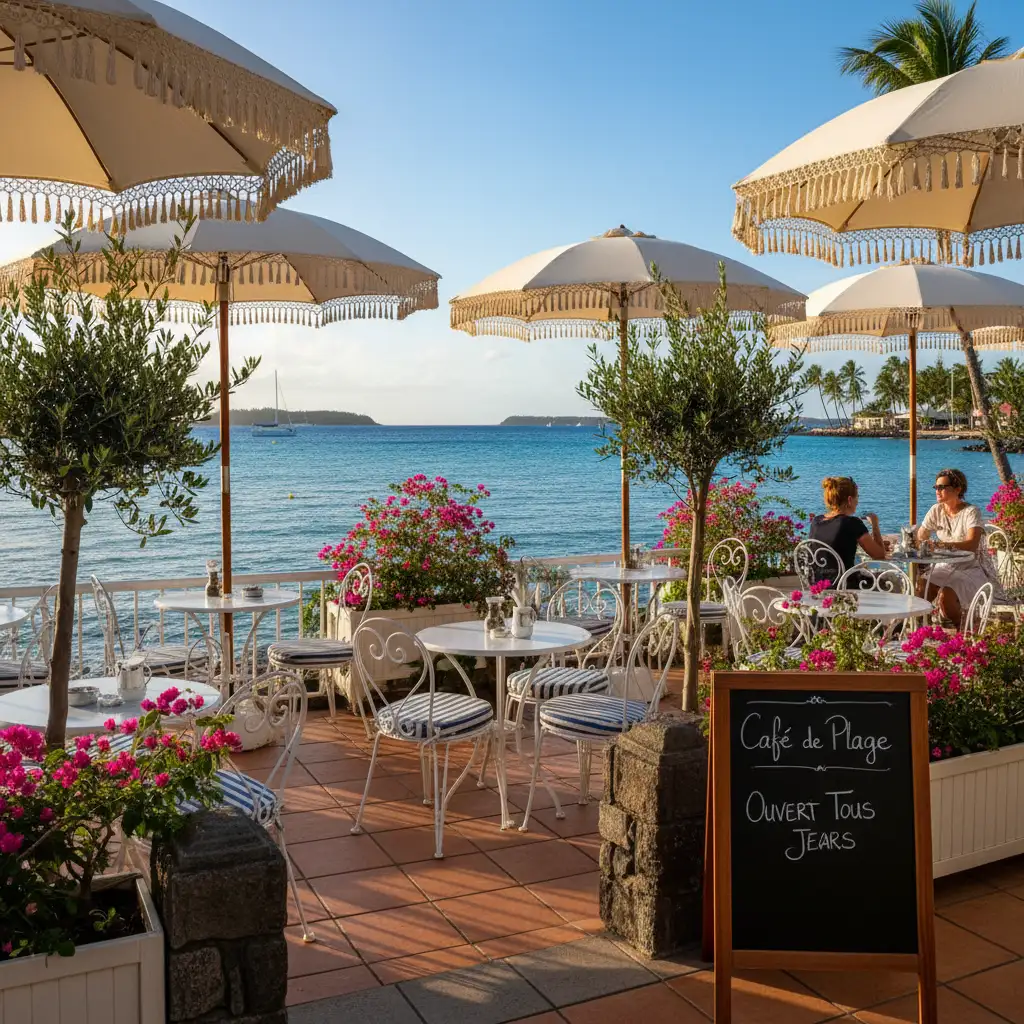
Dining is the highlight of any trip to Noumea. From the high-end bistros of Anse Vata to the casual ‘roulottes’ (food trucks), knowing how to order is essential. When you arrive at a restaurant, wait to be seated. You can ask, “Une table pour deux, s’il vous plaît” (A table for two, please). Once seated, the menu is “la carte.” When you are ready to order, you can simply point and say, “Je voudrais ceci” (I would like this), or use the specific name of the dish.
Essential Restaurant Vocabulary
Water is a common point of confusion. If you want free tap water, ask for “une carafe d’eau.” If you ask for “de l’eau,” they will likely bring you expensive bottled water like Evian or Badoit. For coffee lovers, a “café” is a small espresso. If you want something closer to a New Zealand flat white, ask for a “café au lait” or a “grand café.” When it comes to the end of the meal, remember that French servers will rarely bring the bill without being asked; they consider it rude to rush you. To get the bill, catch their eye and say, “L’addition, s’il vous plaît.”
English Proficiency: Hotels vs Local Shops
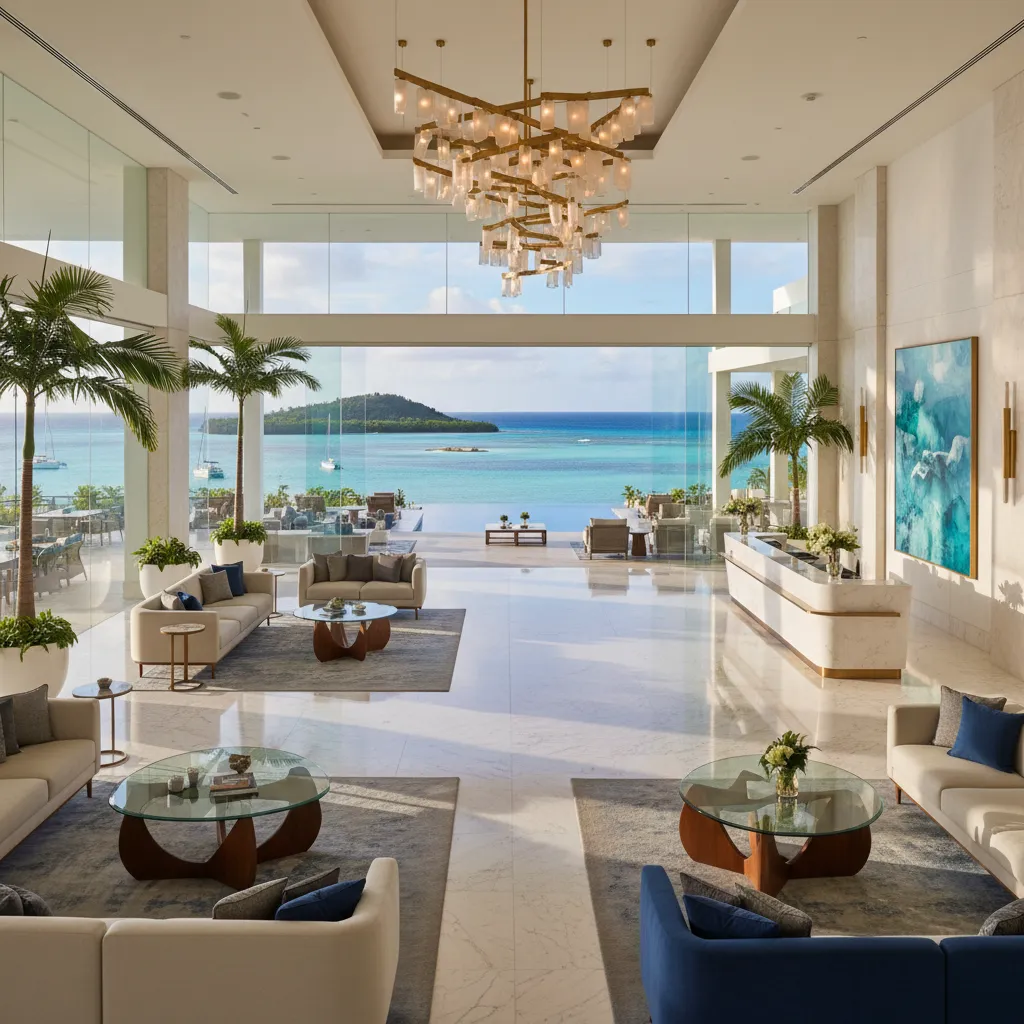
A common question for Kiwi travellers is: “How much English is actually spoken?” The answer depends entirely on where you are. In the main tourist hubs like Anse Vata and Baie des Citrons, the staff in major hotels (like the Chateau Royal or the Hilton) speak excellent English. You will have no trouble checking in, booking tours, or asking for directions in these environments. The menus in these areas are also frequently bilingual.
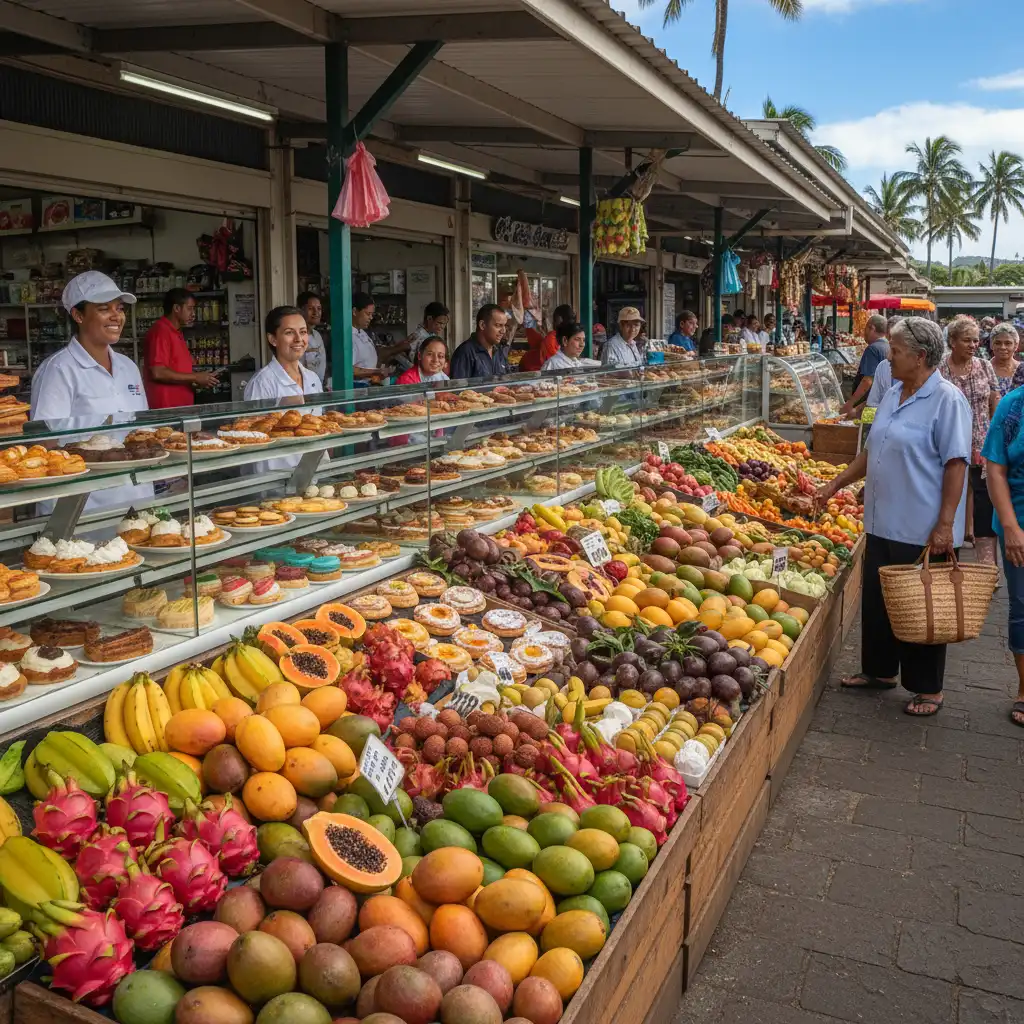
However, once you step outside the resort bubble, English proficiency drops significantly. In local supermarkets like Casino or Carrefour, and especially in the smaller “magasins” in the suburbs or at the Marché de Moselle, you should expect to use French. Shopkeepers may know a few basic English words, but they will be much more comfortable if you can handle the transaction in French. Phrases like “C’est combien?” (How much is it?) and “Où est le pain?” (Where is the bread?) are invaluable here. This is where your preparation pays off, allowing you to shop like a local and find the best baguettes and cheeses without the tourist markup.
Navigating Transportation
Getting around Noumea involves buses, taxis, or the popular “Petit Train.” The local bus system, Tanéo, is efficient but can be daunting if you don’t speak the language. When boarding, greet the driver with “Bonjour” and state your destination or ask for a ticket: “Un billet, s’il vous plaît.” If you are taking a taxi, it is helpful to have your destination address written down on your phone or a piece of paper. You can say, “Je voudrais aller à cette adresse” (I would like to go to this address). While some taxi drivers speak English, many do not, so having the French phrase ready or a map open is a great backup.
Emergency Phrases and Safety
While Noumea is generally very safe for New Zealanders, it is always wise to know a few emergency phrases. Hopefully, you won’t need them, but knowing how to ask for help provides peace of mind. “Aidez-moi” (Help me) is the universal cry for assistance. If you need a doctor, say “J’ai besoin d’un médecin.” For the pharmacy, which is often your first stop for minor ailments, you can say “Où est la pharmacie la plus proche?” (Where is the nearest pharmacy?). Pharmacies in Noumea are excellent and the staff are highly trained, often providing better initial advice than a GP for common travel issues like coral cuts or sunstroke.
Summary of Essential French Phrases for Noumea Travel
To wrap up, here is a quick reference list for your flight over: 1. Bonjour (Hello/Good morning), 2. S’il vous plaît (Please), 3. Merci (Thank you), 4. Pardon (Excuse me/Sorry), 5. L’addition (The bill), 6. Où sont les toilettes? (Where are the toilets?), 7. Parlez-vous anglais? (Do you speak English?). Carrying a small pocket guide or having a translation app downloaded for offline use is highly recommended, as mobile data can be expensive for Kiwis roaming in New Caledonia. By embracing the language, you unlock a much deeper and more rewarding travel experience in this beautiful Pacific territory.
Do I need to speak French in Noumea?
While not strictly necessary in major hotels, knowing basic French is highly recommended for dining, shopping, and navigating the city. It also shows respect for the local culture.
Is Noumea expensive for New Zealanders?
Noumea is generally more expensive than New Zealand, particularly for dining out and alcohol. However, shopping at local supermarkets and markets can help manage costs.
Can I use New Zealand Dollars in Noumea?
No, New Caledonia uses the CFP Franc (XPF). You should exchange money or use an ATM upon arrival. Credit cards are widely accepted in most shops and restaurants.
How do you say ‘please’ and ‘thank you’ in French?
‘Please’ is ‘S’il vous plaît’ and ‘Thank you’ is ‘Merci’. These are essential for every interaction in Noumea.
Is English widely spoken in New Caledonia?
What is the best way to get around Noumea?
The Tanéo bus system is the most cost-effective way to get around. Taxis and water taxis are also available for reaching nearby islands like Îlot Maître.
What is the best way to get around Noumea?
The Tanéo bus system is the most cost-effective way to get around. Taxis and water taxis are also available for reaching nearby islands like Îlot Maître.