
The best things to do in Noumea include snorkeling at the historic Amedee Lighthouse, exploring indigenous Kanak art at the Tjibaou Cultural Centre, and relaxing on the white sands of Lemon Bay. Visitors can also shop for local produce at the Port Moselle Market, marvel at the Aquarium des Lagons, or take a quick water taxi to Duck Island for a perfect day trip in this French Pacific capital.
Noumea, often referred to as the “Paris of the Pacific,” offers a unique blend of French sophistication and Melanesian warmth, located just a short flight from New Zealand. Whether you are arriving by cruise ship for a day or planning an extended holiday, the capital of New Caledonia provides an array of activities ranging from world-class lagoon exploration to deep cultural immersion.
What are the top attractions in Noumea?
Noumea is a diverse city where urban life meets the world’s largest enclosed lagoon. To truly experience the destination, travelers should prioritize a mix of island excursions, historical sites, and culinary experiences. Below is a detailed overview of the top 10 attractions that define the Noumea experience.
1. Snorkel at Amedee Island & Lighthouse
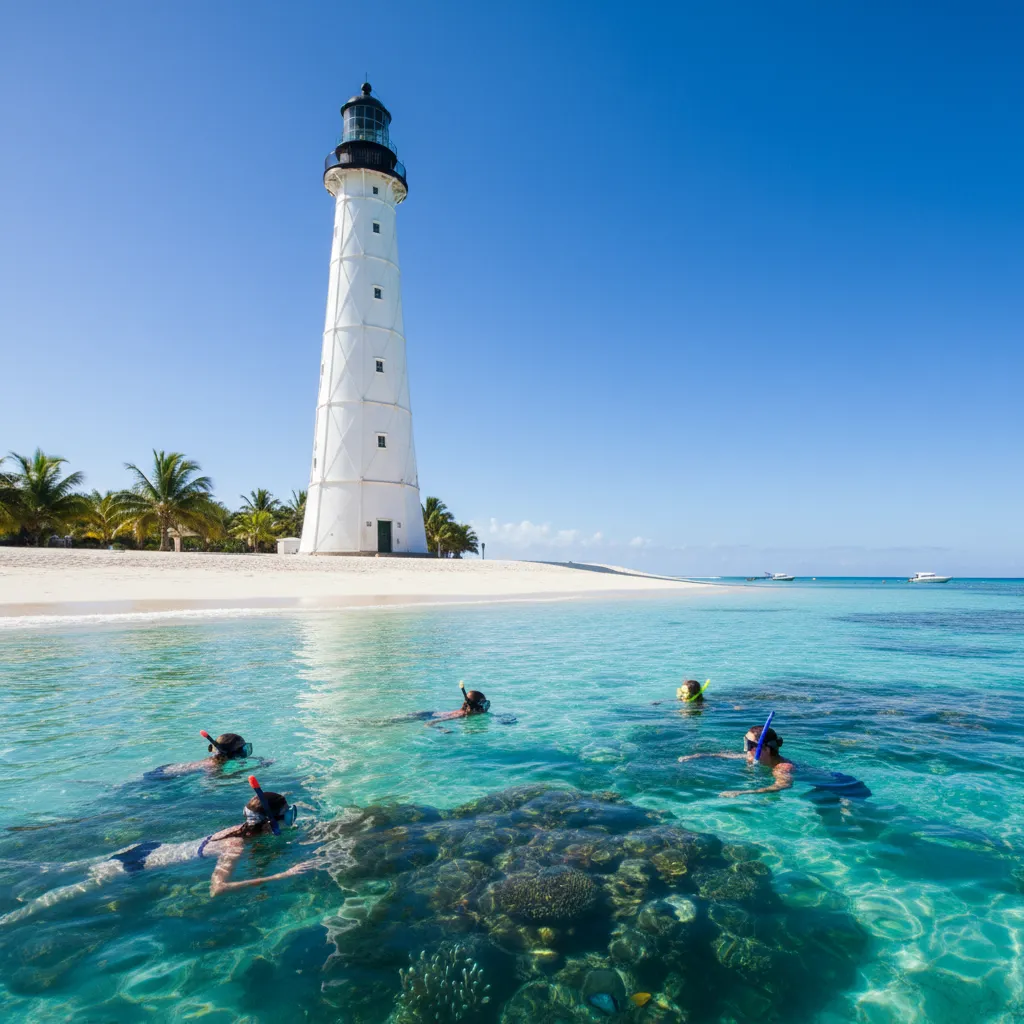
Undoubtedly the crown jewel of Noumea’s day trips, Amedee Island is a marine reserve located about 24 kilometers from the mainland. The centerpiece is the gleaming white iron lighthouse, built in France in 1862 and transported to New Caledonia. Climbing the 247 steps offers a panoramic view of the barrier reef that is unrivaled.
However, the real magic happens underwater. The marine reserve is teeming with green sea turtles, colorful coral, and tropical fish. Most tours here include a glass-bottom boat trip and a traditional buffet lunch, making it a comprehensive day out for families and couples alike.
2. Visit the Jean-Marie Tjibaou Cultural Centre
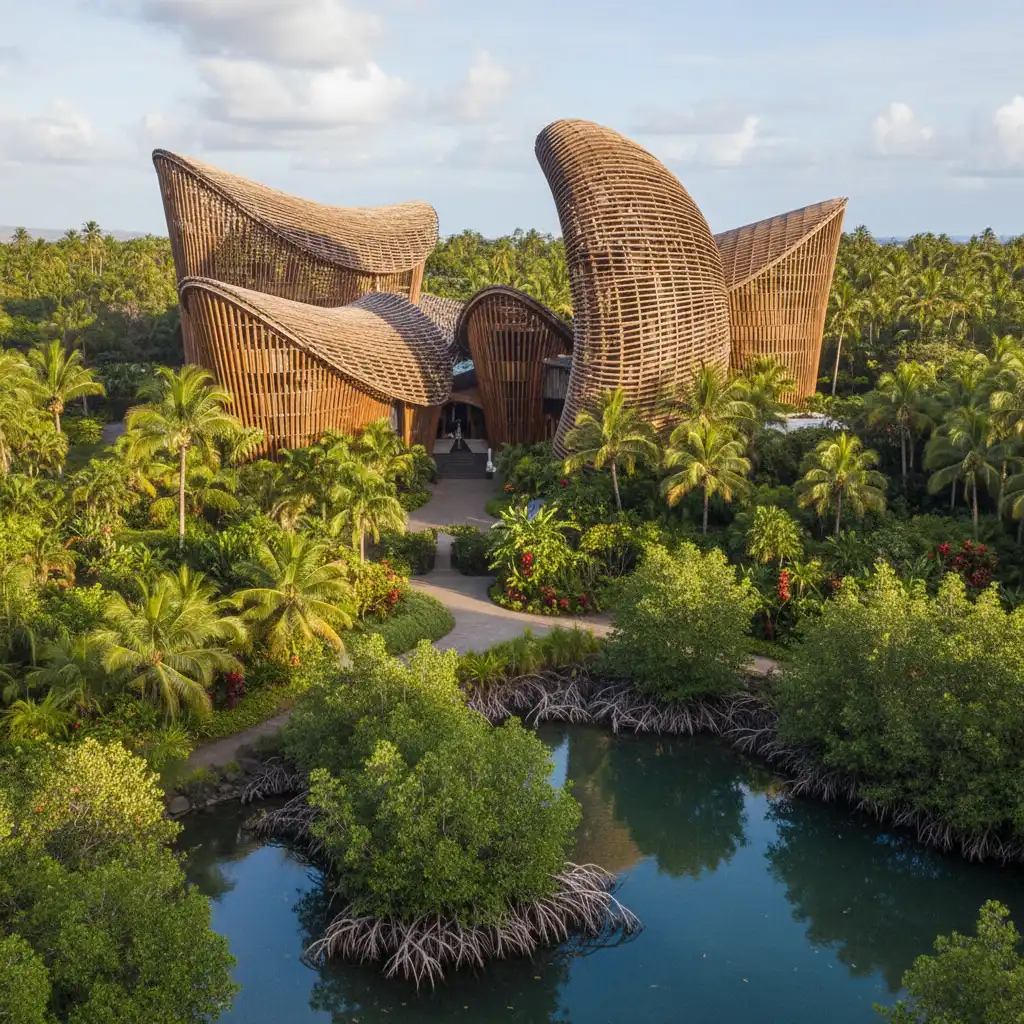
Architecturally stunning and culturally profound, the Tjibaou Cultural Centre is a masterpiece designed by Renzo Piano. It serves as the heartbeat of Kanak culture. The structure, resembling traditional Kanak huts soaring into the sky, houses exhibitions of contemporary Melanesian art, historical artifacts, and performance spaces.
Visitors can walk through the “Kanin Path,” an outdoor botanical trail that explains the myth of the first man and the importance of native plants in Kanak society. It is essential for understanding the indigenous heritage of New Caledonia.
3. Relax at Lemon Bay (Baie des Citrons)
Baie des Citrons is the most popular beach in Noumea, known for its calm waters which are sheltered from the prevailing trade winds. It is the perfect spot for swimming, especially for families with young children or those not confident in rougher surf.
The promenade lining the beach is packed with bars, gelaterias, and restaurants, making it a vibrant spot from sunrise until late at night. For New Zealanders used to cooler waters, the warm temperature of the lagoon here is a welcome luxury.
4. Take a Water Taxi to Duck Island (Île aux Canards)
Just a five-minute water taxi ride from Anse Vata beach lies Duck Island. This small islet is famous for its underwater snorkeling trail. Buoys mark a path that guides swimmers past specific coral formations and information panels explaining the marine life below.
It is an accessible and affordable alternative to Amedee Island if you are short on time. You can rent sun loungers and snorkeling gear directly on the island, making it a hassle-free excursion.
5. Explore the Aquarium des Lagons
Located between Anse Vata and Lemon Bay, the Aquarium des Lagons is world-renowned for its focus on local marine ecosystems. It is one of the few places in the world where you can see the glowing flashlight fish and the prehistoric nautilus.
The aquarium is organized by habitat, taking you from the fresh rivers to the mangrove swamps and out to the deep ocean. It is an educational powerhouse and a vital stop for anyone interested in marine biology.
6. Shop at the Port Moselle Market
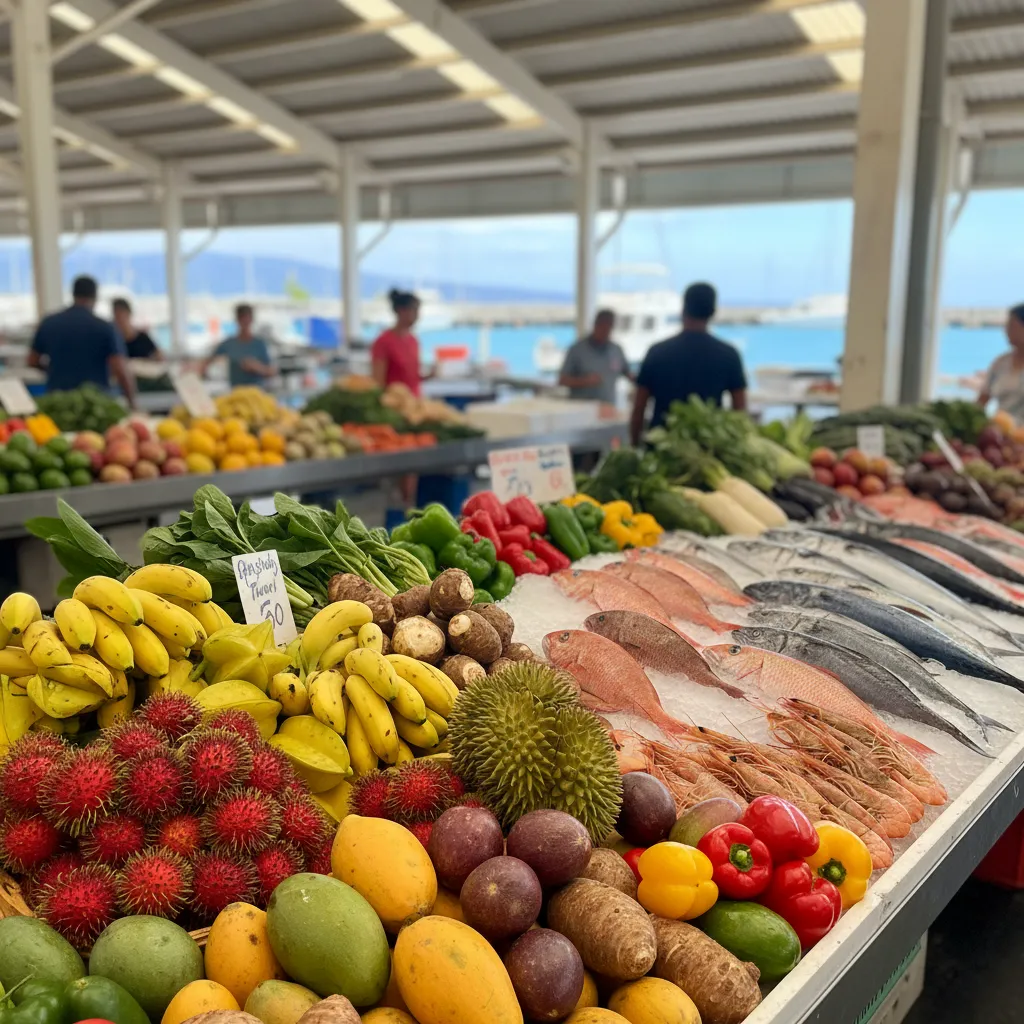
For a taste of local life, head to the Port Moselle Market early in the morning (closed on Mondays). This is where locals buy their fresh fish, yams, tropical fruits, and flowers. It is a sensory explosion of colors and smells.
Tourists can find excellent souvenirs here, including handcrafted jewelry, sarongs (pareos), and vanilla beans. There is also a dedicated cafe section where you can enjoy a French pastry and strong coffee while watching the fishing boats unload their catch.
7. Windsurf or Stroll at Anse Vata
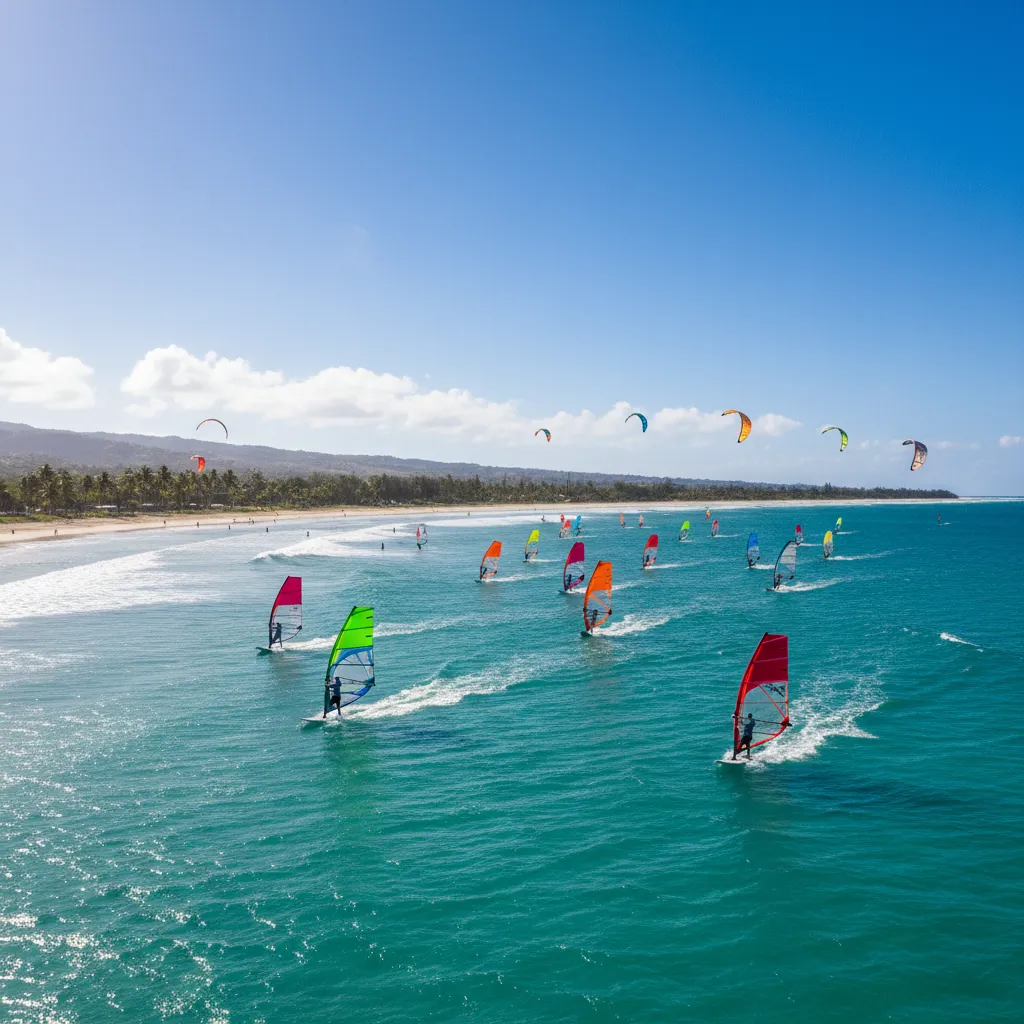
While Lemon Bay is for relaxing, Anse Vata is for action. This beach is exposed to the trade winds, making it a mecca for windsurfers and kitesurfers. Watching the colorful sails zip across the water is a spectator sport in itself.
The long curve of the beach is backed by hotels, casinos, and boutiques. It is the tourist hub of Noumea and a great place to book tours or catch the “Petit Tchou Tchou” tourist train.
8. Discover Place des Cocotiers
In the heart of the city centre lies the Place des Cocotiers (Coconut Square). It is a classic French colonial square featuring a band rotunda and beautifully manicured gardens. It serves as a gathering place for locals and often hosts markets and festivals.
Surrounding the square are historical buildings and high-end shops. It is the zero point for distances in New Caledonia and a great place to sit and people-watch after a morning of shopping in the city centre.
9. Hike Ouen Toro
For the best views of the southern lagoons without leaving the mainland, hike or drive up Ouen Toro. This hill overlooks Anse Vata and offers a 360-degree perspective of the bays and islands.
It is also a historical site, featuring two large cannons installed by the Australian army during World War II to protect the pass against potential Japanese invasion. The surrounding park is a dry forest reserve, offering easy walking tracks.
10. Day Trip to Maitre Islet (Escapade Island)
Another fantastic island escape is Maitre Islet, home to the DoubleTree by Hilton and its famous overwater bungalows. Even if you aren’t staying at the resort, you can visit for the day.
The surrounding marine reserve is known for its high population of sea turtles. The water is shallow and crystal clear, making it incredibly easy to spot turtles grazing on the seagrass just meters from the shore.
How to plan activities: Cruise Passengers vs. Stay-Over Tourists
Your approach to exploring Noumea will differ significantly depending on whether you are visiting via a cruise ship (common for Kiwis on P&O or Carnival cruises) or flying in for a holiday.
Itineraries for Cruise Ship Passengers
Cruise passengers typically have a window of 6 to 8 hours. Time management is critical. The cruise terminal is located in the industrial area, but shuttles generally drop passengers at the City Centre (near Place des Cocotiers) or the Tourist Information Centre.
- The “Tchou Tchou” Train: This is the most efficient way to see the city in 2 hours. It loops through the city centre, up to Ouen Toro for photos, and past the major bays.
- Duck Island: Because it is so close to the mainland, you can take a bus or taxi to Anse Vata and hop on a water taxi to Duck Island for 3 hours of snorkeling, ensuring you are back in plenty of time for departure.
- Market & Shopping: If you prefer a relaxed day, walk from the shuttle drop-off to Port Moselle Market, buy some souvenirs, and enjoy a French lunch in the Latin Quarter.
Warning: Avoid long trips to Amedee Island or the Blue River Park unless you have booked a specific shore excursion through the cruise line, as the risk of missing the ship due to transport delays is too high for independent travel.
Itineraries for Stay-Over Tourists
Visitors staying 3 days or more have the luxury of “island time.” You can dedicate a full day to Amedee Island without rushing. You also have the opportunity to experience Noumea by night.
- Dining Out: Noumea’s culinary scene comes alive at night, particularly in Baie des Citrons. Try the local specialty, “Bougna” (usually needs to be ordered in advance), or fine French cuisine.
- Day Trips Further Afield: With more time, you can rent a car and drive to the Blue River Provincial Park to see the drowned forest and the Kagu bird, or visit the Giant Fern Park. These require a full day and are difficult to access for cruise passengers.
Cultural Highlights vs. Water Sports
Noumea is a city of contrasts, offering two distinct types of tourism: the intellectual and historical exploration of a French-Melanesian society, and the physical exhilaration of the South Pacific ocean.
Immersing in Culture and History
For those interested in the human story of New Caledonia, the Museum of New Caledonia (Musée de Nouvelle-Calédonie) and the Maritime Museum are essential stops. The Maritime Museum helps explain the voyages of La Pérouse and the intense naval history of the region.
The colonial architecture in the Faubourg Blanchot district offers a glimpse into the early settlement era. Walking tours here reveal beautiful wooden colonial homes with wrought-iron verandas. Combining this with a visit to the Tjibaou Cultural Centre provides a balanced view of the colonial and indigenous history that shapes the territory today.
The World’s Largest Lagoon
If your primary goal is water sports, Noumea is a playground. The lagoon is a UNESCO World Heritage site. Beyond snorkeling, you can engage in:
- Kitesurfing: The trade winds are consistent, and schools at Anse Vata cater to all levels.
- Jet Skiing: Guided jet ski tours often head out to smaller, uninhabited islets that are otherwise inaccessible.
- Scuba Diving: Dive shops operate out of Port Moselle and Anse Vata, taking divers to the outer reef to see sharks, manta rays, and vast coral gardens. The “Passe de Boulari” is a famous site where marine life congregates.
What to do in Noumea when it rains?
Tropical weather can be unpredictable. When the rain sets in, the beach is less appealing, but Noumea has excellent indoor alternatives that ensure your holiday isn’t washed out.
1. The Aquarium des Lagons
As mentioned earlier, the aquarium is largely indoors. It is the perfect place to spend a rainy afternoon. The exhibits are dimly lit to protect the marine life, creating a cozy atmosphere away from the storm outside.
2. The WWWII Museum
New Caledonia played a pivotal role in WWII as the headquarters for the American forces in the South Pacific. The WWII Museum, located in a distinct half-moon Quonset hut, offers a fascinating look at the “friendly invasion” of US troops and how it modernized the island.
3. Shopping in the Latin Quarter and City Centre
Many of the boutiques in the city centre are under cover or close together. You can shop for French fashion, perfumes, and wines. Several shopping complexes, such as the Centre Commercial Port Plaisance, offer a variety of stores and supermarkets under one roof, allowing you to browse for French cheeses and chocolates without getting wet.
Essential Travel Tips for New Zealanders
Traveling to Noumea is easy for Kiwis, but there are a few nuances to be aware of to ensure a smooth trip.
Currency and Payment
The currency is the Pacific Franc (XPF). While credit cards are widely accepted in hotels, restaurants, and major shops, cash is king at the markets and for small purchases like bus tickets or snacks. It is advisable to exchange some money upon arrival or withdraw from ATMs, which are plentiful.
Language Barriers
French is the official language. While staff in major hotels and tourist attractions speak English, many locals do not. Learning a few basic phrases—Bonjour (Hello), Merci (Thank you), and Parlez-vous anglais? (Do you speak English?)—goes a long way in earning goodwill. The locals appreciate the effort.
Connectivity
Roaming costs for NZ mobiles can be high in New Caledonia. It is often cheaper to purchase a local tourist SIM card at the airport or a post office (OPT). Free Wi-Fi is available at Place des Cocotiers and some McDonald’s locations, but it is not as ubiquitous as in New Zealand.
Siesta Time
Many shops in the city centre close for a lunch break, typically between 11:30 AM and 1:30 PM. Plan your shopping for the morning or late afternoon. Supermarkets and larger tourist stores usually stay open, but smaller boutiques will lock their doors.
People Also Ask
Is Noumea worth visiting for a holiday?
Yes, Noumea is definitely worth visiting. It offers a unique mix of French culture and Pacific island lifestyle. With the world’s largest lagoon, exceptional French cuisine, and a short flight time from New Zealand and Australia, it provides a European-style holiday experience without the long-haul travel.
What is the best month to visit Noumea?
The best time to visit Noumea is during the shoulder seasons: September to November and April to May. During these months, the weather is pleasant (around 24°C to 26°C), and there is less rainfall than in the hot, humid summer months of December to March.
Do they speak English in Noumea?
French is the official language. While English is spoken at hotels, tour desks, and major tourist restaurants, it is not widely spoken by the general public, taxi drivers, or market vendors. Knowing basic French phrases is highly recommended for a smoother experience.
Can you swim in Noumea beaches?
Yes, swimming is very popular in Noumea. The two main beaches, Baie des Citrons (Lemon Bay) and Anse Vata, are safe for swimming. Baie des Citrons is particularly sheltered and calm, making it ideal for families. Always check local signage for any temporary warnings.
Is Noumea expensive for tourists?
Noumea can be expensive compared to Southeast Asia, with prices more comparable to New Zealand or France. Dining out and imported goods can be pricey. However, costs can be managed by shopping at supermarkets, eating at local snack bars, and using public transport.
How do you get around in Noumea?
The most common way to get around is the “Tanéo” bus network, which is modern and affordable. Taxis and water taxis are also available. For tourists, the “Tchou Tchou” train is a fun way to see the sights. Rental cars are recommended if you plan to explore outside the city limits.