
Noumea market souvenirs at Port Moselle include exquisite handmade jewellery, vibrant sarongs, premium Lifou vanilla, and local spices. Visitors can find unique Kanak wood carvings and French-influenced delicacies. For the best selection of artisanal crafts, visit on weekends when local creators from across New Caledonia gather to showcase their traditional and contemporary works.
What are the best handmade jewellery and sarongs at Noumea Market?
When searching for authentic Noumea market souvenirs, the first stop for many New Zealand travellers is the vibrant jewellery and textile section. The craftsmanship found here reflects a unique blend of Melanesian tradition and French elegance. Port Moselle Market is particularly famous for its selection of black pearls, sourced from the pristine waters of the Tuamotu Archipelago and local lagoons. These pearls are often set in sterling silver or high-karat gold, creating timeless pieces that serve as a luxurious reminder of your Pacific getaway.
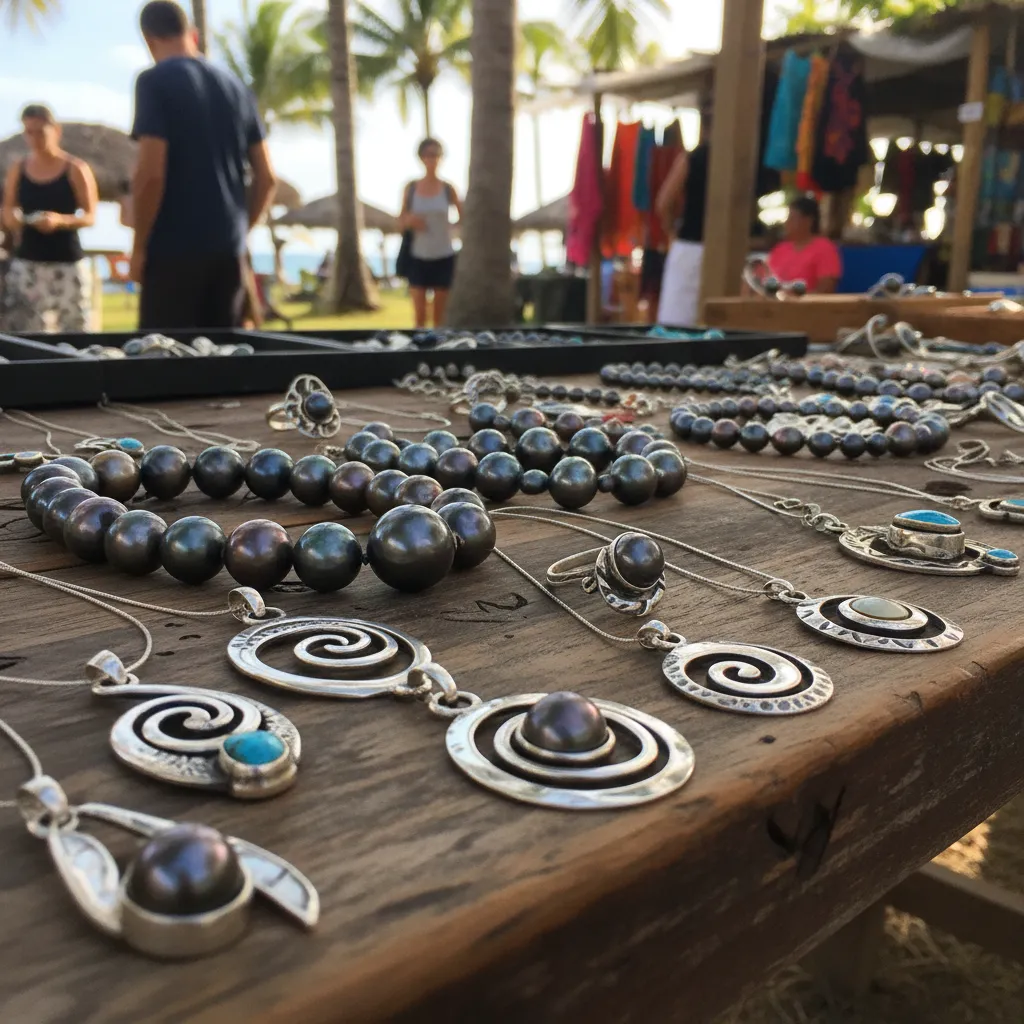
Beyond pearls, you will find an array of jewellery made from natural materials such as mother-of-pearl, seeds, and polished coconut shells. These items are often handcrafted by local artisans who use techniques passed down through generations. The intricate patterns carved into shell pendants often represent Kanak symbols of strength, fertility, and protection.
Complementing the jewellery are the iconic Pacific sarongs, known locally as ‘manous’ or ‘paréos’. Unlike mass-produced alternatives, the sarongs at Port Moselle Market are frequently hand-painted or block-printed with traditional motifs. Look for designs featuring the hibiscus flower, the Cagou bird (New Caledonia’s national symbol), or geometric patterns inspired by Kanak art. These fabrics are not only beautiful but also highly functional for the tropical climate, serving as beach cover-ups, dresses, or even decorative wall hangings once you return home to New Zealand.
The Allure of New Caledonian Black Pearls
While Tahiti is often the first name associated with black pearls, New Caledonia offers a sophisticated selection that rivals any in the world. At the Port Moselle Market, you can find pearls ranging from deep peacock green to shimmering silver-grey. Buying directly from market vendors often provides a more personal story behind the piece, as many sellers are the designers themselves. Always ask for a certificate of authenticity for higher-end purchases to ensure you are bringing home a genuine piece of the Pacific.
Textile Artistry and Traditional Dress
The ‘Mission Dress’ or ‘Robe Mission’ is another significant textile item found at the market. These colorful, flowing dresses are a staple of Kanak women’s attire. While they may be more of a cultural curiosity for some tourists, the fabrics used to make them are available for purchase. For those seeking something more contemporary, many stalls offer modern clothing that incorporates traditional prints into western-style cuts, perfect for a summer day in Auckland or Wellington.
Where can I find the best local vanilla and spices in Noumea?
New Caledonia is a hidden gem for foodies, and the scent of fresh vanilla pods often leads visitors straight to the spice stalls. If you are looking for Noumea market souvenirs that pack a punch of flavor, the vanilla from Lifou (one of the Loyalty Islands) is non-negotiable. Lifou vanilla is regarded as some of the finest in the world, known for its thick, oily pods and an incredibly complex, sweet aroma that persists long after the pod has been used.
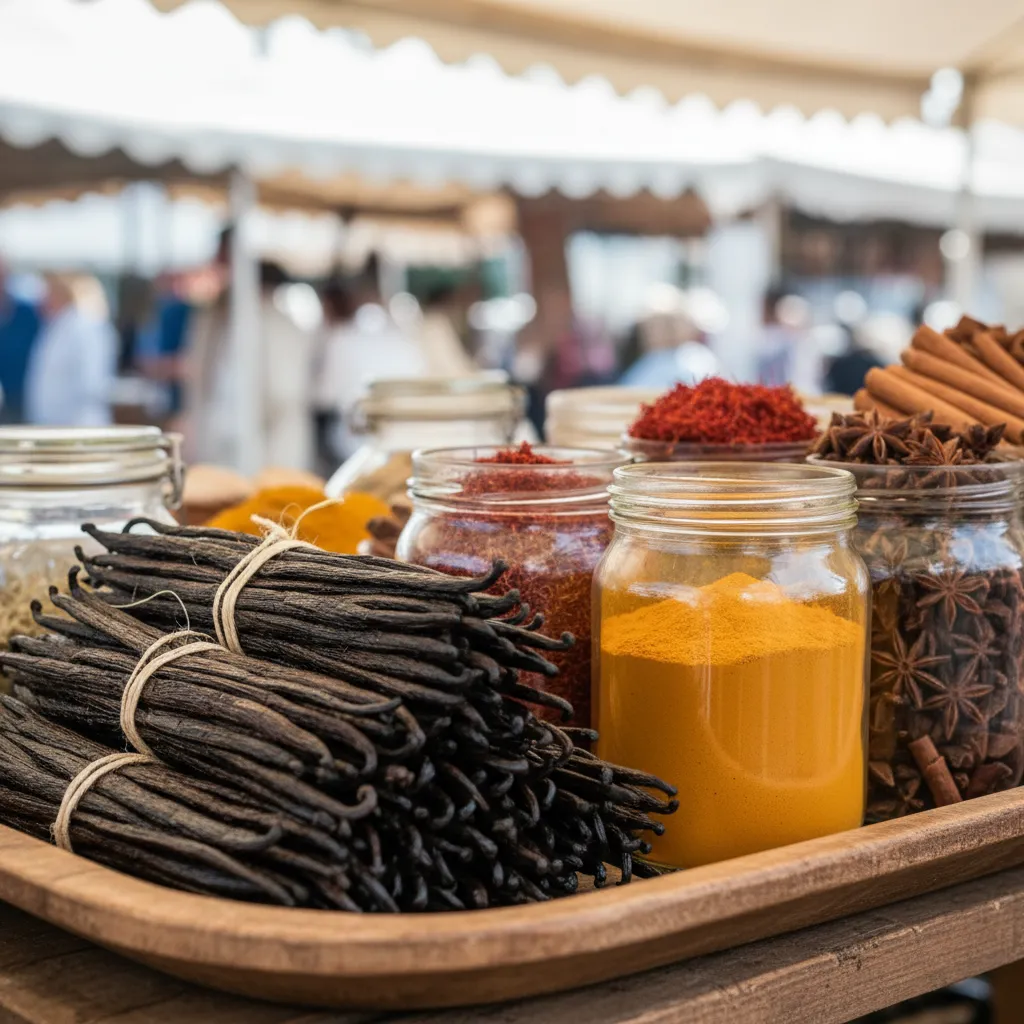
The spice vendors at Port Moselle offer more than just vanilla. You will find jars of locally harvested sea salt, often infused with hibiscus or citrus, and vibrant yellow turmeric grown in the rich volcanic soil of the main island. Another popular item is the ‘Achards de Légumes’—a spicy, pickled vegetable relish that is a staple in New Caledonian cuisine. These jars are easy to transport and provide an authentic taste of the islands once you are back in your own kitchen.
Why Lifou Vanilla is a Top Souvenir
The cultivation of vanilla in the Loyalty Islands follows strict traditional methods. The pods are hand-pollinated and sun-dried over several months. This labor-intensive process results in a high vanillin content that distinguishes it from the mass-produced varieties found in supermarkets. When purchasing, look for pods that are supple and slightly shiny; this indicates they are fresh and full of essential oils. Many vendors also sell vanilla powder, extract, and even vanilla-infused honey, which makes for an excellent gift.
Exotic Island Spice Blends
New Caledonian cuisine is a fusion of French techniques and Melanesian ingredients, with a hint of influence from Reunion Island and Southeast Asia. This is reflected in the spice blends available at the market. Look for ‘Massalé’ powder, a unique blend of roasted spices used in local curries. These blends are often mixed by the vendors themselves, ensuring a freshness and authenticity you won’t find anywhere else. They are lightweight and easy to pack, making them ideal Noumea market souvenirs for those with limited luggage space.
Is haggling common at the Port Moselle Market?
For New Zealanders accustomed to the fixed-price environment of home, or perhaps the aggressive bargaining of Southeast Asian markets, the etiquette at Port Moselle Market requires a different approach. In New Caledonia, and specifically at the Noumea markets, haggling is generally not practiced and can even be seen as disrespectful. The prices marked are considered fair reflections of the labor and materials involved.
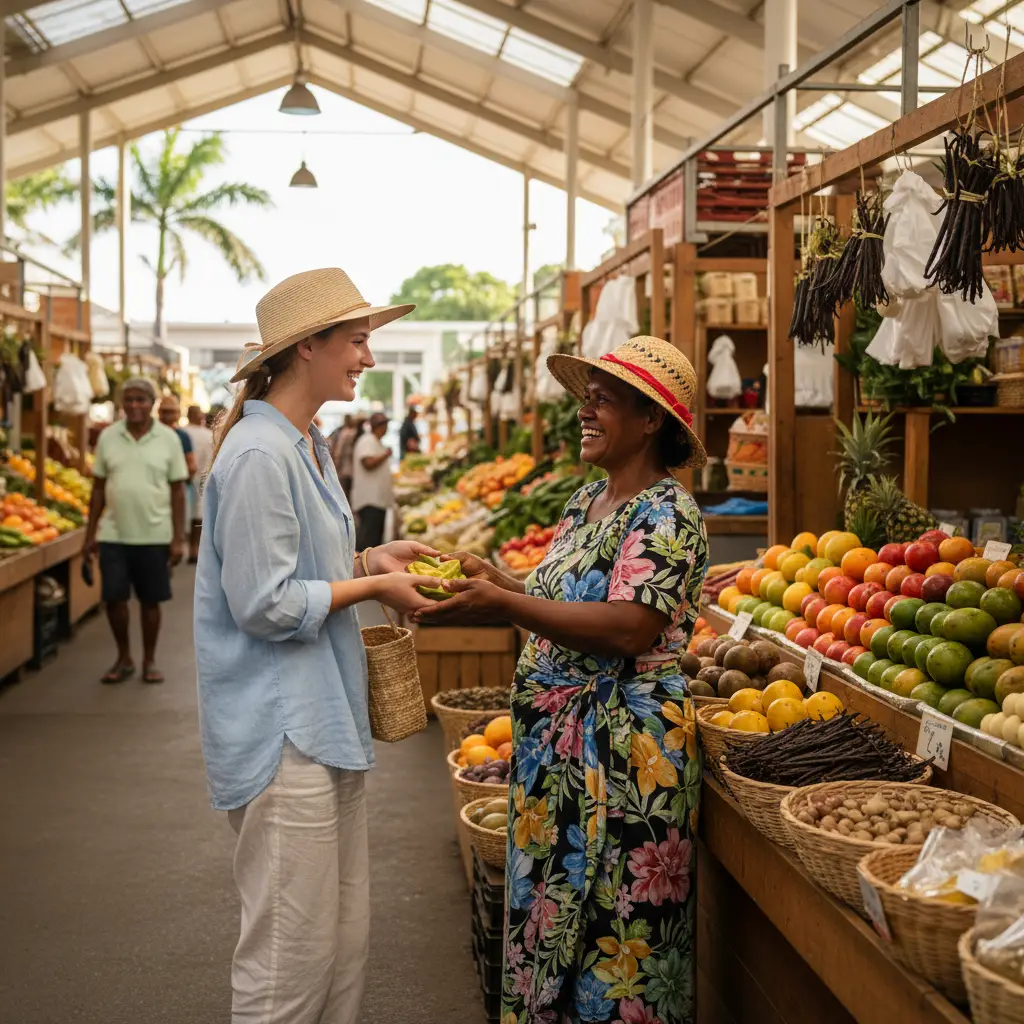
The culture in New Caledonia is a blend of Melanesian ‘Coutume’ (custom) and French social norms. In both cultures, a polite greeting is far more valuable than a negotiation. Always start your interaction with a warm “Bonjour” (Good day) and end with a “Merci” (Thank you). This simple gesture goes a long way in establishing a positive rapport with the vendors. If you are purchasing multiple high-value items, such as several pieces of expensive jewellery, a vendor might offer a small discount or a ‘cadeau’ (gift), but it is best to let them initiate this rather than asking for it.
Understanding the Value of Artisanal Goods
The reason for the fixed-price culture lies in the value placed on the artisan’s time. Many of the items sold at the market, from hand-woven baskets to carved wooden statues, take days or even weeks to complete. By paying the asking price, you are supporting the local economy and ensuring that these traditional crafts remain viable for future generations. Furthermore, New Caledonia has a relatively high cost of living compared to other Pacific nations, and the prices reflect the local economic reality.
What are the best days to visit Port Moselle Market for artisans?
While the Port Moselle Market is open from Tuesday to Sunday, not all days are created equal when it comes to finding the best Noumea market souvenirs. For the casual visitor looking for fresh fruit or a quick snack, any weekday morning will suffice. However, for those specifically seeking high-quality crafts and to meet the artisans themselves, the weekend is the prime time to visit.
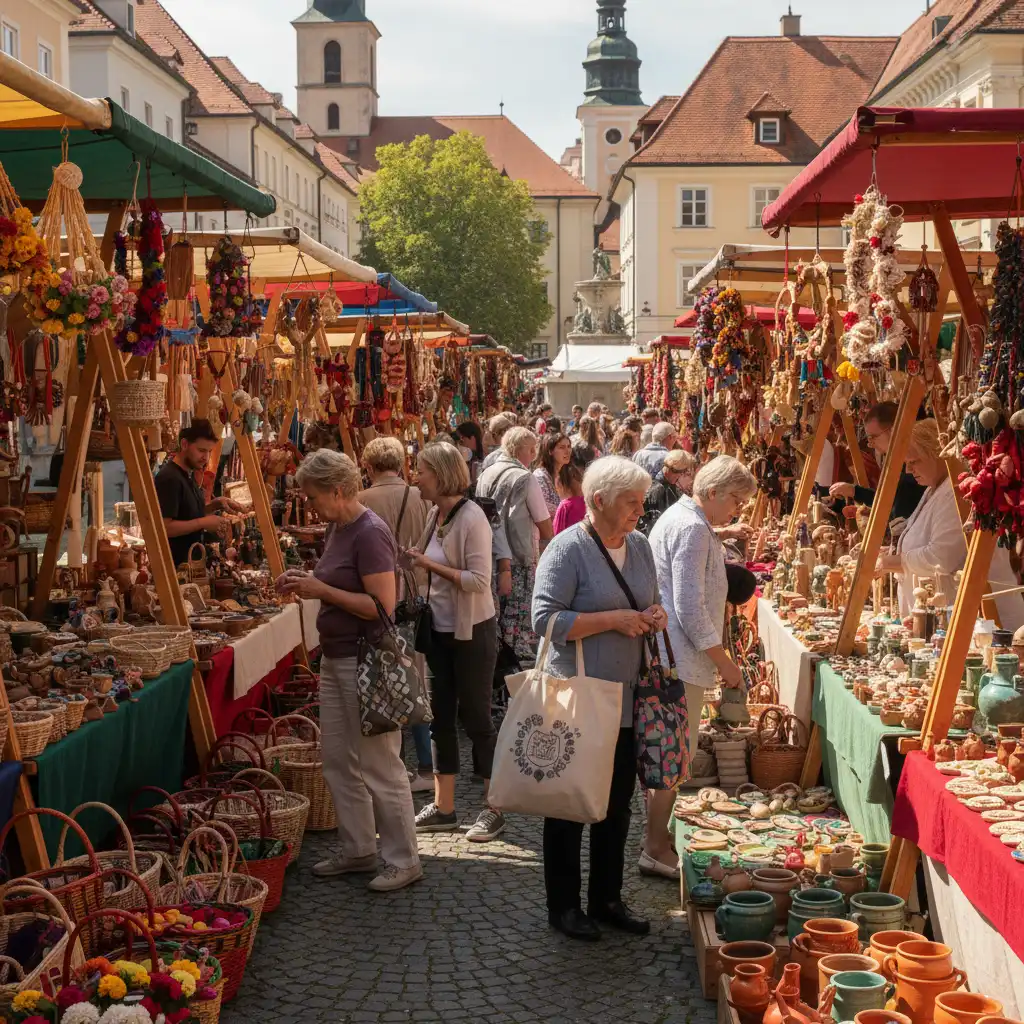
On Saturdays and Sundays, the market expands significantly. Artisans from the surrounding provinces and even the outer islands travel to Noumea to sell their wares. This is when you will find the widest variety of wood carvings, hand-painted textiles, and intricate jewellery. The atmosphere is also much more festive, often featuring live local music and a larger variety of prepared foods, making it a full morning of entertainment.
The Weekend Artisan Boom
During the weekend, the ‘Artisanat’ section of the market truly comes to life. You might see a Kanak woodcarver working on a ‘Flèche Faîtière’ (totem) or a woman weaving a traditional mat from pandanus leaves. This is an excellent opportunity to ask questions about the meaning behind certain designs and the materials used. Most artisans speak French, but many also speak enough English to explain their work to international visitors. Arriving early (around 7:30 AM or 8:00 AM) is recommended, as the best pieces often sell out quickly, and the market starts to wind down by noon.
What other unique souvenirs can I buy in Noumea?
Beyond the highlights of jewellery and vanilla, Port Moselle Market offers several other unique treasures. Wood carving is a pinnacle of Kanak art. Look for ‘Casse-Tête’ (ceremonial clubs) or small statues carved from ‘Houp’ or ‘Santal’ (sandalwood). These carvings are often deeply symbolic, representing ancestors or protective spirits. Ensure that any wooden items are treated or finished to meet New Zealand’s strict biosecurity requirements.
Local coffee is another excellent choice. New Caledonia has a long history of coffee production, particularly the ‘Leroy’ variety, which is famous for its low caffeine content and naturally sweet flavor. Packaged in attractive tins or bags, it makes for a sophisticated gift. Additionally, look for local honey—New Caledonia’s diverse flora results in unique honey varieties, such as Niaouli honey, which has a distinct, slightly medicinal taste and is highly prized for its health benefits.
Practical Tips for New Zealand Travelers
Visiting the Port Moselle Market is a highlight of any trip to Noumea, but a little preparation goes a long way. First, remember that the market operates on Pacific time—it opens early (5:00 AM) and closes early (usually by 12:00 PM). If you arrive at 11:30 AM, many vendors will already be packing up. Secondly, while some larger stalls might accept credit cards, the majority of artisans and food vendors deal only in cash (CFP Francs). There are ATMs located near the market entrance if you need to withdraw local currency.
For Kiwis, biosecurity is a major consideration. When buying Noumea market souvenirs like wooden carvings, woven mats, or dried spices, ensure they are clean and free of insects or soil. It is always best to declare these items upon arrival back in New Zealand. Most vendors are aware of these regulations and can provide items that are more likely to pass inspection, such as polished wood or commercially packaged spices. Finally, don’t forget to bring your own reusable shopping bag; it’s the local way and helps reduce plastic waste in this beautiful lagoon environment.
People Also Ask
What time does the Port Moselle Market open?
The market typically opens at 5:00 AM and runs until approximately 12:00 PM, Tuesday through Sunday. It is closed on Mondays.
Can I use New Zealand Dollars at the Noumea market?
No, you must use the local currency, the Central Pacific Franc (CFP). Some vendors may accept Euros in a pinch, but CFP is the standard.
Are there ATMs near the Port Moselle Market?
Yes, there are several ATMs located within walking distance of the market entrance and the nearby marina.
Is the market accessible for people with mobility issues?
Yes, the market is largely flat and paved, making it accessible for wheelchairs and strollers, though it can get very crowded on weekends.
Can I bring wooden carvings back to New Zealand?
Yes, but they must be declared to MPI upon arrival. It is best to buy carvings that are varnished or treated to ensure they pass biosecurity.
Is there food available to eat at the market?
Absolutely! There is a dedicated cafe section and many stalls selling fresh pastries, ‘nems’ (spring rolls), and traditional Melanesian snacks.