The Noumea Zoo, officially known as the Parc Zoologique et Forestier Michel Corbasson, is a 34-hectare wildlife sanctuary and botanical garden in New Caledonia. It serves as a vital conservation hub for endemic species like the flightless Cagou bird and giant flying foxes, offering visitors panoramic views of the Noumea lagoon from its hilltop location.
Wildlife Highlights: Seeing the Cagou and Flying Foxes
For most visitors, the primary draw of the Noumea Zoo is the opportunity to witness New Caledonia’s unique fauna up close. As an island nation with a high degree of endemism, many of the creatures found here exist nowhere else on Earth. The undisputed star of the park is the Cagou (Rhynochetos jubatus). This blue-grey, flightless bird is the national emblem of New Caledonia and is known for its striking crest, which it displays during courtship or when threatened. Seeing a Cagou in the wild is extremely rare, making the zoo’s dedicated enclosures the best place to observe their peculiar behavior, including their distinct barking call that can be heard echoing through the forest in the early morning.

Beyond the Cagou, the Noumea Zoo is home to the impressive giant flying foxes, or ‘roussettes.’ These are among the largest bats in the world and play a crucial role in the island’s ecosystem as seed dispersers and pollinators. In the park, you can see them hanging in large clusters from the trees, occasionally stretching their massive wingspans. For travelers from New Zealand, where the native bat species are much smaller and elusive, the sight of these ‘mega-bats’ is often a highlight of the trip. The park also houses various species of parrots, including the Ouvea parakeet, and a range of reptiles that showcase the biodiversity of the Pacific region. This variety is also evident when Exploring Koumac in the north.
What makes the Cagou bird so unique?
The Cagou is a biological anomaly. It is the only surviving member of its taxonomic family, Rhynochetidae. Evolutionarily isolated for millions of years, it lost the ability to fly because it had no natural land predators before humans arrived. Its ‘nasal flaps’ are another unique feature, designed to prevent dirt from entering its nostrils while it probes the soil for worms and snails. Observing them at the Noumea Zoo allows you to see these adaptations in action, providing a deep dive into the evolutionary history of the archipelago.
Botanical Gardens and Views Over the Lagoon
While the animals are the main attraction, the Parc Zoologique et Forestier is equally significant as a botanical garden. The park is a living museum of New Caledonian flora, featuring over 126 species of plants, many of which are endemic. As you wander through the well-maintained trails, you will encounter the iconic Araucaria trees (New Caledonian pines) that dominate the island’s skyline. These ancient conifers give the landscape a prehistoric feel, reminiscent of the Gondwanan forests that once covered the region.

The park’s location on Mont-Ravel provides more than just a home for plants; it offers some of the most spectacular vantage points in Noumea. Several lookout spots, or ‘belvederes,’ are scattered throughout the grounds. From these heights, visitors can look out over the vibrant turquoise waters of the Noumea lagoon—the largest lagoon in the world and a UNESCO World Heritage site, which is also the focus of our Whale Watching Guide. The contrast between the lush green of the forest park and the deep blues of the Pacific Ocean provides incredible photo opportunities, especially during the ‘golden hour’ before the park closes.
Where is the best view of the lagoon?
The best views are found at the highest points of the park near the ‘Belvedere’ markers. From here, you can see the barrier reef in the distance and the various small islands (islets) that dot the coast. It is a perfect spot to orient yourself and appreciate the geography of the Grande Terre. The cool breeze at this elevation is also a welcome relief from the tropical humidity of the city center.
Getting There: It’s on a Hill
One of the most important things to know about visiting the Noumea Zoo is its location. Situated atop Mont-Ravel, the park is not easily reached by a casual stroll from the city or the popular Anse Vata beach area. For New Zealand tourists used to walking-friendly cities, the steepness of the climb to the zoo can be a surprise. If you choose to use public transport, the Karuïa Bus (Line N4) will get you close, but there is still a significant uphill walk from the nearest stop to the park entrance.
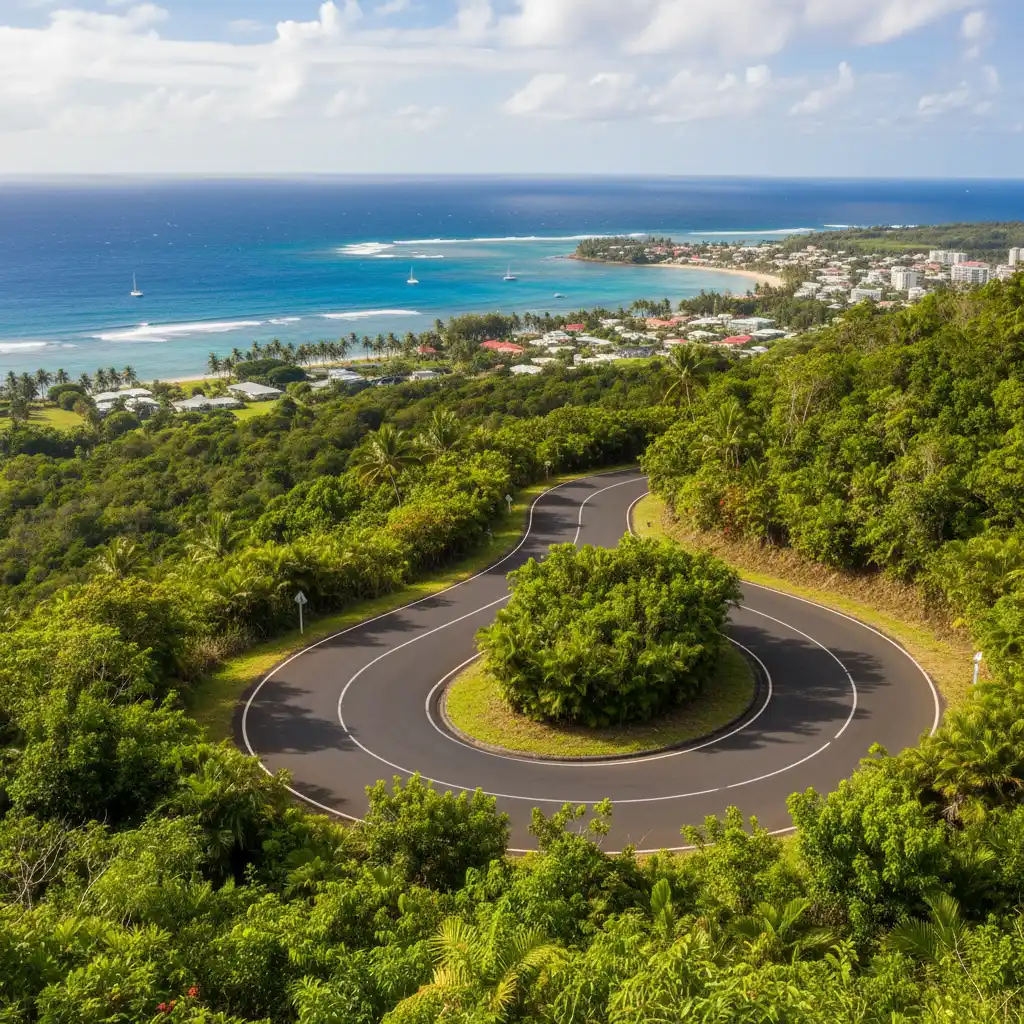
For a more comfortable journey, taking a taxi or a ride-sharing service is highly recommended. This ensures you arrive at the gates with your energy preserved for exploring the 34 hectares of trails inside. Alternatively, many visitors opt for the ‘Le Petit Train,’ a tourist road-train that includes the zoo as part of its scenic circuit. If you have rented a car, there is ample parking available at the entrance, though the drive involves several hairpin turns that require careful navigation.
Is walking to the zoo recommended?
Walking is only recommended for those who are physically fit and enjoy a strenuous hike. The tropical heat, combined with the steep incline of Mont-Ravel, can make the trek exhausting. If you do decide to walk, ensure you carry plenty of water and start early in the morning to avoid the midday sun. Most travelers find that the small cost of a taxi is well worth the convenience.
Family Picnic Areas and Amenities
The Noumea Zoo is designed to be a full-day destination, particularly for families. Scattered throughout the park are numerous designated picnic areas equipped with wooden tables and benches. These spots are often shaded by large tropical trees, providing a cool environment for a family lunch. In New Caledonian culture, the weekend picnic is a cherished tradition, and you will often see local families gathering here with elaborate spreads.
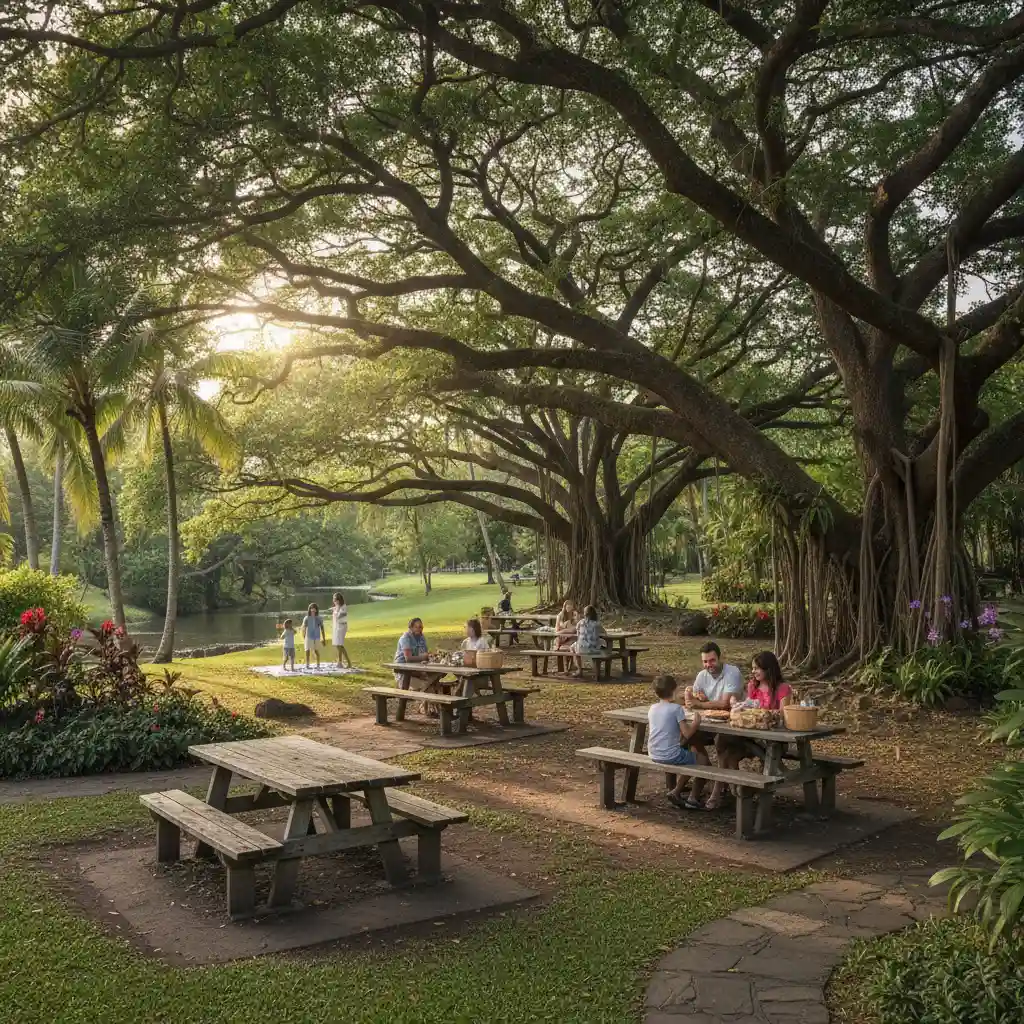
For children, the park includes a small farm area where they can interact with more familiar animals like goats and donkeys. There are also playground facilities located near the main entrance and the picnic zones. While there is a small snack bar on-site, the selection can be limited, so many visitors prefer to bring their own food and drinks purchased from a local supermarket (like Casino or Carrefour) in the city. This not only saves money but allows you to enjoy a ‘French-style’ picnic with fresh baguettes and local cheeses in a stunning natural setting.
What amenities are available at the park?
The park is well-equipped with clean restroom facilities, clearly marked trail maps, and a gift shop at the entrance. The trails are generally accessible, though some sections have inclines that might be challenging for standard strollers. If you are traveling with young children, a rugged ‘all-terrain’ stroller or a baby carrier is a better choice for navigating the forest paths.
Essential Tips for New Zealand Travelers
Traveling from New Zealand to New Caledonia is a short three-hour flight, but the cultural and environmental shift is significant. Before you arrive, it’s helpful to review Arrival Logistics: Tontouta Airport to Noumea for a seamless transition. Firstly, the park is closed on Mondays, which is a common practice for many attractions in Noumea. Opening hours are typically from 10:15 AM to 5:00 PM, but it is always wise to check the official website or your hotel concierge for the latest updates.
The currency used is the CFP Franc (XPF). While the zoo entrance fee is modest, ensure you have some cash on hand as smaller kiosks within the park may not always accept international credit cards. Language-wise, while the staff at the zoo often speak some English, having a few basic French phrases will go a long way in enhancing your interaction. Lastly, don’t forget mosquito repellent and sunscreen; the forest environment and the elevated position increase the risk of bites and sun exposure.
Conservation and Research Efforts
The Parc Zoologique et Forestier is more than just a tourist attraction; it is a center for scientific research and conservation. The park plays a lead role in the captive breeding program for the Cagou, helping to bolster populations that are threatened by invasive species like dogs, cats, and pigs in the wild. By visiting the zoo, your entrance fee contributes directly to these conservation efforts.
Educational displays throughout the park inform visitors about the fragility of island ecosystems and the importance of protecting New Caledonia’s unique biodiversity. For Kiwi visitors, who are often familiar with the conservation challenges facing birds like the Kiwi or Kakapo, the parallels in New Caledonia are striking. Both nations share a Gondwanan heritage and a modern-day struggle to protect flightless birds from introduced predators, making a visit to the zoo a thought-provoking experience.
Is Noumea Zoo worth visiting?
Yes, it is highly recommended for nature lovers, families, and anyone interested in seeing the Cagou bird. It offers a unique blend of wildlife, botany, and stunning lagoon views that you won’t find elsewhere in the city.
How much is the entrance fee for Noumea Zoo?
As of recent updates, the entrance fee is approximately 700 to 900 XPF for adults, with discounted rates for children and seniors. It is one of the most affordable major attractions in Noumea.
Can you see the Cagou bird at the Noumea Zoo?
Yes, the Noumea Zoo is one of the best and most reliable places in the world to see the Cagou. They have several large enclosures where the birds are quite active and visible.
How do I get to Parc Zoologique et Forestier from the city center?
The easiest way is by taxi or the ‘Le Petit Train.’ You can also take the N4 bus, but be prepared for a steep uphill walk from the bus stop to the entrance.
What are the opening hours for Noumea Zoo?
The park is generally open Tuesday through Sunday from 10:15 AM to 5:00 PM. It is closed every Monday and on certain public holidays.
Are there food options inside Forest Park?
There is a small snack bar near the entrance, but options are limited. Most visitors bring their own food and utilize the many beautiful picnic areas located throughout the park.