
To use New Zealand devices in New Caledonia, you need a power plug adapter that converts the NZ Type I plug to the European Type C or Type E sockets used locally. New Caledonia operates on 220V-240V at 50Hz, which is fully compatible with New Zealand electronics, meaning no voltage converter is required.
Voltage and Frequency in New Caledonia
When traveling from New Zealand to New Caledonia, one of the primary technical concerns for travelers is the compatibility of their electronic devices. Fortunately, New Caledonia operates on a standard voltage of 220V to 240V with a frequency of 50Hz. This is identical to the electrical infrastructure found across New Zealand. Consequently, Kiwi travelers do not need to worry about voltage converters or transformers for their hair dryers, laptops, or smartphone chargers.

The consistency in voltage means that your sensitive electronics will function at their intended performance levels without the risk of overheating or underpowering. In many parts of the world, such as North America or Japan, the voltage is significantly lower (110V-120V), which requires bulky step-up or step-down transformers. For the NZ to New Caledonia corridor, the electrical transition is seamless, provided you have the correct physical interface—the plug adapter.
Type C and Type E Plug Shapes Explained
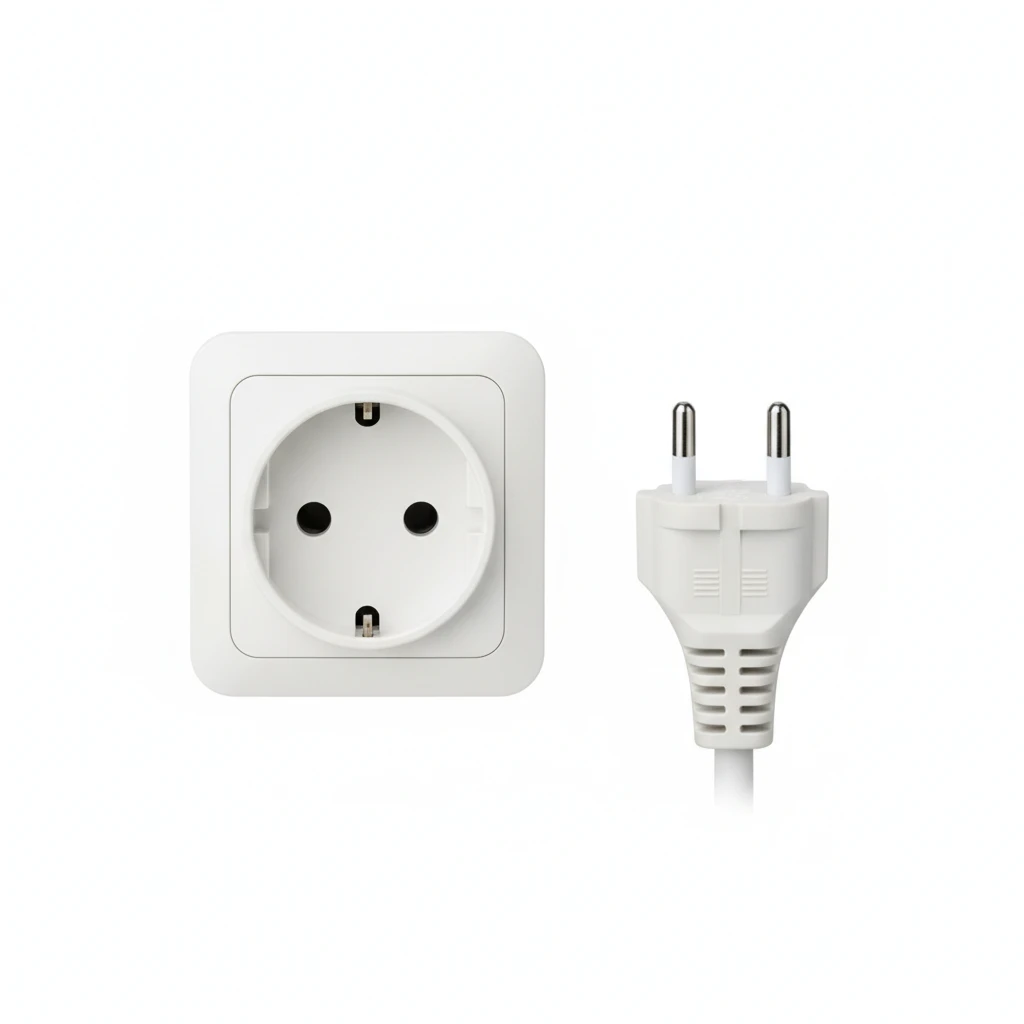
While the electricity flowing through the wires is the same, the physical entry point—the wall socket—is entirely different. New Caledonia utilizes the European standard sockets, specifically Type C and Type E. Understanding the difference between these two is vital for ensuring your adapter will fit every outlet you encounter, from luxury resorts in Nouméa to remote guesthouses in the Loyalty Islands.
What is a Type C Plug?
The Type C plug, often referred to as the “Europlug,” is a two-pin unearthed plug. It features two round pins that are slightly flexible. This is the most common plug type used internationally for low-power devices. Most universal adapters will include a Type C option. It is important to note that Type C sockets are generally being phased out in favor of Type E or F for safety reasons (grounding), but Type C plugs will almost always fit into Type E sockets.
What is a Type E Plug?
The Type E plug is the French standard, which is the primary system used in New Caledonia. It consists of two round pins and a hole for the socket’s male earthing pin. This is a grounded system. Unlike the Type F (Schuko) system used in Germany, which has earth clips on the sides, the Type E system uses a protruding pin from the wall socket itself. When buying an adapter for New Caledonia, ensure it is specifically compatible with Type E to ensure a grounded connection for high-power devices like laptops.
Compatibility with New Zealand Type I Plugs
New Zealand uses the Type I plug, characterized by two flat pins set in a V-shape and a third vertical grounding pin at the bottom. This design is shared with Australia and China but is virtually non-existent in Europe or the French Pacific territories. Because the pins are flat and angled, they cannot be forced into the round-hole sockets of New Caledonia.
Because New Zealand devices are designed for 230V, they are perfectly safe to use in New Caledonia. The only barrier is the physical shape. If you attempt to travel without an adapter, you will find it impossible to charge even the simplest devices. It is recommended to purchase a “NZ to Europe” or “NZ to France” adapter before leaving Auckland, Wellington, or Christchurch to avoid the stress of searching upon arrival.
Where to Buy Adapters in Nouméa
If you arrive in New Caledonia and realize you’ve forgotten your power adapter, do not panic. Nouméa is a modern city with plenty of retail options, though prices may be higher than what you would find at a hardware store in New Zealand. Here are the best places to find an adapter locally:
Supermarkets and Hypermarkets
The easiest places to find electronic accessories are the large hypermarkets. Stores like **Géant Casino** (located in the Dumbéa Mall or Michel-Ange) and **Carrefour** carry a wide range of electrical goods. Look for the “Bricolage” (hardware) or “Électronique” sections. You are looking for an “adaptateur de voyage” or “adaptateur universel.”
La Tontouta International Airport
Upon landing at La Tontouta, there are small relay shops and duty-free outlets. While they almost certainly stock travel adapters, they are often the most expensive option. Use this as a last resort if you need to charge your phone immediately for navigation or to contact your accommodation.
Specialized Electronics Stores
In the center of Nouméa, stores like **Darty** or local hardware shops (magasins de bricolage) such as **Mr. Bricolage** will have high-quality, grounded adapters. These are often more robust than the cheap plastic versions found in souvenir shops and are better suited for long-term use with laptops.

Charging Electronics Safely and Efficiently
While the voltage is compatible, there are still best practices to follow to ensure your expensive NZ electronics remain safe during your tropical getaway. Power fluctuations can occur, especially during the tropical storm season (December to April).
Use a Surge Protector
If you are traveling with a high-end laptop or camera equipment, consider using a travel-sized surge protector. While New Caledonia’s grid is generally stable, smaller islands or older hotels may experience minor surges. A surge protector acts as a sacrificial barrier, protecting your device’s internal circuitry.
The Power Board Strategy
A pro-traveler tip for New Zealanders is to pack a small NZ power board (multi-plug). By doing this, you only need one New Caledonia adapter. You plug the adapter into the wall, the NZ power board into the adapter, and then you have four or five NZ sockets ready to use. This is particularly useful in older hotels that may only have one or two available outlets in the room.
Avoid Overloading Adapters
Be cautious when using “universal” cube adapters. These often lack grounding and can become quite hot if you try to run high-wattage items like a hair straightener and a kettle simultaneously. Always check the wattage rating on your adapter and compare it to the label on your device.

Essential Travel Electronics Checklist
To ensure a smooth experience, here is a checklist of items you should consider packing for your New Caledonia trip:
- **Two Type E Adapters:** One for the main room and a spare for your bag.
- **USB Multi-Charger:** A single plug that has 3-4 USB-A or USB-C ports is more efficient than carrying multiple individual wall warts.
- **Power Bank:** Essential for long days exploring the Blue River Park or boat trips to Amédée Lighthouse where power is unavailable.
- **Spare Cables:** Sea salt and humidity can sometimes corrode cheap cables; having a spare is wise.
- **Waterproof Pouches:** New Caledonia is a water-centric destination. Protect your charging gear from sand and spray.
By preparing your electrical needs in advance, you can spend less time worrying about battery percentages and more time enjoying the unique blend of French culture and Melanesian hospitality that New Caledonia offers. Whether you are dining at a chic bistro in Anse Vata or trekking through the northern provinces, staying connected is easy once you have the right plug.
Do I need a voltage converter for New Caledonia?
No, you do not need a voltage converter. New Caledonia uses 220-240V, which is the same as New Zealand. Your devices are designed to handle this voltage without any modification.
Will my NZ hair dryer work in Nouméa?
Yes, your hair dryer will work perfectly as long as you have a Type E or Type C plug adapter. The frequency and voltage match New Zealand standards.
What is the difference between Type C and Type E plugs?
Type C is a two-pin unearthed plug, while Type E is a two-pin grounded plug with a hole for an earthing pin. Type E is the standard in New Caledonia, but Type C plugs will fit into Type E sockets.
Can I buy an adapter at the Nouméa airport?
Yes, adapters are available at La Tontouta International Airport, though they are usually more expensive than those found in downtown supermarkets or hardware stores.
Are power outages common in New Caledonia?
Power outages are rare in Nouméa and major tourist hubs. However, in remote areas or during severe tropical weather, brief interruptions can occur, so a power bank is recommended.
Can I use Australian adapters in New Caledonia?
Yes, Australian and New Zealand plugs are identical (Type I). Therefore, any adapter labeled for Australian use in Europe/France will work for New Zealand devices in New Caledonia.