
The weather in Noumea in July offers a refreshing tropical escape from the New Zealand winter, characterized by mild temperatures averaging 20°C to 23°C. This period marks the cool, dry season, featuring low humidity, clear blue skies, and minimal rainfall, making it ideal for outdoor exploration, sightseeing, and relaxing on the beach without the intense summer heat.
What to Expect in NZ Winter (July/August): The Great Escape
While New Zealanders are grappling with the damp, grey reality of July and August, Noumea presents a starkly different landscape. Located just a three-hour flight from Auckland, the capital of New Caledonia undergoes its “cool” season during these months. However, for a Kiwi traveler, “cool” in the South Pacific is remarkably pleasant. You can expect daytime highs to hover consistently around 22°C to 24°C, with overnight lows rarely dipping below 17°C.
The primary advantage of visiting Noumea in July is the stability of the weather. This is the heart of the dry season. Unlike the humid, unpredictable summer months, July offers crisp mornings and sunny afternoons. The humidity is at its annual low, which makes walking through the Latin Quarter or hiking up to the Ouen Toro lookout much more comfortable than during the sweltering heat of February.
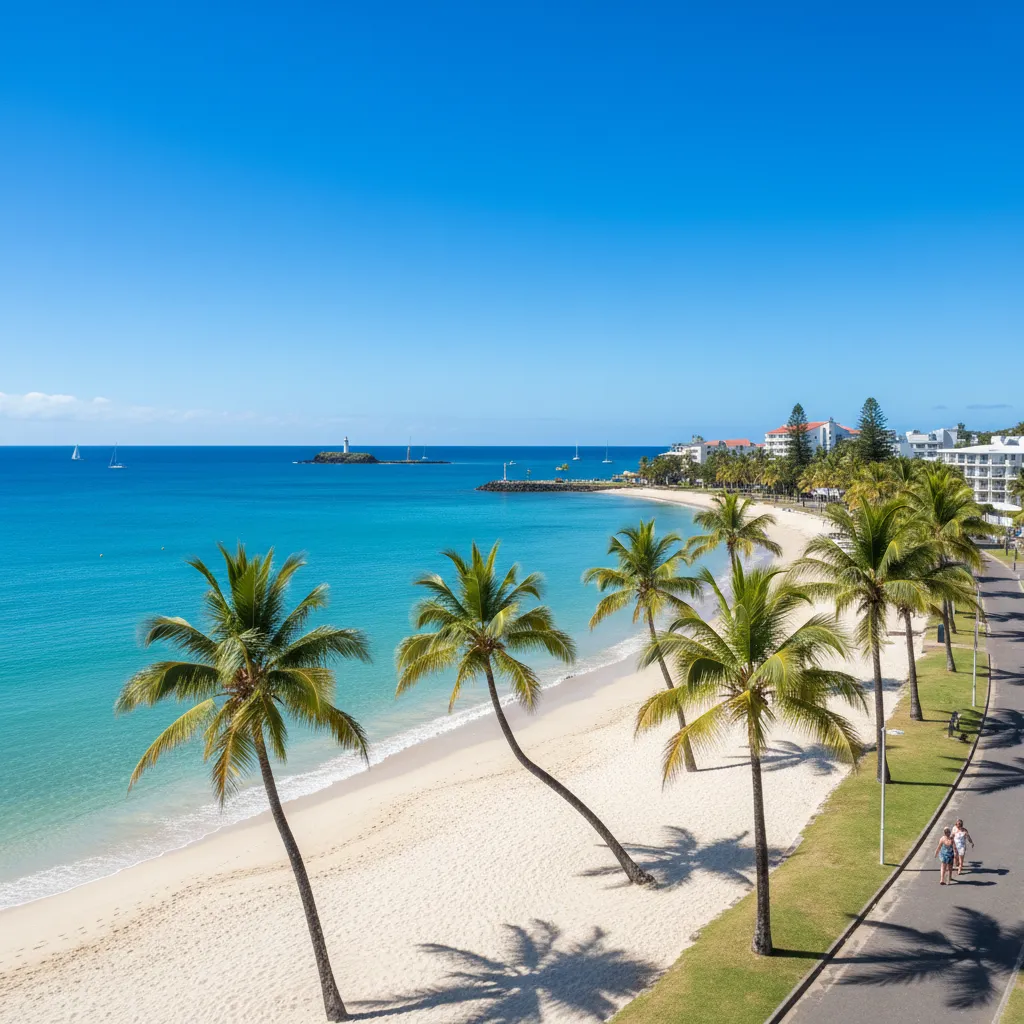
Rainfall in July is statistically among the lowest of the year. While brief tropical showers can occur, they are usually fleeting and serve to refresh the lush vegetation rather than dampen holiday plans. For those escaping the persistent rain of Wellington or the frosts of Christchurch, the reliability of the Noumea sun is a significant drawcard. The UV index remains high even in winter, so sun protection is still a necessity, though the bite of the sun is less aggressive than in the peak of summer.
Is the Water Warm Enough for Swimming in July?
One of the most common questions for New Zealanders is whether the ocean remains swimmable. The lagoon surrounding Noumea is protected by the world’s second-largest barrier reef, which helps maintain relatively stable water temperatures. In July, the sea temperature sits around 21°C to 22°C. While this might feel slightly brisk to those used to the bath-like waters of Fiji in summer, it is significantly warmer than any New Zealand beach during the same period. Most visitors find it perfectly comfortable for a quick dip or snorkeling, though those planning long sessions in the water might prefer a thin 2mm spring suit.
The Hot Season (December-February): Tropical Intensity
If your preference leans toward high heat and humidity, the period from December to February is the peak of the tropical summer in New Caledonia. During these months, Noumea transforms into a truly tropical environment. Temperatures frequently climb above 30°C, and the humidity levels can make the air feel much heavier. This is the time when the “Alizés” (trade winds) are most welcome, providing a necessary breeze to cool the coastal areas.

However, the hot season also coincides with the wet season. This is when New Caledonia receives the bulk of its annual rainfall, often in the form of dramatic afternoon thunderstorms. More importantly, this is the official cyclone season for the South Pacific. While direct hits are relatively rare, tropical depressions can cause several days of heavy rain and wind, which can disrupt flight schedules and boat transfers to the outer islands like the Isle of Pines or Lifou.
For New Zealanders, this season offers the classic “tropical island” heat that many crave during the Christmas break. The water is exceptionally warm, often reaching 27°C, making it the best time for extended snorkeling and diving sessions. The downside is the price; as this coincides with both French and Australian/New Zealand school holidays, accommodation rates are at their peak and availability can be scarce.
Shoulder Season Value (May & October): The Sweet Spot
For the savvy traveler looking for a balance between price, weather, and crowds, the shoulder seasons of May and October are often considered the best times to visit Noumea. In May, the intense heat of summer has dissipated, but the water remains warm from the preceding months. The landscape is incredibly lush following the summer rains, and the tourist crowds have thinned out after the Easter holidays.
October is perhaps the hidden gem of the New Caledonian calendar. It marks the transition from the dry season back into the warmer months. You get the benefit of the clear skies and low rainfall characteristic of the winter, but with temperatures beginning to climb back into the mid-20s. It is often the driest month of the year, making it the safest bet for those planning outdoor weddings or extensive hiking trips in the Blue River Provincial Park.
Why Shoulder Seasons Save You Money
From a financial perspective, May and October often see lower airfares from carriers like Air New Zealand and Aircalin. Hotels in Noumea, particularly around the popular Baie des Citrons and Anse Vata areas, are more likely to offer “stay 5, pay 4” deals or inclusive breakfast packages during these windows. For Kiwis, this represents the best value for money, allowing for a luxury experience at a mid-range price point.
Wind Conditions for Watersports vs Relaxing
The weather in Noumea is heavily influenced by the Trade Winds, known locally as the Alizés. Understanding these winds is crucial for planning your daily activities. Generally, the winds blow from the east/south-east. In July, these winds are consistent and can reach speeds of 15 to 25 knots. This makes Noumea a world-class destination for windsurfing and kitesurfing during the winter months.
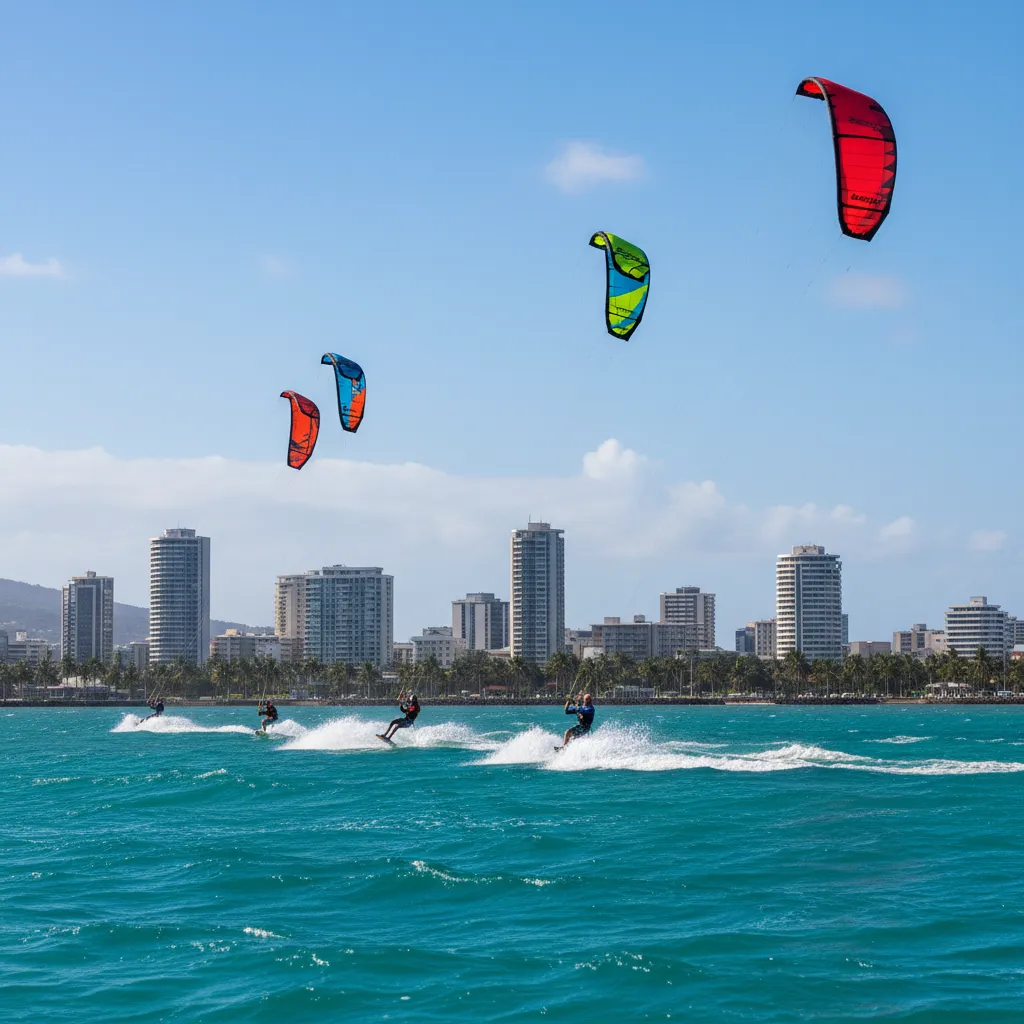
If your goal is relaxing on the beach with a book, the wind can be a factor. Anse Vata is the most wind-exposed beach in Noumea; while it is beautiful, it can get quite breezy in the afternoons. For a more sheltered experience during the windier July days, head to Baie des Citrons. This bay is naturally protected by the surrounding hills, offering calmer waters and a more tranquil environment for sunbathing and swimming.
Impact on Island Excursions
Wind conditions also dictate the feasibility of day trips to the smaller islets like Îlot Maître or Îlot Amédée. While the large catamarans handle the chop well, smaller water taxis can be a bumpy ride when the trade winds are pumping in July. It is always advisable to book your island excursions for the morning, as the winds typically intensify in the early afternoon. Clear, calm mornings followed by breezy afternoons are the standard pattern for July weather in Noumea.
Packing Essentials for Noumea in July
Packing for Noumea in July requires a bit more thought than a standard summer trip. Because the temperatures drop once the sun goes down, a “layering” strategy is essential. During the day, standard summer attire like shorts, t-shirts, and sundresses are perfect. However, for evening dining along the waterfront, you will definitely want a light sweater, a denim jacket, or a pashmina.

Footwear is another consideration. Noumea is a very walkable city, but the terrain can be uneven. Comfortable walking shoes or sturdy sandals are a must. If you plan on exploring the reef or visiting the more rugged beaches on the East Coast, a pair of reef shoes is indispensable to protect your feet from coral and stonefish. Lastly, don’t forget a high-quality raincoat. Even in the dry season, a passing tropical shower can catch you off guard, and a lightweight, breathable shell is much more practical than an umbrella in the breezy conditions.
Strategic Travel Tips for New Zealanders
To make the most of the weather in Noumea in July, timing is everything. Try to align your visit with the French national holiday, Bastille Day (July 14th). The weather is usually spectacular, and the city comes alive with military parades, fireworks over the harbor, and public balls (Bals Populaires). It offers a unique opportunity to experience French culture in the heart of the Pacific.
Another tip for Kiwis is to monitor the “L’Alizé” wind forecast apps. If you see a day with particularly low wind predicted, that is the day to book your boat trip to the Amedee Lighthouse. On high-wind days, stay on the mainland and explore the Tjibaou Cultural Centre or the local markets in Port Moselle, which are sheltered and provide a deep dive into the Kanak heritage and local produce.
Is July a good time to visit Noumea?
Yes, July is an excellent time to visit. It offers the most stable weather of the year with mild temperatures and the lowest rainfall, making it a perfect escape from the New Zealand winter.
What is the average temperature in Noumea in July?
The average daytime high is approximately 23°C, while the overnight low typically settles around 17°C. It is pleasantly warm during the day but requires a light jacket at night.
Can you swim in Noumea in July?
Yes, the water temperature is around 21°C to 22°C. While cooler than the summer peak, it is still comfortable for swimming and snorkeling, especially for those accustomed to NZ ocean temperatures.
Does it rain a lot in Noumea during July?
No, July is part of the dry season. While short tropical showers can occur, they are infrequent and usually do not disrupt travel plans or outdoor activities.
Is Noumea expensive for New Zealanders?
Noumea can be more expensive than other Pacific destinations like Fiji or Rarotonga because it uses the Pacific Franc (XPF), which is pegged to the Euro. However, visiting in the July shoulder-peak period can offer better value than the high summer season.
How long is the flight from New Zealand to Noumea?
The flight from Auckland to Noumea is approximately 3 hours, making it one of the closest and most accessible international tropical destinations for Kiwis.