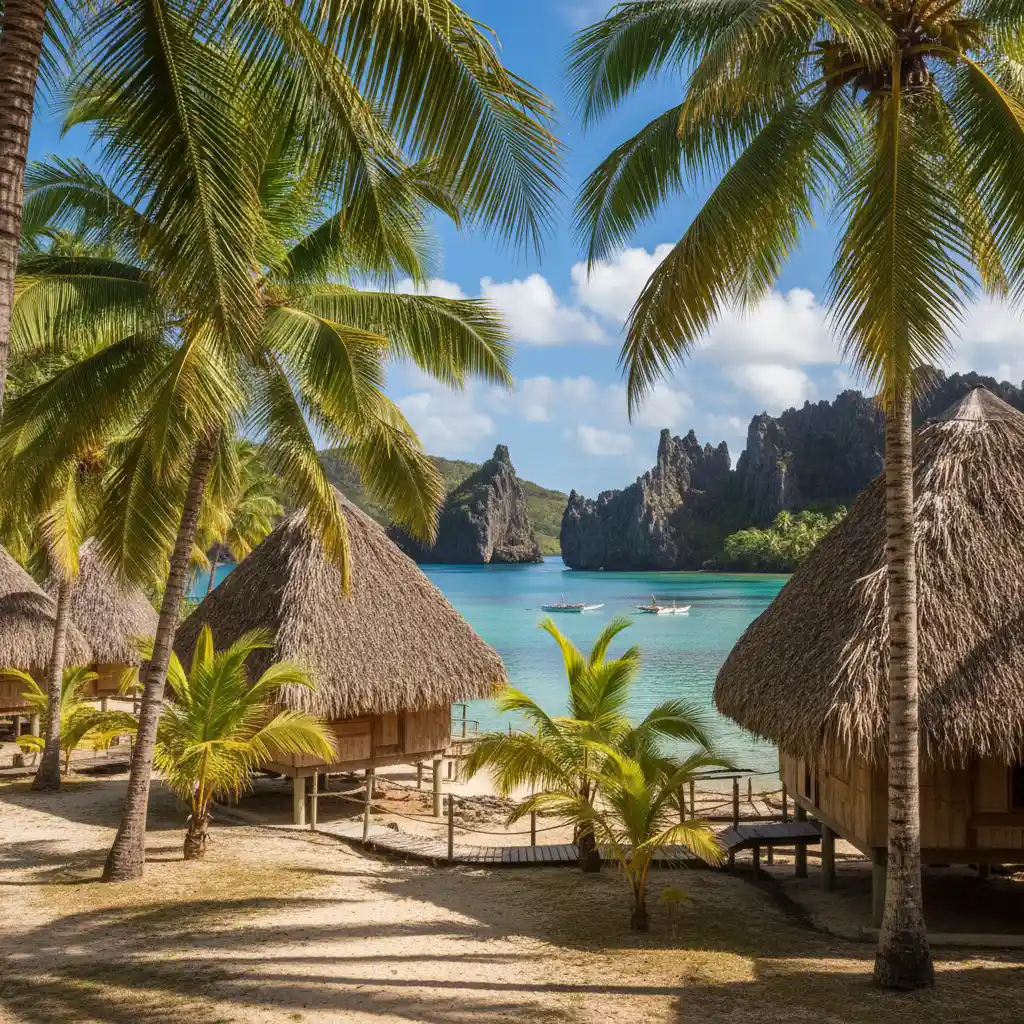
Poum New Caledonia tourism offers an off-the-beaten-path experience at the northernmost tip of the main island, Grande Terre. Known for its rugged landscapes, turquoise waters at the Boat Pass, and unique biodiversity like wild horses and salt flats, it provides a tranquil escape for travelers seeking authentic Melanesian culture and untouched natural beauty.
Driving to the Northernmost Tip of Grande Terre
The journey to Poum is as much a part of the experience as the destination itself. For travelers coming from New Zealand, arriving in Nouméa is just the beginning. To reach the true “Far North,” one must embark on a scenic drive that spans approximately 430 kilometers. This road trip takes you through the diverse heart of New Caledonia, transitioning from the bustling capital to the rolling cattle country of the West Coast, often referred to as the “Californian” side of the island.
As you head north on Route Territoriale 1 (RT1), the landscape begins to transform. The lush, tropical vegetation of the south gives way to vast savannahs dotted with Niaouli trees, whose bark is used for medicinal oils. For Kiwis used to the winding roads of the Coromandel or the Southern Alps, the drive is relatively straightforward but long, typically taking between 5 to 6 hours. It is highly recommended to break the journey in towns like Koné or Voh, where you can witness the famous “Heart of Voh”—a natural mangrove formation made world-famous by photographer Yann Arthus-Bertrand.

The final stretch toward Poum is where the magic truly happens. The red earth, rich in nickel and iron, creates a striking contrast against the emerald green of the hills and the deep cerulean of the Pacific Ocean. As you cross the bridge over the Diahot River—the longest river in New Caledonia—you enter the municipality of Poum, a region where time seems to slow down and the spirit of the ‘Brousse’ (the bush) is most palpable.
The Boat Pass: Where Land Ends and the Lagoon Begins
At the very tip of Grande Terre lies the Boat Pass, or “Le Passage d’Amos.” This narrow channel of water separates the mainland from the northern islands, including Île Baaba and Île Pott. For those engaged in Poum New Caledonia tourism, this is the ultimate geographical milestone. Standing at the edge of the Boat Pass, you feel as though you have reached the edge of the world.
The currents here can be incredibly strong, as the tide rushes through the gap between the islands. While swimming directly in the pass is not advised due to these currents, the views are spectacular. The water transitions through every imaginable shade of blue, from pale turquoise over the sandy shallows to a deep navy in the channel’s depths. It is a popular spot for local fishermen, and you will often see small boats navigating the passage to reach the remote fishing grounds of the northern lagoon, which is a UNESCO World Heritage site.
The Boat Pass is also a place of historical significance. It has served as a vital maritime route for centuries, used by local Kanak populations for inter-island trade and later by European explorers and traders. Today, it remains a symbol of the connection between the land and the sea that defines the New Caledonian way of life.
The Pristine Beaches of Poingam
A short drive from the main village of Poum leads you to the Poingam Peninsula. Here, the coastline opens up into a series of secluded bays and white sand beaches that rival any in the South Pacific. Unlike the more developed beaches of Nouméa or the Isle of Pines, the beaches of Poingam offer a raw, unmanicured beauty.
Plage de Poingam is the most famous of these. Its calm waters are protected by the surrounding reef, making it an ideal spot for snorkeling and kayaking. The underwater world here is vibrant, with coral gardens teeming with tropical fish, sea turtles, and occasionally, reef sharks. For New Zealand visitors, the lack of crowds is a major drawcard; it is not uncommon to have an entire stretch of pristine sand all to yourself.
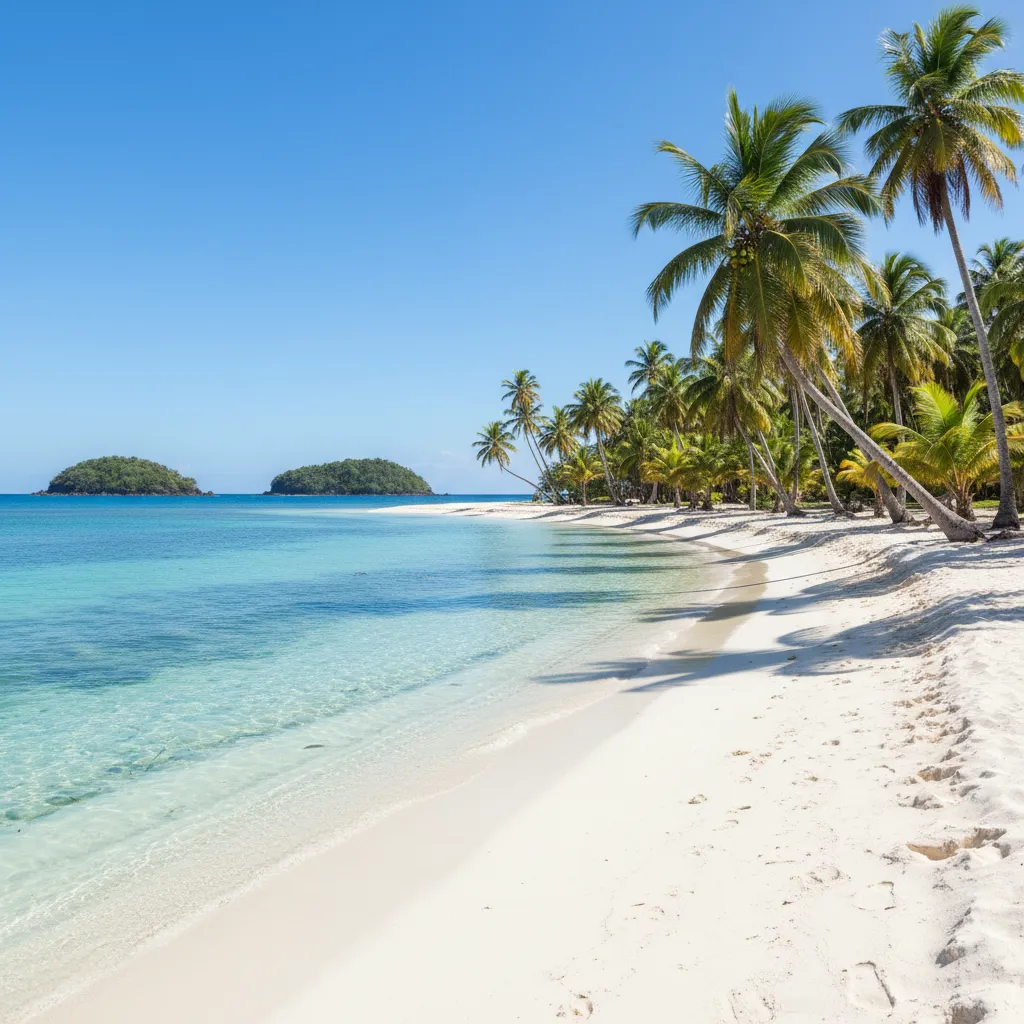
The beaches are fringed by dry forest and coastal shrubs, providing a unique habitat for local birdlife. Walking along the shoreline at sunset is a highlight of any trip to Poum. The sun dips below the horizon, casting a golden glow over the lagoon and highlighting the silhouettes of the distant northern islands. It is a moment of pure serenity that captures the essence of the Far North.
Relais de Poingam: The Ultimate Eco-Tourism Experience
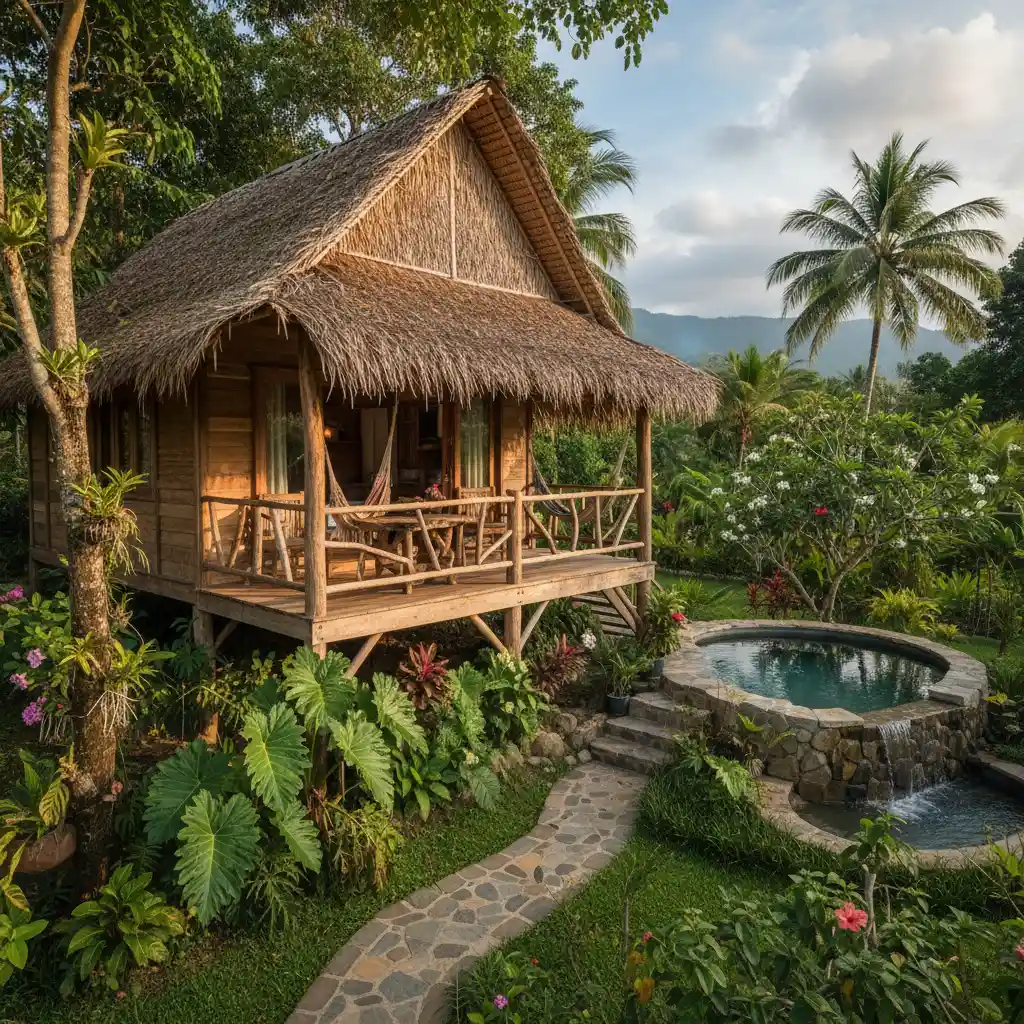
When it comes to accommodation in the region, the Relais de Poingam is an institution. This eco-lodge is more than just a place to sleep; it is a destination in its own right. Built with local materials and designed to blend seamlessly into the environment, the lodge offers a rustic yet comfortable experience that aligns perfectly with the ethos of Poum New Caledonia tourism.
The bungalows (farés) are scattered throughout the property, providing privacy and a sense of immersion in nature. One of the unique features of the Relais is its commitment to sustainability. They produce their own electricity through solar power and have an on-site distillery where they extract essential oils from local Niaouli and sandalwood trees. Guests can even enjoy a therapeutic mud bath using clay harvested from the nearby salt flats.
Dining and Local Flavours at the Table d’Hôte
The culinary experience at Relais de Poingam is legendary. Their “table d’hôte” serves traditional New Caledonian cuisine with a focus on local ingredients. Expect to dine on fresh seafood caught in the lagoon, venison from the local hills, and tropical fruits grown on the property. The communal dining style encourages interaction between guests, creating a warm and welcoming atmosphere. For Kiwis, it’s a fantastic way to learn about the local culture and share stories with fellow travelers over a glass of French wine or a local Number One beer.
Wild Horses and the Salt Flats of Kô
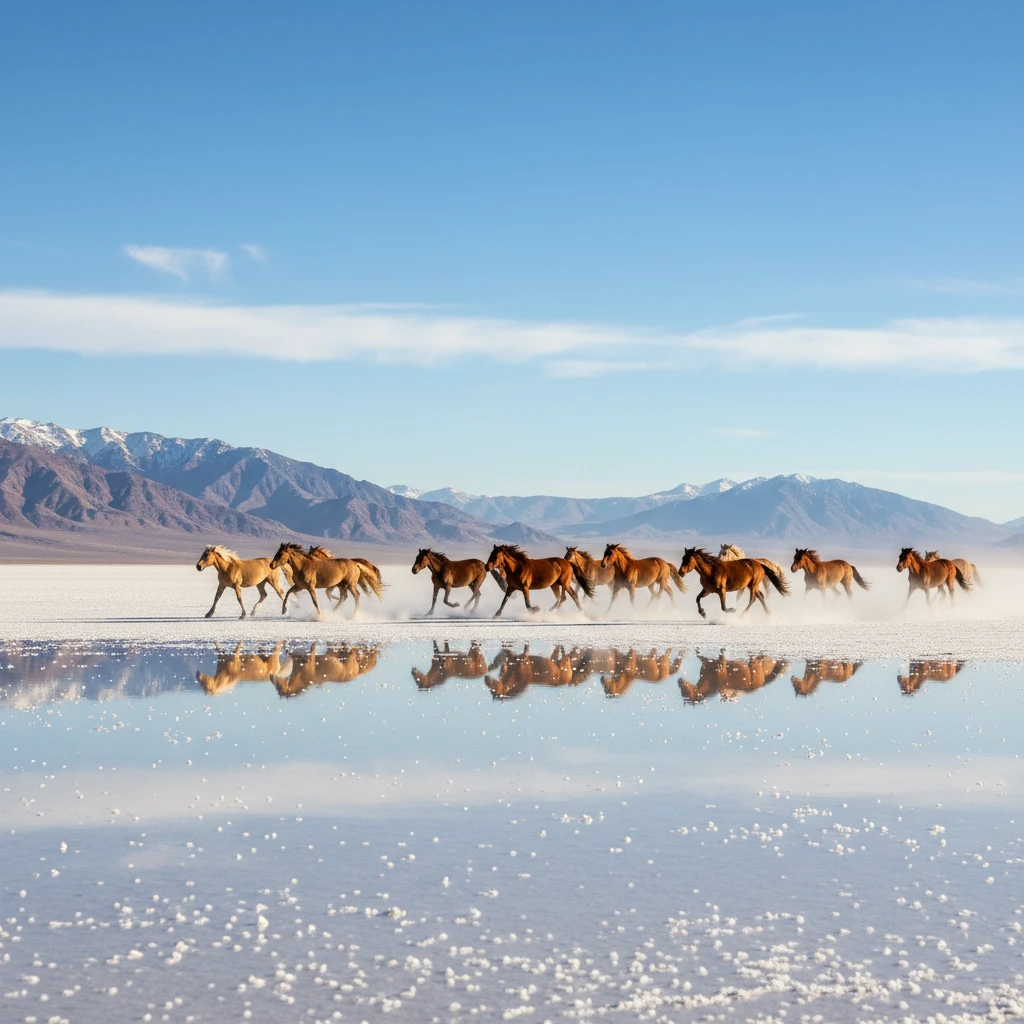
One of the most unexpected sights in Poum is the presence of wild horses. These majestic animals roam freely across the plains and hills of the northern peninsula. Descended from horses brought to the island by early settlers and the military, they have adapted to the rugged terrain and have become a symbol of the region’s wild spirit. Seeing a herd of horses galloping across the red earth with the blue ocean in the background is a truly cinematic experience.
The landscape of Poum is also defined by its salt flats, particularly the Marais Salants de Kô. These flats are a result of the unique geological and climatic conditions of the north, where low rainfall and high evaporation rates allow salt to crystallize naturally. The salt produced here is highly prized for its purity and is used in kitchens throughout New Caledonia.
Visitors can take a guided tour of the salt flats to learn about the traditional harvesting methods. The area is also a haven for birdwatchers, as the saline environment attracts a variety of migratory species. The contrast between the white salt crust, the red soil, and the green mangroves creates a surreal and photogenic landscape that is unlike anywhere else on the island.
Practical Tips for New Zealand Travelers
Planning a trip from New Zealand to Poum requires some logistical preparation. Since Poum is a remote destination, self-sufficiency is key. Here are some essential tips for a smooth journey:
- Car Rental: A rental car is essential. While the main roads are paved, a 4WD or an SUV is recommended if you plan to explore the more rugged tracks leading to hidden beaches or the salt flats. Ensure you pick up your vehicle at La Tontouta International Airport upon arrival.
- Currency and Payments: The currency is the CFP Franc (XPF). While major establishments like Relais de Poingam accept credit cards, it is wise to carry cash for smaller local shops and markets in the north.
- Language: French is the official language. While staff at the main tourist lodges usually speak some English, learning a few basic French phrases will greatly enhance your interaction with the locals.
- Supplies: Stock up on essentials like water, snacks, and sunscreen in Nouméa or Koné, as options in Poum itself are limited. There is a small grocery store in the village, but the selection is modest.
- Connectivity: Mobile coverage can be spotty in the Far North. It is advisable to download offline maps (like Google Maps or Maps.me) before heading out of Nouméa.
- Respecting the Land: Much of the land in the north is customary Kanak land. Always stay on marked paths and, if you wish to visit a tribal area or a secluded spot not explicitly marked for tourists, it is polite to ask permission or perform a small ‘coutume’ (a traditional gesture of respect, usually involving a small gift like a piece of cloth or a 1000 XPF note).
Poum New Caledonia tourism offers a rare opportunity to disconnect from the modern world and reconnect with nature. For the adventurous New Zealander, it is a destination that rewards curiosity and a love for the outdoors. Whether you are standing at the Boat Pass, watching wild horses at dawn, or enjoying the hospitality of the Relais de Poingam, the Far North will leave an indelible mark on your soul.
People Also Ask
Is Poum worth the drive from Noumea?
Yes, for travelers seeking untouched nature and a quiet escape, the drive to Poum is highly rewarding. The landscape changes dramatically, offering a unique look at the