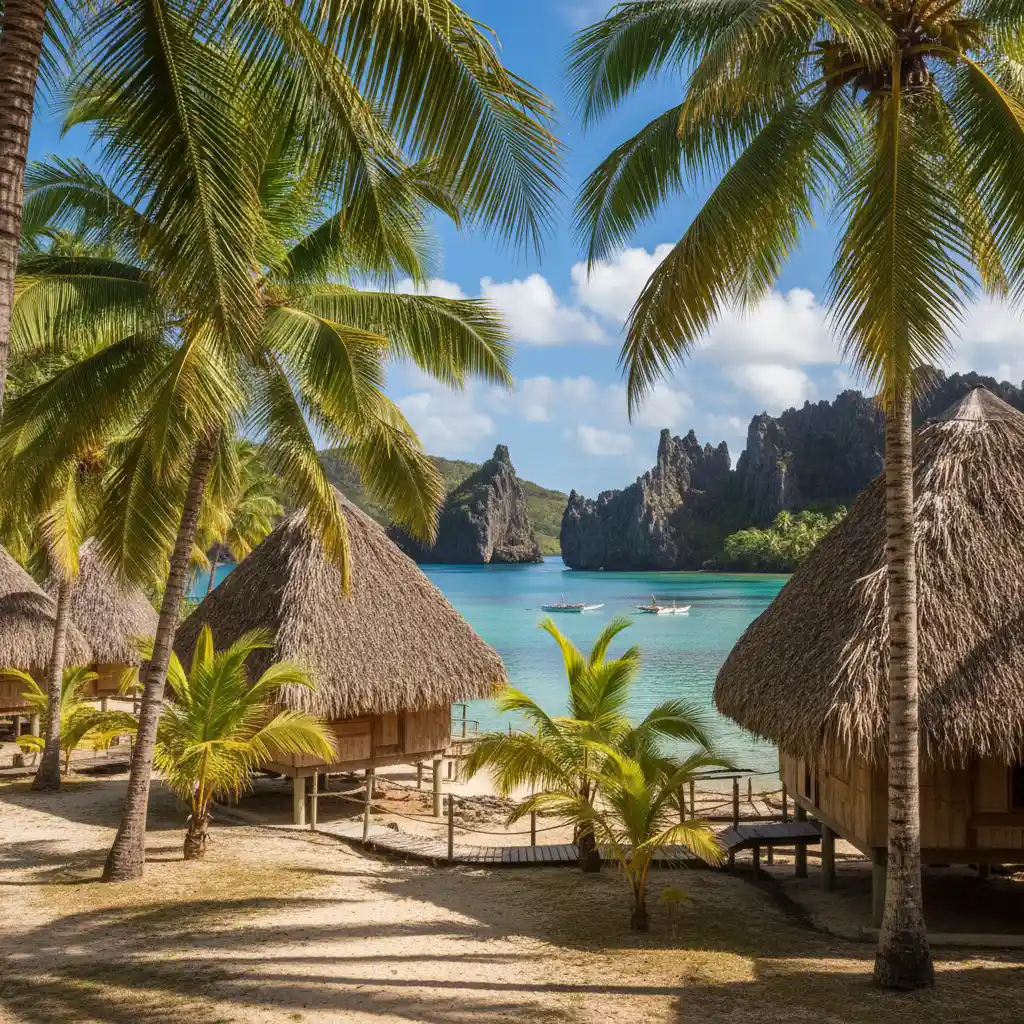
An authentic Kanak experience in the North Province of New Caledonia is a deep cultural immersion where visitors stay with indigenous tribes (accueil en tribu). It involves participating in ‘La Coutume’ (gift-giving rituals), sleeping in traditional ‘cases’ (huts), sharing communal Bougna meals, and engaging in ancestral activities like yam farming and reef fishing within the North’s rugged landscapes.
How do North Province homestays differ from the Loyalty Islands?
For New Zealand travelers seeking an authentic Kanak experience in the North Province, it is essential to understand the geographical and cultural distinctions between the ‘Mainland’ (Grande Terre) and the Loyalty Islands (Lifou, Maré, and Ouvéa). While both offer tribal hospitality, the North Province provides a more rugged, mountainous, and river-centric experience compared to the white-sand atolls of the islands.
The Rugged Heart of Grande Terre
The North Province is defined by the Central Mountain Range (Chaîne Centrale), which creates a dramatic backdrop of emerald peaks and deep valleys. Tribal stays here often focus on the relationship between the mountains and the sea. You might find yourself staying in a valley where the morning mist clings to the forest, or on a riverbank where the freshwater meets the lagoon. The architecture of the ‘Grande Case’ (Great House) in the North often reflects these mountain influences, using local timber and bark that differs slightly from the palm-heavy constructions found on the coast of the Loyalty Islands.

A More Isolated and Untouched Feel
While the Loyalty Islands are world-renowned for their beaches, the North Province offers a sense of ‘frontier’ exploration. The East Coast, in particular, is lush and tropical, receiving more rainfall than the West, which results in vibrant gardens and dense forests. Staying with a tribe in the North often feels more integrated into the daily agricultural cycle of the mainland, where the connection to the land (the ‘terroir’) is the primary focus of identity.
What can you expect when participating in daily life and fishing?
An authentic Kanak experience in the North Province is not a spectator sport; it is an invitation to participate. Unlike a resort where activities are scheduled for entertainment, tribal life follows the rhythm of the seasons and the needs of the community. Visitors are frequently invited to join their hosts in the fields or on the water.
The Sacred Role of the Yam
Agriculture is the backbone of Kanak culture, and the yam (igname) is its most sacred element. Depending on the time of year, you may be invited to help clear land, plant tubers, or participate in the harvest. This is a profound way to understand the social hierarchy and spiritual beliefs of the tribe, as the yam is seen as a living ancestor. Learning how to handle the soil and understanding the rituals associated with the harvest provides a level of insight that no museum can replicate.
Traditional Fishing Techniques
On the coast, fishing is a daily necessity and a skilled art form. You might join the local youth for ‘pêche à l’épervier’ (cast net fishing) in the estuaries or head out to the reef in a small boat. In the North, spearfishing is also common, particularly for lobster and coral trout. Participating in these activities teaches you about the ‘taboo’ areas of the lagoon—zones where fishing is temporarily banned to allow stocks to replenish—showcasing the Kanak people’s ancient and effective conservation methods.
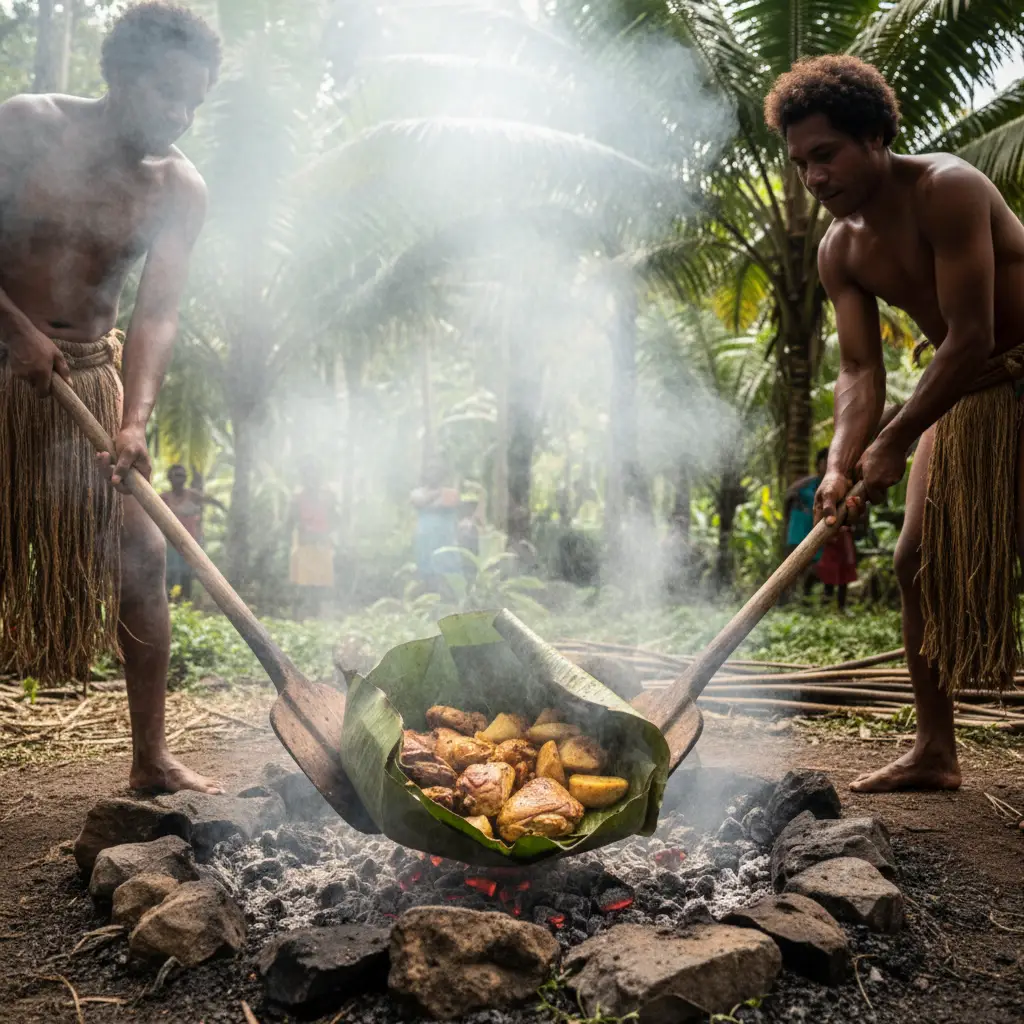
The Preparation of the Bougna
The culinary highlight of any tribal stay is the Bougna. This traditional dish consists of chicken, fish, or lobster mixed with yams, sweet potatoes, bananas, and coconut milk, all wrapped in banana leaves. The bundle is then buried in an earth oven (four kanak) heated by hot stones. Helping to gather the leaves, grate the coconuts, and prepare the stones is an integral part of the experience. The slow-cooking process provides ample time for storytelling and conversation with your hosts.
Which tribes provide the best experience near Hienghène?
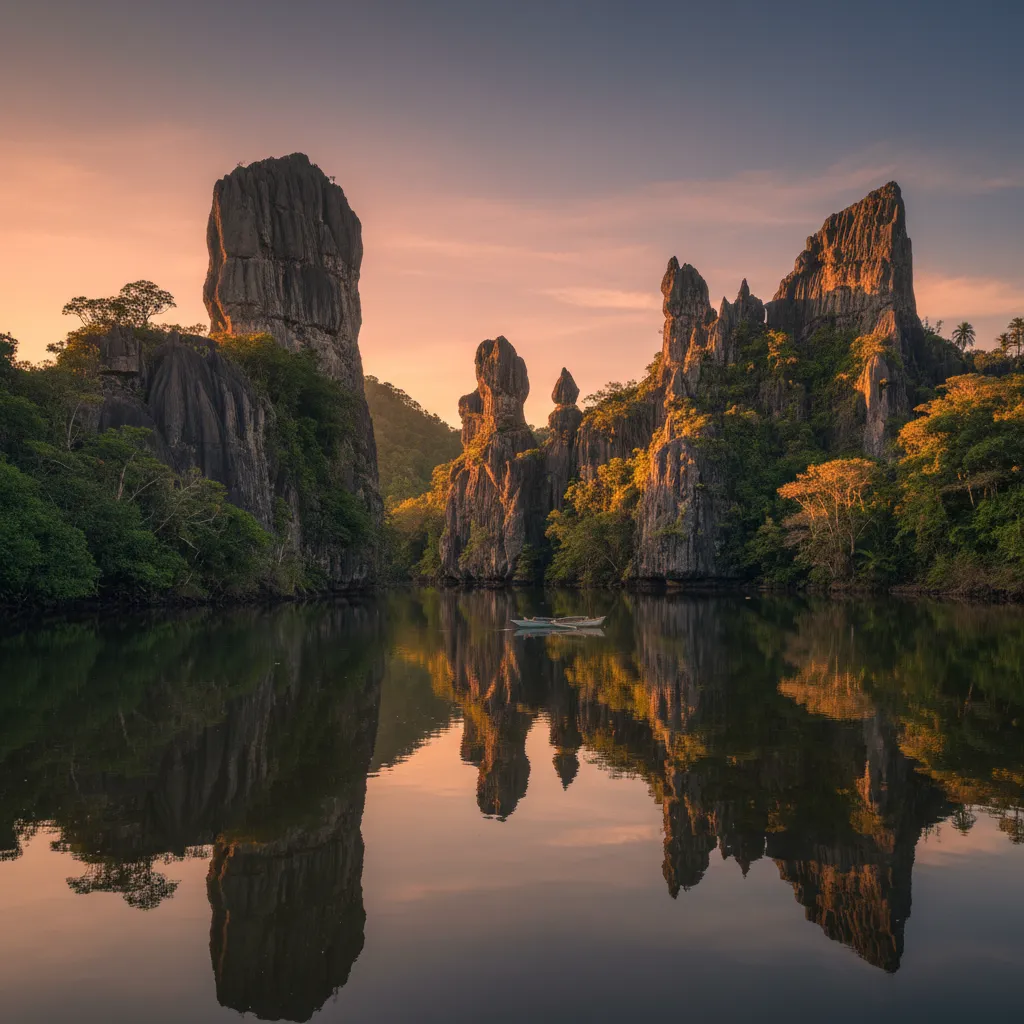
Hienghène is the cultural heart of the North Province, famous for its black limestone ‘Hen’ rock and its deep-rooted Kanak traditions. It was the home of Jean-Marie Tjibaou, a pivotal figure in New Caledonian history, making it a significant site for cultural tourism.
Tribu de Lindéralique
Located just south of the main village, the Lindéralique tribe is situated amidst spectacular limestone cliffs. This tribe offers some of the most visually stunning tribal stays in the region. Staying here allows you to explore the mangroves by kayak and learn about the local legends associated with the towering rock formations. The hospitality is warm, and the proximity to the Hienghène lagoon makes it an excellent choice for those who enjoy water-based activities.
Tribu de Ténane
For a more mountain-oriented experience, the Ténane tribe offers a look into the ‘highlands’ of the North. The air is cooler here, and the focus is heavily on forest foraging and mountain agriculture. The views over the valleys are breathtaking, and the tribe is known for its expertise in traditional medicinal plants. It is a peaceful retreat that feels worlds away from the modern world.
Which tribes should you visit near Poindimié?
Poindimié is often cited as the most beautiful town on the East Coast, known for its lush vegetation and excellent diving. The tribes in this area are deeply connected to the rivers that flow from the mountains to the sea.
Tribu de Napoémien
The Napoémien tribe is highly regarded for its structured cultural tours. They have developed a wonderful ‘sentier botanique’ (botanical path) where they teach visitors about the uses of various endemic plants. The tribal stay here is well-organized, often including guided walks to hidden waterfalls and detailed explanations of the ‘Grande Case’ architecture. It is a perfect entry point for those new to tribal stays.
Tribu d’Amoa
Located in the Amoa Valley, this tribe offers an immersive experience in one of the most fertile regions of the North. The valley is famous for its fruit production, and a stay here often involves tasting a variety of tropical fruits straight from the tree. The Amoa River is central to life here; you can swim in its clear waters or watch the locals gather freshwater prawns. The sense of community is palpable, and the hosts are typically very eager to share their history and customs.
How do you navigate language barriers and cultural etiquette?
For New Zealanders, the prospect of staying with a French-speaking indigenous tribe can be daunting, but with a little preparation and respect for ‘La Coutume’, these barriers quickly dissolve.
Understanding ‘La Coutume’
The most important aspect of an authentic Kanak experience in the North Province is ‘La Coutume’. This is a traditional act of respect performed when entering tribal land. It involves a small symbolic gift given to the host or the chief. Traditionally, this included a piece of cloth (manou), tobacco, and a small banknote (usually 500 or 1000 CFP). Today, the money and the cloth remain the standard. When you arrive, you should present your gift and briefly explain who you are and why you are visiting. It is not about the value of the gift, but the gesture of acknowledging that you are a guest on their ancestral land.

Bridging the Language Gap
While French is the official language and various Kanak languages (like Paicî or Hienghène) are spoken within the tribes, English is not widely used in the rural North. However, the warmth of Kanak hospitality transcends language. Learning a few basic French phrases is highly recommended. Words like ‘Bonjour’ (Hello), ‘Merci’ (Thank you), and ‘C’est délicieux’ (It’s delicious) go a long way. Many hosts are patient and will use gestures or simple French to communicate. Bringing a small French-English phrasebook or a translation app can be helpful, but the best way to connect is through shared activities like cooking or gardening.
Practical Tips for New Zealand Travelers
Traveling from Auckland to Nouméa is a short three-hour flight, making the North Province an accessible yet exotic destination for Kiwis. Once in Nouméa, a rental car is the best way to reach the North. The drive to Hienghène or Poindimié takes approximately 5 to 6 hours. The roads are generally good, but the winding mountain passes (les transversales) require careful driving.
What to Pack for a Tribal Stay
Tribal stays are modest. You should pack light, breathable clothing, but also include a sweater for the cooler mountain evenings. A good pair of walking shoes or sandals with grip is essential for river crossings and garden visits. Don’t forget insect repellent and a torch, as lighting in the traditional huts can be dim. Most importantly, bring an open mind and a respectful attitude. You are not just a tourist; you are a guest in a living community.
An authentic Kanak experience in the North Province is a journey into the soul of New Caledonia. It is a chance to disconnect from the digital world and reconnect with the land, the sea, and a culture that has thrived for millennia. By stepping outside the resort bubble and into the ‘case’, you will discover a side of the Pacific that is raw, beautiful, and profoundly moving.
Do I need to speak French for a tribal stay?
While not strictly required, knowing basic French phrases significantly enhances the experience, as English is rarely spoken in the North Province tribes.
What is ‘La Coutume’ in New Caledonia?
‘La Coutume’ is a traditional gesture of respect where guests present a small gift (typically a 1000 CFP note and a piece of cloth) to their tribal hosts upon arrival.
How much does a tribal stay cost?
Prices vary, but generally, a night in a traditional hut with dinner and breakfast ranges from 6,000 to 9,000 CFP (approx. $80-$120 NZD) per person.
Are tribal stays suitable for children?
Yes, Kanak culture is very family-oriented, and children often enjoy the freedom, nature, and interaction with local kids during a tribal stay.
What is the best time of year to visit the North Province?
The cool, dry season from May to October is ideal, offering pleasant temperatures for hiking and fewer mosquitoes.
What should I bring as a gift for the tribe?
A ‘Manou’ (piece of bright fabric) and a small banknote (500 or 1000 CFP) are the standard gifts for the Coutume ceremony.