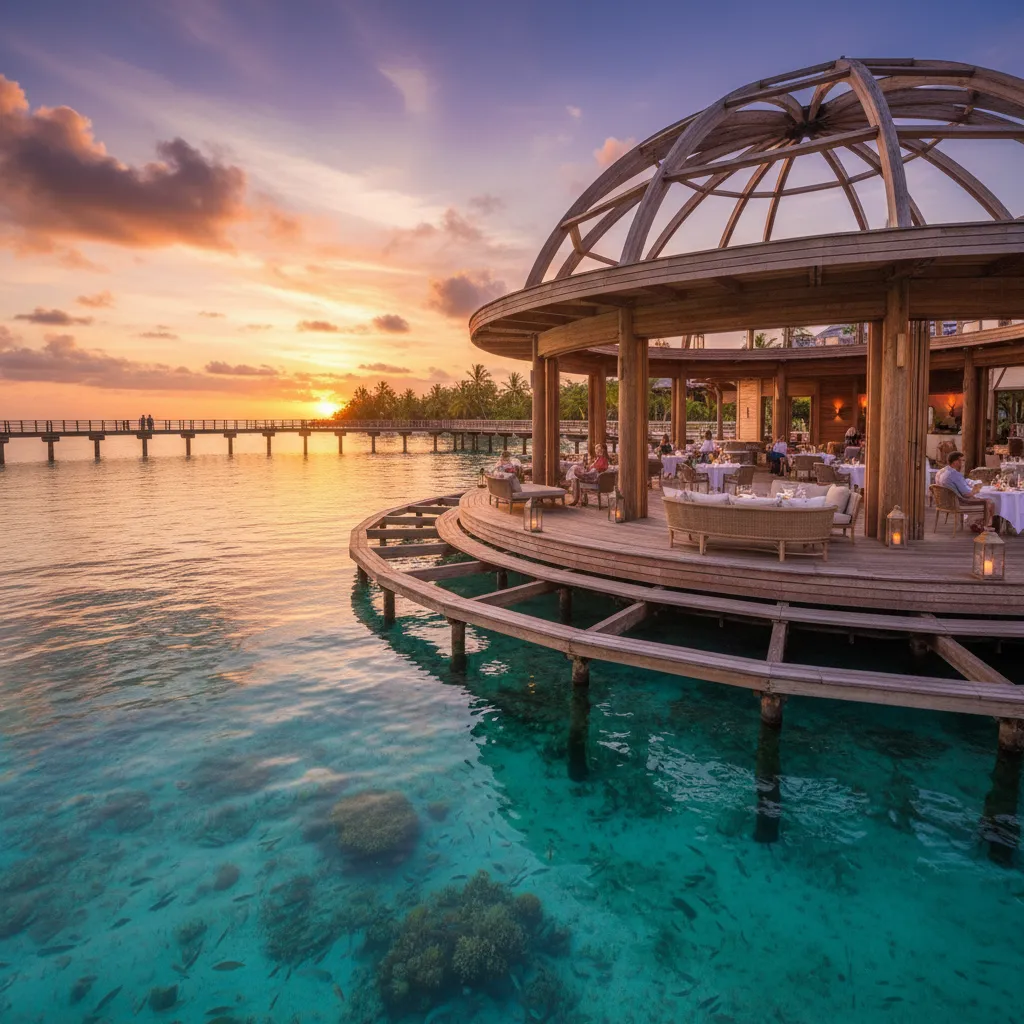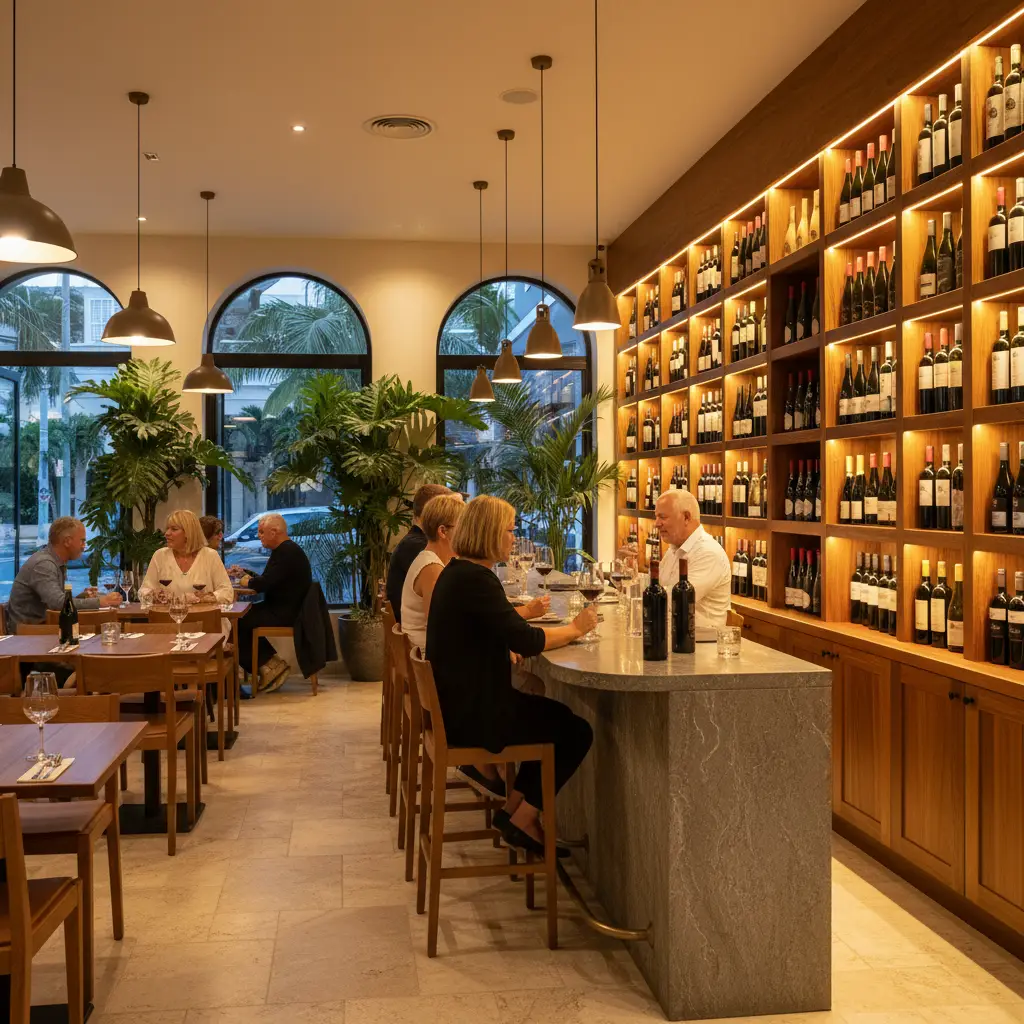
The best seafood restaurants in Noumea include Le Miretti-Gascon, Marmite et Tire-Bouchon, and L’Hippocampe. These establishments specialize in fresh, local ingredients like the world-famous blue prawn and lagoon fish. For the ultimate experience, visit the Baie des Citrons or Anse Vata areas, where top-tier seafood platters and French-Pacific fusion cuisine define the culinary landscape.
The Famous New Caledonian Blue Prawn: A Rare Delicacy
When discussing the culinary identity of New Caledonia, one cannot overlook the extraordinary New Caledonian Blue Prawn, known scientifically as Litopenaeus stylirostris. For New Zealand travelers accustomed to the succulent King Prawns of the Pacific, the Blue Prawn offers a unique and elevated experience. This crustacean is not just a local staple; it is a global luxury export, often branded as “Obsiblue” in high-end Parisian and Tokyo markets. What sets this prawn apart is its distinct turquoise-blue hue, a result of the pristine, mineral-rich lagoon waters that surround the archipelago. These lagoons are part of a UNESCO World Heritage site, ensuring that the environment in which these prawns thrive is among the cleanest on the planet.
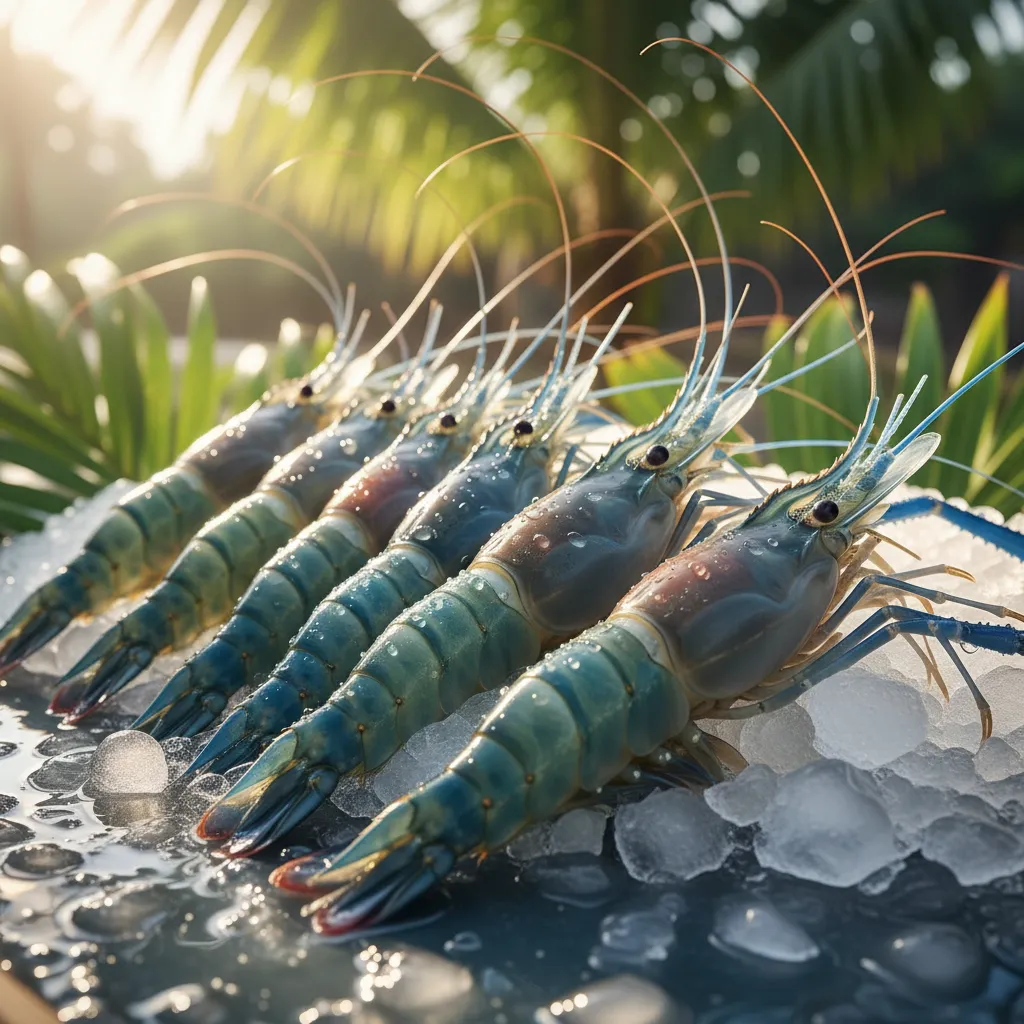
The flavor profile of the New Caledonian Blue Prawn is characterized by a delicate sweetness and a firm, snappy texture that holds up beautifully whether served raw or lightly seared. In Noumea’s top seafood restaurants, you will often find them prepared as sashimi or carpaccio to highlight their natural purity. However, the French influence in the region means they are also frequently sautéed in garlic butter (beurre d’ail) or flamed with pastis, a nod to Mediterranean traditions. For Kiwis visiting Noumea, tasting these prawns is a non-negotiable bucket-list item. They represent the perfect marriage of the Pacific Ocean’s bounty and French gastronomic refinement. The farming practices in New Caledonia are also highly sustainable, with low-density earthen ponds that mimic the natural ecosystem, ensuring that the prawns are free from antibiotics and growth hormones.
Best Seafood Platters in Town: A Feast for the Senses
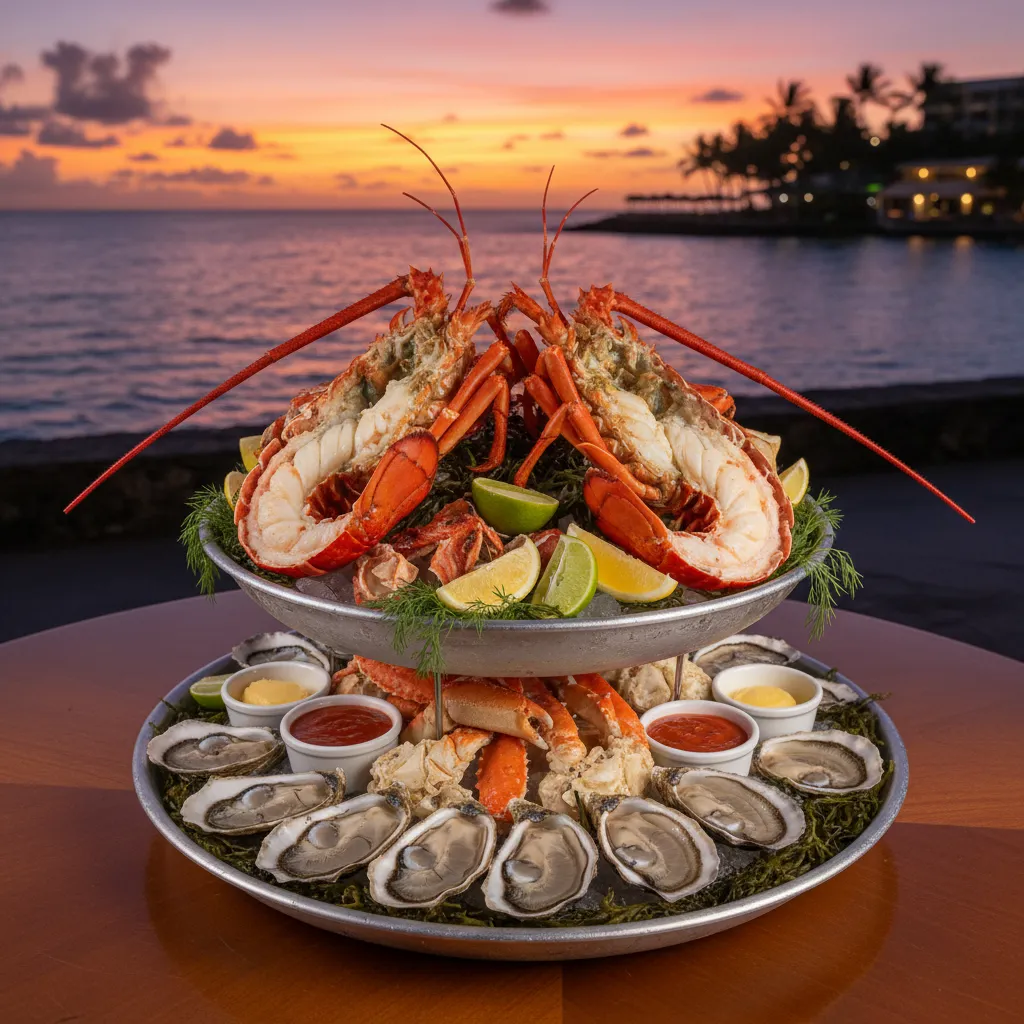
For those who want to sample everything the Coral Sea has to offer in one sitting, the “Plateau de Fruits de Mer” (seafood platter) is the ultimate choice. In Noumea, these platters are an architectural marvel, often presented on multi-tiered silver stands piled high with crushed ice. A typical high-end platter in a restaurant like Marmite et Tire-Bouchon or Le Roof will feature a combination of local and imported delicacies. You can expect to find local rock lobsters, mangrove crabs, the aforementioned blue prawns, and an assortment of bivalves including oysters from the Dumbea Bay and clams. The inclusion of French imports, such as whelks (bulots) and periwinkles, adds an authentic European touch that distinguishes the Noumea dining scene from other Pacific destinations.
Le Roof, situated on a pier over the lagoon in Anse Vata, offers perhaps the most atmospheric setting for a seafood feast. As you dine, you can look through glass floor panels to see fish swimming in the illuminated water below. Their seafood platters are legendary, often accompanied by a selection of house-made sauces such as a classic mignonette for the oysters, a rich aioli, and a spicy cocktail sauce. Another excellent venue is Marmite et Tire-Bouchon, located near the Baie des Citrons. This restaurant is favored by locals for its consistent quality and sophisticated wine list. Their approach to the seafood platter is slightly more contemporary, often incorporating smoked fish pâtés and marinated mussels. Sharing a platter is a social event in New Caledonia, usually enjoyed over a long lunch with a chilled bottle of Chablis or Sancerre, reflecting the relaxed yet refined lifestyle of the territory.
Le Miretti-Gascon Review: A Traditional Culinary Institution
How does Le Miretti-Gascon maintain its reputation? This restaurant is widely considered the soul of seafood dining in Noumea. Located in the historic Latin Quarter, Le Miretti-Gascon eschews the modern, flashy aesthetics of the waterfront bars in favor of a timeless, rustic French bistro atmosphere. The walls are adorned with nautical memorabilia, and the service is professional yet warm, reminiscent of a family-run establishment in Marseille. The menu is a love letter to the sea, focusing on traditional French techniques applied to the freshest local catch. It is the kind of place where the quality of the ingredient is never masked by over-complicated plating.
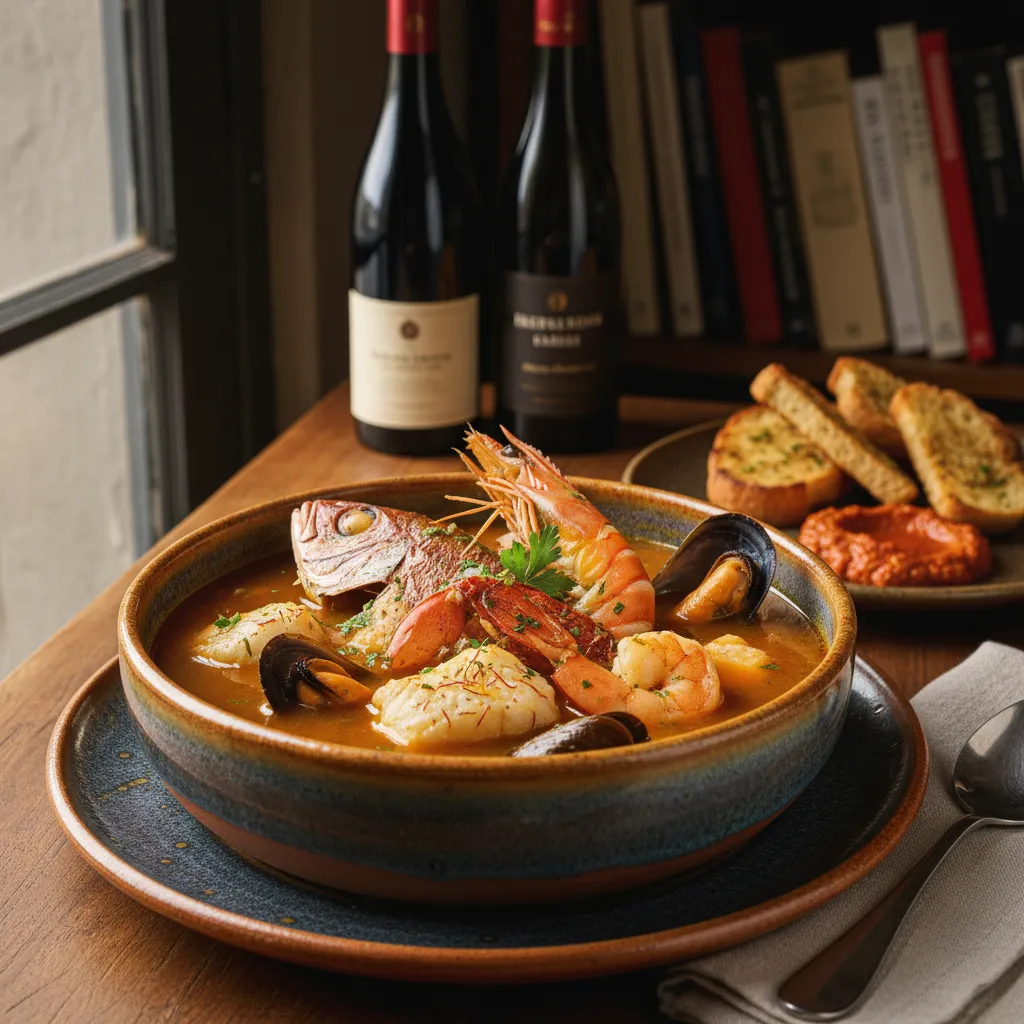
The signature dish at Le Miretti-Gascon is undoubtedly their Bouillabaisse. While this classic fish stew originated in the south of France, the Caledonian version is a revelation. It utilizes local reef fish, which provide a different depth of flavor compared to the Mediterranean varieties. The broth is rich, infused with saffron, fennel, and tomato, and served with a side of crispy croûtons and a potent rouille. Another standout is the “Assiette du Pêcheur,” a curated selection of the day’s best fish, perfectly grilled and served with a simple lemon butter sauce. For New Zealanders who appreciate the honesty of a well-cooked piece of fish, Le Miretti-Gascon offers a dining experience that feels both familiar and exotic. It is advisable to book well in advance, especially for dinner, as it remains a favorite for local celebrations and business lunches alike.
Seasonal Availability and Sustainability
Understanding the seasons is crucial for any seafood lover visiting Noumea. Unlike the consistent year-round availability of some farmed products, the best wild-caught seafood in New Caledonia follows the rhythms of nature and strict local regulations designed to protect the lagoon’s biodiversity. For instance, the lobster season is highly regulated. The local spiny lobster (langouste) is typically available from July through to the end of the year. During the spawning season, fishing is strictly prohibited to ensure future populations. When in season, these lobsters are a highlight of any menu, often served “à la Parisienne” with a light mayonnaise or simply grilled with herbs.
The mangrove crab, another local favorite, also has its peak season. These crabs are prized for their heavy, sweet meat and are often served in a spicy “Crabe de Palétuvier” curry, a dish that reflects the influence of the local Kanak and Indonesian communities. Beyond the crustaceans, the availability of certain reef fish can change with the trade winds and water temperatures. For example, Mahi-mahi (locally known as Dorade Coryphène) is most abundant during the warmer months. By choosing seasonal seafood, visitors not only enjoy the best possible flavor but also support the sustainable management of the world’s second-largest coral reef system. Many Noumea restaurants take pride in their “farm-to-table” or “sea-to-table” philosophy, working closely with local artisanal fishers who use traditional line-fishing methods.
Local Fish Varieties and French Techniques
The waters of New Caledonia are home to an incredible diversity of fish, many of which will be unfamiliar to New Zealanders. While Kiwis are well-acquainted with Snapper and Tarakihi, the tropical reefs of Noumea produce species like the Parrotfish, Red Emperor, and various types of Grouper (Loche). One of the most sought-after fish is the “Loche Truite,” a coral trout known for its fine, white flakes and delicate taste. In the hands of a French-trained chef, these fish are transformed into masterpieces. It is common to see fish prepared “En Papillote” (baked in parchment paper) with local lime, ginger, and a splash of white wine, which preserves the moisture and concentrates the flavors.
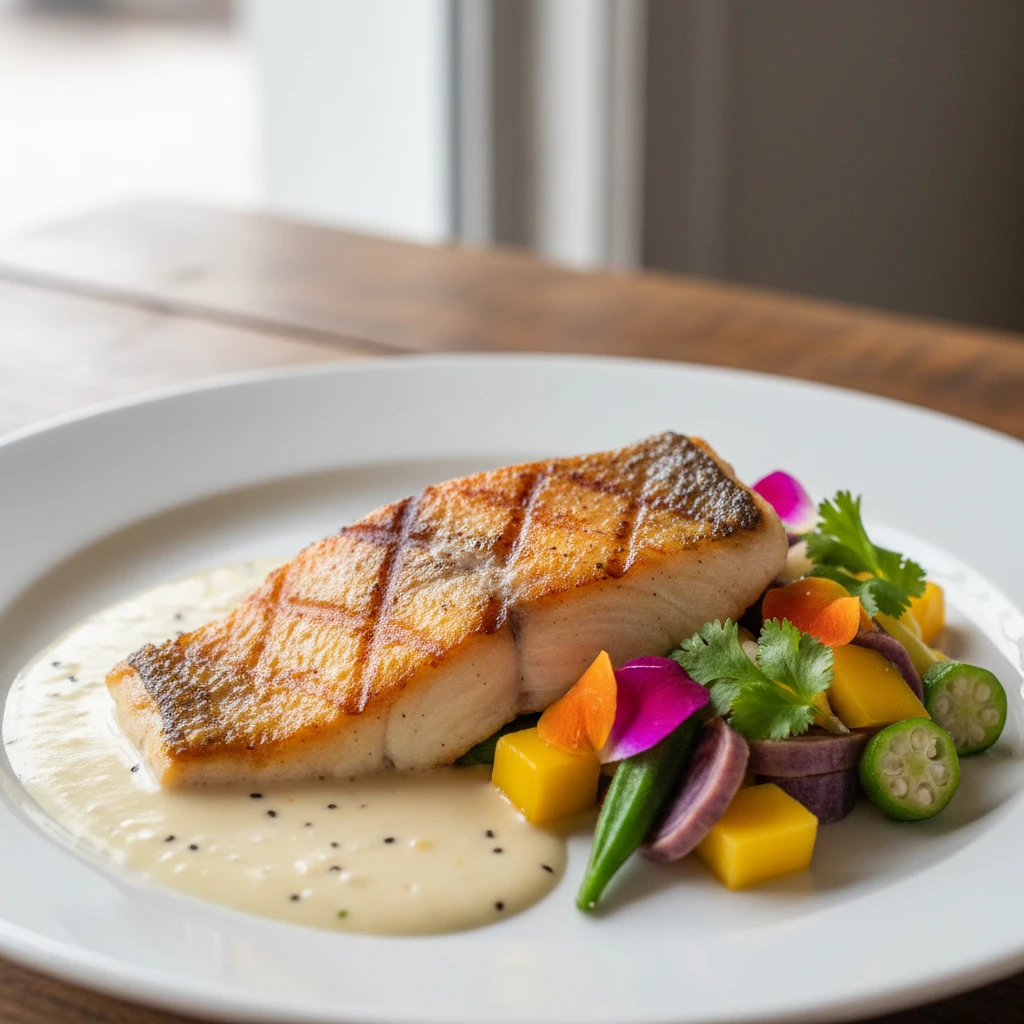
Another quintessential New Caledonian dish is Mahi-mahi served with a vanilla sauce. While vanilla is usually associated with desserts, the local Tanna or Lifou vanilla beans have a smoky, savory quality that pairs exceptionally well with the meaty texture of the Mahi-mahi. This fusion of indigenous ingredients with French cream-based sauces is a hallmark of the “Cuisine de Nouvelle-Calédonie.” Additionally, tuna is a staple of the local diet. New Caledonia has a significant tuna fishing fleet, and the quality of the yellowfin and albacore tuna is world-class. You will find it served as “Poisson Cru” (raw fish marinated in lime juice and coconut milk), a dish shared with other Polynesian cultures, or as a sophisticated peppercorn-crusted steak in the bistros of Noumea.
Traveler Tips for New Zealanders
For New Zealanders planning a trip to Noumea, there are a few practicalities to keep in mind to ensure a smooth dining experience. Firstly, the dining culture in Noumea follows French traditions. Lunch is typically served between 11:30 AM and 2:00 PM, and dinner starts around 7:00 PM. Many restaurants close between these times, so the Kiwi habit of an early 5:30 PM dinner might be difficult to satisfy outside of the more tourist-oriented hotels. Reservations are highly recommended for dinner, particularly on Friday and Saturday nights when the locals head out to the Baie des Citrons.
Regarding the cost, seafood in Noumea is a premium product. While it may be more expensive than a standard meal in Auckland, the quality and the portion sizes—especially of the prawns and lobsters—often justify the price. Tipping is not a standard practice in New Caledonia, as service is usually included in the bill, though a small tip for exceptional service is always appreciated. Lastly, don’t miss the Noumea Morning Market (Marché de Nouméa) near the marina. Even if you aren’t cooking for yourself, visiting the fish section is an education in itself. You can see the day’s catch arrive, from massive swordfish to the vibrant blue prawns, providing a true sense of the scale and diversity of the local seafood industry. It is the perfect place to grab some fresh oysters or a pre-made seafood salad for a picnic on the beach.
What is the best month for seafood in Noumea?
While seafood is available year-round, the months of July through December are ideal as they coincide with the local lobster season. Additionally, the cooler months (June to August) are excellent for many reef fish and the famous blue prawns, which are consistently available due to sustainable farming practices.
Are seafood restaurants in Noumea expensive?
Seafood in Noumea is considered a fine-dining experience. Prices are generally higher than in New Zealand, reflecting the high quality of the local catch and the French culinary standards. A main course at a top seafood restaurant typically ranges from 3,500 to 5,500 XPF (approximately $50-$80 NZD).
Do I need to book seafood restaurants in Noumea in advance?
Yes, especially for popular venues like Le Miretti-Gascon or Le Roof. Booking 24-48 hours in advance is recommended for dinner. For weekend dining at the Baie des Citrons, booking even earlier is wise as these spots are very popular with local residents.
What is the New Caledonian Blue Prawn?
The New Caledonian Blue Prawn is a specific species (Litopenaeus stylirostris) raised in the world’s largest lagoon. It is famous for its natural blue color, sweet flavor, and firm texture. It is a certified luxury product and is one of the few prawns in the world to be awarded the ‘Label Rouge’ quality mark.
Where can I find the best seafood platter in Noumea?
For a traditional, high-end seafood platter, Le Roof and Marmite et Tire-Bouchon are the top choices. They offer a wide variety of both local lagoon species and French imports, served in a classic style on ice with traditional accompaniments.
Is tipping expected at Noumea seafood restaurants?
Tipping is not expected or mandatory in New Caledonia. French custom dictates that service is included in the price of the meal. However, if you receive exceptional service, leaving a small amount of change or rounding up the bill is a kind gesture that will be appreciated.