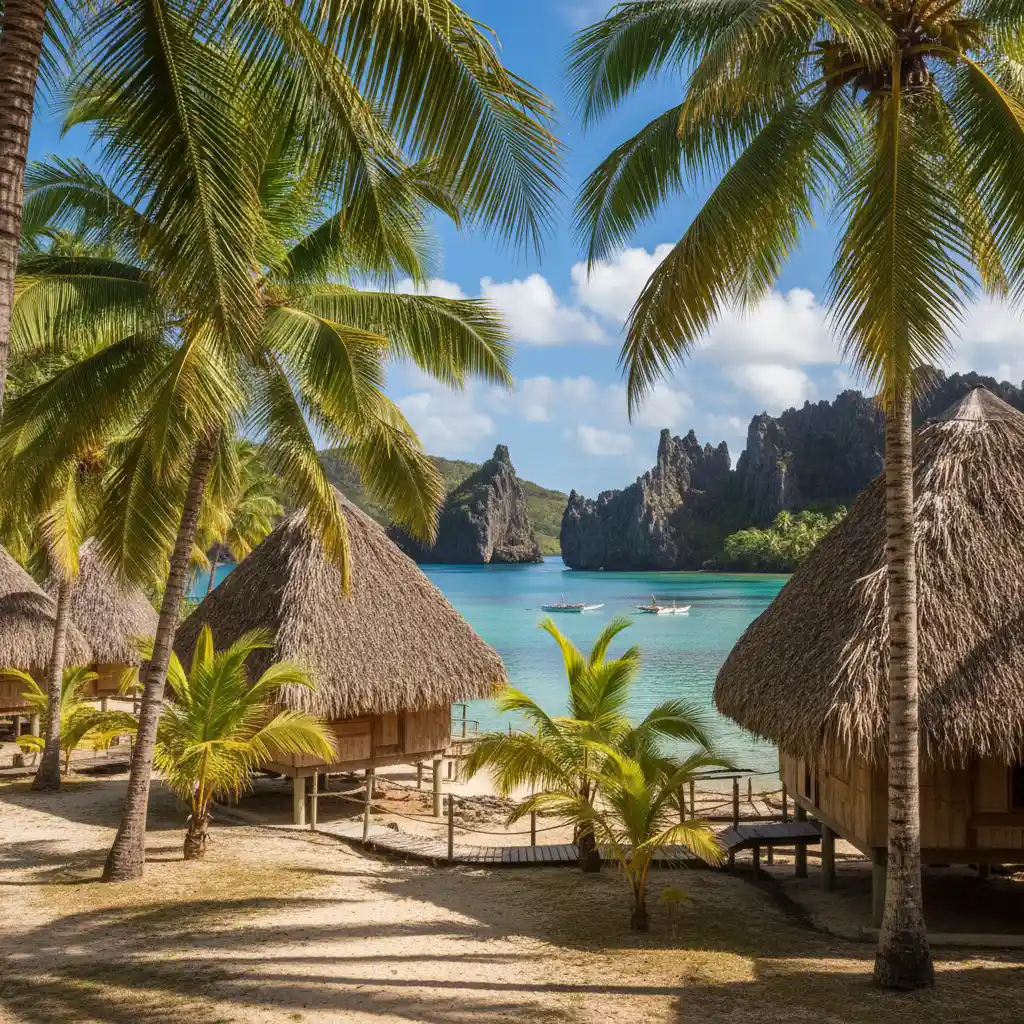
Scuba diving Poindimie offers a premier underwater experience in New Caledonia, renowned for its incredible biodiversity, pristine coral reefs, and unique macro life. Located on the lush East Coast, it provides divers with access to stunning drop-offs, underwater canyons, and rare species like pygmy seahorses and vibrant nudibranchs, making it a world-class destination.
Why Poindimie is Unique for Divers
When New Zealanders think of New Caledonia, the bustling capital of Noumea or the iconic Isle of Pines often come to mind. However, for the serious underwater enthusiast, scuba diving Poindimie represents the true heart of the territory’s aquatic splendor. Located on the wilder, greener East Coast of the main island (Grande Terre), Poindimie offers a stark contrast to the drier West Coast. This region is defined by its dramatic mountain ranges that plunge directly into the sea, creating a nutrient-rich environment that supports a staggering level of marine biodiversity.
What makes Poindimie truly unique is the health and variety of its coral ecosystems. Unlike many global diving hotspots that have suffered from bleaching, the reefs here remain remarkably resilient and vibrant. The underwater topography is a labyrinth of canyons, arches, and tunnels carved into the limestone and volcanic rock. These structures provide a playground for divers, offering swim-throughs that are draped in soft corals and gorgonian fans. The sheer density of life is overwhelming; it is not uncommon to find yourself surrounded by clouds of anthias while larger pelagics like grey reef sharks or eagle rays cruise the outer walls.

The UNESCO World Heritage Status
The lagoons of New Caledonia are a UNESCO World Heritage site, and Poindimie sits at one of the most prestigious sections of this protected area. The lack of industrial development on the East Coast means that water clarity is often exceptional, and the human impact on the reef is minimal. For divers, this means exploring a frontier that feels untouched. The reefs are not just a backdrop; they are a living, breathing cathedral of biodiversity that has been meticulously preserved. Scuba diving Poindimie is an opportunity to see the ocean as it was decades ago, before the pressures of mass tourism took their toll elsewhere.
Dramatic Topography and Vertical Walls
The geological history of the East Coast has resulted in underwater landscapes that are as dramatic as the mountains above. Sites like ‘The Cathedral’ or ‘The Labyrinth’ are famous for their vertical walls that drop into the deep blue. These walls are encrusted with giant sea fans that can reach two meters in diameter. Navigating through the fissures and cracks in the reef, divers can experience a sense of weightless exploration that is rare in shallower coral gardens. The interaction between the currents and the topography ensures a constant supply of nutrients, which in turn attracts a massive variety of fish life, from the smallest blennies to the largest groupers.
Tieti Diving Operator Review
For anyone planning on scuba diving Poindimie, Tieti Diving is the undisputed gateway to this underwater world. Located within the grounds of the Hotel Tieti, this dive center is led by experienced professionals who have spent decades mapping the local reefs. Their operation is a testament to the French-Pacific style of diving: professional, safety-oriented, and deeply respectful of the environment. For New Zealanders accustomed to high standards of maritime safety, Tieti Diving provides a familiar and reassuring level of service.
The facility itself is well-equipped, featuring modern gear rentals, clean rinsing tanks, and a spacious briefing area. One of the standout features of Tieti Diving is their custom-built dive boat. Designed to handle the coastal waters of the East Coast, the vessel provides a stable and fast platform for reaching the outer reefs. The journey to the dive sites is an experience in itself, offering panoramic views of the lush, forested coastline and the majestic mountains that dominate the horizon.

Safety and Professionalism
The dive masters at Tieti Diving are more than just guides; they are marine naturalists. Before every descent, divers receive a comprehensive briefing that covers not only the navigation and safety protocols but also the specific species likely to be encountered. This educational approach adds significant value to the experience, especially for those interested in the complex ecology of the reef. The center caters to all levels, from beginners looking for their first discovery dive to technical divers seeking deeper walls. Their commitment to small group sizes ensures that every diver receives personalized attention and that the impact on the delicate reef environment is kept to a minimum.
Daily Operations and Logistics
A typical day with Tieti Diving starts early to take advantage of the calmest morning conditions. Most trips consist of a two-tank morning excursion, returning to the shore in time for a late lunch. This schedule is perfect for travelers who want to balance their underwater adventures with exploring the cultural and terrestrial beauty of Poindimie. The proximity of the dive center to the hotel means you can transition from your wetsuit to the pool or a beachside restaurant in minutes. For those staying elsewhere in the region, the center is easily accessible and offers plenty of parking and storage space for personal gear.
Macro Life: Nudibranchs and Sea Horses
While the grand landscapes of Poindimie are impressive, the region has earned a global reputation among underwater photographers for its incredible macro life. Scuba diving Poindimie is often described as a treasure hunt where the rewards are some of the ocean’s most elusive and colorful inhabitants. The focus here is on the minute details—the hidden world that exists within the crevices of the coral and the folds of the sponges.
The stars of the show are undoubtedly the nudibranchs. These sea slugs are found in an almost infinite variety of colors and patterns. From the electric blues and yellows of the *Chromodoris* species to the intricate, ruffled forms of the *Phyllidia*, Poindimie is a living gallery of these fascinating creatures. The guides at Tieti Diving have developed a keen eye for spotting these tiny marvels, often pointing out species that would be completely invisible to the untrained eye.

The Elusive Pygmy Seahorse
For many divers, the ultimate macro find is the Pygmy Seahorse (*Hippocampus bargibanti*). These tiny creatures, rarely exceeding two centimeters in length, live exclusively on gorgonian sea fans. Their camouflage is so perfect—mimicking the color and texture of the fan’s polyps—that they are nearly impossible to find without expert help. Poindimie is one of the few places in the world where sightings are relatively consistent. Finding one of these miniature masterpieces is a highlight of any diving career and a testament to the pristine health of the local ecosystem. Beyond seahorses, the macro world here includes ghost pipefish, orangutan crabs, and a dizzying array of shrimp and porcelain crabs.
Tips for Macro Photography
If you are visiting from New Zealand with a camera, Poindimie is the place to bring your dedicated macro lens. The surge is generally minimal at the best macro sites, allowing for the stability needed to capture high-magnification shots. Lighting is key, as many of these creatures live in the shadows of the reef. Using a strobe or a powerful video light will bring out the true brilliance of the nudibranchs’ colors. Even if you aren’t a photographer, taking the time to slow down and observe a single coral head can reveal a miniature universe of activity that most divers simply swim past.
Snorkeling Trips to Tibarama Islet
Not all the magic of Poindimie requires a tank on your back. For families, non-divers, or those on a deco day, a trip to Tibarama Islet is an absolute must. This small, uninhabited island is located just a short boat ride from the mainland and is surrounded by a shallow, protected fringe reef that offers some of the best snorkeling in the South Pacific. The islet itself is a picture-perfect tropical escape, featuring white sandy beaches and a lush interior of indigenous trees.
The snorkeling at Tibarama is characterized by its accessibility and the sheer density of coral in shallow water. You can simply wade off the beach and find yourself drifting over massive brain corals and delicate staghorn thickets. The water is typically crystal clear and calm, making it an ideal environment for children or nervous snorkelers to gain confidence. Despite the shallow depth, the variety of fish is astounding; parrotfish, butterflyfish, and anemonefish (Nemo) are everywhere, seemingly unfazed by the presence of snorkelers.

A Natural Aquarium
Tibarama Islet functions like a natural aquarium. Because the reef is so close to the surface, the sunlight illuminates the corals in their full spectrum of color. It is a fantastic place to observe the symbiotic relationships of the reef, such as cleaner wrasses tending to larger fish or the territorial displays of damselfish. The islet is also a popular spot for a picnic lunch between snorkeling sessions. Many tours include a guided walk around the island, where you can learn about the local flora and the importance of the islet to the local Kanak communities.
Responsible Snorkeling
As with all sites in New Caledonia, visitors to Tibarama are encouraged to practice responsible tourism. This means wearing reef-safe sunscreen, avoiding touching or standing on the coral, and taking all trash back to the mainland. The local community takes great pride in the preservation of Tibarama, and by following these simple rules, visitors help ensure that this pristine environment remains healthy for generations to come. The experience of floating in the warm, turquoise waters of the islet, surrounded by life, is a profound reminder of the beauty of the natural world.
Planning Your Trip from New Zealand
For New Zealanders, Poindimie is surprisingly accessible, yet it feels worlds away from the daily grind. The journey typically begins with a short three-hour flight from Auckland to Noumea‘s La Tontouta International Airport. From there, the adventure truly starts. To reach Poindimie, you have two main options: a scenic drive across the island or a domestic flight to the nearby Kone airport followed by a shorter drive.
The drive from Noumea to Poindimie takes approximately four to five hours. It is a spectacular journey that takes you through the mountainous ‘Chain’ of the island, transitioning from the dry savannah of the West Coast to the lush tropical rainforests of the East. Renting a car is highly recommended, as it gives you the freedom to stop at roadside stalls, waterfalls, and viewpoints along the way. The roads are generally well-maintained, and driving is on the right-hand side of the road, which is a minor adjustment for Kiwis but easily managed.
Best Time to Visit
The best time for scuba diving Poindimie is during the cooler, drier months from May to October. During this period, the water temperature is a comfortable 22°C to 24°C, and the visibility is often at its peak. This also coincides with the New Zealand winter, making it the perfect escape for some tropical sun. The summer months (November to March) are warmer and more humid, with water temperatures reaching 28°C. While this is a great time for warm-water diving, it is also the cyclone season, so it is important to keep an eye on the weather forecasts and consider travel insurance.
Embracing the Local Culture
Poindimie is located in the heart of the Kanak culture. Unlike the more European feel of Noumea, the East Coast offers a deeper insight into the indigenous traditions of New Caledonia. Visitors are encouraged to learn about ‘La Coutume’—the local custom of showing respect when entering tribal lands. While the dive resort offers all the modern comforts, taking the time to visit a local tribe or explore the village of Poindimie will greatly enrich your travel experience. The local markets are a fantastic place to try traditional foods and buy authentic handicrafts, providing a meaningful connection to the land and its people.